EN
EN



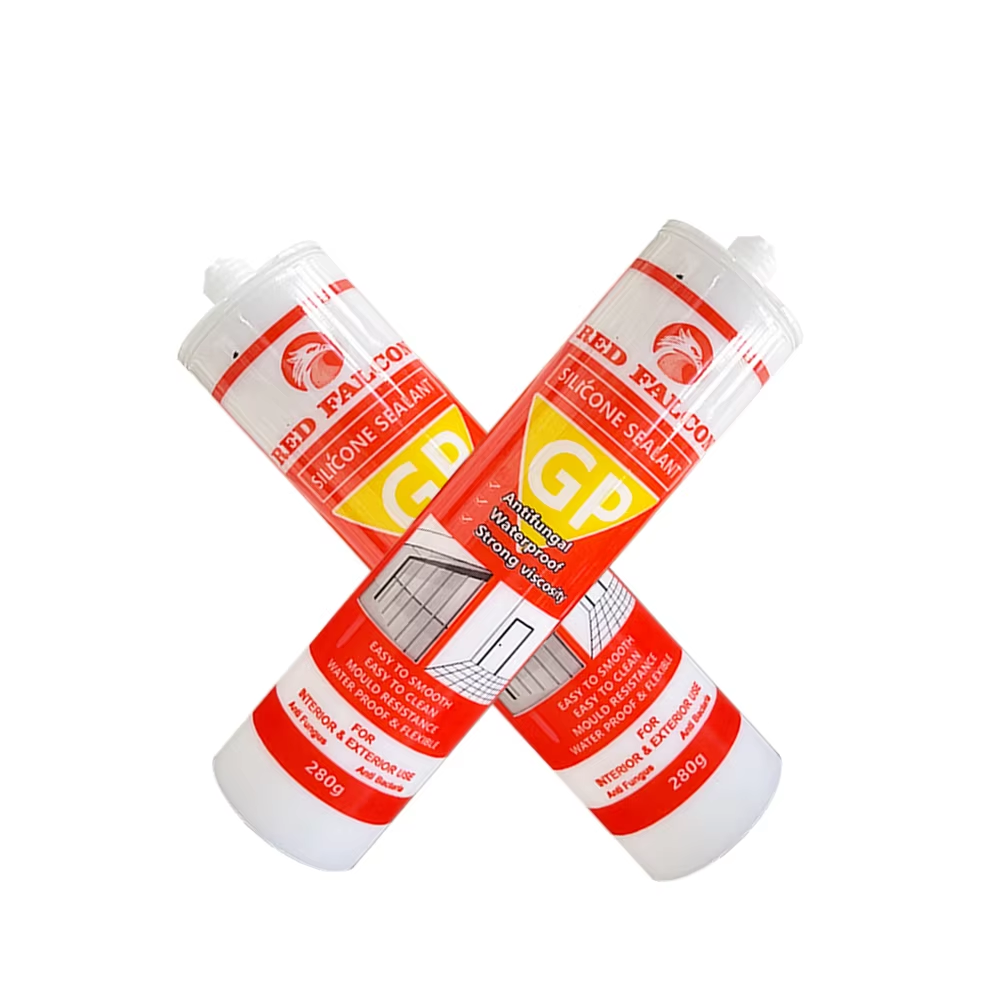
Room Temperature Vulcanizing (RTV) silicone compounds have revolutionized industrial sealing and bonding applications through their exceptional ability to maintain structural integrity and performance under extreme temperature conditions. The unique molecular structure of RTV silicone heat resistance enables these materials to withstand continuous exposure to temperatures ranging from -65°F to over 400°F, making them indispensable in aerospace, automotive, electronics, and manufacturing environments where thermal stability is critical for operational safety and equipment longevity.
Understanding the mechanism behind RTV silicone heat resistance requires examining how siloxane polymer chains respond to thermal energy at the molecular level. Unlike organic polymers that degrade through chain scission and oxidation when exposed to heat, silicone polymers maintain their cross-linked network structure due to the inherent stability of silicon-oxygen bonds, which possess higher bond energy than carbon-carbon bonds found in conventional materials. This fundamental difference explains why industrial facilities increasingly rely on RTV silicone formulations for gaskets, seals, potting compounds, and thermal interface materials in high-temperature processing equipment.
Molecular Foundation of Heat Resistance in RTV Silicone Systems
Silicon-Oxygen Bond Stability Under Thermal Stress
The exceptional RTV silicone heat resistance originates from the unique properties of siloxane backbone chains, where silicon atoms are connected through oxygen bridges in a repeating Si-O-Si pattern. These silicon-oxygen bonds exhibit a bond dissociation energy of approximately 108 kcal/mol, significantly higher than the 83 kcal/mol found in carbon-carbon bonds of organic polymers. When subjected to elevated temperatures, this enhanced bond strength prevents thermal degradation that commonly affects other sealing materials, allowing RTV silicone to maintain its cross-linked network structure even under prolonged heat exposure.
The three-dimensional cross-linking mechanism in cured RTV silicone creates a thermally stable matrix that resists softening, flow, and mechanical failure at temperatures where conventional materials would compromise. During the vulcanization process, hydroxyl-terminated polydimethylsiloxane chains react with cross-linking agents to form covalent bonds between polymer chains, creating a network that becomes increasingly stable as curing progresses. This cross-linked structure maintains its integrity because the energy required to break multiple siloxane bonds simultaneously exceeds the thermal energy present in most industrial applications.
Thermal Oxidation Resistance Mechanisms
RTV silicone heat resistance extends beyond simple bond stability to include remarkable resistance to thermal oxidation, a degradation mechanism that destroys most organic materials in high-temperature environments. The inorganic nature of the siloxane backbone prevents the formation of free radicals that typically initiate oxidative chain reactions in carbon-based polymers. When exposed to oxygen at elevated temperatures, silicone surfaces may form a thin protective silica layer that actually enhances thermal stability rather than causing degradation.
Industrial applications benefit from this oxidation resistance because RTV silicone maintains its sealing properties and mechanical strength even in oxidizing atmospheres at temperatures approaching 200°C. The absence of hydrogen atoms on the polymer backbone eliminates common oxidation pathways, while the presence of methyl groups attached to silicon atoms provides additional protection against thermal attack. This mechanism ensures that RTV silicone heat resistance remains consistent throughout the service life of industrial equipment, reducing maintenance requirements and system downtime.
Industrial Temperature Performance Characteristics
Continuous Service Temperature Capabilities
The continuous service temperature range represents the most critical performance parameter for evaluating RTV silicone heat resistance in industrial applications. Standard RTV silicone formulations maintain their physical properties and sealing effectiveness at continuous operating temperatures up to 200°C (392°F), with specialized high-temperature variants capable of withstanding 250°C (482°F) for extended periods. This temperature stability enables their use in applications such as oven gaskets, engine compartment sealing, exhaust system components, and industrial furnace applications where sustained heat exposure is unavoidable.
Testing protocols for RTV silicone heat resistance typically involve aging samples at specified temperatures for thousands of hours while monitoring changes in tensile strength, elongation, hardness, and adhesion properties. Results consistently demonstrate that properly formulated RTV silicones retain over 80% of their original mechanical properties after 1000 hours at 200°C, compared to conventional organic sealants that may lose structural integrity within 100 hours under similar conditions. This longevity translates directly into reduced maintenance costs and improved system reliability for industrial users.
Intermittent High-Temperature Exposure Performance
Many industrial applications subject sealing materials to intermittent temperature spikes that exceed continuous service ratings, requiring RTV silicone heat resistance to accommodate brief excursions to even higher temperatures. Advanced RTV formulations can withstand intermittent exposure to temperatures reaching 300°C (572°F) for periods up to several hours without permanent degradation, provided the material returns to normal operating temperatures between exposure cycles.
This intermittent temperature capability proves essential in applications such as automotive engine sealing, where startup and shutdown cycles create temporary temperature spikes, or industrial processing equipment that experiences periodic thermal cleaning cycles. The ability of RTV silicone to recover its properties after high-temperature exposure stems from the reversible nature of thermal expansion and the absence of irreversible chemical changes within its operating envelope. Industrial engineers rely on this characteristic to design systems that can accommodate process variations without compromising seal integrity.
Application-Specific Heat Resistance Requirements
Aerospace and Aviation Thermal Management
Aerospace applications demand the highest levels of RTV silicone heat resistance due to extreme operating conditions that combine high temperatures with vibration, pressure cycling, and exposure to aviation fuels and hydraulic fluids. Aircraft engine compartments routinely experience temperatures exceeding 200°C, while spacecraft applications may encounter temperature extremes ranging from -150°C to 300°C during mission profiles. RTV silicone formulations for these applications incorporate specialized fillers and cross-linking systems to maintain flexibility and adhesion across these temperature ranges.
The certification requirements for aerospace RTV silicone heat resistance include rigorous testing protocols that simulate actual flight conditions, including rapid temperature cycling, altitude pressure changes, and exposure to jet fuel vapors. Materials must demonstrate consistent performance throughout thousands of thermal cycles while maintaining their sealing effectiveness and resistance to fuel permeation. This level of performance validation ensures that critical aircraft systems remain sealed and protected throughout their operational life, contributing to flight safety and mission success.
Automotive Engine and Exhaust System Applications
Automotive applications present unique challenges for RTV silicone heat resistance due to the combination of high temperatures, vibration, chemical exposure, and cost constraints inherent in mass production environments. Engine components such as valve covers, oil pans, and transmission housings require sealing materials that maintain their properties at temperatures up to 150°C while resisting automotive fluids including motor oil, coolant, and fuel vapors. Exhaust system applications demand even higher temperature performance, with some components experiencing continuous temperatures approaching 250°C.
Modern automotive RTV silicone formulations achieve reliable heat resistance through careful balance of polymer molecular weight, cross-linking density, and filler selection to optimize both temperature performance and manufacturing processability. The material must cure quickly on assembly lines while developing full thermal properties within hours of application. Additionally, automotive RTV silicone heat resistance must accommodate the thermal expansion differences between aluminum, steel, and composite components without losing adhesion or developing leaks that could compromise engine performance or emissions compliance.
Performance Enhancement Through Formulation Science
Advanced Filler Systems for Enhanced Thermal Stability
The incorporation of specialized inorganic fillers significantly enhances RTV silicone heat resistance by improving thermal conductivity, reducing thermal expansion, and providing additional reinforcement to the polymer matrix. Ceramic fillers such as aluminum oxide, silicon carbide, and boron nitride not only increase the upper service temperature limit but also improve heat dissipation from sealed components, reducing localized hot spots that could compromise seal performance. These thermally conductive fillers create pathways for heat transfer while maintaining the electrical insulation properties critical for electronic applications.
Reinforcing fillers including precipitated silica and fumed silica improve the mechanical properties of RTV silicone at elevated temperatures by preventing polymer chain mobility and maintaining dimensional stability. The interaction between silica particles and siloxane chains creates a reinforced network that resists thermal softening and maintains sealing force even as temperatures approach the material's service limit. This reinforcement mechanism proves particularly important in applications where mechanical stress combines with thermal stress to challenge seal integrity.
Catalyst Systems and Cross-Linking Optimization
The selection and optimization of catalyst systems directly influences the long-term RTV silicone heat resistance by controlling the cross-linking density and uniformity throughout the cured material. Platinum-catalyzed addition-cure systems typically provide superior thermal stability compared to condensation-cure systems because they create more uniform cross-link distribution without generating volatile byproducts that could create voids or weak points in the cured material. The absence of acidic byproducts also eliminates corrosion concerns when sealing sensitive electronic or metallic components.
Advanced catalyst formulations enable the development of RTV silicone systems with tailored cure profiles that optimize both processing characteristics and final thermal performance. By controlling the rate and extent of cross-linking, formulators can create materials that develop maximum RTV silicone heat resistance while maintaining the flexibility and adhesion required for dynamic sealing applications. This optimization process involves balancing catalyst concentration, inhibitor systems, and cure temperature to achieve the desired combination of pot life, cure speed, and thermal performance.
Quality Control and Performance Validation Methods
Accelerated Aging Test Protocols
Validating RTV silicone heat resistance requires comprehensive testing protocols that simulate years of service conditions within accelerated timeframes. Standard test methods include ASTM D573 air oven aging, which exposes samples to elevated temperatures in circulating air ovens for specified periods while monitoring changes in physical properties. These tests typically evaluate tensile strength retention, elongation at break, hardness changes, and adhesion performance after aging periods ranging from 168 hours to several thousand hours at temperatures spanning the expected service range.
More sophisticated testing protocols incorporate thermal cycling between temperature extremes to evaluate the material's resistance to thermal fatigue and its ability to accommodate differential thermal expansion between substrates. These thermal shock tests often reveal failure modes that may not appear during isothermal aging, providing more realistic assessment of RTV silicone heat resistance under actual service conditions. The combination of isothermal and cycling tests provides comprehensive validation data that enables confident material selection for critical applications.
Real-Time Performance Monitoring Techniques
Advanced industrial facilities increasingly employ real-time monitoring systems to track the performance of RTV silicone seals under actual operating conditions, providing valuable data on long-term heat resistance and service life prediction. These monitoring systems may include embedded sensors that measure temperature, pressure, and vibration at seal locations, combined with periodic inspection protocols that assess visual condition, hardness changes, and adhesion integrity. This approach enables predictive maintenance strategies that optimize seal replacement schedules based on actual performance data rather than conservative time-based intervals.
Infrared thermography and ultrasonic inspection techniques provide non-destructive methods for evaluating RTV silicone heat resistance performance without disassembling equipment. These techniques can detect temperature anomalies that may indicate seal degradation or identify areas where thermal stress concentrations could compromise long-term reliability. The integration of these monitoring approaches with historical performance databases enables continuous improvement of seal design and material selection for enhanced thermal performance.
FAQ
What temperature range can RTV silicone withstand in continuous industrial use?
RTV silicone heat resistance typically enables continuous operation from -65°F to 400°F (-54°C to 204°C), with specialized formulations capable of withstanding up to 500°F (260°C) for extended periods. The exact temperature range depends on the specific formulation, cross-linking system, and application requirements, but standard industrial grades maintain their sealing properties and mechanical strength throughout this range for thousands of hours of service.
How does RTV silicone compare to other high-temperature sealing materials?
RTV silicone demonstrates superior heat resistance compared to organic elastomers like EPDM or nitrile rubber, which typically fail above 300°F. While fluoroelastomers may match silicone's temperature capability, RTV silicone offers better low-temperature flexibility, easier application as a liquid system, and excellent adhesion to diverse substrates. The combination of temperature performance, chemical resistance, and processing versatility makes RTV silicone the preferred choice for most industrial high-temperature sealing applications.
Can RTV silicone maintain its properties after repeated thermal cycling?
Yes, properly formulated RTV silicone heat resistance includes excellent thermal cycling performance, with materials capable of withstanding thousands of temperature cycles between their service extremes without significant property degradation. The cross-linked siloxane network accommodates thermal expansion and contraction without developing permanent set or losing adhesion, making it ideal for applications with frequent startup and shutdown cycles or varying process temperatures.
What factors can reduce the heat resistance performance of RTV silicone?
Several factors can compromise RTV silicone heat resistance, including exposure to temperatures exceeding the material's design limit, contamination with incompatible chemicals or catalysts, inadequate surface preparation leading to poor adhesion, and mechanical stress that exceeds the material's capability at elevated temperatures. Proper material selection, surface preparation, and application techniques are essential to achieve optimal thermal performance in industrial applications.
Table of Contents
- Molecular Foundation of Heat Resistance in RTV Silicone Systems
- Industrial Temperature Performance Characteristics
- Application-Specific Heat Resistance Requirements
- Performance Enhancement Through Formulation Science
- Quality Control and Performance Validation Methods
-
FAQ
- What temperature range can RTV silicone withstand in continuous industrial use?
- How does RTV silicone compare to other high-temperature sealing materials?
- Can RTV silicone maintain its properties after repeated thermal cycling?
- What factors can reduce the heat resistance performance of RTV silicone?