EN
EN



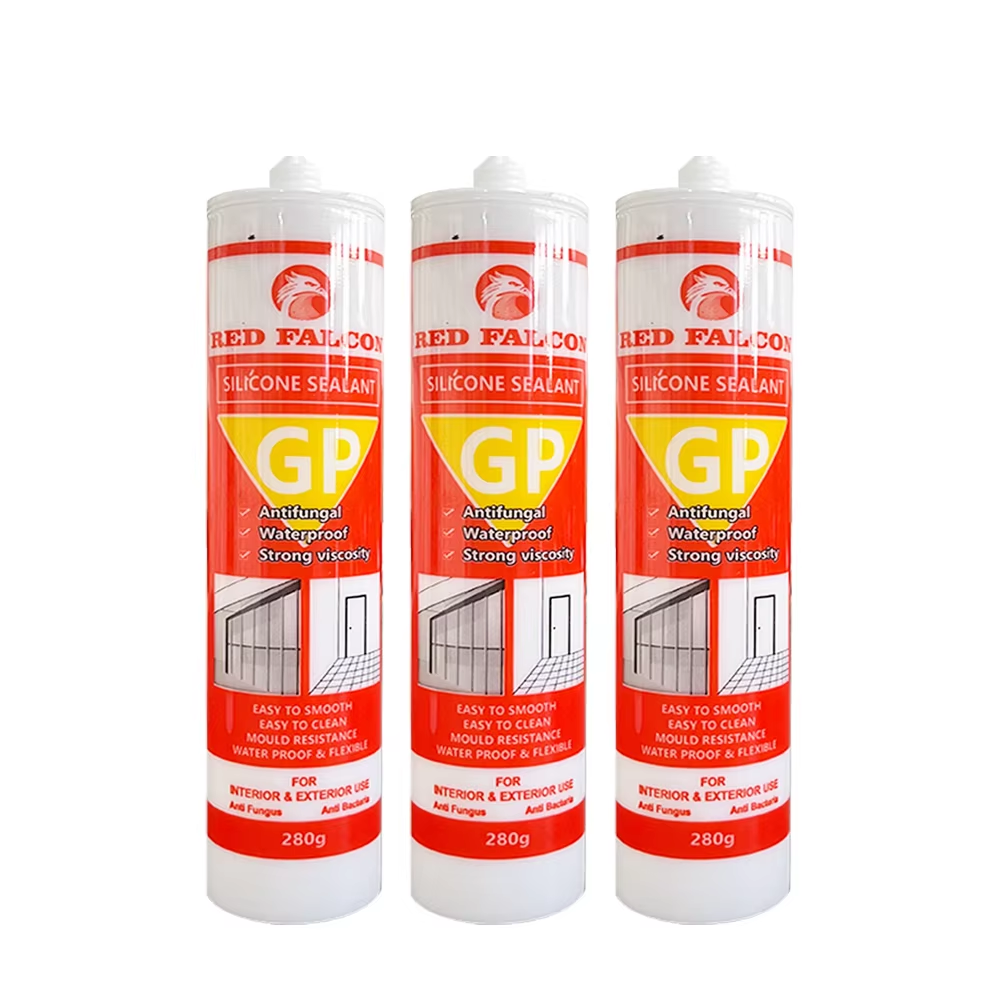
When selecting a sealing material for long-term industrial or construction applications, durability under real-world environmental stress is a top concern. white silicone sealant has earned a reputation as one of the most resilient sealing solutions available, capable of maintaining integrity across a wide range of demanding conditions. Understanding exactly how this material resists aging and environmental damage is essential for engineers, procurement professionals, and contractors who need reliable, long-lasting performance from their sealing systems.
White silicone sealant is not simply a cosmetically clean option for visible joints and surfaces. Its resistance to aging and environmental degradation is rooted in the fundamental chemistry of silicone polymers, which behave fundamentally differently from organic-based sealants like polyurethane or acrylics. This article examines the specific mechanisms through which white silicone sealant maintains its structural and aesthetic performance over time, even when exposed to UV radiation, temperature extremes, moisture, and chemical contact.
The Chemistry Behind Silicone Durability
Silicon-Oxygen Backbone Structure
The core reason white silicone sealant resists aging so effectively lies in its molecular architecture. Unlike carbon-based organic polymers, silicone is built around a repeating silicon-oxygen (Si-O) backbone. This inorganic backbone is inherently more stable than carbon-to-carbon chains, which are vulnerable to oxidative breakdown, UV photodegradation, and thermal cracking over time.
The Si-O bond has a higher bond energy and greater thermal stability than the C-C bonds found in organic sealants. This structural advantage means that even after years of service, white silicone sealant retains its elasticity and adhesive properties without becoming brittle, chalky, or structurally compromised. The silicon-oxygen backbone resists hydrolysis better than many competing materials, which is particularly important in humid or waterlogged environments.
In practical terms, this chemistry translates to sealant joints that remain flexible and sealed even after decades of thermal cycling, moisture exposure, and mechanical stress. For industrial facilities, curtain wall systems, and HVAC installations, this chemical foundation is what makes white silicone sealant the preferred choice over alternatives that may degrade within just a few years.
Cross-Linking Density and Network Formation
Beyond the backbone structure, the cross-linking network formed during the curing process of white silicone sealant plays a critical role in its long-term durability. When the sealant cures, silicone polymer chains form a three-dimensional elastic network. The density and uniformity of this network directly influence how well the cured material resists deformation, swelling, and degradation when exposed to environmental stressors.
A well-formulated white silicone sealant achieves a cross-link density that balances flexibility with cohesive strength. Too low a density results in a material that swells excessively when exposed to solvents or absorbs too much moisture. Too high a density creates brittleness that leads to cracking under thermal stress. Quality formulations strike this balance deliberately, ensuring the cured sealant network can accommodate dimensional movement while still presenting a coherent barrier against environmental ingress.
This network formation is also what gives white silicone sealant its inherent resistance to microbial attack. The tightly cross-linked silicone surface presents an inhospitable substrate for fungal growth, provided the formulation does not include organic additives that fungi can metabolize. Many premium-grade white silicone sealant products are formulated specifically with anti-fungal additives that complement this structural resistance for applications in kitchens, bathrooms, and humid industrial environments.
Resistance to UV Radiation and Solar Exposure
Why UV Degradation Affects Organic Sealants More Severely
Ultraviolet radiation is one of the most destructive environmental forces acting on sealants installed in exterior or sun-exposed locations. Organic-based sealants absorb UV energy through their carbon-carbon and carbon-hydrogen bonds, initiating photochemical reactions that break polymer chains, cause discoloration, and lead to surface chalking or cracking. This is why many acrylic or polyurethane sealants visibly deteriorate within a few years of outdoor exposure.
White silicone sealant behaves very differently under UV exposure because its Si-O backbone does not absorb UV radiation in the same way that organic polymers do. The silicon-oxygen bond is not susceptible to the same photodegradation pathway, which means the primary structural chains of white silicone sealant remain intact even under prolonged solar irradiation. This is a structural advantage that is difficult to replicate with organic alternatives, regardless of UV stabilizer additives.
For applications such as glazing systems, rooftop installations, solar panel framing, and exterior facades, this UV stability is directly relevant to long-term performance and maintenance cost reduction. White silicone sealant maintains its white color and surface integrity far longer than competing materials under comparable UV loads, reducing the frequency of resealing and the associated labor costs.
Color Stability and Surface Integrity Under Solar Stress
Color stability is particularly important in white silicone sealant because any yellowing, greying, or chalking is immediately visible against light-colored substrates such as white uPVC window frames, marble, or painted aluminum curtain walls. The inherent UV resistance of silicone chemistry is complemented in quality formulations by the use of titanium dioxide as a white pigment, which itself contributes UV opacity and prevents photodegradation of the underlying polymer network.
Titanium dioxide is a photostable inorganic pigment that does not degrade under UV exposure. Its inclusion in white silicone sealant formulations serves the dual purpose of providing clean, bright white coloration and acting as a UV screen that further protects the polymer matrix beneath the surface layer. This synergistic combination of UV-resistant chemistry and UV-blocking pigmentation is why high-quality white silicone sealant maintains its appearance and structural performance for far longer than organically pigmented alternatives.
Surface integrity also relates to resistance against surface oxidation. While organic sealants may develop a powdery or crumbling surface layer after UV-induced oxidative chain scission, white silicone sealant maintains a smooth, non-porous surface over time. This smooth surface also resists dirt accumulation and is easier to clean, which is a practical benefit in architectural and sanitary applications.
Thermal Resistance Across Temperature Extremes
Performance at High Temperatures
One of the defining characteristics of white silicone sealant is its ability to maintain sealing performance at elevated temperatures where most organic sealants soften, flow, or lose adhesion. Standard grades of white silicone sealant typically retain their properties up to around 150–180°C, while high-temperature formulations can perform continuously at temperatures approaching 250°C or higher. This makes white silicone sealant suitable for sealing around heating elements, industrial ovens, HVAC ductwork, and engine compartment components.
The thermal stability of white silicone sealant at high temperatures is directly attributable to the high bond dissociation energy of the Si-O backbone. Even as temperature increases and thermal energy input rises, the silicon-oxygen bonds resist homolytic cleavage that would otherwise lead to polymer chain degradation. The result is a sealant that retains its elastic modulus, adhesion strength, and barrier properties even after extended exposure to heat.
This thermal stability also means that white silicone sealant does not emit harmful volatile compounds when heated, which is an important safety consideration in enclosed industrial environments. Organic sealants can release plasticizers, solvents, or degradation products at elevated temperatures, creating both health risks and potential contamination of sensitive equipment or products. White silicone sealant's thermally stable chemistry minimizes these risks.
Cold Temperature Flexibility and Freeze-Thaw Resistance
Equally important is the behavior of white silicone sealant at low temperatures. Many sealant materials, particularly those with high organic content, become stiff and brittle as temperatures drop, leading to cracking at sealant joints during cold weather or freeze-thaw cycling. White silicone sealant maintains its rubber-like flexibility at temperatures as low as -50°C or below, depending on the specific formulation, making it well suited to cold-climate construction and refrigeration applications.
The glass transition temperature (Tg) of silicone polymers is significantly lower than that of most organic sealant polymers. This means that white silicone sealant remains above its glass transition temperature across virtually all real-world operating conditions, preserving the elastic deformation capacity that allows it to accommodate substrate movement without cracking or delaminating from the bonded surfaces.
Freeze-thaw cycling is a particularly destructive force for sealants in exterior construction joints. Water infiltration followed by freezing expansion and subsequent thawing can stress sealant joints repeatedly over a building's service life. White silicone sealant's combination of low-temperature flexibility, hydrophobic surface properties, and elastic recovery capacity makes it highly resistant to damage from this type of cyclic environmental stress.
Moisture, Water, and Chemical Resistance
Hydrophobic Surface Properties
The surface of cured white silicone sealant is hydrophobic by nature. Water beads on the surface rather than being absorbed, and this property directly supports long-term resistance to moisture-induced degradation. Unlike hydrophilic sealants that swell when saturated with water and then contract as they dry, white silicone sealant maintains dimensional stability across wet and dry cycles, preserving the integrity of sealed joints even in permanently wet environments such as submerged pipe penetrations or wet room installations.
This hydrophobic character also prevents the accumulation of surface moisture that would otherwise support microbial colonization. Mold and mildew growth on sealant surfaces is a common problem in bathrooms, kitchens, and swimming pool surrounds. By resisting moisture absorption and maintaining a smooth, hydrophobic surface, white silicone sealant reduces the likelihood of biological fouling, particularly when combined with anti-microbial additives found in sanitary-grade formulations.
Water vapor transmission through cured white silicone sealant is also very low compared to many organic sealant alternatives. This is important in insulation applications, sealed electrical enclosures, and building envelopes where moisture vapor infiltration can lead to condensation, corrosion, or thermal efficiency losses. The combination of surface hydrophobicity and low vapor permeability makes white silicone sealant an effective barrier against moisture-related damage in both wet and humid environments.
Chemical Exposure and Industrial Environment Resistance
In industrial settings, sealants are frequently exposed to cleaning chemicals, process fluids, lubricants, dilute acids, and alkaline solutions. White silicone sealant demonstrates broad chemical resistance across many of these substance categories, making it a practical choice for food processing facilities, laboratories, pharmaceutical plants, and manufacturing environments where routine chemical exposure is unavoidable.
The inorganic silicone backbone resists attack by a wide range of oxidizing agents, dilute acids, and alkalis that would degrade organic polymer sealants relatively quickly. This chemical inertness is directly related to the thermodynamic stability of the Si-O bond, which does not readily participate in the substitution or addition reactions that damage carbon-based polymers when exposed to reactive chemicals.
It is important to note that white silicone sealant is not universally resistant to all chemical environments. Concentrated strong acids, certain organic solvents, and steam at very high pressures can challenge even premium silicone formulations. Understanding the specific chemical environment of an application and selecting an appropriately formulated white silicone sealant product ensures that chemical resistance performance matches the actual service conditions rather than relying on general material category assumptions.
Mechanical Aging Resistance and Long-Term Joint Integrity
Elastic Recovery and Movement Accommodation
Sealant joints in real-world applications are subjected to continuous or cyclical mechanical movement caused by thermal expansion, structural loading, vibration, and substrate settlement. A sealant that has aged poorly loses its elastic recovery capacity, meaning that after deformation it does not return to its original dimensions, leading to gaps, disbonding, or cohesive failure within the joint. White silicone sealant is specifically recognized for maintaining high elastic recovery over its service life.
High elastic recovery means that white silicone sealant can be repeatedly stretched or compressed and will return to its original form without permanent distortion. This property is retained over time because the silicone polymer backbone does not undergo significant stress relaxation or creep at normal service temperatures. For curtain wall systems, expansion joints, and joints in industrial piping, this long-term elasticity is a fundamental requirement that white silicone sealant reliably meets.
Adhesion retention is equally important for long-term joint integrity. Aging in organic sealants often manifests first as adhesion loss at the interface between the sealant and the substrate, even before cohesive failure within the sealant body itself. White silicone sealant, when properly primed and applied to compatible substrates, maintains its adhesive bond integrity over extended service periods, particularly on glass, aluminum, ceramics, and cured concrete surfaces.
Oxidative Degradation Resistance Over Time
Oxygen in the environment contributes to the slow oxidative degradation of polymer materials, particularly under elevated temperature conditions. This process, known as thermal oxidative aging, breaks polymer chains and cross-links, progressively hardening and embrittling organic sealants over time. White silicone sealant is significantly more resistant to thermal oxidative aging than organic alternatives because the Si-O backbone does not participate readily in chain-scission oxidative reactions.
Where oxidative aging does occur in silicone over very extended service periods or under extreme conditions, it tends to manifest as a gradual increase in surface hardness rather than catastrophic brittle failure. This relatively benign aging mechanism means that white silicone sealant in moderate service conditions retains functional sealing performance long after comparable organic sealants have failed and required replacement.
Quality formulations of white silicone sealant may also incorporate antioxidant additives that further slow any oxidative chain reactions, particularly in high-temperature service applications. These additives work synergistically with the inherent chemical stability of the silicone polymer to extend functional service life, reduce maintenance intervals, and lower the total cost of ownership for installations where resealing is difficult, hazardous, or expensive.
FAQ
How long does white silicone sealant typically last in outdoor applications?
When properly applied to clean, compatible substrates, white silicone sealant can maintain functional sealing performance in outdoor applications for 20 years or more. Actual service life depends on joint movement, UV load, temperature extremes, and chemical exposure at the specific installation site. Premium formulations with UV-stabilized polymer systems and high-quality pigmentation tend to deliver the longest service intervals.
Can white silicone sealant resist mold growth in humid environments?
The hydrophobic surface and non-nutritive chemistry of white silicone sealant provide inherent resistance to mold colonization compared to organic sealants. Sanitary-grade formulations of white silicone sealant incorporate additional anti-fungal additives that provide enhanced protection in bathrooms, kitchens, and other persistently humid environments. Surface cleanliness at installation also plays a role in long-term mold resistance.
Is white silicone sealant suitable for both high-temperature and low-temperature environments?
Yes. White silicone sealant is designed to perform across a broad temperature range, typically from approximately -50°C to over 150°C for standard grades, and to even higher temperatures for specialized high-temperature formulations. This wide service temperature range makes white silicone sealant appropriate for applications ranging from refrigerated storage facilities to industrial heating systems, which is rarely achievable with organic sealant alternatives.
Does white silicone sealant maintain its white color over time?
High-quality white silicone sealant maintains color stability significantly better than organic sealants due to the UV-resistant silicone polymer chemistry and the use of photostable inorganic white pigments such as titanium dioxide. Minor surface soiling may occur over time in polluted environments, but the underlying sealant color remains stable. Regular light cleaning is sufficient to maintain the visual appearance of white silicone sealant in most applications.
Table of Contents
- The Chemistry Behind Silicone Durability
- Resistance to UV Radiation and Solar Exposure
- Thermal Resistance Across Temperature Extremes
- Moisture, Water, and Chemical Resistance
- Mechanical Aging Resistance and Long-Term Joint Integrity
-
FAQ
- How long does white silicone sealant typically last in outdoor applications?
- Can white silicone sealant resist mold growth in humid environments?
- Is white silicone sealant suitable for both high-temperature and low-temperature environments?
- Does white silicone sealant maintain its white color over time?