EN
EN



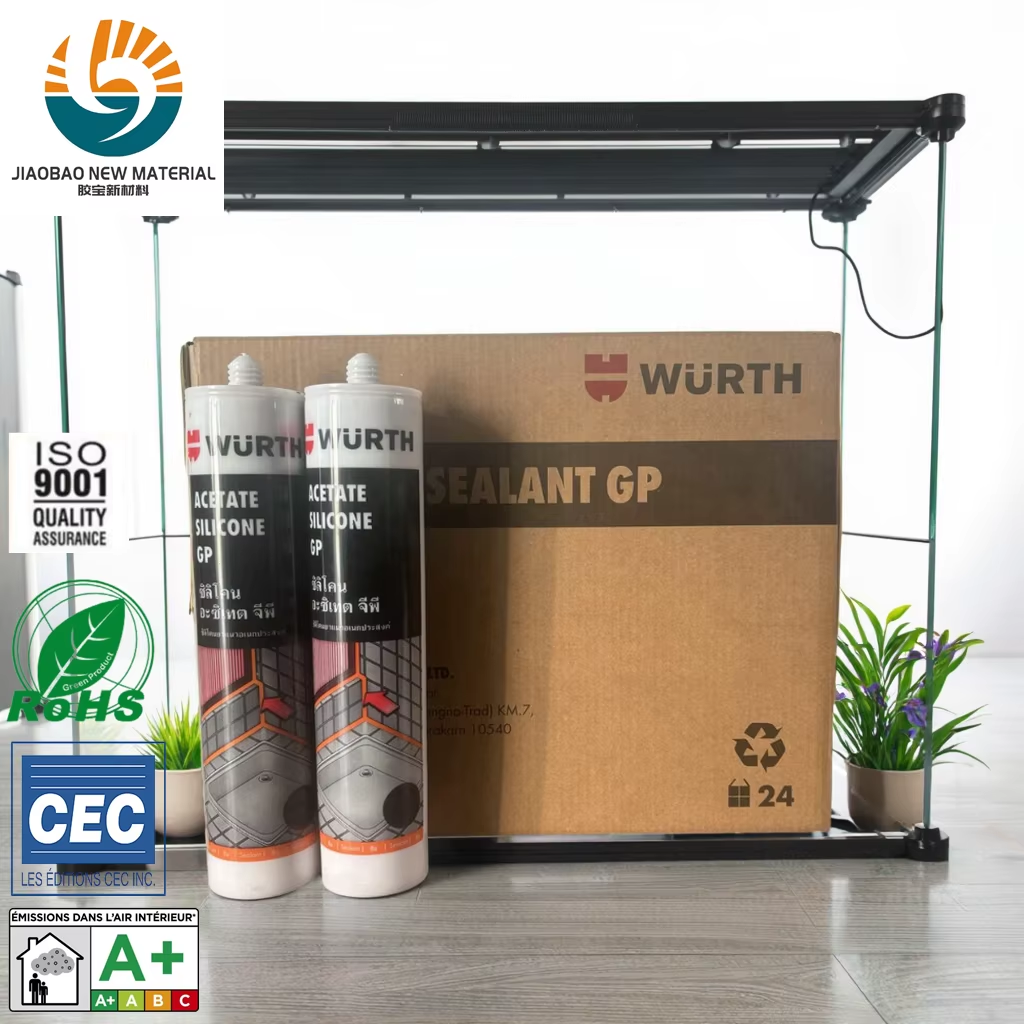
Achieving professional-quality sealing results requires understanding the proper application techniques for GP silicone sealant, a versatile adhesive solution widely used across industrial and commercial applications. This comprehensive guide explores the essential methods, tools, and best practices that ensure optimal performance when working with GP silicone sealant in various environments and substrates.
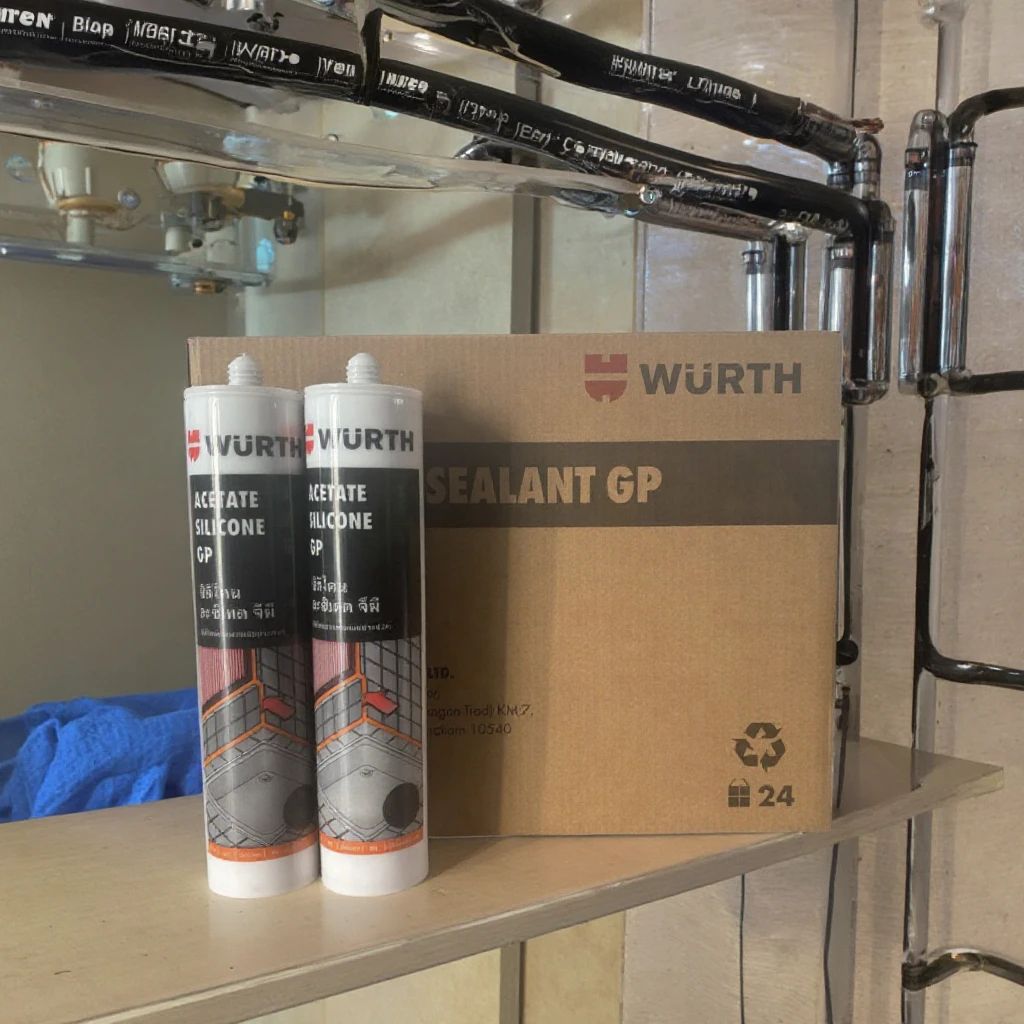
Professional contractors and maintenance teams rely on GP silicone sealant for its exceptional durability, weather resistance, and adhesion properties. The success of any sealing project depends heavily on proper surface preparation, application technique, and curing conditions that maximize the sealant's inherent performance characteristics.
Understanding GP Silicone Sealant Properties
Chemical Composition and Characteristics
GP silicone sealant features a single-component formula that cures through atmospheric moisture exposure, creating a flexible, durable seal resistant to temperature extremes and environmental degradation. The polymer backbone provides exceptional elasticity while maintaining strong adhesion to various substrates including glass, metal, concrete, and ceramic surfaces.
The sealant's thixotropic properties ensure excellent toolability and gap-filling capabilities, making it suitable for both structural glazing and weatherproofing applications. Understanding these fundamental characteristics helps professionals select appropriate application methods and achieve consistent results across different project requirements.
Performance Standards and Specifications
High-quality GP silicone sealant meets stringent industry standards for tensile strength, elongation, and adhesion performance. These specifications ensure reliable long-term performance in demanding environmental conditions while maintaining flexibility throughout the service life of the installation.
Temperature resistance typically ranges from -40°C to +150°C, allowing for use in extreme climate conditions without compromising seal integrity. The sealant also demonstrates excellent UV stability, preventing degradation and discoloration when exposed to continuous sunlight exposure.
Essential Tools and Materials for Application
Required Application Equipment
Professional application of GP silicone sealant requires specific tools designed to ensure uniform distribution and proper finishing. A high-quality caulking gun with adjustable pressure control provides consistent bead placement, while various nozzle sizes accommodate different joint widths and application requirements.
Smoothing tools, including plastic spatulas and finger cots, help create clean, professional-looking finishes while removing excess material. Sharp utility knives enable precise nozzle cutting and old sealant removal, ensuring optimal surface preparation before new application.
Surface Preparation Materials
Proper surface preparation significantly impacts the performance of GP silicone sealant applications. Cleaning solvents, lint-free cloths, and degreasing agents remove contaminants that could compromise adhesion. Masking tape helps create straight, clean lines while protecting adjacent surfaces from inadvertent sealant contact.
Primer solutions may be necessary for certain substrates to enhance adhesion performance, particularly on porous materials or surfaces with challenging bonding characteristics. Professional applicators maintain comprehensive preparation kits to address various substrate conditions encountered in the field.
Step-by-Step Application Process
Surface Preparation Techniques
Begin by thoroughly cleaning all surfaces using appropriate solvents to remove dirt, grease, old sealant residue, and other contaminants that could interfere with adhesion. Allow surfaces to dry completely before proceeding with GP silicone sealant application, as moisture can negatively impact curing and final bond strength.
Remove any loose or deteriorated material from existing joints using mechanical methods such as scraping or grinding. Inspect surfaces for damage or irregularities that might require repair before sealant application, ensuring optimal substrate conditions for maximum performance.
Application Method and Technique
Cut the cartridge nozzle at a 45-degree angle, creating an opening slightly smaller than the desired bead width. Insert the cartridge into the caulking gun and apply steady, consistent pressure while moving at a uniform speed to create an even bead of GP silicone sealant.
Maintain proper standoff distance and angle to ensure complete joint filling without creating voids or air pockets. Work in manageable sections, typically 1-2 meters at a time, to allow for proper tooling before the sealant begins to skin over.
Tooling and Finishing Procedures
Tool the freshly applied GP silicone sealant within 5-10 minutes of application using appropriate smoothing tools or a moistened finger. Apply consistent pressure and movement speed to create uniform bead profile and ensure proper substrate contact throughout the joint length.
Remove masking tape immediately after tooling while the sealant remains workable, pulling at a 45-degree angle to prevent tearing or distortion of the finished bead. Clean excess sealant from tools and surfaces using appropriate solvents before the material fully cures.
Optimizing Curing Conditions
Environmental Factors Affecting Cure
GP silicone sealant cures through moisture absorption from the surrounding atmosphere, making humidity levels and temperature critical factors in cure rate and final performance. Optimal curing occurs at temperatures between 5°C and 40°C with relative humidity levels above 30%.
Extreme temperatures can significantly impact cure characteristics, with high temperatures accelerating surface skinning while potentially creating incomplete cure in thick sections. Cold conditions slow the curing process and may require extended cure times before the sealant reaches full strength and flexibility.
Cure Time Management
Initial skin formation typically occurs within 10-15 minutes under normal conditions, while full cure depth progresses at approximately 2-4mm per 24-hour period. Deep sections or wide joints may require several days to achieve complete cure throughout the entire sealant mass.
Avoid disturbing or loading sealed joints during the initial cure period, as premature stress can cause adhesion failure or compromise the final seal integrity. Plan project schedules to accommodate appropriate cure times based on environmental conditions and joint geometry.
Common Application Challenges and Solutions
Adhesion Issues and Prevention
Poor adhesion represents one of the most common failure modes in GP silicone sealant applications, typically resulting from inadequate surface preparation or contamination. Implement rigorous cleaning protocols and verify surface dryness before application to minimize adhesion-related problems.
Certain substrates may require primer application to achieve optimal bond strength, particularly porous materials or surfaces with low surface energy characteristics. Test adhesion on sample areas when working with unfamiliar substrates to verify compatibility and performance.
Weather-Related Application Considerations
Avoid applying GP silicone sealant during periods of high wind, precipitation, or extreme temperature conditions that could compromise application quality or cure characteristics. Plan outdoor applications during favorable weather windows with stable conditions forecast for the initial cure period.
Protect freshly applied sealant from contamination by dust, debris, or moisture during the vulnerable initial cure phase. Use temporary coverings or enclosures when necessary to maintain optimal curing conditions in challenging environments.
Quality Control and Performance Verification
Post-Application Inspection Procedures
Conduct thorough visual inspections of completed GP silicone sealant installations, checking for proper bead profile, complete joint filling, and absence of voids or air bubbles. Document any deficiencies and implement corrective measures before the sealant fully cures.
Verify proper adhesion by performing gentle pull tests on sample areas after initial cure, ensuring the sealant maintains strong substrate contact without cohesive or adhesive failure. Address any identified problems through additional surface preparation and reapplication as necessary.
Long-Term Performance Monitoring
Establish regular inspection schedules to monitor GP silicone sealant performance over time, identifying early signs of degradation or failure before they compromise system integrity. Look for changes in appearance, flexibility, or adhesion that might indicate performance issues requiring attention.
Maintain detailed records of installation dates, environmental conditions, and substrate types to support performance analysis and future maintenance planning. This data helps optimize application procedures and predict service life for similar installations.
FAQ
What is the typical cure time for GP silicone sealant applications
GP silicone sealant typically develops initial skin formation within 10-15 minutes under normal conditions, with full cure progressing at approximately 2-4mm depth per 24-hour period. Complete cure time depends on joint geometry, environmental conditions, and sealant thickness, with most applications achieving full performance within 7-14 days.
Can GP silicone sealant be applied over existing sealant materials
While GP silicone sealant can sometimes adhere to existing silicone materials, optimal performance requires complete removal of old sealant and proper surface preparation. Different sealant chemistries may not be compatible, potentially leading to adhesion failure or compromised performance over time.
What temperature range is suitable for GP silicone sealant application
GP silicone sealant should be applied within temperature ranges of 5°C to 40°C for optimal results. Extreme temperatures can affect workability, cure rate, and final performance characteristics. Cold conditions slow curing while excessive heat may cause premature skinning before proper tooling is completed.
How should GP silicone sealant be stored for maximum shelf life
Store GP silicone sealant in cool, dry conditions away from direct sunlight and temperature extremes. Unopened cartridges typically maintain performance characteristics for 12-18 months when stored properly at temperatures below 25°C. Verify expiration dates and rotate inventory to ensure optimal material performance during application.