EN
EN



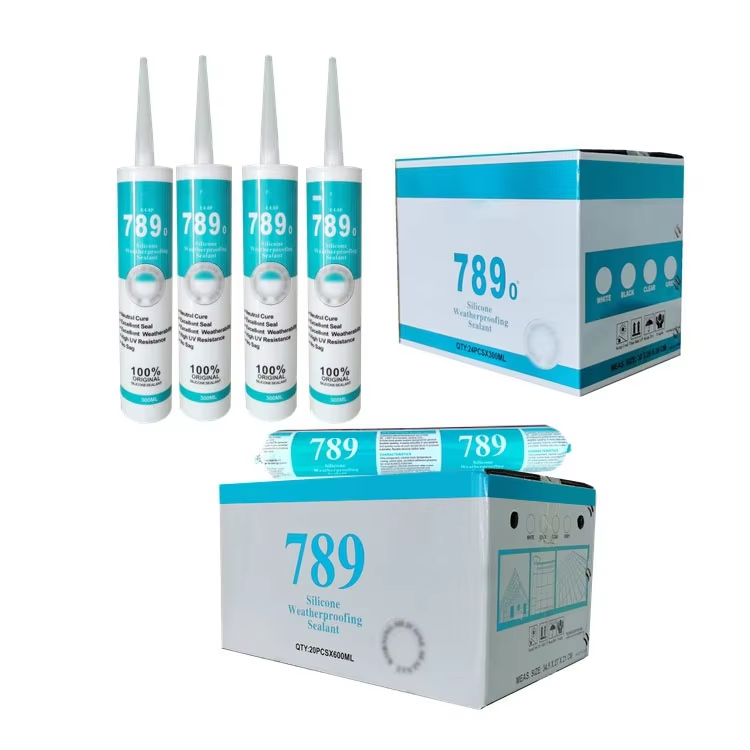
בחירת פתרון איטום המתאים למשטחים שונים דורשת שיקול מחודש של תאימות החומרים, תנאי הסביבה והדרישות לביצוע ארוך טווח. חומר איטום אקרילי מבליט את עצמו כחומר דבק ואיטום רב תכליתי שמספק תוצאות יוצאות דופן על מגוון רחב של סוגי משטחים, מה שהופך אותו לבחירה מועדפת הן עבור קבלנים מקצועיים והן עבור חובבי עשייה עצמית. אקריליק יישומים של חומר איטום אקרילי מאפשרים למשתמשים למקסם את חוזק הדביקה, העמידות והצלחת הפרויקט בכלל.
היעילות של חומר איטום אקרילי משתנה באופן משמעותי בהתאם לתכונות המשטח, לרמות הנקבוביות שלו ולאיכות ההכנה המוקדמת של המשטח. חומרים מסוימים מציגים תאימות יוצאת דופן עם تركובות אקריליות, מה שמביא לחוזק צמד יעיל וארוך טווח. שירות החיים. על ידי זיהוי התאמות המשטח האופטימליות הללו, המשתמשים יכולים להשיג ביצועי איטום ברמה מקצועית תוך הימנעות מתקלות נפוצות באפליקציה שמעורבות כאשר חומרי איטום אינם מתאימים למשטחים לא מתאימים.
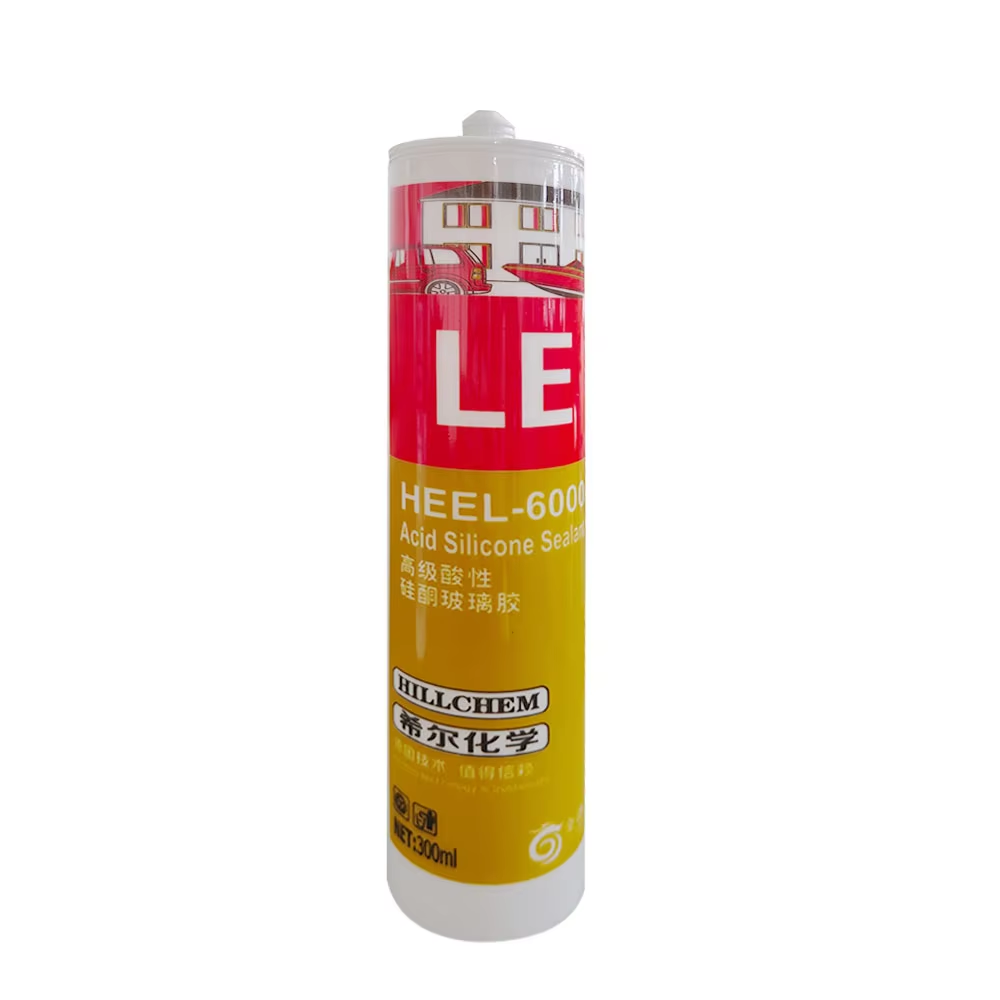
חומר בניין חדיר ותאימות לחומר איטום אקרילי
משטחי אבן ובטון
משטחי אבן, כולל לבנים, בלוקי בטון ובטון מוזרם, מהווים משטחים אידיאליים ליישום חומר איטום אקרילי בשל המבנה החדיר הטבעי שלהם. האופי החדיר של חומרים אלו מאפשר לחומר האיטום האקרילי לחדור מעט לתוך אי-סדירויות המשטח, ויוצר קשרים מכניים שמשלבים את תכונות הדבקות הכימיות. מנגנון הקישור הכפול הזה מביא לתוצאות של איטום חזק ועמיד במיוחד, אשר עמיד בפני מזג אוויר, מחזורים תרמיים ותנודות מבניות.
משטחים בטון נהנים במיוחד מסגירת אקרילית, מכיוון שהטבע האלקלי של הבטון תואם את הכימיה הפולימרית של האקריליק. בניגוד לסוגי סגירות מסוימים שיכולים לדרוס בסביבות עם pH גבוה, הסגירה האקרילית שומרת על גמישותה ועוצמת הדבקות שלה כאשר היא מופעלת על בטון טרי או מבוגר. התכונה הניתנת לנשימה של تركובות אקריליות מאפשרת גם מעבר אדים של לחות, ובכך מונעת נאצול לחות שעשוי להוביל להתדרדרות הבטון או לכשל בסגירה.
דרישות ההכנה ליישומים של בנייה כוללות הסרת חומרים רופפים, אבק ופלורסקנס, תוך ודאות שהמשטח נקי ורטוב קלות. התוכן הקל של הלחות משפר למעשה את הדבקות של הסגירה האקרילית למשטחי בנייה, בכך שמאפשר רטיבות טובה יותר חדירה טובה יותר. קבלנים מקצועיים מ logים בדרך כלל תוצאות אופטימליות על ידי הפעלת חותם אקרילי למשטחי בנייה שנטבלו אך לא נשבעו, מה שיוצר תנאים אידיאליים לפיתוח הקשר המירבי.
יישומים של אבן טבעית
משטחי אבן טבעית, כולל סלע גיר, אבן חול וסוגי גרניט מסוימים, מפגינים תאימות מעולה עם תרכובות איטום אקריליות. הנקבוביות והרכב המינרלי של האבנים הללו יוצרים תנאים מתאימים להדבקת פולימרים אקריליים ולעמידות ארוכת טווח. משטחי אבן שאוטמו באמצעות איטום אקרילי נהנים משיפור בהתנגדות למטאורולוגיה, תוך שימור המראה הטבעי והיכולת לנשוף.
סלע גיר ואבן חול נהנים במיוחד מאיטום אקרילי, מכיוון שחלקי החומר הללו משתפים מאפיינים דומים של התפשטות תרמית עם פולימרים אקריליים. תאימות זו מפחיתה את ריכוזי המתח בנקודת המגע בין האיטום לחומר הבסיס במהלך תנודות טמפרטורה, מה שמייצג את חיי האיטום ומונע כשל מוקדם. האופי הסlightly אלקלי של סלע הגיר מספק גם הוא סביבה כימית מתאימה לקיבוע האיטום האקרילי וליציבות ארוכת טווח.
הכנה של המשטח לאבן טבעית כוללת ניקוי תמציתי כדי להסיר אבק, צמיחה אורגנית ושאריות של חומרי איטום קודמים. הנקבוביות הטבעית של רוב האבנים הטבעיות מבטלת את הצורך בעיבוד מכני שמייצר קציצות, אך המשטחים חייבים להיות יבשים לחלוטין לפני יישום חומר האיטום האקרילי. תוצאות מקצועיות דורשות תשומת לב מדויקת לעיצוב המפרקים ולעומק חומר האיטום כדי לאפשר תנועה של האבן תוך שמירה על שלמות איטום התנאים האטמוספריים.
בסיסי עץ וביצועי חומר איטום אקרילי
יישומי עץ רך ועץ קשה
משטחי עץ מייצגים קטגוריה נוספת שבה חומר איטום אקרילי מספק ביצועים מעולים הודות לתאימות חומרים טבעיים ומאפייני התפשטות. הן משטחי עץ רך והן משטחי עץ קשה נהנים מיישומי חומר איטום אקרילי, במיוחד ביישומים חיצוניים שבהם עמידות בפני מזג אוויר וגמישות הם גורמי ביצועים קריטיים. האופי האורגני של העץ יוצר תאימות טבעית עם כימיה של פולימר אקרילי, וכתוצאה מכך הידבקות ראשונית חזקה וגמישות נשמרת לאורך זמן.
מיני עץ רך, כולל אשוח, אדר ואורן, מפגינים הדבקה מעולה של איטום אקרילי בשל מבנה הגרגירים הפתוח שלהם ותכולת הרזין המoderate. הנקבוביות הטבעית מאפשרת חדירה קלה של האיטום האקרילי, מה שמייצר חיבור מכני שמשלים את הקישור הכימי. יישומים של עץ רך נהנים מהיכולת של האיטום האקרילי להתאים את עצמו לתנועת העץ במהלך השינויים העונתיים ברמת הלחות, מבלי לאבד את שלמות האיטום או לפתח סדקים מתח.
יישומים של עץ קשה דורשים שיקול מחודש של מאפיינים ספציפיים למדרגה, כיוון שחלק מעצי היער הקשיחים מכילים שמן טבעי או חומרים מופרשים שיכולים לפגוע בדביקות החומר המלט. עם זאת, רוב מדרגות העץ הקשיח הנפוצות, כולל אלון, אדר ועפרון, מהוות בסיס מעולה לחומר מלט אקרילי כאשר הם מוכנים כראוי. המבנה הצפוף של עצי היער הקשיח יוצר חיבורים עמידים וארוכים טווח שמתנגדים לנזק מכני ומשמרים את המראה לאורך תקופת שירות ממושכת.
מוצרי עץ מהונדסים
עץ מעובד מוצרים כולל פאנלים מצופים, פאנלים מקליפות מכוונות (OSB) ופאנלים סיבתיים בצפיפות בינונית (MDF) מפגינים תאימות יוצאת דופן עם تركובות חומר מלט אקרילי. מוצרים מוגנים אלו מציעים מאפייני פנים אחידים והתנהגות נפחית צפויה, מה שהופך אותם לבסיס אידיאלי ליישומי חיבור קריטיים. הצפיפות האחידה והרطיבות המ kontroliert של מוצרי עץ מהונדסים מבטלת מגוון משתנים שעלולים להשפיע על ביצועי חומר המלט על פני עץ טבעי.
פני פליז עמידים במיוחד מהחומר המניע האקרילי, מכיוון שהמבנה השכבותי שלהם מספק יציבות ממדית תוך שמירה על נקבוביות משטחית מספקת הדבקה מכנית. כיוון הגבישים המתחלף בפליז מפחית את ההתפשטות וההתכווצות הכוללות, ויוצר תנאים יציבים יותר למסתור שמאפשרים להאריך את תקופת השירות של החומר המניע האקרילי. קבלנים מקצועיים מציינים לעתים קרובות חומר מניע אקרילי ליישומים של פליז בסביבות מאתגרות שבהן יציבות ממדית היא קריטית.
הכנה של המשטח לעץ הנדסי כוללת סANDING קל כדי להסיר שאריות ייצור וליצור טקסטורה אחידה של המשטח. התהליך המנוהל של היצרנות של מוצרים אלו מבטל בדרך כלל את הצורך בנקיה מקיפה, אך הסרת האבק נשארת חיונית להדבקה אופטימלית של החומר המניע האקרילי. הכנה מתאימה מבטיחה שהחומר המניע יתחבר ישירות לסיבי העץ ולא לשכבות מזוהמות שיכולות לפגוע בביצועים ארוכי הטווח.
הדבקת משטחים מתכתיים וחומר איטום אקרילי
משטחים מתכתיים מופעמים ומצוידים בצבע
משטחים מתכתיים מופעמים ומצוידים בצבע מהווים בסיס מצוין לאפליקציות חומר איטום אקרילי, בתנאי שנעשה הכנה מתאימה של המשטח ונשתמש במערכות פрайמר תואמות. המפתח לאיטום מוצלח של מתכת הוא יצירת שכבת פריימר יציבה ודביקה אשר פועלת כממשק בין המשטח המתכתי לחומר האיטום האקרילי. מערכות פריימר איכותיות שתוכננו לתאימות עם חומרים אקריליים מבטיחות הדבקה חזקה כבר בשלב הראשוני ועמידות ארוכת טווח בתנאים סביבתיים קשים.
משטחים מפלדה עם שichten פרימר מתאימות מציגים ביצועי איטום אקריליים יוצאי דופן הודות ליציבות הממדית ולחוזק המבנה של המשטח. האופי הקשיח של הפלדה מבטל את תנועת המשטח שיכולה ללחוץ על הקשר האיטום, מה שמאפשר לתרכובת האקרילית לפעול באופטימום מבחינת איטום נגד מזג אוויר ואריכות חיים. ביישומים מקצועיים נהוג לשלב משטחי פלדה עם איטום אקרילי בעל ביצועים גבוהים כדי להשיג תקופת שירות העולה על עשרים שנה בתנאי סביבה מתונים.
לפני עיבוד שטחים מאלומיניום יש להשתמש בפרייםרים מיוחדים שנועדו לקדם את הדבקות של איטום אקרילי תוך מניעת קורוזיה גלוונית. השכבה האוקסידית הטבעית על האלומיניום מספקת הגנה מסוימת, אך אינה תמיד יוצרת תנאי אידיאליים לדבקות ישירה של איטום אקרילי. בחירת הפריימר הנכון ותהליך הפעלתו יוצרים כימיה משטחית אופטימלית לדבקות האיטום האקרילי, תוך שמירה על התנגדות הקורוזיה שהופכת את האלומיניום למתאים ליישומים בנייניים.
יישומים של מתכות מגלוניות ומכוסות
משטחים מפלדה מגולוונת מציגים הזדמנויות ייחודיות ליישום איטומים אקריליים בשל תכונות התחשפות לטבע של שכבת האבץ ותכונות אנרגיית המשטח. משטחים חדשים מגולוונים דורשים תחשפות או טיפול כימי כדי לפתח תנאים אופטימליים לדבקות האיטום האקרילי, אך פלדה מגולוונת שהוכנה כראוי מספקת עשרות שנים של ביצועי איטום מהימנים. התנגדות הקורוזיה של השכבות המגולוונות משלימה את התנגדות האקלים של تركובות האיטום האקרילי, ויוצרת מערכות בעלות עמידות יוצאת דופן.
משטחים מתכתיים מוכסים בצבע אבקה מציגים תאימות מעולה עם חומר איטום אקרילי כאשר מערכת הכיסוי מעוצבת ליישומים חיצוניים. צבע האבקה המוקשה מספק משטח יציב ותואם כימית, שמעודד הדבקה חזקה של חומר האיטום האקרילי תוך תרומה לעמידות נוספת בפני קרינה فوق סגולה וליציבות צבע. מערכות שילוב אלו יעילות במיוחד ביישומים אדריכליים שבהם שימור המראה והביצוע לאורך זמן הם חשובים באותה מידה.
הכנה לפני עיבוד למתכות מכוסות כוללת ניקוי מקיף להסרת שאריות ייצור, זיהום סביבתי וחלקיקים רופפים של כיסוי. תהליך ההכנה חייב להימנע מהשמדת הכיסוי, תוך יצירת תנאי משטח אופטימלי להדבקת חומר האיטום האקרילי. קבלנים מקצועיים משתמשים לעיתים קרובות בממסים מיוחדים לניקוי ובטכניקות הכנה מיוחדות למשטח כדי להשיג הדבקה מקסימלית של חומר האיטום האקרילי על תת-הבסיסים המתכתיים המכוסים.
חומרים סינתטיים ותאימות לאקריל
יישומים של ויניל וPVC
משטחים של ויניל ו-PVC מהווים תת-שכבות מאתגרות אך ניתנות לניהול ליישומי איטום אקריליים, בתנאי שננקטים הכנות משטח נאותות ובוחרים את הנוסחה המתאימה. חומרים סינתטיים אלו מפיקים תועלת מהגמישות והתנגדות למטאורולוגיה של איטום אקרילי, אך כדי להשיג הדבקה אופטימלית יש להתייחס בקפידה לגורמים הקשורים לאנרגיית המשטח והתאמות כימיות. האנרגיה הנמוכה של משטחי הויניל דורשת טכניקות הכנת משטח שמעודדות רטיבות והדבקה מכנית.
יישומים של PVC קשיח, כולל מסגרות חלונות, גזעים ופאנלים לקצה, מפגינים תאימות טובה עם תרכובות איטום אקריליות שנועדו למשטחים סינטטיים. היציבות הממדית והתנגדות ה-UV של ה-PVC הקשיח מתאימות לתכונות הביצועים של איטום אקרילי איכותי, ויוצרות מערכות איטום עמידות המתאימות לחשיפה חיצונית ארוכת טווח. יישומים אלו נהנים במיוחד מהיכולת של איטום אקרילי לשמור על גמישות תוך כדי סיפוק ביצועי איטום מمتازים בפני תנאי מזג האוויר.
משטחים גמישים מוויניל דורשים تركובות איטום אקריליكيות متخصصות שיכולים לקלוט את תנועת היסודות ללא איבוד הדבקה או היווצרות מרכזים של מתח. המלחלחים המשמשים בוויניל הגמיש יכולים לנדוד לתוך סוגי איטום מסוימים, אך איטום אקריליكي מתוכנן כראוי עמיד בפני נדידת מלחלחים תוך שמירה על חוזק הדבקה. קבלנים מקצועיים בוחרים דרגות איטום אקריליكي שתוכננו במיוחד ליישומים על יסודות גמישים כדי להבטיח ביצוע אופטימלי לאורך זמן.
צמנט סיבי וחומרים מרוכבים
מוצרי קירות חיצוניים ומסגרות מצלחת סיבי-צמנט מספקים תת-שכבות מצוינות ליישום איטומים אקריליים בשל היציבות הממדית שלהם והתכונות המשטחיות שמעודדות הדבקה חזקה. חומרים מהונדסים אלו משלבים את התנגדות הצמנט ליסודות עם היכולת לעבד של מוצרים מבוססי עץ, ויוצרים תנאים אידיאליים להדבקת איטומים אקריליים ולביצוע ארוך טווח. האופי האלקלי של רכיבי הצמנט יוצר תנאים תואמים כימית ליציבות הפולימר האקרילי.
חומר סגירה ותאורה מרוכבים מפגינים תאימות משתנה עם איטום אקרילי, בהתאם לנוסחה הספציפית ולעיבוד המשטח שנעשה במהלך היצרנות. חומרים מרוכבים של עץ-פלסטיק מספקים בדרך כלל משטחים טובים לאיטום אקרילי, בתנאי שמעבדים את המשטח כראוי על-מנת להסיר שאריות יצרנות וליצור אנרגיית משטח מספיקה כדי לאפשר רטיבות מלאה. היציבות הממדית של חומרים מהונדסים אלו מפחיתה את המתח על מפרצי האיטום, וממשיכה את תקופת השירות שלהם ומשמרת את המראה.
הכנה של משטח לחומרים סינתטיים כוללת לעתים קרובות ניקוי בממס ולאחריו גריסה קלה כדי להגדיל את שטח המשטח ולשפר את הדבקות המכנית. חלק מהמשטחים הסינתטיים מפיקים תועלת מיישום פרימר, במיוחד כאשר נדרשת ביצועיות ארוכת טווח בסביבות מאתגרות. קבלנים מקצועיים מעריכים כל חומר סינתטי בנפרד כדי לקבוע את שיטות ההכנה והיישום האופטימליות לביצוע מקסימלי של האיטום האקרילי.
שאלה נפוצה
אילו סוגי משטחים יש להימנע מהם בעת שימוש בחומר איטום אקרילי?
יש להימנע משימוש בחומר איטום אקרילי על משטחים בעלי תכולת שמן גבוהה, כגון עצים שומניים כמו טיק או ארז, אלא אם נעשתה הכנה מתאימה מראש, ועל משטחים הנמצאים במגע מתמיד עם מים. משטחים לא חדירים כמו זכוכית, אריחים מצופים ומתכות מפולishes בדרך כלל דורשים חומר מקדים (פריימר) או סוגי חומרי איטום חלופיים כדי להשיג הדבקה אופטימלית. בנוסף, משטחים המתחווים למחזורים תרמיים קיצוניים או לתנועות מבניות עלולים שלא להיות מתאימים לנוסחאות סטנדרטיות של חומרי איטום אקריליים.
איך אני מכין משטחים שונים כדי להשיג הדבקה אופטימלית של חומר איטום אקרילי?
הכנה לפני השטח משתנה בהתאם למשטח הבסיס, אך בדרך כלל כוללת ניקוי תמים כדי להסיר אבק, שמן, חלקיקים רופפים ושאריות של חומר איטום קודם. משטחים ספוגים כמו בטון ועץ חייבים להיות נקיים וקצת לחים, בעוד שמשטחים לא ספוגים עשויים לדרוש קילוף קל או יישום פרימר. על משטחים ממתכת יש להסיר לחלוטין את החידוד, את הסקלה המمعدנית או זיהומים אחרים, ולאחר מכן ליישם פרימר מתאים אם צוין על ידי היצרן.
האם ניתן להשתמש בחומר איטום אקרילי גם ביישומים פנימיים וגם חיצוניים?
כן, חומר איטום אקרילי מתאים לשימוש הן ביישומים פנימיים והן חיצוניים, אף על פי שגרסאות מסוימות עשויות להיות מותאמות במיוחד לסביבות שונות. חומר איטום אקרילי לישומים חיצוניים כולל יציבי UV וחומרים מתוספים עמידים למטאורולוגיה, בעוד שגרסאות פנימיות עשויות לשים דגש על ריח נמוך ועל התאמה לצביעה. התאימות למשטח נשארת זהה בין יישומים פנימיים לחיצוניים, אך דרישות החשיפה לסביבה צריכות לכוון את בחירת המוצר.
מהו טווח החיים הרגיל של איטום אקרילי על משטחים שונים?
טווח החיים משתנה באופן משמעותי בהתאם לסוג המשטח, לתנאי הסביבה ולאיכות האפליקציה. על משטחים ספוגים תואמים כגון בנייה ואבן, איטום אקרילי שמופעל כראוי יכול לספק 15–25 שנה של איטום יעיל. על משטחים לא ספוגים או בתנאי סביבה קשים, טווח החיים עלול להקטן ל-8–15 שנה. בדיקות שגרתיות ותחזוקה, כולל ניקוי ותיקונים קלים, יכולות להאריך את טווח החיים היעיל של התקנות איטום אקרילי על כל סוגי המשטחים.