EN
EN



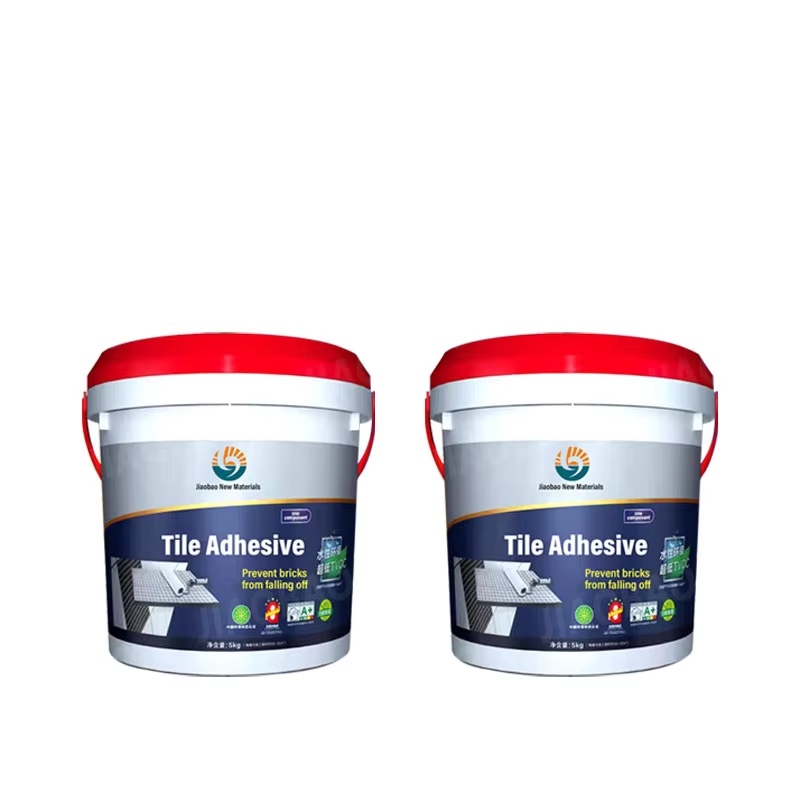
Building maintenance represents one of the most significant ongoing expenses for property owners and facility managers worldwide. Among the various strategies available to reduce these costs, the strategic use of silicone sealant stands out as a particularly effective approach. This versatile sealing solution offers exceptional durability, weather resistance, and longevity that can dramatically decrease the frequency of repairs and replacements required in building maintenance programs.
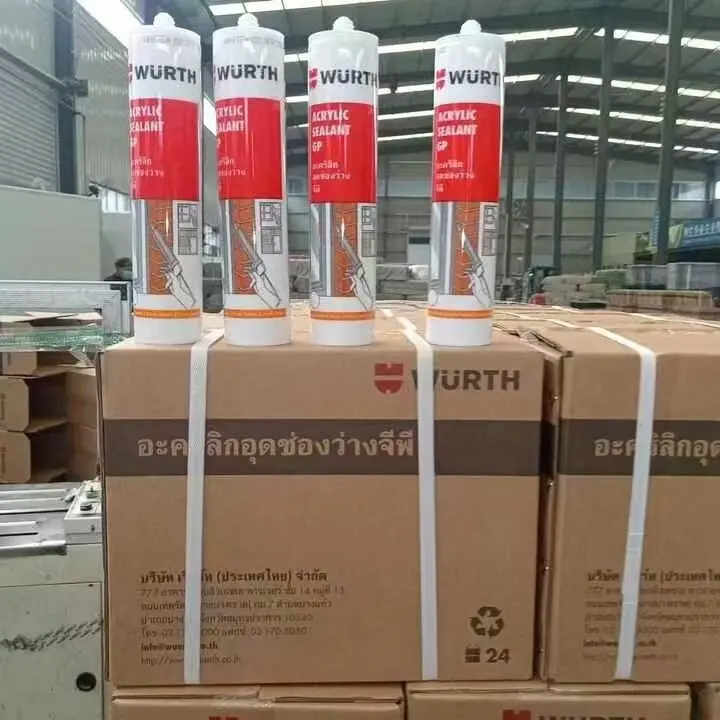
The financial impact of proper sealing cannot be overstated in commercial and residential construction. When buildings lack adequate sealing, they become vulnerable to water infiltration, air leakage, and structural deterioration that can cost thousands of dollars in emergency repairs. Professional contractors and building owners increasingly recognize that investing in high-quality silicone sealant during initial construction and routine maintenance cycles delivers substantial long-term savings compared to reactive repair strategies.
Understanding the Economics of Silicone Sealant Applications
Initial Investment versus Long-Term Savings
The cost-effectiveness of silicone sealant becomes apparent when analyzing total lifecycle expenses rather than focusing solely on upfront material costs. While premium silicone sealant products may require a higher initial investment compared to cheaper alternatives, their superior performance characteristics translate into significantly reduced maintenance requirements over decades of service life. This economic principle applies across various building applications, from window glazing to structural joint sealing.
Professional building managers report that structures sealed with high-grade silicone sealant require maintenance interventions 60-70% less frequently than those using inferior sealing materials. This reduction in maintenance frequency directly correlates with lower labor costs, reduced material consumption, and minimized building downtime. The cumulative effect of these savings often exceeds the initial premium investment within the first five years of building operation.
Quantifying Maintenance Cost Reductions
Detailed cost analysis studies conducted across multiple building types demonstrate the measurable impact of quality silicone sealant on maintenance budgets. Commercial office buildings utilizing comprehensive silicone sealing systems report average annual maintenance cost reductions of 25-40% compared to buildings relying on traditional sealing methods. These savings stem from reduced water damage incidents, improved energy efficiency, and extended intervals between major renovation projects.
The economic benefits extend beyond direct maintenance expenses to include reduced insurance claims, improved tenant satisfaction, and enhanced property values. Buildings with superior sealing systems experience fewer weather-related damage incidents, resulting in lower insurance premiums and reduced deductible payments. Additionally, the improved indoor environment quality achieved through effective sealing contributes to higher tenant retention rates and premium rental pricing opportunities.
Critical Building Applications for Maintenance Cost Reduction
Exterior Envelope Sealing Systems
The building envelope represents the primary defense against environmental elements, making it a critical area for silicone sealant application. Properly sealed exterior walls, window systems, and roofing assemblies prevent water infiltration that would otherwise cause extensive structural damage, mold growth, and insulation degradation. The preventive protection provided by strategic silicone sealing eliminates the need for costly remediation projects that can disrupt building operations for weeks or months.
Window and door perimeters sealed with professional-grade silicone sealant maintain their weatherproofing integrity for 15-20 years under normal conditions, compared to 3-5 years for conventional caulking materials. This extended service life reduces the frequency of re-sealing projects while maintaining superior protection against air and water infiltration. The result is sustained energy efficiency performance and elimination of premature window replacement due to frame deterioration.
Interior Moisture Control Applications
Interior applications of silicone sealant play an equally important role in maintenance cost reduction, particularly in high-moisture environments such as bathrooms, kitchens, and mechanical rooms. Proper sealing of these areas prevents moisture migration into building structures where it can cause hidden damage that becomes expensive to remediate. The mold and mildew resistance properties of quality silicone sealant eliminate ongoing cleaning and treatment expenses while maintaining healthy indoor air quality.
Commercial kitchens and food service facilities benefit significantly from comprehensive silicone sealing programs that protect against grease penetration and facilitate easy cleaning maintenance. The non-porous surface characteristics of cured silicone sealant resist bacterial growth and chemical degradation, reducing sanitization costs and extending the service life of surrounding building materials. These properties make silicone sealing an essential component of cost-effective facility management in hospitality and healthcare industries.
Performance Characteristics That Drive Cost Savings
Durability and Weather Resistance
The exceptional durability of silicone sealant stems from its unique molecular structure that maintains flexibility and adhesion under extreme temperature variations, UV exposure, and chemical contact. This stability translates directly into reduced maintenance costs by eliminating the failure modes common to other sealing materials. While organic sealants may crack, shrink, or lose adhesion within a few years, properly formulated silicone sealant maintains its protective seal for decades without significant degradation.
Temperature cycling represents one of the most destructive forces affecting building seals, with daily expansion and contraction movements gradually compromising inferior materials. Silicone sealant accommodates these movements through its inherent elasticity, maintaining continuous contact with substrate surfaces even under severe thermal stress. This movement capability prevents the formation of gaps that would otherwise allow water infiltration and subsequent structural damage requiring expensive repairs.
Chemical Resistance and Longevity
The chemical stability of silicone sealant provides crucial protection in industrial and commercial environments where exposure to cleaning chemicals, pollutants, and process materials can rapidly degrade conventional sealing systems. This resistance characteristic eliminates the need for frequent replacement cycles while maintaining consistent protective performance throughout the building's operational life. The result is predictable maintenance scheduling and reduced emergency repair incidents that disrupt building operations.
Ultraviolet radiation exposure represents another significant challenge for building seals, particularly on south-facing facades and roofing applications. Quality silicone sealant formulations incorporate UV-stable additives that prevent photochemical degradation, maintaining their protective properties and appearance for extended periods. This UV resistance eliminates the premature failure and discoloration issues that plague other sealing materials, reducing both replacement costs and aesthetic maintenance requirements.
Strategic Implementation for Maximum Cost Benefit
Professional Application Techniques
Achieving maximum cost reduction benefits from silicone sealant requires proper application techniques that ensure optimal adhesion and performance longevity. Professional contractors understand that surface preparation represents the most critical factor in sealant performance, often accounting for 80% of long-term success. Inadequate surface cleaning or preparation can compromise even the highest quality silicone sealant, leading to premature failure and negating potential cost savings.
The application environment significantly influences silicone sealant curing and final performance characteristics. Temperature, humidity, and contamination levels during application affect the chemical crosslinking process that develops the material's final properties. Professional installation crews monitor these conditions carefully and adjust application procedures accordingly to ensure optimal results. This attention to detail prevents callbacks and warranty claims that would otherwise increase total project costs.
Quality Control and Performance Monitoring
Implementing quality control procedures during silicone sealant application ensures that potential issues are identified and corrected before they develop into costly maintenance problems. Regular inspection protocols allow facility managers to detect early signs of seal degradation and schedule preventive maintenance before failure occurs. This proactive approach maintains building protection while minimizing disruption and emergency repair expenses.
Documentation of silicone sealant applications provides valuable data for optimizing maintenance schedules and budget planning. Tracking the performance history of different application areas helps identify patterns and predict future maintenance requirements with greater accuracy. This information enables more precise budget allocation and helps justify investments in premium sealing materials based on demonstrated cost savings and performance benefits.
Environmental and Energy Efficiency Benefits
Air Sealing and Energy Conservation
The air sealing capabilities of silicone sealant contribute significantly to building energy efficiency improvements that translate into measurable utility cost reductions. Uncontrolled air infiltration through building envelope gaps can account for 25-40% of total heating and cooling energy consumption in commercial buildings. Comprehensive sealing with quality silicone sealant eliminates these energy losses while improving indoor comfort conditions and reducing HVAC system workload.
Energy efficiency improvements achieved through proper silicone sealing often qualify for utility rebates and tax incentives that further enhance the economic benefits of these investments. Many jurisdictions offer financial incentives for building envelope improvements that reduce energy consumption, making comprehensive silicone sealing projects even more cost-effective. These programs recognize the environmental and economic benefits of improved building performance through superior sealing systems.
Indoor Air Quality and Health Benefits
The contribution of silicone sealant to improved indoor air quality generates additional cost savings through reduced sick building syndrome incidents and improved occupant productivity. Uncontrolled moisture infiltration through inadequate sealing can create conditions conducive to mold growth and indoor air contamination. Effective sealing with silicone sealant prevents these moisture problems while maintaining healthy indoor environments that reduce healthcare costs and absenteeism.
Commercial buildings with superior air sealing achieve higher indoor air quality ratings that can command premium lease rates and attract quality tenants. The improved environmental conditions made possible by comprehensive silicone sealing contribute to enhanced building marketability and long-term asset value preservation. These benefits compound over time, creating substantial financial returns on sealing investments that extend far beyond direct maintenance cost savings.
FAQ
What is the typical lifespan of silicone sealant in building applications
High-quality silicone sealant typically provides 15-25 years of reliable service in building applications when properly applied and maintained. The actual lifespan depends on factors such as exposure conditions, substrate materials, and application quality. Premium formulations designed for commercial building use often exceed these timeframes, particularly when protected from direct weathering and mechanical damage. Regular inspection and minor touch-up maintenance can extend service life even further, maximizing the cost-effectiveness of the initial investment.
How does silicone sealant compare to other sealing materials in terms of cost-effectiveness
While silicone sealant may have higher initial material costs compared to acrylic or polyurethane alternatives, its superior longevity and performance characteristics make it more cost-effective over the building's lifecycle. The reduced frequency of replacement and maintenance interventions typically results in 40-60% lower total sealing costs compared to inferior materials. Additionally, the superior weather resistance and movement capability of silicone sealant prevent costly building damage that could occur with failing seals from other materials.
Can silicone sealant applications be integrated into existing building maintenance programs
Silicone sealant applications integrate seamlessly into existing preventive maintenance programs, often simplifying scheduling due to their extended service intervals. Facility managers can develop comprehensive sealing maintenance plans that coordinate with other building systems maintenance for maximum efficiency. The predictable performance characteristics of quality silicone sealant enable accurate budget forecasting and resource allocation, improving overall maintenance program effectiveness while reducing costs.
What factors should be considered when selecting silicone sealant for cost-effective building maintenance
Selecting cost-effective silicone sealant requires evaluation of performance requirements, environmental conditions, and substrate compatibility for each specific application. Factors such as movement capability, temperature range, chemical resistance, and cure time affect both initial installation success and long-term performance. Working with experienced suppliers who can recommend appropriate formulations for specific building applications ensures optimal cost-effectiveness through proper material selection and application guidance that maximizes performance longevity.
Table of Contents
- Understanding the Economics of Silicone Sealant Applications
- Critical Building Applications for Maintenance Cost Reduction
- Performance Characteristics That Drive Cost Savings
- Strategic Implementation for Maximum Cost Benefit
- Environmental and Energy Efficiency Benefits
-
FAQ
- What is the typical lifespan of silicone sealant in building applications
- How does silicone sealant compare to other sealing materials in terms of cost-effectiveness
- Can silicone sealant applications be integrated into existing building maintenance programs
- What factors should be considered when selecting silicone sealant for cost-effective building maintenance