EN
EN



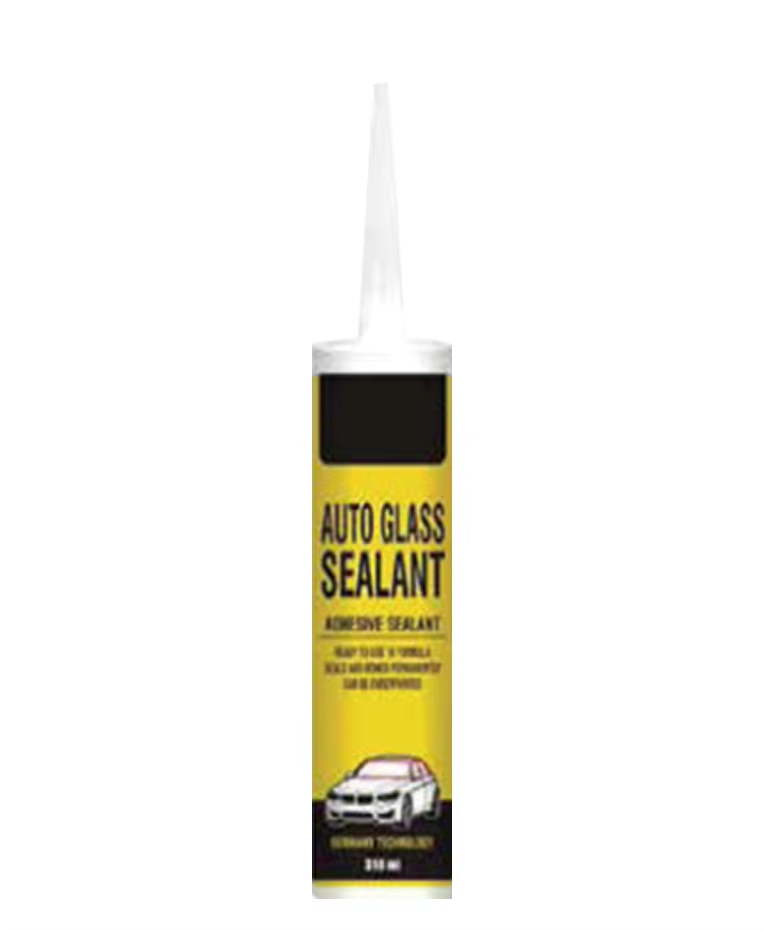
Moisture infiltration poses one of the most significant threats to structural integrity and surface durability across residential, commercial, and industrial applications. When water penetrates building materials, it can cause extensive damage including rot, mold growth, corrosion, and structural weakening. Understanding how sealant silicone provides effective moisture protection is crucial for property owners, contractors, and maintenance professionals seeking reliable waterproofing solutions. This comprehensive protection mechanism involves advanced polymer chemistry and strategic application techniques that create impermeable barriers against water intrusion.
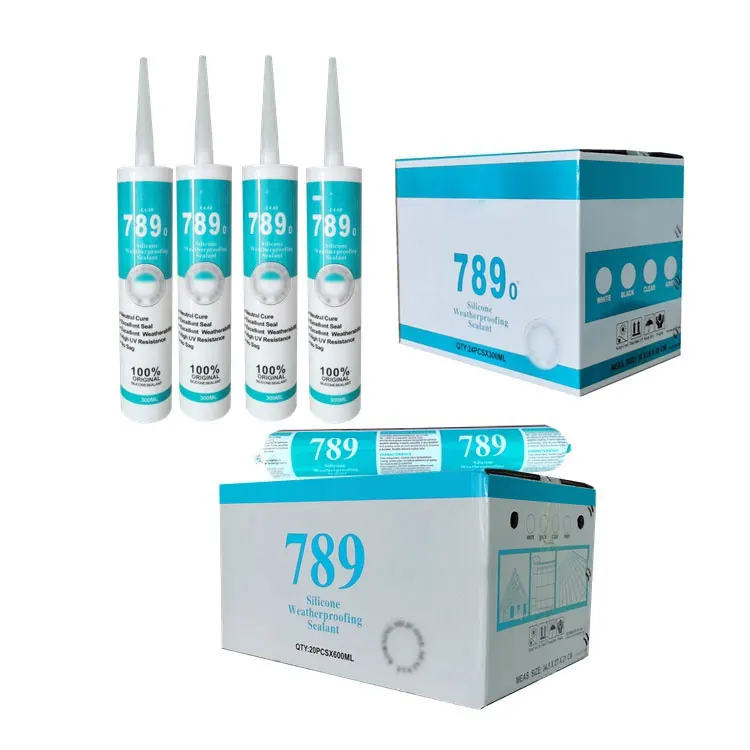
Understanding the Science Behind Silicone Moisture Protection
Molecular Structure and Water Repellency
The effectiveness of sealant silicone in moisture protection stems from its unique molecular structure comprising silicon-oxygen backbone chains. These siloxane bonds create a highly flexible polymer network that exhibits exceptional hydrophobic properties. Unlike organic sealants that may absorb water over time, silicone maintains its water-repelling characteristics through temperature fluctuations and prolonged exposure to moisture. The molecular arrangement allows sealant silicone to form tight adhesion with various substrates while preventing water molecules from penetrating through the sealed interface.
The hydrophobic nature of silicone polymers results from the low surface energy of the material, causing water droplets to bead up and roll off rather than spreading across the surface. This phenomenon, known as the lotus effect, ensures that moisture cannot establish prolonged contact with protected surfaces. Advanced formulations of sealant silicone incorporate additional water-repelling agents that enhance this natural property, creating an even more effective barrier against moisture intrusion.
Elasticity and Movement Accommodation
Building materials naturally expand and contract due to temperature changes, settling, and environmental stresses. Traditional rigid sealants often crack under these conditions, creating pathways for moisture infiltration. Sealant silicone addresses this challenge through exceptional elasticity that allows the material to stretch and compress while maintaining seal integrity. This flexibility ensures continuous moisture protection even when structural components move or shift over time.
The elastic properties of silicone sealants enable them to accommodate joint movement of up to 25% in either direction without losing adhesion or developing cracks. This remarkable flexibility makes sealant silicone ideal for sealing expansion joints, window frames, and other dynamic interfaces where rigid sealants would fail. The material's ability to return to its original shape after deformation ensures long-term moisture protection throughout the building's lifecycle.
Applications and Performance in Different Environments
Exterior Building Envelope Protection
The building envelope represents the primary defense against moisture intrusion, and sealant silicone plays a critical role in maintaining this protective barrier. Exterior applications include sealing around windows, doors, siding joints, and penetrations where different materials meet. The superior weather resistance of silicone sealants ensures consistent performance under extreme conditions including UV radiation, temperature cycling, and precipitation exposure.
Weather-resistant formulations of sealant silicone maintain their physical properties and adhesion strength for decades without significant degradation. This longevity makes silicone an economical choice for exterior moisture protection, reducing maintenance costs and preventing costly water damage repairs. The material's resistance to ozone, UV radiation, and temperature extremes ensures reliable performance across diverse climate conditions from arctic cold to desert heat.
Interior Moisture Control Systems
Interior applications of sealant silicone focus primarily on areas with high humidity exposure such as bathrooms, kitchens, and utility rooms. These environments present unique challenges due to consistent moisture exposure and temperature fluctuations from hot water usage and steam generation. Silicone sealants designed for interior use often incorporate mold and mildew resistance additives that prevent fungal growth while maintaining moisture barrier properties.
The non-porous nature of cured sealant silicone prevents water absorption that could lead to material degradation or provide nutrients for microbial growth. This characteristic is particularly important in shower enclosures, tub surrounds, and kitchen backsplashes where regular cleaning and moisture exposure occur. High-quality silicone formulations maintain their appearance and performance even under aggressive cleaning regimens and constant humidity exposure.
Installation Techniques for Maximum Moisture Protection
Surface Preparation and Compatibility
Achieving optimal moisture protection with sealant silicone requires proper surface preparation and material compatibility assessment. Clean, dry surfaces free from contaminants, old sealant residue, and loose materials provide the foundation for effective adhesion. Different substrate materials may require specific primers or surface treatments to ensure maximum bond strength and moisture barrier effectiveness.
Compatibility testing becomes crucial when sealing between different materials such as metal to concrete or glass to wood. Some substrates may require primer application to enhance adhesion, while others work well with direct sealant silicone application. Understanding these compatibility requirements ensures long-term moisture protection performance and prevents premature seal failure.
Application Methods and Curing Considerations
Proper application technique significantly impacts the moisture protection effectiveness of sealant silicone. Consistent bead size, adequate joint filling, and smooth tooling create uniform barriers without weak points or air pockets. Temperature and humidity conditions during application affect curing time and final seal quality, requiring careful timing and environmental consideration for optimal results.
Curing progression from the outside surface inward means that thicker applications require longer cure times to achieve full moisture resistance. Adequate ventilation during curing allows proper cross-linking of silicone polymers, ensuring maximum strength and moisture barrier properties. Understanding these curing dynamics helps installers optimize application procedures for specific environmental conditions and project requirements.
Long-Term Performance and Maintenance
Durability and Aging Characteristics
The long-term effectiveness of sealant silicone in moisture protection depends on both material quality and environmental exposure conditions. High-quality silicone formulations maintain their physical properties and moisture barrier effectiveness for 20-50 years under normal conditions. Factors affecting longevity include UV exposure intensity, temperature cycling frequency, substrate movement, and chemical exposure from cleaning products or environmental contaminants.
Aging characteristics of sealant silicone typically involve gradual surface chalking or slight color changes rather than dramatic performance degradation. The core moisture barrier properties remain intact even as cosmetic changes occur, providing continued protection long after visible aging begins. This durability makes silicone sealants cost-effective solutions for critical moisture protection applications where replacement frequency needs minimization.
Inspection and Replacement Strategies
Regular inspection of sealant silicone installations helps identify potential moisture intrusion points before significant damage occurs. Visual indicators of seal degradation include cracking, adhesion loss, shrinkage, or discoloration that may compromise moisture barrier effectiveness. Proactive replacement of deteriorated sections maintains overall system integrity and prevents costly water damage repairs.
Planned maintenance schedules for sealant silicone replacement typically range from 10-20 years depending on exposure conditions and application criticality. High-stress areas such as structural glazing or below-grade applications may require more frequent inspection and replacement cycles. Understanding these maintenance requirements helps property owners budget appropriately for ongoing moisture protection system upkeep.
FAQ
How long does sealant silicone provide effective moisture protection
Quality sealant silicone formulations typically provide effective moisture protection for 20-30 years under normal exposure conditions. Exterior applications may experience slightly shorter lifespans due to UV exposure and weather cycling, while interior applications often exceed 30 years. Regular inspection helps identify replacement needs before moisture intrusion occurs, ensuring continuous protection throughout the sealant's service life.
Can sealant silicone be applied in wet conditions or high humidity
Most sealant silicone products require dry application conditions for proper adhesion and curing. Moisture-cure silicones draw humidity from the air during curing, but surface water can interfere with initial adhesion. Special wet-surface formulations exist for emergency repairs, but optimal performance requires dry substrates and moderate humidity levels during application and initial cure phases.
What temperature ranges can sealant silicone withstand while maintaining moisture protection
Standard sealant silicone formulations maintain moisture barrier properties across temperature ranges from -40°F to 400°F (-40°C to 204°C). Specialized high-temperature versions can withstand even higher temperatures while retaining flexibility and adhesion. This broad temperature tolerance ensures consistent moisture protection through seasonal variations and extreme weather conditions in most geographical locations.
How does sealant silicone compare to other moisture barrier materials
Sealant silicone offers superior longevity, flexibility, and temperature resistance compared to organic sealants like polyurethane or latex. While initial costs may be higher, the extended service life and reduced maintenance requirements often provide better long-term value. Butyl rubber and EPDM provide comparable moisture resistance but lack the versatility and ease of application that makes silicone suitable for diverse sealing applications.