EN
EN



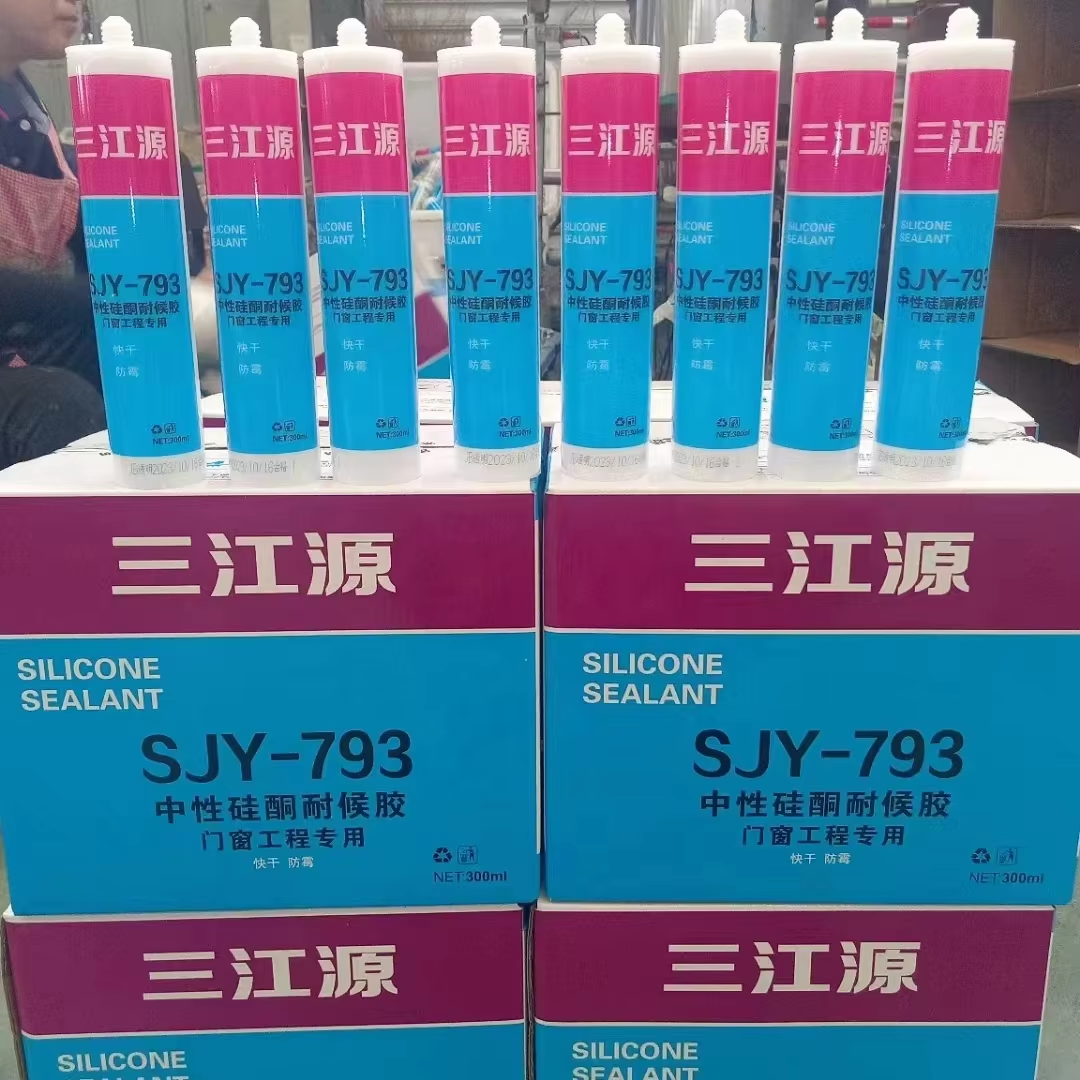
Modern construction and manufacturing industries increasingly prioritize environmentally responsible materials, with sealant silicone emerging as a leading sustainable solution. This versatile sealing compound offers numerous environmental advantages while maintaining superior performance characteristics. Understanding these benefits helps professionals make informed decisions about building materials and contributes to greener construction practices. The growing awareness of environmental impact has positioned sealant silicone as an essential component in eco-friendly building strategies.
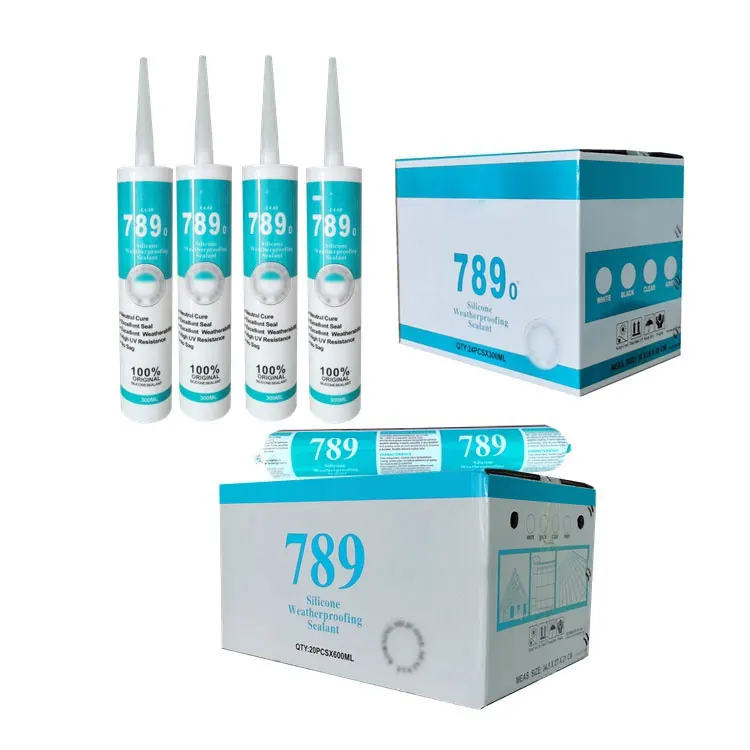
Long-Term Durability and Reduced Resource Consumption
Extended Service Life Benefits
The exceptional longevity of sealant silicone directly contributes to environmental conservation by reducing the frequency of replacement and maintenance cycles. Quality silicone sealants can maintain their sealing properties for decades under normal conditions, significantly outlasting traditional sealing materials like putty or organic-based compounds. This extended service life means fewer resources are consumed over the building's lifetime, reducing both material extraction and manufacturing demands.
Professional-grade sealant silicone demonstrates remarkable resistance to weathering, UV radiation, and temperature fluctuations. These characteristics ensure that sealed joints and connections remain effective for extended periods, preventing air and water infiltration that could lead to energy waste. The durability factor also eliminates the need for frequent reapplication, reducing labor costs and minimizing disruption to building operations.
Maintenance Reduction Impact
The low-maintenance nature of sealant silicone translates into significant environmental benefits through reduced intervention requirements. Unlike traditional sealing materials that may crack, shrink, or degrade rapidly, silicone maintains its flexibility and adhesion properties across wide temperature ranges. This stability means building owners and facility managers spend less time and resources on routine maintenance activities.
Reduced maintenance requirements also mean fewer service vehicles, equipment, and personnel deployments for repair work. This decreased activity level contributes to lower carbon emissions associated with maintenance operations while preserving the original sealing effectiveness that supports overall building energy efficiency.
Energy Efficiency Enhancement Through Superior Sealing
Thermal Performance Optimization
High-quality sealant silicone creates exceptional thermal barriers that significantly improve building energy efficiency. The material's ability to maintain consistent sealing performance across temperature extremes prevents unwanted heat transfer through gaps and joints. This thermal stability directly reduces heating and cooling loads, resulting in lower energy consumption and decreased greenhouse gas emissions from HVAC systems.
The flexibility of sealant silicone allows it to accommodate building movement without compromising the seal integrity. This characteristic is particularly important in energy-efficient building design, where maintaining continuous thermal barriers is crucial for optimal performance. Buildings sealed with quality silicone products consistently demonstrate improved energy ratings and reduced operational carbon footprints.
Air Infiltration Control
Effective air sealing using sealant silicone plays a critical role in reducing uncontrolled air exchange that wastes energy and compromises indoor environmental quality. Professional-grade silicone sealants create durable barriers against air infiltration, helping buildings achieve their designed energy performance levels. This controlled environment reduces the workload on mechanical systems and extends their operational life.
The superior adhesion properties of modern sealant silicone ensure long-term air sealing effectiveness across various substrate materials including concrete, metal, glass, and composite materials. This versatility makes it an ideal choice for comprehensive building envelope sealing strategies that maximize energy efficiency while minimizing environmental impact.
Chemical Composition and Environmental Safety
Non-Toxic Formulation Advantages
Modern sealant silicone formulations prioritize environmental safety through reduced volatile organic compound emissions and elimination of harmful additives. Quality silicone sealants cure without releasing significant amounts of toxic substances into the indoor environment, contributing to better indoor air quality and occupant health. This characteristic makes sealant silicone an environmentally responsible choice for both residential and commercial applications.
The inert nature of cured sealant silicone means it does not interact chemically with surrounding materials or release harmful substances over time. This stability ensures that the environmental benefits remain consistent throughout the product's service life, unlike some traditional sealants that may degrade and release pollutants as they age.
Recyclability and Disposal Considerations
The environmental profile of sealant silicone includes considerations for end-of-life disposal and potential recycling opportunities. While silicone is not biodegradable, its chemical stability means it does not break down into harmful compounds when properly disposed of. Some manufacturers have developed recycling programs for silicone products, creating closed-loop systems that minimize waste generation.
Advanced sealant silicone products increasingly incorporate recycled content and are designed for easier removal and processing at the end of their service life. These improvements support circular economy principles and reduce the environmental impact associated with material disposal and waste management.
Water Management and Moisture Control
Waterproofing Effectiveness
Superior waterproofing capabilities of sealant silicone contribute significantly to building durability and environmental protection. Effective moisture control prevents structural damage that would otherwise require resource-intensive repairs or premature building replacement. The excellent water resistance of quality silicone sealants helps maintain building envelope integrity over decades of exposure to harsh weather conditions.
Professional-grade sealant silicone maintains its waterproofing properties even under extreme conditions, including freeze-thaw cycles and high humidity environments. This consistent performance protects building materials from moisture-related deterioration, extending their service life and reducing the need for replacement materials and associated environmental impacts.
Mold and Mildew Prevention
The moisture control properties of sealant silicone play a crucial role in preventing mold and mildew growth, which can compromise both building integrity and indoor air quality. By creating effective barriers against water infiltration, silicone sealants help maintain healthy indoor environments without requiring chemical treatments or frequent cleaning with harsh substances.
Many modern sealant silicone formulations include antimicrobial additives that actively resist mold and mildew growth without releasing harmful chemicals into the environment. This proactive approach to moisture management supports sustainable building operations while protecting occupant health and reducing maintenance requirements.
Manufacturing and Application Environmental Impact
Production Efficiency Benefits
The manufacturing process for high-quality sealant silicone has evolved to minimize environmental impact through improved production efficiency and reduced waste generation. Modern silicone production facilities utilize advanced process controls and recycling systems that minimize raw material consumption and energy usage per unit of product manufactured.
Leading manufacturers of sealant silicone have implemented comprehensive environmental management systems that address every aspect of production, from raw material sourcing to final product packaging. These initiatives result in products that deliver superior performance while maintaining a reduced environmental footprint compared to traditional sealing materials.
Application Waste Minimization
The application characteristics of modern sealant silicone contribute to environmental benefits through reduced waste generation during installation. The precise flow properties and extended working time of quality silicone sealants allow for more accurate application with minimal excess material. This efficiency reduces both material costs and waste disposal requirements on construction sites.
Professional applicators can achieve optimal results with sealant silicone while minimizing cleanup requirements and solvent usage. The water-based cleanup possible with many silicone formulations eliminates the need for harsh chemical solvents, reducing both worker exposure and environmental contamination risks.
FAQ
How does sealant silicone compare to traditional sealing materials in terms of environmental impact
Sealant silicone generally offers superior environmental benefits compared to traditional sealing materials due to its exceptional durability, reduced maintenance requirements, and non-toxic formulation. While organic-based sealants may biodegrade, they often require frequent replacement and may release volatile compounds during curing and aging. Quality silicone sealants maintain their performance for decades without degrading or releasing harmful substances, resulting in lower overall environmental impact through reduced material consumption and improved building energy efficiency.
Can sealant silicone contribute to green building certification programs
Yes, the use of high-quality sealant silicone can contribute to various green building certification programs including LEED, BREEAM, and Green Star. The material's contribution to energy efficiency through superior air sealing, its low volatile organic compound emissions, durability characteristics, and potential recycled content all align with sustainable building criteria. Many silicone sealant manufacturers provide documentation to support green building certification applications.
What makes sealant silicone more energy-efficient than other sealing options
Sealant silicone achieves superior energy efficiency through its exceptional sealing performance across wide temperature ranges and its ability to maintain seal integrity over time. Unlike rigid sealants that may crack or lose adhesion, silicone remains flexible and maintains continuous thermal and air barriers. This consistent performance reduces heating and cooling loads, resulting in lower energy consumption and decreased greenhouse gas emissions from building operations throughout the sealant's extended service life.
Are there recycling options available for used sealant silicone products
Recycling options for sealant silicone are increasingly available as manufacturers develop specialized programs and processing technologies. While silicone is not biodegradable, its chemical stability makes it suitable for mechanical recycling into new products or alternative applications. Some manufacturers operate take-back programs for used silicone products, and specialized recycling facilities can process silicone waste into valuable secondary materials. However, availability varies by location, and proper disposal through appropriate waste management channels remains important where recycling is not available.
Table of Contents
- Long-Term Durability and Reduced Resource Consumption
- Energy Efficiency Enhancement Through Superior Sealing
- Chemical Composition and Environmental Safety
- Water Management and Moisture Control
- Manufacturing and Application Environmental Impact
-
FAQ
- How does sealant silicone compare to traditional sealing materials in terms of environmental impact
- Can sealant silicone contribute to green building certification programs
- What makes sealant silicone more energy-efficient than other sealing options
- Are there recycling options available for used sealant silicone products