EN
EN



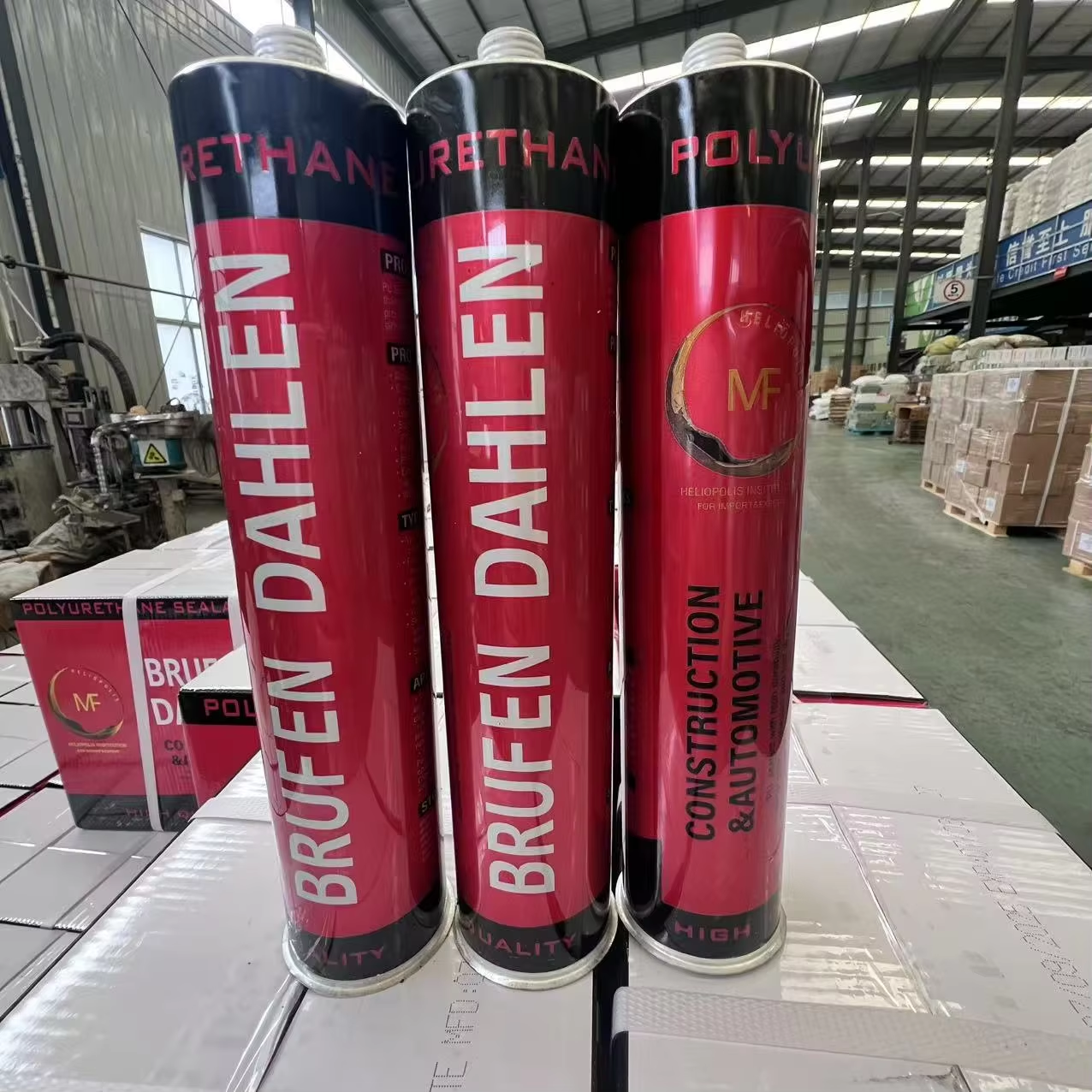
Professional contractors and DIY enthusiasts alike recognize that proper application of sealant silicone determines the long-term effectiveness of weatherproofing, waterproofing, and structural sealing projects. Understanding the correct techniques, preparation methods, and application strategies ensures optimal adhesion, durability, and performance across various substrates and environmental conditions.
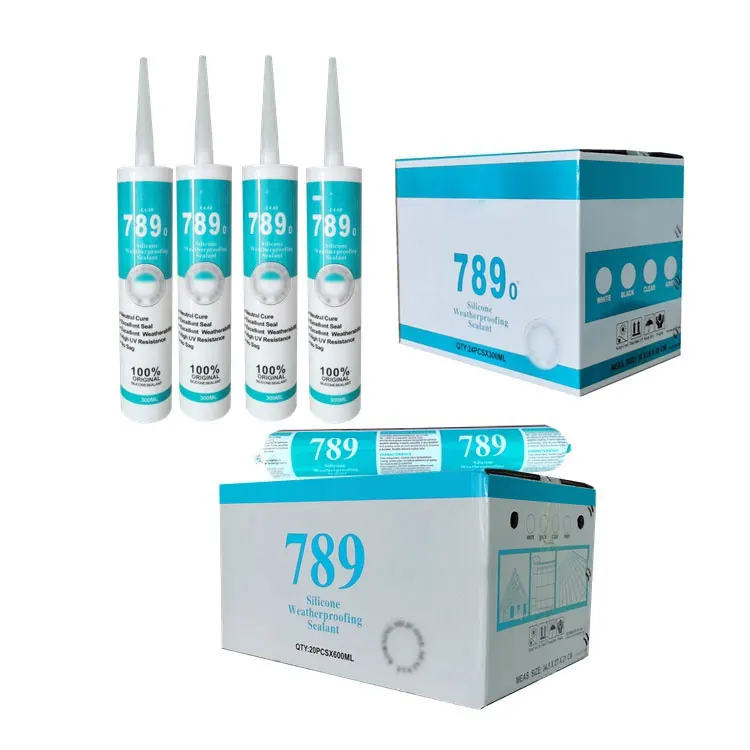
Surface Preparation Fundamentals for Optimal Adhesion
Cleaning and Decontamination Protocols
Achieving superior bonding requires meticulous surface preparation before applying sealant silicone. Remove all dirt, grease, oil, soap residues, and previous sealant materials using appropriate solvents or mechanical methods. Clean surfaces with isopropyl alcohol or acetone to eliminate microscopic contaminants that could compromise adhesion. Allow adequate drying time before proceeding with application to prevent moisture entrapment beneath the seal.
Different substrate materials require specific cleaning approaches when preparing for sealant silicone application. Glass surfaces benefit from ammonia-free cleaners, while metal substrates may require degreasing agents to remove manufacturing oils. Concrete and masonry surfaces often need wire brushing to remove loose particles and create proper mechanical bonding surfaces for enhanced adhesion performance.
Substrate Compatibility Assessment
Evaluate substrate compatibility before selecting and applying sealant silicone to prevent adhesion failures or chemical reactions. Most neutral-cure silicone sealants demonstrate excellent compatibility with glass, aluminum, vinyl, and most plastics. However, certain materials like EPDM rubber, neoprene, or oil-based surfaces may require specialized primers or alternative sealant formulations.
Conduct small-scale adhesion tests on inconspicuous areas when working with unfamiliar substrates or critical applications. Apply a small bead of sealant silicone, allow full cure, then test bond strength and evaluate any discoloration or substrate damage. This preliminary testing prevents costly failures and ensures optimal performance in the final application.
Application Technique Mastery
Proper Tool Selection and Setup
Professional-grade caulk guns equipped with pressure release mechanisms provide superior control when applying sealant silicone. Select appropriate nozzle sizes based on joint width requirements, typically ranging from 3mm for narrow gaps to 12mm for wider expansion joints. Cut nozzle tips at 45-degree angles to create optimal bead shapes and facilitate smooth application motion.
Maintain consistent gun pressure and movement speed throughout the application process to achieve uniform bead thickness and appearance. Practice on scrap materials to develop steady hand control and establish proper technique before working on visible or critical areas. Keep spare nozzles and tools readily available to minimize application interruptions.
Bead Formation and Smoothing Techniques
Apply sealant silicone in continuous, steady motions to prevent air bubbles and ensure complete joint filling. Maintain consistent pressure and speed while keeping the gun at appropriate angles relative to the joint geometry. Slightly overfill joints initially, as proper tooling will remove excess material and create optimal bead profiles.
Tool freshly applied beads within the working time window, typically 5-15 minutes depending on environmental conditions and product specifications. Use specialized smoothing tools, plastic spoons, or gloved fingers moistened with soapy water to create professional-grade finishes. Work systematically along joint lengths without stopping to prevent visible overlap marks or inconsistent appearances.
Environmental Considerations and Timing
Temperature and Humidity Management
Optimal application conditions for sealant silicone typically range between 40°F and 100°F with relative humidity levels between 30-70%. Extreme temperatures affect flow characteristics, cure rates, and final properties. Cold conditions slow curing and may cause poor adhesion, while excessive heat accelerates skinning and reduces working time for proper tooling.
Monitor weather forecasts when planning exterior sealant silicone applications, avoiding periods with predicted rain, snow, or extreme temperature fluctuations. Provide temporary protection for fresh applications using tarps or enclosures when necessary. Indoor applications require adequate ventilation to manage cure by-products and maintain appropriate environmental conditions.
Cure Time and Protection Strategies
Understanding cure mechanisms helps determine appropriate protection and handling timeframes after applying sealant silicone. Surface skinning typically occurs within 15-30 minutes, while full cure penetration may require 24-72 hours depending on joint depth and environmental conditions. Protect fresh applications from precipitation, debris, and mechanical disturbance during initial cure phases.
Schedule follow-up inspections after complete cure cycles to verify proper adhesion and identify any defects requiring remediation. Document application dates, environmental conditions, and product lot numbers for quality control and warranty purposes. Establish regular maintenance schedules based on expected service life and environmental exposure conditions.
Quality Control and Performance Verification
Inspection Protocols and Standards
Implement systematic inspection procedures to verify proper sealant silicone application and performance characteristics. Visual inspections should identify continuous bead coverage, proper adhesion at interfaces, absence of air bubbles or voids, and appropriate surface finish quality. Use magnification tools when necessary to detect microscopic defects that could compromise long-term performance.
Conduct adhesion testing using standardized pull-test methods or cohesive failure assessments on representative samples. Proper sealant silicone installations demonstrate cohesive rather than adhesive failures when tested, indicating optimal substrate bonding. Document inspection results and maintain quality records for future reference and warranty support.
Common Defect Prevention and Remediation
Identify potential failure modes and implement preventive measures during sealant silicone application processes. Poor adhesion often results from inadequate surface preparation, incompatible substrates, or contamination during application. Air entrapment creates weak points and aesthetic defects that require removal and reapplication for optimal performance.
Establish remediation protocols for addressing defective installations, including proper removal techniques, surface restoration procedures, and reapplication methods. Train application personnel to recognize quality issues early in the process when corrections are simpler and more cost-effective than post-cure repairs.
Advanced Applications and Specialized Techniques
Structural Glazing and High-Performance Sealing
Structural applications requiring exceptional strength and durability demand specialized sealant silicone products and application techniques. Two-part structural glazing compounds provide superior mechanical properties but require precise mixing ratios and application timing. Consider ambient temperature effects on pot life and working characteristics when planning complex installations.
High-movement joints in curtain wall systems or expansion areas require careful consideration of sealant silicone selection and application geometry. Calculate expected movement ranges and select products with appropriate elongation capabilities. Design joint configurations that accommodate thermal cycling without overstressing the sealant material or adjacent substrates.
Multi-Component Systems and Primer Integration
Complex sealing systems may require primer applications to enhance adhesion or provide compatibility with difficult substrates. Apply primers according to manufacturer specifications, maintaining proper film thickness and cure times before sealant silicone installation. Verify primer compatibility with both substrate materials and selected sealant formulations.
Coordinate multi-trade activities when sealant silicone applications interact with other building systems or finishes. Establish proper sequencing to prevent contamination or interference with adjacent work. Protect completed installations from damage during subsequent construction activities using appropriate temporary measures.
FAQ
How long should I wait before exposing newly applied sealant silicone to water
Most neutral-cure sealant silicone formulations require 24-48 hours of cure time before water exposure, though surface skinning occurs within 15-30 minutes. The exact timing depends on environmental conditions, joint depth, and specific product formulation. Check manufacturer specifications for precise recommendations, as some fast-cure products may allow earlier water exposure while structural applications may require extended cure periods.
What causes sealant silicone to fail prematurely in outdoor applications
Common failure mechanisms include inadequate surface preparation, UV degradation from low-quality formulations, thermal cycling stress, and chemical incompatibility with adjacent materials. Poor application technique, such as insufficient joint depth or improper tooling, also contributes to premature failures. Selecting appropriate grade sealant silicone products designed for exterior exposure and following proper installation procedures significantly extends service life.
Can I apply new sealant silicone over existing installations
Generally, complete removal of old sealant silicone provides the best results for new installations. However, compatible silicone-to-silicone bonding is possible with proper surface preparation and primer application when removal is impractical. Clean existing surfaces thoroughly, remove loose or degraded material, and test adhesion in inconspicuous areas before proceeding with full installations.
What environmental conditions should I avoid when applying sealant silicone
Avoid applications during rain, snow, or when surfaces are wet from condensation. Extreme temperatures below 40°F or above 100°F can affect cure rates and final properties. High humidity levels above 85% may cause extended cure times, while very low humidity below 20% can lead to rapid skinning and poor tooling characteristics. Plan applications during moderate weather conditions whenever possible for optimal results.