EN
EN



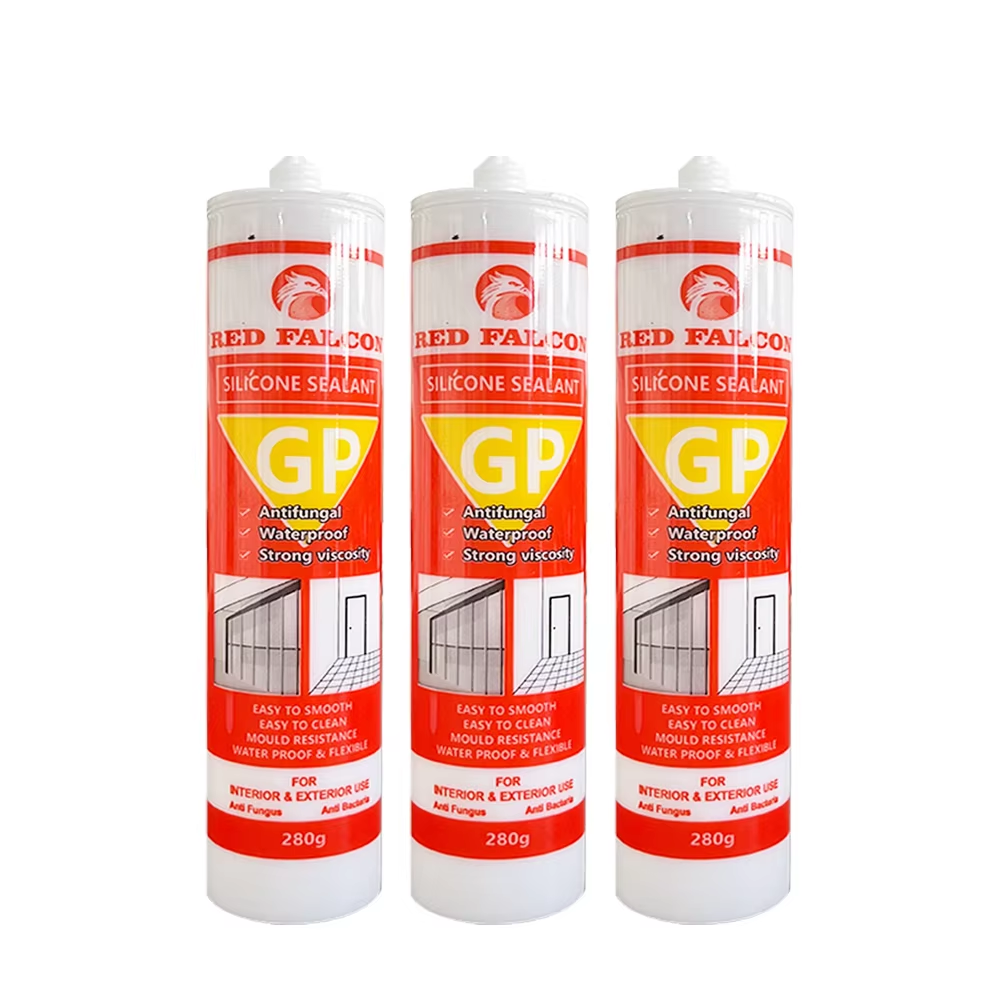
Acid silicone sealant operates through a unique curing mechanism that forms durable bonds with metal and glass surfaces while providing exceptional protection against environmental factors. This specialized sealant releases acetic acid during the curing process, creating strong adhesion that withstands temperature fluctuations, moisture exposure, and mechanical stress. Understanding how acid silicone sealant delivers this protection requires examining its chemical composition, bonding characteristics, and the specific ways it interacts with different substrate materials.
The protective capabilities of acid silicone sealant stem from its ability to create flexible yet resilient seals that accommodate structural movement while maintaining integrity over extended periods. When applied to metal and glass surfaces, this sealant forms molecular bonds that resist degradation from ultraviolet radiation, thermal cycling, and chemical exposure. The acetic acid released during curing enhances surface preparation by removing contaminants and promoting superior adhesion, resulting in long-lasting protection that prevents moisture infiltration and corrosion damage.
Chemical Mechanism Behind Acid Silicone Sealant Protection
Acetic Acid Release and Surface Preparation
The protective action of acid silicone sealant begins with the release of acetic acid during the curing process, which serves multiple critical functions in establishing durable surface protection. This acid release occurs when the sealant contacts atmospheric moisture, triggering a condensation reaction that cross-links silicone polymers while simultaneously cleaning and etching the substrate surface. The acetic acid effectively removes surface oxides, oils, and microscopic contaminants that could compromise adhesion, creating optimal conditions for molecular bonding between the sealant and the protected surface.
During this chemical process, the acid silicone sealant develops its characteristic strong bond with both metal and glass substrates through different mechanisms tailored to each material type. On metal surfaces, the acetic acid creates micro-etching that increases surface area and promotes mechanical interlocking, while also forming chemical bonds with metal oxides. Glass surfaces benefit from the acid's ability to react with silanol groups present in the glass matrix, establishing siloxane bonds that provide exceptional adhesion strength and durability.
The controlled release of acetic acid also contributes to the sealant's self-priming properties, eliminating the need for separate primer applications in many situations. This chemical action ensures that the acid silicone sealant achieves maximum protective performance by establishing intimate contact with the substrate at the molecular level, creating a barrier that effectively prevents environmental damage and maintains structural integrity over time.
Polymer Cross-Linking and Flexibility Retention
The cross-linking process that occurs as acid silicone sealant cures creates a three-dimensional polymer network that provides both strength and flexibility essential for long-term surface protection. This network forms through condensation reactions between silanol groups, resulting in siloxane bonds that maintain elasticity while resisting environmental degradation. The balanced cross-link density achieved during proper curing ensures that the sealant can accommodate thermal expansion and contraction without losing adhesion or developing cracks that could compromise protection.
Temperature variations cause metal and glass substrates to expand and contract at different rates, creating stresses that could damage rigid sealants. Acid silicone sealant addresses this challenge through its unique polymer structure, which maintains flexibility across a wide temperature range while preserving protective properties. The cross-linked silicone matrix can stretch and compress repeatedly without permanent deformation, ensuring continuous protection even under demanding environmental conditions.
This flexibility retention mechanism allows acid silicone sealant to maintain protective seals in applications subject to structural movement, vibration, or thermal cycling. The polymer network adapts to substrate movement while maintaining molecular-level adhesion, preventing the formation of gaps or weak points that could allow moisture or contaminants to reach protected surfaces. This characteristic makes acid silicone sealant particularly effective for protecting metal and glass installations in buildings, vehicles, and industrial equipment where movement tolerance is critical.
Specific Protection Mechanisms for Metal Surfaces
Corrosion Prevention and Moisture Barrier Formation
Acid silicone sealant protects metal surfaces primarily by creating an impermeable barrier that prevents moisture, oxygen, and corrosive substances from reaching the metal substrate. This protection mechanism operates through multiple layers of defense, beginning with the sealant's ability to form complete surface coverage that eliminates direct environmental contact with the metal. The cured sealant exhibits extremely low water vapor transmission rates, effectively blocking the moisture that serves as a primary catalyst for metal corrosion processes.
The molecular structure of cured acid silicone sealant creates tortuous pathways that prevent the diffusion of corrosive ions and chemicals through the protective layer. This barrier effect is enhanced by the sealant's resistance to chemical attack from acids, bases, and salt solutions commonly encountered in industrial and marine environments. The silicone polymer backbone remains stable under exposure to these aggressive chemicals, maintaining protective integrity where other sealant types might degrade or fail.
Beyond moisture exclusion, acid silicone sealant provides cathodic protection benefits by preventing galvanic corrosion between dissimilar metals. When applied to joints between different metal types, the sealant isolates the metals from direct contact while preventing electrolyte formation that could drive galvanic cell activity. This protection mechanism is particularly valuable in architectural applications where aluminum, steel, and other metals are used in proximity, as the acid silicone sealant prevents the electrochemical reactions that could lead to accelerated corrosion.
Thermal Protection and Expansion Accommodation
Metal surfaces experience significant thermal stress due to their high thermal conductivity and expansion coefficients, making thermal protection a critical aspect of acid silicone sealant performance. The sealant's low thermal conductivity helps insulate protected metal surfaces from rapid temperature changes, reducing thermal shock that could cause fatigue cracking or dimensional instability. This thermal buffering effect is particularly important for thin metal components or assemblies where rapid heating or cooling could cause warping or stress concentration.
The exceptional temperature stability of acid silicone sealant ensures continued protection across the wide temperature ranges typically encountered by metal installations. The sealant maintains its protective properties from temperatures well below freezing to elevated temperatures exceeding typical service conditions, preventing thermal degradation that could create gaps in protection. This temperature stability is achieved through the inherent stability of siloxane bonds, which resist thermal breakdown better than organic polymer systems.
Thermal expansion accommodation represents another crucial protection mechanism, as acid silicone sealant can stretch and compress to follow metal substrate movement without losing adhesion. This capability prevents the formation of stress concentrations that could initiate crack propagation or adhesive failure, maintaining continuous protection even during extreme thermal cycling. The sealant's ability to recover its original dimensions after thermal excursions ensures long-term protection effectiveness without requiring frequent maintenance or replacement.
Glass Surface Protection Strategies
Structural Glazing and Weather Sealing
Glass surfaces require specialized protection approaches due to their brittleness, thermal properties, and susceptibility to stress concentration effects. Acid silicone sealant addresses these challenges by providing both structural support and environmental protection in glazing applications. The sealant's ability to bond strongly to glass while maintaining flexibility allows it to transfer loads gradually across the glazed area, preventing stress concentration points that could lead to glass failure under wind loads or thermal stress.
Weather sealing represents a primary protection function where acid silicone sealant prevents water infiltration around glass installations while allowing for thermal movement. The sealant forms watertight seals that resist hydrostatic pressure while maintaining vapor permeability characteristics that prevent condensation buildup within the sealed assembly. This balanced moisture management prevents the formation of conditions that could lead to glass etching, staining, or degradation of supporting frame materials.
The optical clarity and UV resistance of properly formulated acid silicone sealant contribute to glass protection by maintaining seal visibility and preventing yellowing or clouding that could affect appearance or light transmission. The sealant's resistance to ozone and atmospheric pollutants ensures that protective seals remain effective in urban environments where glass surfaces face exposure to aggressive atmospheric conditions. This environmental resistance maintains both protective function and aesthetic appearance throughout the service life of glass installations.
Edge Protection and Stress Distribution
Glass edges represent the most vulnerable areas for damage initiation, making edge protection a critical application for acid silicone sealant. The sealant provides cushioning that distributes applied loads over larger areas, reducing stress concentration at glass edges that could initiate crack propagation. This protection mechanism is particularly important in structural glazing applications where glass panels must resist significant wind loads, seismic forces, or thermal stresses without developing edge damage.
The viscoelastic properties of acid silicone sealant allow it to absorb and dissipate energy from impact events or dynamic loading, protecting glass surfaces from damage that could occur from thermal shock, building movement, or external forces. This energy absorption capability helps prevent the initiation of stress cracks that could propagate across glass surfaces, maintaining structural integrity and visual appearance of protected installations.
Acid silicone sealant also protects glass surfaces by preventing the accumulation of debris, moisture, or contaminants in edge details that could create stress concentration points or chemical attack conditions. The sealant's ability to maintain clean, sealed interfaces prevents the development of conditions that could lead to glass etching, staining, or other forms of degradation that compromise both appearance and structural properties of glass components.
Environmental Resistance and Durability Factors
UV Stability and Weather Resistance
The long-term protective effectiveness of acid silicone sealant depends heavily on its ability to resist degradation from ultraviolet radiation, which represents one of the most aggressive environmental factors encountered in outdoor applications. The silicone polymer backbone exhibits inherent UV stability due to the strength of siloxane bonds, which resist photochemical breakdown that commonly affects organic sealant systems. This UV resistance ensures that the sealant maintains its protective properties, flexibility, and adhesion characteristics even after years of direct sunlight exposure.
Weather resistance extends beyond UV protection to include resistance to temperature cycling, moisture exposure, and atmospheric pollutants that could compromise sealant performance. Acid silicone sealant maintains its protective capabilities across seasonal weather variations, resisting the effects of freeze-thaw cycling that could cause rigid sealants to crack or lose adhesion. The sealant's hydrophobic nature prevents water absorption that could lead to freeze damage while maintaining vapor permeability that prevents moisture accumulation within sealed assemblies.
Atmospheric pollutants including ozone, sulfur dioxide, and nitrogen oxides can accelerate sealant degradation in urban and industrial environments. Acid silicone sealant exhibits superior resistance to these aggressive chemicals, maintaining protective function in environments where other sealant types might fail prematurely. This chemical resistance ensures consistent protection for metal and glass surfaces in challenging service environments while minimizing maintenance requirements and replacement frequency.
Mechanical Durability and Fatigue Resistance
Mechanical durability represents a crucial factor in acid silicone sealant protection effectiveness, particularly in applications subject to vibration, thermal cycling, or structural movement. The sealant's viscoelastic properties allow it to accommodate repeated stress cycles without developing fatigue cracks or adhesive failure that could compromise protective barriers. This fatigue resistance is achieved through the flexible polymer network that can deform elastically under load while recovering its original configuration when stress is removed.
The tear resistance of acid silicone sealant contributes significantly to its protective durability, preventing the propagation of small defects or damage into larger failures that could expose protected surfaces to environmental attack. This resistance to tear propagation is particularly important in applications where the sealant may be subjected to mechanical contact, debris impact, or maintenance activities that could create minor damage to the sealant surface.
Compression set resistance ensures that acid silicone sealant maintains effective sealing pressure over time, preventing the development of gaps that could allow moisture or contaminant infiltration. The sealant's ability to maintain its original thickness and sealing force under sustained compression loading ensures continued protection effectiveness throughout the design life of sealed assemblies, reducing the need for preventive maintenance or premature replacement of protective sealing systems.
FAQ
How long does acid silicone sealant protection last on metal and glass surfaces?
Acid silicone sealant typically provides effective protection for 15-25 years on metal and glass surfaces when properly applied and maintained. The actual service life depends on environmental exposure conditions, substrate preparation quality, and application thickness. In mild climates with limited UV exposure, the sealant may exceed 25 years of effective protection, while harsh environments with extreme temperatures, high UV levels, or aggressive chemical exposure may reduce service life to 10-15 years.
Can acid silicone sealant be applied over existing protective coatings?
Acid silicone sealant can be applied over certain existing protective coatings, but compatibility testing is essential to ensure proper adhesion and avoid coating damage. The acetic acid released during curing may react with some coating systems, potentially causing adhesion failure or coating degradation. For best results, existing coatings should be removed or the surface should be properly prepared to ensure direct contact between the sealant and the substrate material.
What surface preparation is required before applying acid silicone sealant for protection?
Proper surface preparation involves thorough cleaning to remove dirt, oil, old sealant residue, and loose corrosion products from metal surfaces, while glass surfaces require cleaning with appropriate solvents to remove all contaminants. Metal surfaces may benefit from light abrasion to remove oxidation and improve mechanical bonding, while glass surfaces should be cleaned with isopropyl alcohol or specialized glass cleaners. All surfaces must be completely dry before sealant application to ensure optimal curing and adhesion.
Does acid silicone sealant require special safety precautions during application?
Yes, acid silicone sealant releases acetic acid vapors during curing, requiring adequate ventilation and appropriate personal protective equipment including eye protection and respiratory protection in confined spaces. The acetic acid can cause irritation to eyes, skin, and respiratory system, making proper ventilation essential during application and initial curing. Metal tools and fasteners in the immediate area should be protected from acid vapor exposure to prevent corrosion, and application should be avoided in areas with sensitive electronic equipment that could be damaged by acid vapors.
Table of Contents
- Chemical Mechanism Behind Acid Silicone Sealant Protection
- Specific Protection Mechanisms for Metal Surfaces
- Glass Surface Protection Strategies
- Environmental Resistance and Durability Factors
-
FAQ
- How long does acid silicone sealant protection last on metal and glass surfaces?
- Can acid silicone sealant be applied over existing protective coatings?
- What surface preparation is required before applying acid silicone sealant for protection?
- Does acid silicone sealant require special safety precautions during application?