EN
EN



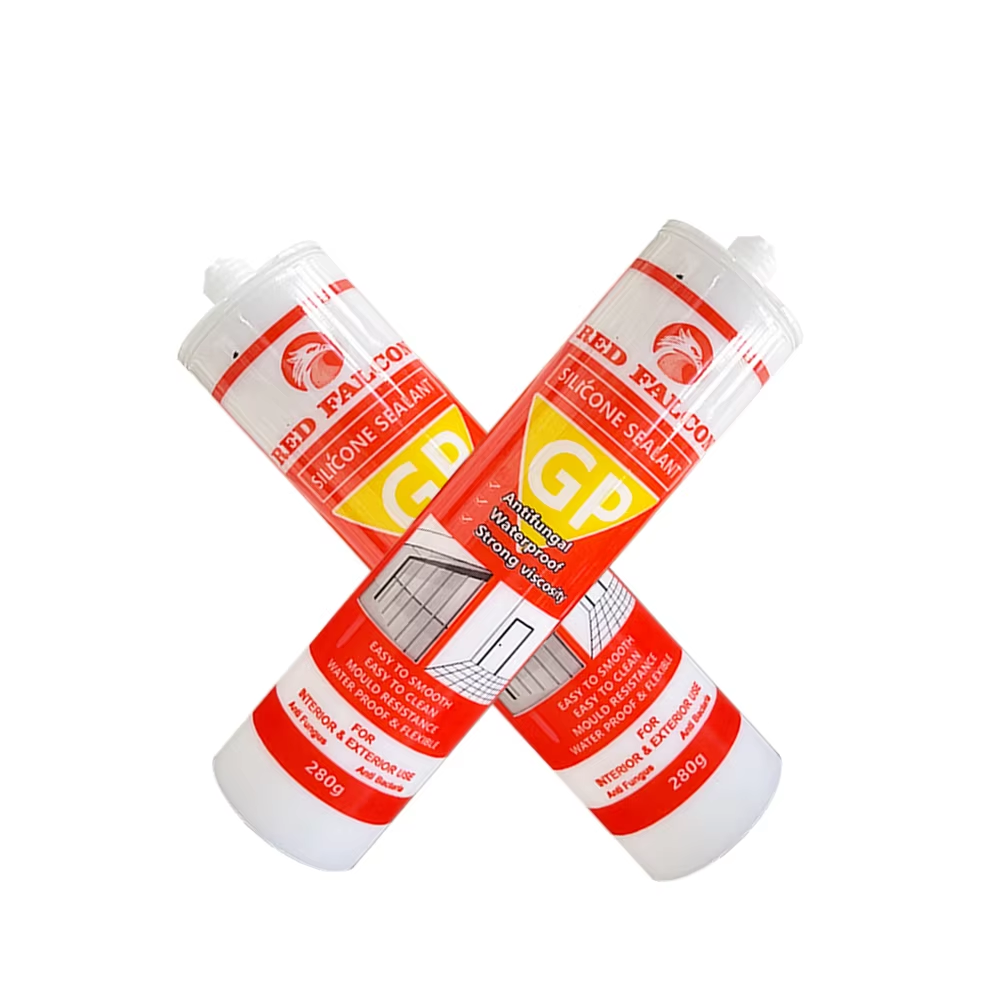
Choosing between acid silicone sealant and neutral alternatives represents a critical decision point in construction, glazing, and industrial sealing applications. The timing of this choice depends on specific substrate compatibility requirements, environmental conditions, and performance expectations that vary significantly across different project phases. Understanding when acid silicone sealant delivers superior results over neutral formulations requires careful evaluation of material interactions, curing characteristics, and long-term durability factors that influence project success.
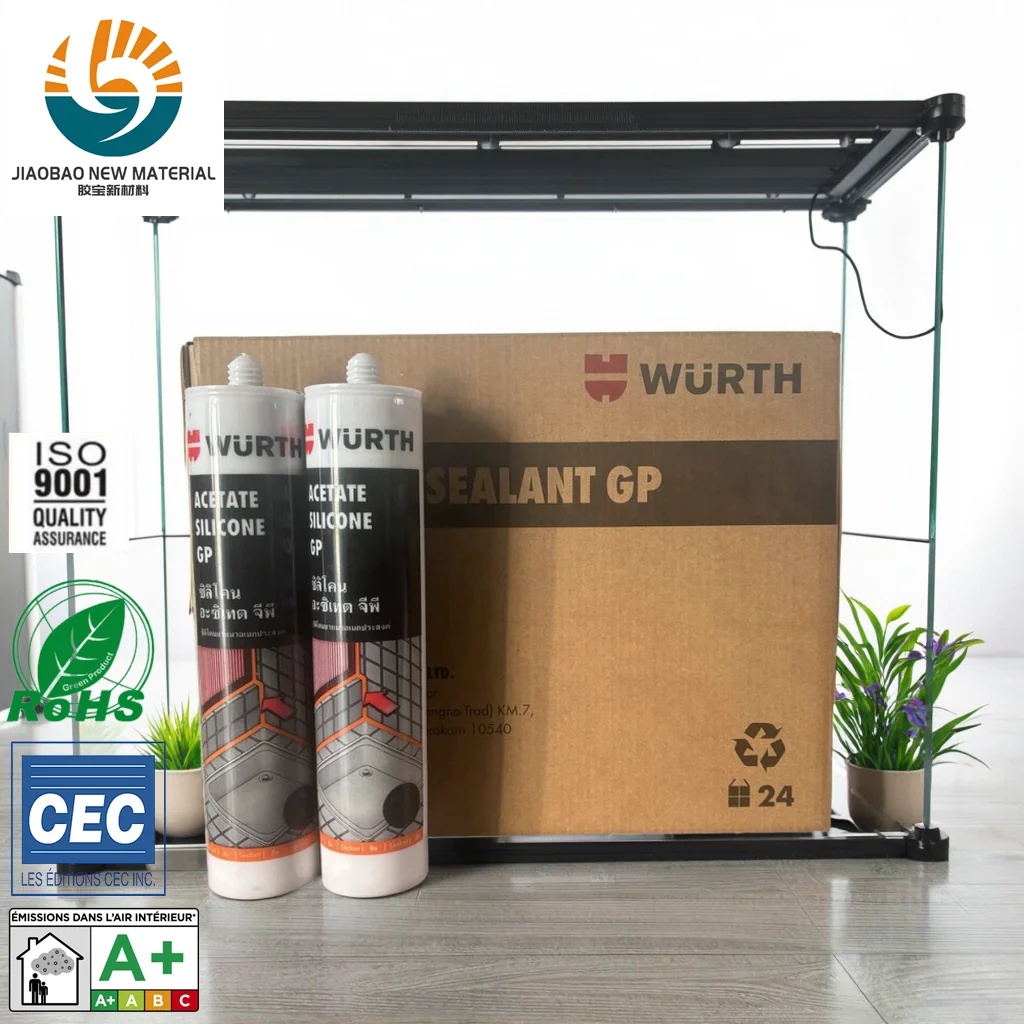
The decision timing becomes particularly crucial when working with glass-to-metal assemblies, structural glazing applications, and environments where rapid cure speed outweighs corrosion concerns. Professional installers and project managers must evaluate substrate materials, environmental exposure conditions, and performance timeline requirements before committing to acid silicone sealant over neutral alternatives. This strategic choice impacts installation efficiency, long-term reliability, and maintenance requirements throughout the structure's operational lifecycle.
Understanding Chemical Differences and Performance Implications
Acetic Acid Release Mechanism in Acid Silicone Sealants
Acid silicone sealant releases acetic acid during the curing process, creating a distinctive vinegar-like odor that signals active crosslinking reactions. This chemical mechanism enables faster initial cure rates compared to neutral formulations, typically achieving skin formation within 10-15 minutes under standard atmospheric conditions. The acetic acid release continues for several hours, gradually diminishing as the sealant achieves full cure depth and mechanical properties.
The acidic curing chemistry provides excellent adhesion to non-porous substrates, particularly glass, ceramics, and most metals through chemical etching effects at the interface. This etching action creates mechanical interlocking that enhances bond strength beyond simple adhesive forces. However, the same acidic environment that promotes strong adhesion can cause corrosion issues with certain metal substrates, requiring careful material compatibility assessment before application.
Professional applications benefit from understanding that acid silicone sealant achieves approximately 50% of ultimate tensile strength within 24 hours, compared to 72-96 hours for many neutral alternatives. This accelerated strength development enables faster project progression and reduced weather exposure risks during critical installation phases.
Neutral Silicone Characteristics and Limitations
Neutral silicone sealants cure through different chemical pathways, typically releasing alcohol, oxime, or other non-corrosive byproducts during crosslinking reactions. These formulations eliminate corrosion risks with sensitive metal substrates but generally require longer cure times and may exhibit reduced adhesion strength on certain non-porous surfaces compared to acid alternatives.
The neutral curing mechanism provides broader material compatibility, making these sealants suitable for applications involving copper, brass, lead, and other metals susceptible to acid corrosion. However, this compatibility advantage comes with trade-offs in cure speed, initial tack, and bond strength development that can impact project timelines and installation procedures.
Neutral formulations often require primer systems or surface preparation protocols that acid silicone sealant naturally bypasses through its etching action. This additional preparation requirement can increase labor costs and installation complexity, particularly in large-scale glazing or industrial sealing applications where efficiency directly impacts project economics.
Critical Application Scenarios Favoring Acid Silicone Selection
Structural Glazing and Curtain Wall Systems
Structural glazing applications represent the primary scenario where acid silicone sealant demonstrates clear advantages over neutral alternatives. The combination of rapid cure development, superior glass adhesion, and proven long-term durability makes acid formulations the preferred choice for load-bearing glazing assemblies. These systems rely on sealant structural integrity to transfer wind loads, seismic forces, and thermal movement stresses from glass panels to building frameworks.
High-rise construction projects particularly benefit from acid silicone sealant selection due to accelerated installation schedules and reduced weather sensitivity during application. The faster cure characteristics minimize the risk of sealant displacement or contamination during the vulnerable initial cure period, especially critical in windy conditions typical of elevated construction sites.
Curtain wall manufacturers consistently specify acid silicone sealant for factory-glazed units where controlled environmental conditions optimize cure performance and quality control procedures ensure proper material compatibility. The predictable cure characteristics enable precise scheduling of handling, transportation, and installation activities that depend on achieving specific strength milestones.
Rapid Installation and Weather-Critical Projects
Project schedules involving weather-sensitive installation windows strongly favor acid silicone sealant selection over neutral alternatives. The accelerated skin formation and strength development characteristics provide crucial advantages when installation must proceed despite approaching weather fronts or seasonal deadline pressures that cannot accommodate extended cure periods.
Emergency repair scenarios and temporary weatherization projects demonstrate clear cases where acid silicone sealant selection enables immediate protective sealing without extended cure supervision. The rapid initial cure provides confidence in seal integrity even when long-term monitoring or reapplication opportunities are limited.
Industrial maintenance applications often require sealing system restoration during brief production shutdown windows where cure time directly impacts operational costs. Acid silicone sealant enables completion of critical sealing work within constrained maintenance schedules that neutral alternatives cannot accommodate due to extended cure requirements.
Material Compatibility Assessment and Decision Criteria
Substrate Analysis for Optimal Sealant Selection
Glass substrates consistently demonstrate superior performance with acid silicone sealant due to the chemical compatibility between acidic curing byproducts and silicate glass surfaces. The mild etching action creates microscopic surface irregularities that enhance mechanical bonding beyond adhesive forces alone. This mechanism proves particularly valuable in structural applications where long-term adhesion reliability directly impacts safety and performance.
Aluminum and steel substrates require careful evaluation of surface treatments and environmental exposure conditions before selecting acid silicone sealant. Mill-finished aluminum typically tolerates acid exposure without significant corrosion concerns, while anodized or painted surfaces may require neutral alternatives to preserve coating integrity. Galvanized steel substrates generally perform well with acid silicone sealant, but weathering steel and exposed ferrous metals may develop accelerated corrosion at sealant interfaces.
Natural stone and masonry substrates often benefit from acid silicone sealant selection due to chemical compatibility with mineral compositions and superior penetration characteristics on porous surfaces. However, certain limestone and marble varieties may exhibit etching damage from acidic curing byproducts, requiring sample testing to verify compatibility before full-scale application.
Environmental Conditions and Performance Requirements
Temperature cycling environments favor acid silicone sealant selection when rapid cure development is essential for establishing thermal movement capability within project schedules. The accelerated crosslinking enables earlier exposure to thermal stress cycles without compromising ultimate performance characteristics. This advantage proves critical in geographic regions with extreme seasonal temperature variations where installation timing affects long-term reliability.
High humidity conditions actually enhance acid silicone sealant cure performance through increased moisture availability for hydrolysis reactions. This environmental advantage contrasts with neutral alternatives that may exhibit slower cure rates under similar humidity conditions. Coastal and tropical installation environments often demonstrate superior acid silicone sealant performance due to optimal atmospheric moisture levels.
UV exposure considerations generally favor acid silicone sealant for exterior applications due to proven weatherability and color stability characteristics. The crosslinked polymer structure resists degradation from ultraviolet radiation while maintaining flexibility and adhesion properties throughout extended service life cycles.
Installation Timing and Project Phase Considerations
Early Construction Phase Applications
Building envelope completion during early construction phases often necessitates acid silicone sealant selection to achieve weather protection before interior finishing trades commence. The rapid cure characteristics enable effective building enclosure within compressed schedules that accommodate multiple trade coordination requirements. Early weather sealing protects interior work from moisture damage while providing structural glazing performance throughout remaining construction activities.
Foundation and below-grade sealing applications may benefit from acid silicone sealant when soil backfilling operations cannot accommodate extended cure periods required by neutral alternatives. The accelerated strength development provides confidence in seal integrity before hydrostatic pressure exposure and eliminates concerns about cure disruption from construction activities.
Precast concrete panel installation often requires immediate sealing capability to maintain construction schedules and weather protection requirements. Acid silicone sealant enables same-day panel installation and sealing without overnight cure supervision or weather protection measures that neutral alternatives might require.
Seasonal and Environmental Window Optimization
Fall construction seasons favor acid silicone sealant selection when decreasing temperatures and shortened daylight hours limit cure conditions for neutral alternatives. The less temperature-sensitive cure characteristics maintain performance reliability even as ambient conditions approach winter limitations for exterior sealing operations.
Spring renovation projects benefit from acid silicone sealant selection when early completion enables maximum building occupancy during peak seasonal demand periods. The accelerated installation capability provides scheduling flexibility that accommodates weather delays while maintaining project delivery commitments.
Emergency response and disaster recovery scenarios clearly demonstrate acid silicone sealant advantages when immediate weather protection cannot accommodate neutral alternative cure requirements. The rapid protective capability proves essential for preventing additional damage while enabling expedited restoration activities.
FAQ
How quickly does acid silicone sealant cure compared to neutral types?
Acid silicone sealant typically achieves skin formation within 10-15 minutes and develops approximately 50% of ultimate strength within 24 hours. Neutral alternatives generally require 20-30 minutes for initial skin formation and 72-96 hours to reach similar strength levels. This cure speed advantage makes acid formulations preferable when rapid strength development is critical for project schedules or environmental protection requirements.
Can acid silicone sealant be used on all metal substrates?
Acid silicone sealant performs well on aluminum, galvanized steel, and most painted metal surfaces but may cause corrosion issues with copper, brass, lead, and certain specialty alloys. Substrate compatibility testing is essential before application to metals with unknown acid tolerance. When corrosion concerns exist, neutral silicone sealant provides safer material compatibility across broader metal substrate ranges.
What environmental conditions optimize acid silicone sealant performance?
Acid silicone sealant performs optimally in moderate to high humidity conditions (40-80% relative humidity) with temperatures between 40-100°F (4-38°C). High humidity actually accelerates cure through increased moisture availability for crosslinking reactions. Extreme cold, low humidity, or contaminated surfaces can extend cure times and reduce ultimate performance characteristics.
Is the vinegar odor from acid silicone sealant a safety concern?
The acetic acid odor from curing acid silicone sealant is generally not a safety concern in well-ventilated areas but may cause discomfort in enclosed spaces. The odor dissipates as curing completes, typically within 24-48 hours depending on temperature and humidity conditions. Proper ventilation during application and initial cure minimizes odor concentration while ensuring optimal cure performance.