EN
EN


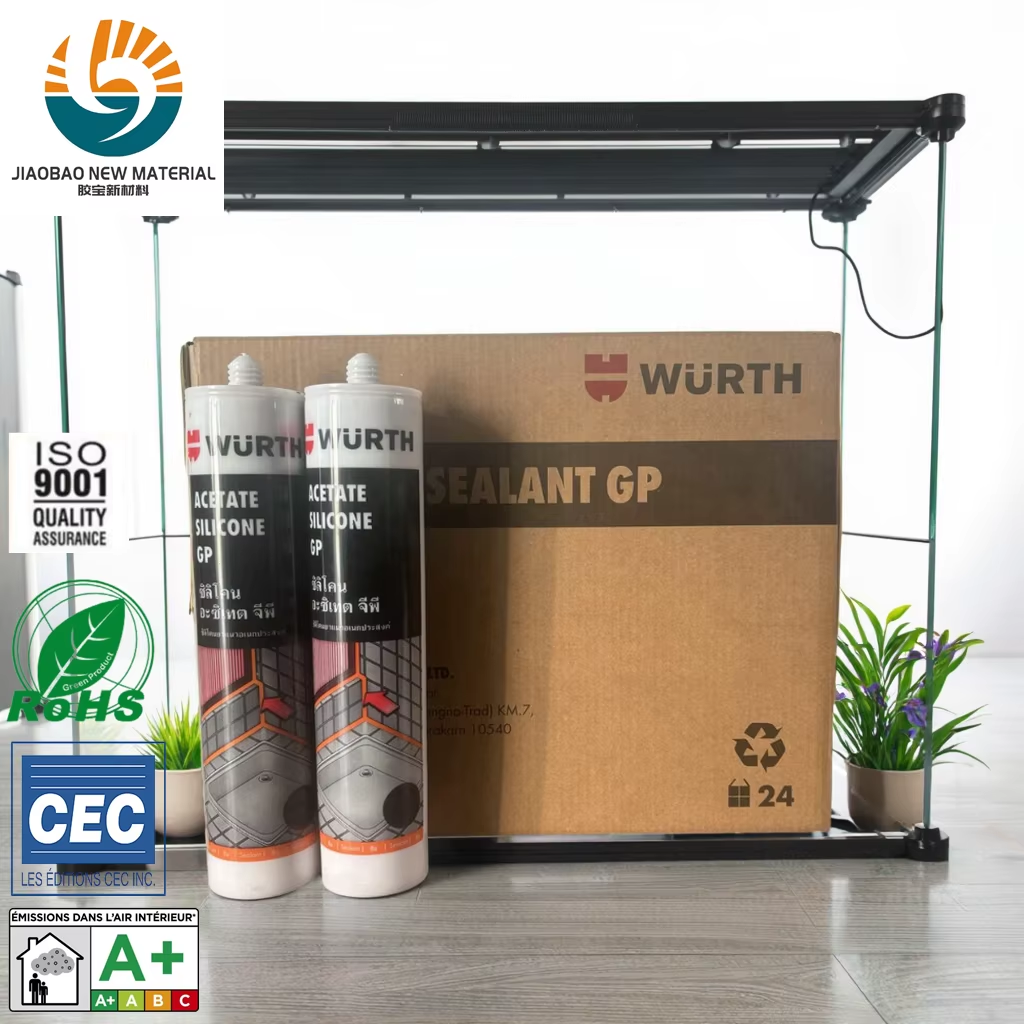
Neutral silicone sealant offers distinct advantages that make it the preferred choice for B2B projects across multiple industries. Unlike acidic alternatives that can corrode certain materials, neutral silicone sealant provides superior compatibility with sensitive substrates while maintaining exceptional adhesion properties. This versatility translates into reduced material inventory, streamlined procurement processes, and enhanced project reliability for commercial applications.
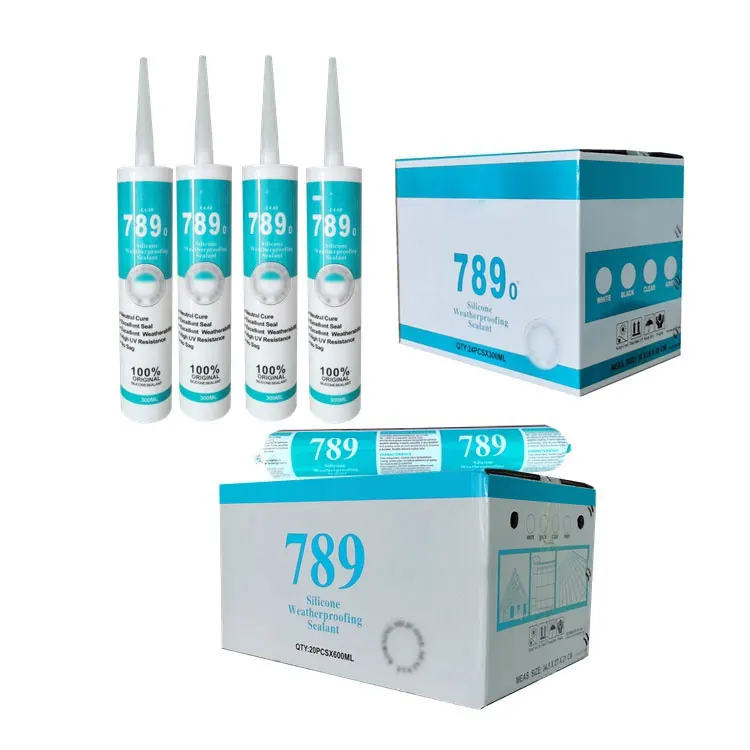
The chemical composition of neutral silicone sealant eliminates the corrosive byproducts that plague traditional sealants, making it suitable for critical applications where material integrity cannot be compromised. This fundamental difference creates cascading benefits throughout the entire project lifecycle, from initial installation to long-term maintenance requirements. Understanding these advantages enables B2B decision-makers to optimize their sealing solutions while minimizing project risks and lifecycle costs.
Chemical Compatibility Benefits
Non-Corrosive Formulation Impact
The non-corrosive nature of neutral silicone sealant represents a paradigm shift for B2B projects involving sensitive materials. Traditional acidic sealants release acetic acid during curing, which can attack metals, concrete, and certain plastics. Neutral silicone sealant eliminates this risk by using alcohol-based curing systems that produce harmless byproducts. This chemical stability allows contractors and engineers to specify the same sealant across diverse material combinations without concern for substrate damage.
Industrial applications particularly benefit from this compatibility advantage. Manufacturing facilities, chemical processing plants, and pharmaceutical environments require sealants that won't compromise equipment integrity or contaminate sensitive processes. The neutral chemistry of these sealants ensures that sealing operations don't introduce corrosive elements that could degrade expensive machinery or compromise product quality standards.
The broader material compatibility also simplifies quality assurance procedures. Project managers can implement unified testing protocols rather than developing substrate-specific validation procedures. This standardization reduces both testing costs and potential specification errors that could compromise project outcomes.
Metal Substrate Protection
Metal structures represent significant investments in B2B projects, making substrate protection a critical consideration. Neutral silicone sealant provides superior protection for both ferrous and non-ferrous metals by eliminating the acidic attack that can initiate corrosion processes. This protection extends beyond surface-level concerns to include underlying structural integrity that affects long-term asset value.
Aluminum, copper, and galvanized steel components particularly benefit from neutral formulations. These materials are susceptible to acid-induced corrosion that can compromise both aesthetic appearance and structural performance. By choosing neutral silicone sealant, project teams eliminate the risk of galvanic corrosion and extend component service life significantly.
The protective benefits extend to complex metal assemblies where multiple alloys interact within sealed environments. Neutral silicone sealant maintains chemical neutrality that prevents the electrochemical reactions responsible for accelerated corrosion in mixed-metal applications. This advantage proves particularly valuable in marine environments, industrial facilities, and transportation infrastructure projects.
Performance and Durability Advantages
Weather Resistance Characteristics
Weather resistance represents a fundamental requirement for exterior B2B applications, where sealant failure can result in costly water damage and system downtime. Neutral silicone sealant demonstrates exceptional resistance to ultraviolet radiation, temperature cycling, and moisture exposure that characterize harsh outdoor environments. This durability stems from the stable silicone polymer backbone that maintains flexibility and adhesion properties across extreme environmental conditions.
The thermal stability of neutral silicone sealant enables it to maintain sealing integrity across temperature ranges that would compromise organic alternatives. Industrial applications often involve significant thermal cycling that can cause expansion and contraction stresses. Neutral formulations accommodate these movements while maintaining weatherproof barriers that protect underlying structures and equipment.
Long-term exposure testing demonstrates that neutral silicone sealant maintains its physical properties for decades under accelerated weathering conditions. This performance translates into reduced maintenance schedules and lower lifecycle costs for B2B projects where accessibility for repairs may be limited or expensive.
Adhesion Strength and Flexibility
The adhesion characteristics of neutral silicone sealant provide reliable bonding across diverse substrate combinations without requiring extensive surface preparation protocols. This adhesion strength develops through chemical bonding mechanisms that create durable interfaces resistant to mechanical stress and environmental degradation. The resulting bonds maintain integrity under dynamic loading conditions common in commercial and industrial applications.
Flexibility represents another critical performance advantage that enables neutral silicone sealant to accommodate structural movements without compromising seal integrity. Building settlement, thermal expansion, and wind loading create dynamic stresses that can fracture rigid sealants. The elastic properties of neutral formulations allow for continuous accommodation of these movements while maintaining weatherproof barriers.
The combination of strong adhesion and maintained flexibility creates a performance profile ideally suited to B2B applications where both reliability and adaptability are required. This dual capability reduces the need for movement joints and complex sealing systems that increase project complexity and potential failure points.
Application and Installation Benefits
Simplified Specification Process
The broad compatibility of neutral silicone sealant streamlines the specification process for complex B2B projects involving multiple substrate types. Design teams can specify a single sealant product rather than managing an inventory of specialized formulations for different material combinations. This simplification reduces specification errors, eliminates compatibility conflicts, and minimizes the risk of incorrect product selection during construction.
Procurement advantages extend beyond initial material selection to include reduced vendor management requirements and simplified quality control procedures. Single-source procurement for sealing materials reduces administrative overhead while enabling volume purchasing benefits. The consistent performance characteristics of neutral silicone sealant also facilitate standardized installation procedures across different project phases.
The specification simplification particularly benefits projects with phased construction schedules or multiple contractor involvement. Consistent sealant selection eliminates coordination challenges and ensures compatible materials across different work packages. This coordination improvement reduces project delays and minimizes the potential for interface problems between construction phases.
Installation Efficiency Factors
Installation efficiency represents a significant cost factor in B2B projects where labor productivity directly impacts project profitability. Neutral silicone sealant offers installation advantages through consistent working properties that enable predictable application rates and curing schedules. The absence of corrosive byproducts also eliminates special ventilation requirements that can complicate installation procedures in occupied buildings or sensitive environments.
The working time characteristics of neutral silicone sealant provide sufficient open time for proper application while curing predictably to enable subsequent work activities. This balance between workability and cure speed optimizes construction scheduling and minimizes weather-related delays. Contractors can plan installation sequences with confidence in consistent performance across varying environmental conditions.
Tool cleaning and maintenance requirements are simplified with neutral formulations that don't leave corrosive residues on application equipment. This advantage reduces equipment replacement costs and eliminates the need for specialized cleaning procedures that can slow installation progress.
Economic and Lifecycle Value
Reduced Maintenance Requirements
The durability characteristics of neutral silicone sealant translate directly into reduced maintenance requirements that provide significant lifecycle cost advantages for B2B projects. The chemical stability and weather resistance of neutral formulations extend service intervals compared to alternative sealant technologies. This extended service life reduces both material and labor costs associated with sealant replacement activities.
Maintenance cost reduction proves particularly valuable in applications where access requires specialized equipment or creates operational disruptions. High-rise commercial buildings, industrial process equipment, and transportation infrastructure represent examples where maintenance activities involve significant mobilization costs. The extended service life of neutral silicone sealant reduces the frequency of these expensive maintenance interventions.
The predictable aging characteristics of neutral formulations also enable more accurate maintenance planning and budgeting. Facility managers can develop confidence in service life projections that support strategic maintenance planning and capital budgeting processes. This predictability provides operational advantages that extend beyond immediate cost considerations.
Asset Protection Value
The asset protection capabilities of neutral silicone sealant provide indirect economic benefits that often exceed direct material cost considerations. By preventing water infiltration and environmental damage, effective sealing systems protect underlying structural elements and equipment that represent much larger investments than the sealant materials themselves. The superior durability of neutral formulations enhances this protective value through extended service life.
Insurance and liability considerations also favor sealant systems with proven long-term performance records. The track record of neutral silicone sealant in demanding applications provides confidence for risk management decisions and may influence insurance premium calculations for commercial properties. The reduced risk of weather-related damage creates additional economic value beyond direct maintenance cost savings.
Property value considerations recognize the importance of building envelope integrity in commercial real estate markets. Properties with well-maintained sealing systems command higher valuations and attract quality tenants who value operational reliability. The long-term performance of neutral silicone sealant supports these asset value objectives through sustained envelope performance.
FAQ
How does neutral silicone sealant differ from acidic alternatives in B2B applications?
Neutral silicone sealant uses alcohol-based curing systems that produce harmless byproducts, while acidic sealants release corrosive acetic acid during curing. This fundamental difference makes neutral formulations compatible with sensitive substrates like metals and concrete that acidic sealants can damage. For B2B projects involving diverse materials, neutral sealants eliminate compatibility concerns and substrate protection requirements.
What specific industries benefit most from neutral silicone sealant properties?
Industries with critical infrastructure, sensitive equipment, or strict contamination controls benefit significantly from neutral silicone sealant. Manufacturing facilities, pharmaceutical plants, food processing operations, and chemical processing facilities particularly value the non-corrosive properties. Additionally, commercial construction, transportation infrastructure, and marine applications benefit from the superior weather resistance and substrate compatibility of neutral formulations.
Can neutral silicone sealant be used effectively in high-temperature industrial applications?
Yes, neutral silicone sealant maintains its sealing properties across wide temperature ranges, typically from -40°F to 400°F (-40°C to 200°C) depending on the specific formulation. The stable silicone polymer backbone resists thermal degradation while maintaining flexibility through temperature cycling. This thermal stability makes neutral sealants suitable for industrial applications involving process equipment, HVAC systems, and other temperature-variable environments common in B2B facilities.
How does the lifecycle cost of neutral silicone sealant compare to alternative sealing solutions?
While neutral silicone sealant may have higher initial material costs than some alternatives, the lifecycle cost advantage comes from extended service life, reduced maintenance frequency, and eliminated substrate damage risks. The durability typically provides 15-20 years of service life compared to 5-10 years for many alternatives. When factoring in maintenance labor costs, equipment access requirements, and potential substrate replacement costs, neutral silicone sealant often provides superior economic value for B2B projects.
Table of Contents
- Chemical Compatibility Benefits
- Performance and Durability Advantages
- Application and Installation Benefits
- Economic and Lifecycle Value
-
FAQ
- How does neutral silicone sealant differ from acidic alternatives in B2B applications?
- What specific industries benefit most from neutral silicone sealant properties?
- Can neutral silicone sealant be used effectively in high-temperature industrial applications?
- How does the lifecycle cost of neutral silicone sealant compare to alternative sealing solutions?