EN
EN


Choosing between neutral and acid silicone sealants represents one of the most critical decisions in construction and maintenance projects. These two distinct formulations of silicone sealants offer markedly different chemical properties, curing mechanisms, and application suitability that directly impact project success, material compatibility, and long-term performance outcomes.
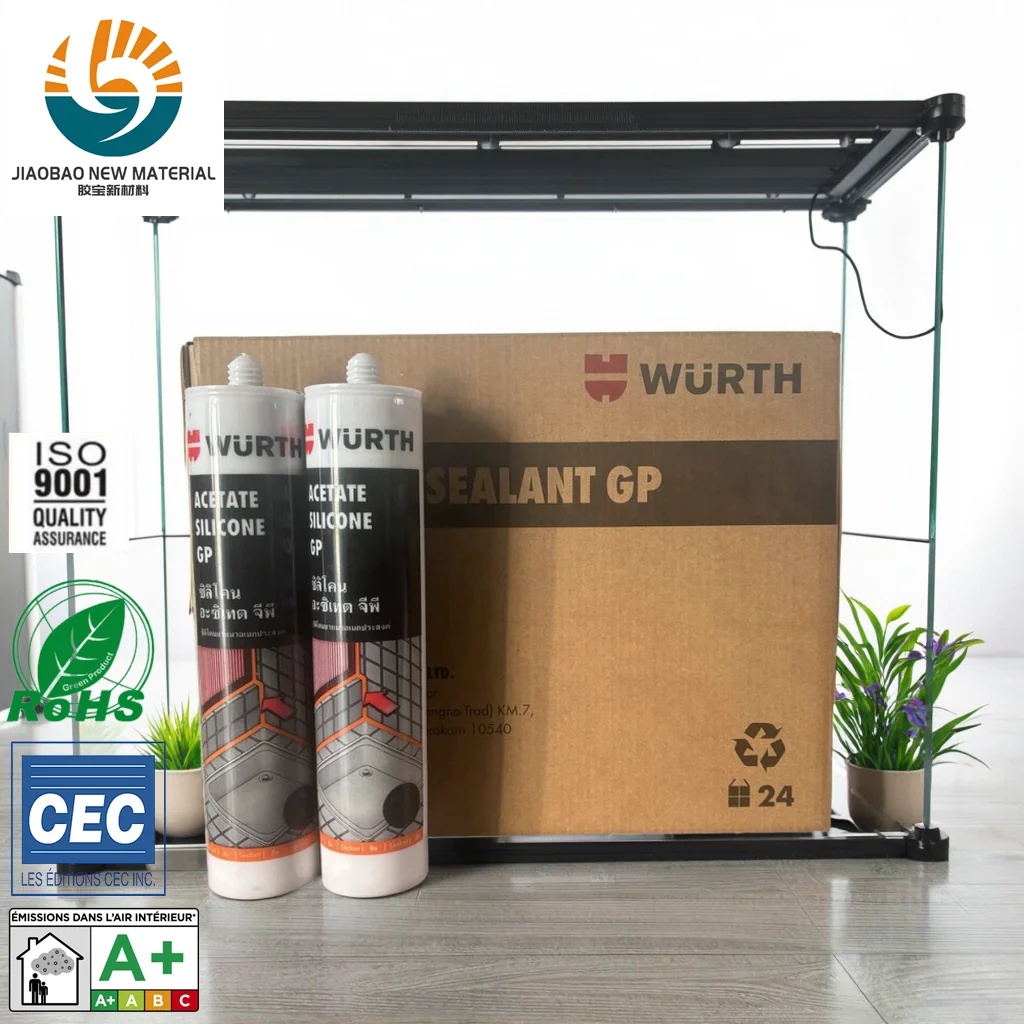
The fundamental distinction between neutral and acid silicone sealants lies in their curing chemistry and the byproducts they release during the crosslinking process. Understanding these differences enables informed selection that prevents material damage, ensures optimal adhesion, and delivers the intended sealing performance across diverse industrial and commercial applications.
Chemical Composition and Curing Mechanisms
Acid Silicone Sealant Chemistry
Acid silicone sealants utilize acetoxy-functional silicone polymers that release acetic acid during the moisture-driven curing process. This acidic byproduct creates a characteristic vinegar-like odor and establishes the sealant's aggressive bonding characteristics. The acetoxy groups react with atmospheric moisture to form silanol groups, which subsequently crosslink to create the final elastomeric seal.
The acetic acid release mechanism provides acid silicone sealants with superior adhesion to non-porous surfaces, particularly glass, glazed ceramics, and certain metal substrates. However, this same acidic environment can cause corrosion or discoloration when applied to sensitive materials, making material compatibility assessment essential before application.
Typical acid sealant formulations contain methyltriacetoxy silane or similar acetoxy-functional crosslinkers, along with reinforcing fillers, catalysts, and additives that enhance specific performance characteristics. The curing process typically completes within 24 to 48 hours under standard temperature and humidity conditions.
Neutral Silicone Sealant Chemistry
Neutral silicone sealants employ oxime, alkoxy, or amide-functional crosslinking systems that release non-corrosive byproducts during curing. Common neutral cure systems include methylethylketoxime (MEKO), methanol, or amines, depending on the specific formulation requirements and intended application characteristics.
The non-acidic curing mechanism of neutral silicone sealants eliminates the risk of substrate corrosion while maintaining excellent adhesion properties across a broader range of materials. This versatility makes neutral formulations particularly suitable for applications involving metals, natural stone, concrete, and other alkaline or acid-sensitive substrates.
Neutral cure systems typically require longer curing times compared to acid formulations, often extending to 72 hours or more for complete crosslinking. However, this extended cure schedule allows for better stress distribution and can result in superior long-term mechanical properties in certain applications.
Material Compatibility and Substrate Considerations
Acid Sealant Compatibility Profile
Acid silicone sealants demonstrate exceptional performance on glass surfaces, making them the preferred choice for glazing applications, window installations, and mirror mounting. The acidic cure system creates strong chemical bonds with silicate-based materials while providing excellent weather resistance and UV stability.
However, acid sealants must be avoided on metals prone to corrosion, including aluminum, copper, brass, and galvanized steel. The acetic acid release can initiate galvanic corrosion, cause metal discoloration, or compromise the structural integrity of thin metal components. Natural stone materials, particularly marble and limestone, can also suffer etching or discoloration from acid exposure.
Painted surfaces may experience adhesion failure or coating damage when exposed to acid silicone sealants during curing. Testing on inconspicuous areas becomes essential when substrate compatibility remains uncertain or when dealing with specialty coatings or treatments.
Neutral Sealant Compatibility Profile
Neutral silicone sealants offer broad substrate compatibility, making them suitable for mixed-material assemblies and applications where substrate sensitivity concerns exist. They bond effectively to metals, concrete, masonry, wood, and most plastic materials without causing corrosion or discoloration issues.
The non-corrosive nature of neutral cure systems makes them ideal for structural glazing applications, metal curtain wall systems, and precast concrete panel sealing. They maintain excellent adhesion to anodized aluminum, stainless steel, and other architectural metals commonly used in commercial construction.
Neutral formulations also demonstrate superior compatibility with porous substrates like concrete and natural stone, where the non-acidic cure system prevents substrate degradation while providing durable weatherproof sealing. This versatility extends to EPDM rubber, TPO membranes, and other roofing materials where chemical compatibility becomes critical.
Performance Characteristics and Application Requirements
Adhesion Strength and Durability
Acid silicone sealants typically achieve higher initial adhesion strengths on compatible substrates, particularly glass and ceramic materials. The aggressive bonding mechanism creates strong interfacial bonds that resist weathering, temperature cycling, and UV exposure over extended service periods.
The rapid cure characteristics of acid formulations enable faster project completion and reduced exposure to contamination during the vulnerable curing period. This advantage proves particularly valuable in high-traffic areas or environments where dust, moisture, or other contaminants could compromise sealant performance.
Neutral silicone sealants often exhibit superior long-term flexibility and resistance to stress cracking, making them preferable for applications subject to significant structural movement or thermal cycling. The extended cure time allows for better stress distribution and can result in enhanced fatigue resistance.
Environmental Performance Factors
Both acid and neutral silicone sealants provide excellent weather resistance, UV stability, and temperature performance across typical building envelope applications. However, specific environmental conditions may favor one formulation over another based on exposure severity and substrate requirements.
Neutral formulations generally demonstrate superior performance in alkaline environments or applications involving concrete, masonry, or other high-pH substrates. The non-acidic cure system prevents chemical incompatibility issues that could compromise long-term adhesion or sealant integrity.
Acid silicone sealants excel in applications requiring superior glass adhesion or where rapid cure characteristics provide project advantages. Their proven track record in glazing applications demonstrates reliable performance under diverse climatic conditions and exposure scenarios.
Application Guidelines and Selection Criteria
Project-Specific Selection Factors
Substrate material composition represents the primary selection criterion when choosing between neutral and acid silicone sealants. Projects involving metals, natural stone, or mixed-material assemblies typically require neutral formulations to prevent compatibility issues and ensure reliable long-term performance.
Glass-dominant applications, particularly structural glazing or curtain wall systems, may benefit from acid sealant characteristics when substrate compatibility allows. The superior glass adhesion and rapid cure properties of acid formulations can provide both performance and installation advantages.
Environmental exposure conditions, including temperature extremes, UV intensity, and chemical exposure, should inform sealant selection alongside substrate compatibility considerations. Neutral silicone sealants often demonstrate superior performance in challenging environmental conditions or applications requiring enhanced flexibility.
Installation and Quality Considerations
Proper surface preparation becomes critical regardless of sealant type, but neutral formulations may be more forgiving of minor surface contamination or preparation variations. The extended cure time allows for better wetting and adhesion development on marginally prepared surfaces.
Acid silicone sealants require careful attention to ventilation during application and curing due to acetic acid release. Enclosed spaces or areas with limited air circulation may necessitate additional ventilation measures to ensure worker safety and prevent odor accumulation.
Quality control procedures should include substrate compatibility testing, particularly when using acid formulations on questionable materials or when transitioning between different sealant types within a single project. Mock-up installations can help validate performance expectations before full-scale application.
FAQ
Can neutral and acid silicone sealants be used together on the same project?
Yes, neutral and acid silicone sealants can be used on the same project when applied to appropriate substrates. However, they should not be applied in direct contact with each other, as their different cure chemistries may create interfacial compatibility issues. Maintain proper separation between different sealant types and ensure each formulation matches its intended substrate requirements.
How long should I wait before exposing silicone sealants to weather conditions?
Acid silicone sealants typically develop sufficient surface cure for weather exposure within 6-12 hours, while neutral formulations may require 24-48 hours for adequate protection. However, full cure and optimal performance characteristics develop over 7-14 days for both types. Avoid exposure to extreme conditions during the initial cure period whenever possible.
What happens if I use acid silicone sealant on incompatible materials?
Using acid silicone sealants on incompatible materials can result in substrate corrosion, discoloration, adhesion failure, or sealant degradation. Common issues include metal corrosion on aluminum or copper, etching of natural stone surfaces, and paint or coating damage. Always test compatibility on inconspicuous areas before full application, and choose neutral formulations when substrate sensitivity is a concern.
Do neutral silicone sealants provide the same adhesion strength as acid formulations?
Neutral silicone sealants can achieve comparable adhesion strengths to acid formulations on most substrates, though acid sealants may show superior initial glass adhesion. The key difference lies in substrate compatibility rather than ultimate adhesion strength. Neutral formulations often demonstrate better long-term adhesion retention due to their non-corrosive nature and compatibility with a broader range of materials.
Table of Contents
- Chemical Composition and Curing Mechanisms
- Material Compatibility and Substrate Considerations
- Performance Characteristics and Application Requirements
- Application Guidelines and Selection Criteria
-
FAQ
- Can neutral and acid silicone sealants be used together on the same project?
- How long should I wait before exposing silicone sealants to weather conditions?
- What happens if I use acid silicone sealant on incompatible materials?
- Do neutral silicone sealants provide the same adhesion strength as acid formulations?