EN
EN



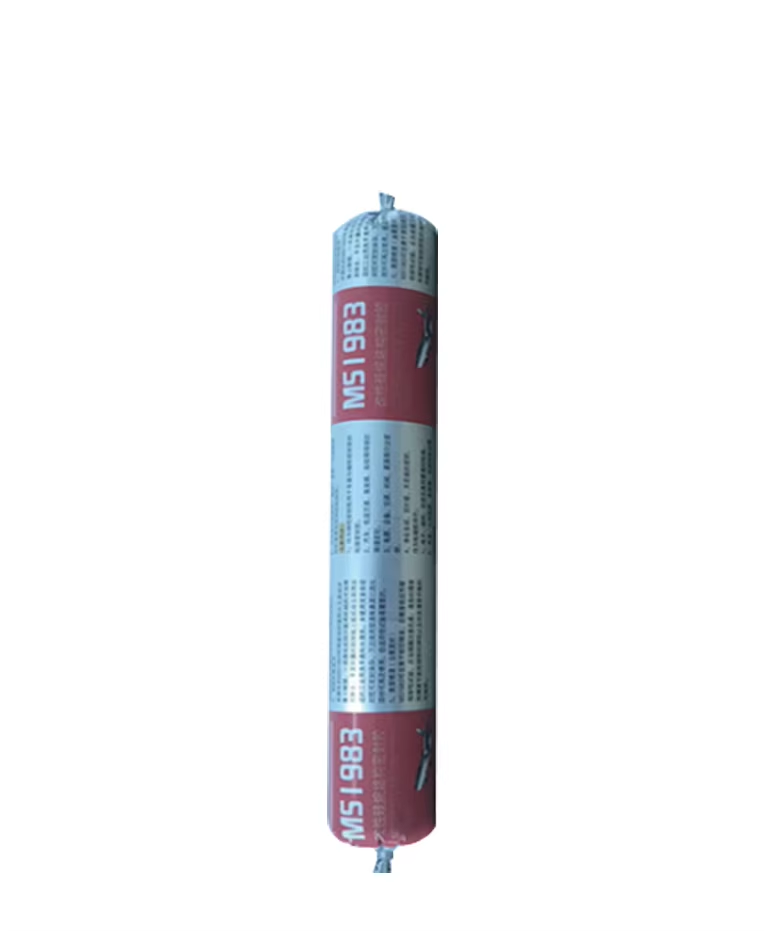
Modern building façades are engineering achievements that must perform reliably for decades under relentless environmental stress. From towering glass curtain walls to complex unitized cladding systems, the integrity of every façade depends heavily on one critical material: structural silicone sealant. This specialized bonding compound is not merely a gap filler — it is the engineered interface that transfers wind loads, accommodates thermal movement, and prevents water ingress, all while maintaining an optically clean exterior. Understanding how it delivers long-term façade safety is essential knowledge for architects, façade engineers, and building owners who expect their structures to remain secure and visually sound across decades of service.
The performance of structural silicone sealant goes far beyond aesthetics or simple weather resistance. It functions as a structural adhesive that bonds glass, metal, stone, or composite panels to the supporting framework, often serving as the sole mechanical connection between the panel and the building structure. This places enormous responsibility on the material. Any degradation in adhesion strength, flexibility, or chemical resistance can create conditions for catastrophic façade failure. This article examines the mechanisms through which structural silicone sealant ensures long-term safety, covering material science fundamentals, design considerations, durability factors, and maintenance protocols that together form a comprehensive façade safety strategy.
The Role of Structural Silicone Sealant in Façade Systems
Structural Bonding as a Load-Transfer Mechanism
In conventional façade systems, mechanical fasteners such as bolts and clamps bear the load of cladding panels. In structural glazing and advanced curtain wall systems, structural silicone sealant replaces or supplements these fasteners, creating a continuous adhesive bond that transfers loads along the entire bonded perimeter rather than concentrating stress at discrete points. This load distribution is one of the primary reasons why silicone-bonded façades can perform with exceptional uniformity under dynamic wind pressure.
Wind pressure on a high-rise façade can fluctuate between positive and negative values multiple times per second during storm events. The structural silicone sealant must resist both pushing and pulling forces without delaminating from the substrate. Engineers calculate the required bite width and bond depth based on design wind loads, ensuring the adhesive area is sufficient to prevent panel detachment even under worst-case weather scenarios. This engineering discipline is foundational to long-term façade safety.
Equally important is the sealant's role in transferring dead loads — the static weight of the panel itself — when the design relies on adhesive bonding rather than mechanical support. In two-sided and four-sided structural glazing systems, structural silicone sealant must sustain this persistent gravitational load continuously throughout the building's lifespan, which can extend well beyond 25 years in commercial construction.
Thermal Movement Accommodation
All façade materials expand and contract with temperature changes. Glass, aluminum, steel, concrete, and stone each have different coefficients of thermal expansion, meaning they move at different rates when temperatures shift. Without an accommodating interface, differential thermal movement generates shear and peel stresses that could crack glass panels or fracture rigid adhesive bonds. Structural silicone sealant, with its inherent elastomeric character, absorbs this movement and prevents destructive stress accumulation.
The modulus of elasticity of a properly formulated structural silicone sealant is deliberately low, allowing the joint to deform elastically under stress and recover to its original geometry when the stress is removed. This elastic recovery capability is not degraded by repeated cycling over decades, which distinguishes silicone from organic adhesives or polyurethane-based systems that can suffer permanent set or hardening over time.
Façade engineers must specify joint dimensions — particularly width and depth — that keep the sealant working within its design elongation range throughout the expected temperature cycling of the building's location. A structural silicone sealant joint that is too narrow relative to the thermal movement it must accommodate will eventually fail from tensile fatigue, while a joint that is oversized can create difficulties in achieving adequate adhesion to both substrates simultaneously.
Material Properties That Underpin Façade Durability
UV Resistance and Weathering Stability
Façade-exposed sealants face continuous ultraviolet radiation that degrades most organic polymers over time. The silicone backbone — a chain of silicon-oxygen bonds — is inherently more resistant to UV degradation than carbon-based polymer chains. This molecular stability means that structural silicone sealant retains its physical properties and adhesive strength far longer than alternatives when exposed to direct sunlight.
In practice, well-formulated structural silicone sealant products demonstrate minimal change in elongation at break and tensile strength after extended artificial weathering tests equivalent to many years of outdoor exposure. This resistance to photo-oxidation is critical on south-facing and west-facing façades in high-solar climates, where lesser materials would chalk, crack, or lose adhesion progressively.
The color stability of structural silicone sealant is also relevant to façade safety over the long term. A sealant that chalks or discolors may be indicating surface degradation, which raises questions about sub-surface integrity. High-quality silicone formulations maintain their color and surface appearance over decades, providing a visual indicator that the material remains chemically stable and structurally sound.
Temperature Extremes and Chemical Resistance
Buildings in extreme climates subject their façade sealants to temperatures ranging from well below freezing in winter to over 80°C at the glass surface during summer sun exposure. Structural silicone sealant retains flexibility and adhesive integrity across this wide thermal window, unlike materials that become brittle at low temperatures or flow under sustained heat. This thermal resilience is a direct contributor to long-term façade safety.
Chemical resistance matters in urban environments where acid rain, cleaning detergents, bird droppings, and industrial pollutants contact façade surfaces regularly. Structural silicone sealant resists chemical attack from dilute acids, alkalis, and most common cleaning agents without swelling, softening, or losing adhesion. Building maintenance teams can safely clean glazed façades without risking chemical degradation of the bonding compound.
Moisture resistance is another key property. Structural silicone sealant does not absorb water, preventing the hydrolytic degradation that affects many adhesive systems over time. Even in regions with heavy rainfall or high humidity, the silicone joint maintains its bond strength and elastomeric properties, ensuring that the façade remains watertight and structurally integral throughout its service life.
Engineering Design Principles for Safe Structural Silicone Joints
Calculating Bite Width and Sealant Geometry
The long-term safety of a structural silicone sealant joint begins at the design stage. Engineers must calculate the required bonded bite width — the contact dimension between the sealant and each substrate — based on the panel dimensions, wind design pressure, sealant design strength, and applicable safety factors. Internationally recognized standards provide the calculation methods that ensure adequate structural margin over the expected service life.
Most codes require the design tensile strength used in calculations to be significantly lower than the measured ultimate strength of the structural silicone sealant, providing a safety factor that accommodates material variability, installation imperfections, and long-term strength reduction due to aging. This conservatism is intentional and is a key reason why properly designed silicone-bonded façades perform safely over decades.
The aspect ratio of the sealant bead — the ratio of width to depth — influences both the stress distribution within the joint and the ease of achieving reliable adhesion during installation. A well-designed joint geometry minimizes peel stress concentrations at the bond line edges, which are the locations most vulnerable to adhesive failure initiation. Structural silicone sealant performs best when the joint geometry allows it to deform in the modes it was engineered to handle.
Substrate Preparation and Primer Selection
Even the highest-quality structural silicone sealant will fail prematurely if the substrate preparation is inadequate. Clean, dry substrates free of dust, oil, release agents, and oxidation are essential for achieving the adhesive bond strength on which façade safety depends. Anodized aluminum, painted metal, glass, and stone each require specific surface preparation protocols, which may include solvent wiping, mechanical abrasion, or chemical etching.
Many structural silicone sealant systems require the application of a primer to specific substrates to achieve reliable long-term adhesion. Primers work by modifying the surface chemistry of the substrate to improve compatibility with the silicone polymer network, resulting in a bond that resists hydrolysis and mechanical stress over many years. Correct primer selection, application technique, and open time compliance are all critical to bond durability.
Adhesion testing is a non-negotiable part of any structural silicone sealant application involving new or unusual substrate combinations. Field peel adhesion tests, conducted before and during production, confirm that the bonding system delivers the expected adhesive performance on the actual substrates in the actual environmental conditions of the project site. This testing regimen is a practical safeguard that directly supports long-term façade safety.
Quality Control and Long-Term Monitoring Practices
Factory and Field Application Quality Assurance
For unitized curtain wall systems manufactured in a controlled factory environment, structural silicone sealant application quality can be managed through systematic process controls. These include monitoring mixing ratios for two-component products, measuring sealant hardness during cure, inspecting bite width dimensions, and conducting peel adhesion tests on test specimens cured alongside production units. This factory quality assurance regime is the primary defense against latent installation defects that could compromise long-term performance.
Site-applied structural silicone sealant installations require equally rigorous quality controls, implemented in a more challenging environment. Qualified applicators must follow detailed method statements covering substrate cleaning sequences, primer application procedures, sealant mixing or tooling, and joint finishing. Inspection protocols must verify compliance at every stage, as defects concealed within a completed joint are impossible to detect without destructive testing.
The curing environment significantly affects the performance of structural silicone sealant. Temperature and humidity outside specified ranges can slow or inhibit cure, result in incomplete crosslinking, or cause surface defects. Applications performed in extreme cold or during rain without adequate protection risk producing joints with substandard mechanical properties. Project specifications should establish minimum environmental conditions that protect sealant quality during the critical curing window.
Periodic Inspection and Service Life Management
No adhesive material lasts indefinitely without condition assessment. Responsible façade ownership includes periodic visual inspection and, where accessible, tactile assessment of exposed structural silicone sealant joints to detect signs of cohesive cracking, adhesive separation, surface chalking, or discoloration. Catching early-stage deterioration allows targeted remediation before structural safety is compromised.
Modern façade inspection programs combine visual surveys from suspended access equipment with instrumental techniques such as infrared thermography, which can reveal moisture ingress behind cladding panels that may indicate sealant failure not yet visible on the exterior surface. This proactive monitoring approach extends the effective service life of the façade and reduces the risk of sudden failure events.
Where inspection reveals that the structural silicone sealant has reached the end of its reliable service life — typically evidenced by deep cohesive cracking, significant adhesive failure along bond lines, or excessive permanent deformation — recaulking or panel reglazure programs should be initiated. The design of original façade systems with future maintenance access in mind significantly reduces the cost and complexity of these eventual interventions, supporting the long-term safety and value of the building asset.
FAQ
What is the expected service life of structural silicone sealant in a façade application?
When properly designed, installed, and maintained, structural silicone sealant can deliver reliable performance for 25 years or more in façade applications. Actual service life depends on the quality of the product, substrate preparation, joint geometry, environmental exposure severity, and the maintenance inspection regime applied over the building's life. Many well-executed structural glazing projects have demonstrated sealant integrity well beyond initial design assumptions, confirming silicone's exceptional long-term durability in demanding outdoor environments.
Can structural silicone sealant be used on all types of façade substrates?
Structural silicone sealant is compatible with a wide range of façade substrates including anodized aluminum, various painted metals, clear and coated glass, natural stone, and certain composites. However, compatibility and adhesion performance must be verified through testing for each specific substrate and surface finish combination before production. Some substrates require specific primers to achieve reliable long-term adhesion, and certain coatings or treatments may not be compatible with silicone chemistry. Always conduct adhesion testing as part of the project qualification process.
How does structural silicone sealant differ from weatherproofing sealant in façade applications?
Structural silicone sealant is engineered to carry defined mechanical loads, including wind pressure and panel dead load, as a structural adhesive in the façade system. It is formulated to meet specific tensile strength and modulus requirements established by engineering calculations. Weatherproofing sealant, used at exposed joint perimeters, primarily seals against water and air infiltration without carrying structural loads. Using a weatherproofing product in a structural application — or vice versa — creates significant safety risks and is a critical installation error that could result in panel detachment.
What are the most common causes of structural silicone sealant failure in façades?
The most common causes of premature failure in structural silicone sealant joints include inadequate substrate preparation, wrong or missing primer application, installation in unsuitable environmental conditions, incorrect joint geometry, use of a non-structural product in a structural application, and incompatibility with adjacent materials such as certain insulating glass spacer components or setting blocks. Structural overloading from incorrect design calculations or unanticipated building movements can also initiate failure. A systematic quality assurance program covering design, material qualification, and installation is the most effective strategy for preventing these failure modes.
Table of Contents
- The Role of Structural Silicone Sealant in Façade Systems
- Material Properties That Underpin Façade Durability
- Engineering Design Principles for Safe Structural Silicone Joints
- Quality Control and Long-Term Monitoring Practices
-
FAQ
- What is the expected service life of structural silicone sealant in a façade application?
- Can structural silicone sealant be used on all types of façade substrates?
- How does structural silicone sealant differ from weatherproofing sealant in façade applications?
- What are the most common causes of structural silicone sealant failure in façades?