EN
EN



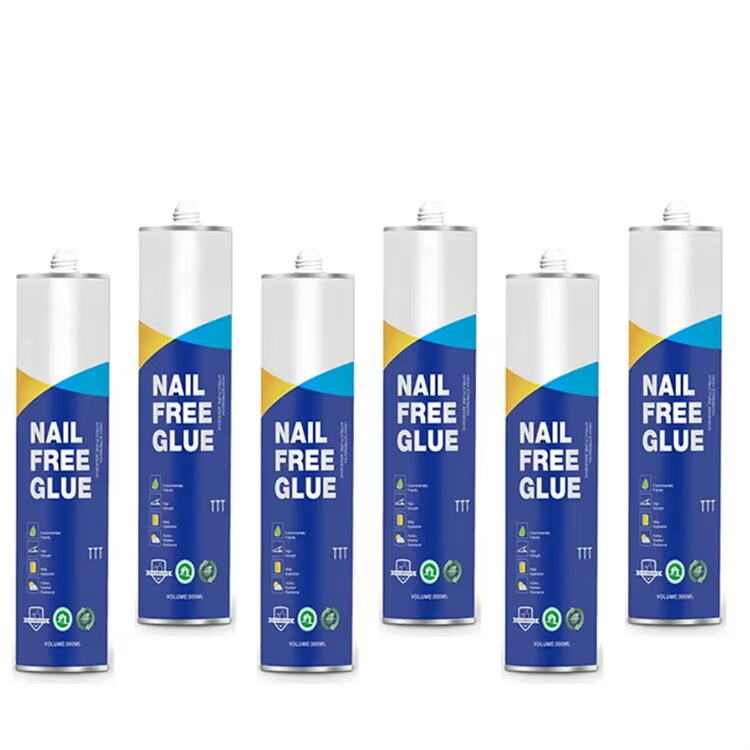
When it comes to sealing, bonding, and protecting surfaces in both commercial and residential settings, material compatibility is everything. Not every sealant performs equally across all substrates, and choosing the wrong product can lead to adhesion failure, moisture infiltration, or premature surface deterioration. Acrylic sealant has earned a well-established reputation in the construction and manufacturing industries precisely because of its broad surface compatibility, ease of application, and reliable long-term performance on a wide range of materials.
Understanding which surfaces benefit most from acrylic sealant applications allows procurement managers, contractors, and product engineers to make smarter material decisions that reduce rework costs and extend the lifespan of sealed assemblies. This article examines the most compatible surface types, explains the material science behind those compatibility relationships, and provides practical guidance on where acrylic sealant delivers superior results compared to alternative sealing technologies.
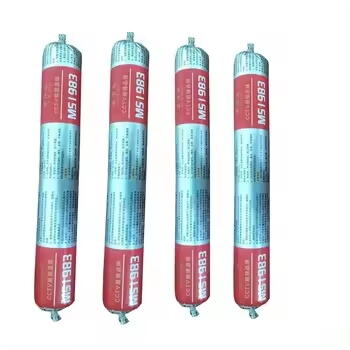
Understanding What Makes a Surface Compatible with Acrylic Sealant
Surface Porosity and Adhesion Dynamics
One of the primary reasons acrylic sealant performs so well on certain surfaces is the way it interacts with porous substrates. Acrylic formulations penetrate slightly into surface irregularities, creating a mechanical bond that complements chemical adhesion. This behavior makes it especially well-suited to substrates like concrete, masonry, and wood, where micro-pores in the surface allow the sealant to anchor firmly during the curing process.
Surface energy also plays a critical role. Higher surface energy materials, such as concrete and most painted surfaces, tend to accept water-based acrylic sealant readily, allowing the compound to spread uniformly and form a consistent bead. This reduces the risk of voids, gaps, or uneven adhesion that could allow moisture or air infiltration over time.
It is important to note that surface preparation quality directly influences how well acrylic sealant adheres to any substrate. Dust, oil, loose particles, and moisture on the surface significantly reduce adhesion quality. Proper cleaning, priming where required, and dry conditions during application are prerequisites for achieving the expected performance on any compatible surface.
Flexibility Requirements and Substrate Movement
Acrylic sealant offers moderate flexibility, which is appropriate for substrates that experience limited thermal expansion or structural movement. Porous materials like brick, plaster, and fiber cement board do not typically undergo extreme joint movement, making them ideal candidates for acrylic formulations. The acrylic sealant maintains its integrity without cracking or delaminating under the modest dimensional changes these materials experience across seasonal temperature cycles.
For applications involving high-movement joints or substrates subject to vibration, a more elastic sealant technology would be required. However, for the vast majority of interior and semi-exposed exterior applications involving the compatible surfaces discussed in this article, the flexibility range of acrylic sealant is entirely adequate and provides excellent long-term joint stability.
Masonry and Concrete Surfaces
Why Concrete Is a Primary Beneficiary
Concrete is arguably the surface that benefits most consistently from acrylic sealant applications. The inherently porous and slightly rough texture of concrete provides an ideal anchor for acrylic formulations. When applied to concrete wall joints, floor expansion gaps, or surface cracks, acrylic sealant fills voids cleanly, cures to a paintable finish, and resists the dust and traffic common in commercial construction environments.
In building façade applications, acrylic sealant is frequently used to seal the joints between precast concrete panels and around window openings in concrete frames. The sealant prevents water ingress without requiring the same level of movement accommodation that silicone-based products are designed to provide. This makes it a cost-effective and reliable choice in applications where concrete joints are largely static after initial structural settling.
Another practical advantage on concrete surfaces is the paintability of acrylic sealant after curing. Unlike silicone alternatives, acrylic formulations accept topcoats readily, allowing finished joints to blend seamlessly with surrounding wall or floor surfaces. This characteristic is especially valued in interior fit-out projects where aesthetics are as important as sealing performance.
Brick and Masonry Block Applications
Brick and concrete masonry unit (CMU) surfaces benefit from acrylic sealant for many of the same reasons as poured concrete. The textured, slightly absorbent surface of brick provides strong mechanical adhesion for the sealant, while the relatively low thermal expansion coefficient of masonry means joint movement remains within the performance envelope of acrylic formulations.
In residential construction, acrylic sealant is widely applied around window and door frames set into brick cavity walls. It provides a clean, weather-resistant seal that bonds well to both the brick face and the frame material, typically a painted timber or uPVC profile. The sealant's compatibility with paint finishes ensures the sealed joint can be finished to match the exterior color scheme without primer complications.
Timber and Wood-Based Surfaces
Natural Timber Framing and Joinery
Timber is another surface category where acrylic sealant consistently demonstrates strong performance. Natural wood is porous and provides excellent mechanical adhesion for water-based acrylic compounds. In joinery applications — such as sealing the perimeter of window frames, door architraves, skirting boards, and coving — acrylic sealant is the industry standard choice because it adheres cleanly to both primed timber and painted wood surfaces.
One practical consideration with timber is moisture content. Wood that is too wet during sealant application may cause adhesion problems or slow curing. Acrylic sealant performs best on timber with a moisture content within the accepted range for interior conditions, typically below 18%. Ensuring the timber is at equilibrium moisture content before application significantly improves long-term adhesion and prevents joint cracking as the wood dries and shrinks.
The paintability of acrylic sealant is particularly valuable on timber joinery. After curing, joints sealed with acrylic sealant can be overcoated with emulsion or gloss paint without adhesion failure, making it the go-to product for carpenters and decorators completing interior finishing work. This compatibility with paint finish systems is a key reason acrylic sealant dominates in interior wood sealing applications.
Engineered Wood and Board Materials
Engineered wood products such as MDF (medium-density fiberboard), plywood, OSB (oriented strand board), and fiber cement board are extensively used in modern construction and furniture manufacturing. These materials present a denser, more uniform surface than natural timber, but still offer adequate porosity for acrylic sealant to establish reliable adhesion.
In cabinetry and interior panel systems, acrylic sealant is applied to seal joints between panels, around recessed fixtures, and along baseboards. Its clean application characteristics, shrink-resistance on MDF, and compatibility with decorative topcoats make it the preferred sealing medium in furniture production and interior fit-out work. For exterior-grade engineered boards exposed to moderate weather, a high-quality acrylic sealant with enhanced UV and moisture resistance will outperform basic formulations.
Plaster, Drywall, and Interior Finish Surfaces
Plaster and Render Substrates
Traditional sand and cement render, as well as gypsum plaster finishes, are highly receptive to acrylic sealant. The fine, consistent texture of plaster walls provides an excellent bonding surface, and acrylic sealant adheres without primer on most properly cured plaster surfaces. This makes it highly practical for sealing cracks in plasterwork, junction lines between wall and ceiling, and around fitted fixtures in both domestic and commercial environments.
A key advantage of acrylic sealant on plaster is its ability to be applied over slightly damp surfaces in some formulations, which is useful in renovation projects where complete drying of new plaster is not always achievable before sealing work must proceed. The water-based nature of acrylic sealant is also compatible with the alkaline chemistry of fresh plaster, unlike some solvent-based sealants that may react or blush on alkaline substrates.
After curing, joints sealed with acrylic sealant on plaster walls can be sanded, feathered, and painted without visible seam lines. This level of aesthetic integration is difficult to achieve with silicone sealants, which resist paint and remain visibly distinct from surrounding plasterwork. This characteristic makes acrylic sealant the clear preference for any interior plastered surface requiring a finished, unified appearance.
Drywall and Gypsum Board
Drywall, also known as gypsum board or plasterboard, is one of the most frequently sealed surfaces in commercial construction. Acrylic sealant is applied along the perimeter joints of drywall installations, around electrical and plumbing penetrations, and at the intersections of partitions with structural elements. The paper-faced surface of drywall bonds well with acrylic formulations, and the sealant remains flexible enough to accommodate the minor racking and settlement typical of lightweight partition systems.
In fire-rated drywall assemblies, specific acrylic sealant formulations with fire-retardant properties are used to maintain the fire integrity of the assembly at penetrations and perimeter gaps. This specialized application confirms that acrylic sealant is not only cosmetically effective on gypsum board surfaces but also performs in safety-critical construction details when the appropriate formulation is selected.
Painted and Coated Surfaces
Compatibility with Painted Substrates
Pre-painted surfaces represent one of the most common substrate conditions encountered in renovation and maintenance work. Acrylic sealant bonds reliably to most cured paint systems, including emulsion paint, alkyd gloss, and latex coatings. This compatibility is a significant advantage in renovation projects where sealing work must be performed over existing painted surfaces without stripping or abrading the finish.
In exterior repainting work, acrylic sealant is applied to seal cracks and gaps in existing painted masonry or timber before topcoats are applied. Because acrylic sealant accepts paint overcoating readily, it integrates seamlessly into the repainting workflow, requiring no additional masking or isolation steps. This efficiency makes acrylic sealant a highly valued product in the decorating and building maintenance trades.
Coated Metal and Primed Steel
While bare metal surfaces generally require specialized sealants with metal-specific adhesion promoters, coated or primed metal surfaces are a valid substrate for acrylic sealant in moderate-exposure applications. Primed steel window frames, powder-coated aluminum extrusions used as trim, and factory-painted steel panels all provide a coated surface that acrylic sealant can bond to with adequate preparation.
In these applications, surface cleanliness is critical. Any grease, contamination, or poorly adhered primer must be removed before applying acrylic sealant. When applied to well-prepared, coated metal surfaces in interior or semi-sheltered exterior conditions, acrylic sealant provides a reliable, paintable seal that accommodates the moderate thermal movement typical of metal framing elements in building construction.
FAQ
Can acrylic sealant be used on glass or ceramic tile surfaces?
Acrylic sealant is generally not recommended for glass or glazed ceramic tile surfaces as a primary structural sealant. These smooth, non-porous surfaces reduce the mechanical adhesion that acrylic formulations rely on, and the sealant may not bond durably enough to provide a reliable long-term seal. Silicone sealant is the preferred choice for glass and ceramic applications, particularly in wet areas. However, acrylic sealant can be used around the perimeter of tile installations on porous wall materials where the bond to the tile face is secondary to the bond to the substrate.
Is acrylic sealant suitable for exterior applications with direct water exposure?
Standard acrylic sealant is water-based and has moderate water resistance after full cure, but it is not designed for continuous or submersed water exposure. For exterior applications subject to regular rainfall or splashing, a high-performance acrylic sealant formulated with enhanced weathering resistance is appropriate for above-grade use on compatible substrates like masonry and painted timber. Applications directly in contact with standing water or below-grade moisture should use purpose-designed waterproofing sealants or silicone alternatives with superior water resistance.
How does surface temperature affect acrylic sealant application and performance?
Acrylic sealant should be applied when substrate and ambient temperatures are within the range specified by the manufacturer, typically between 5°C and 40°C (41°F to 104°F). Application in temperatures below this range slows curing and may cause adhesion problems, while very high surface temperatures can cause the sealant to skin over prematurely before proper adhesion is established. On hot, sun-exposed surfaces, it is advisable to apply acrylic sealant in cooler parts of the day to ensure proper open time and wet-out on the substrate.
Does acrylic sealant require priming before application on porous surfaces?
On most common porous surfaces such as concrete, masonry, and primed timber, acrylic sealant can be applied directly without a separate primer. However, on highly absorbent or dusty surfaces, a compatible sealer or primer coat can improve adhesion uniformity and prevent the substrate from drawing moisture from the sealant too quickly during cure. Always follow the product manufacturer's surface preparation guidelines, as the porosity and condition of the specific substrate will determine whether priming adds meaningful adhesion benefit in the given application.
Table of Contents
- Understanding What Makes a Surface Compatible with Acrylic Sealant
- Masonry and Concrete Surfaces
- Timber and Wood-Based Surfaces
- Plaster, Drywall, and Interior Finish Surfaces
- Painted and Coated Surfaces
-
FAQ
- Can acrylic sealant be used on glass or ceramic tile surfaces?
- Is acrylic sealant suitable for exterior applications with direct water exposure?
- How does surface temperature affect acrylic sealant application and performance?
- Does acrylic sealant require priming before application on porous surfaces?