EN
EN



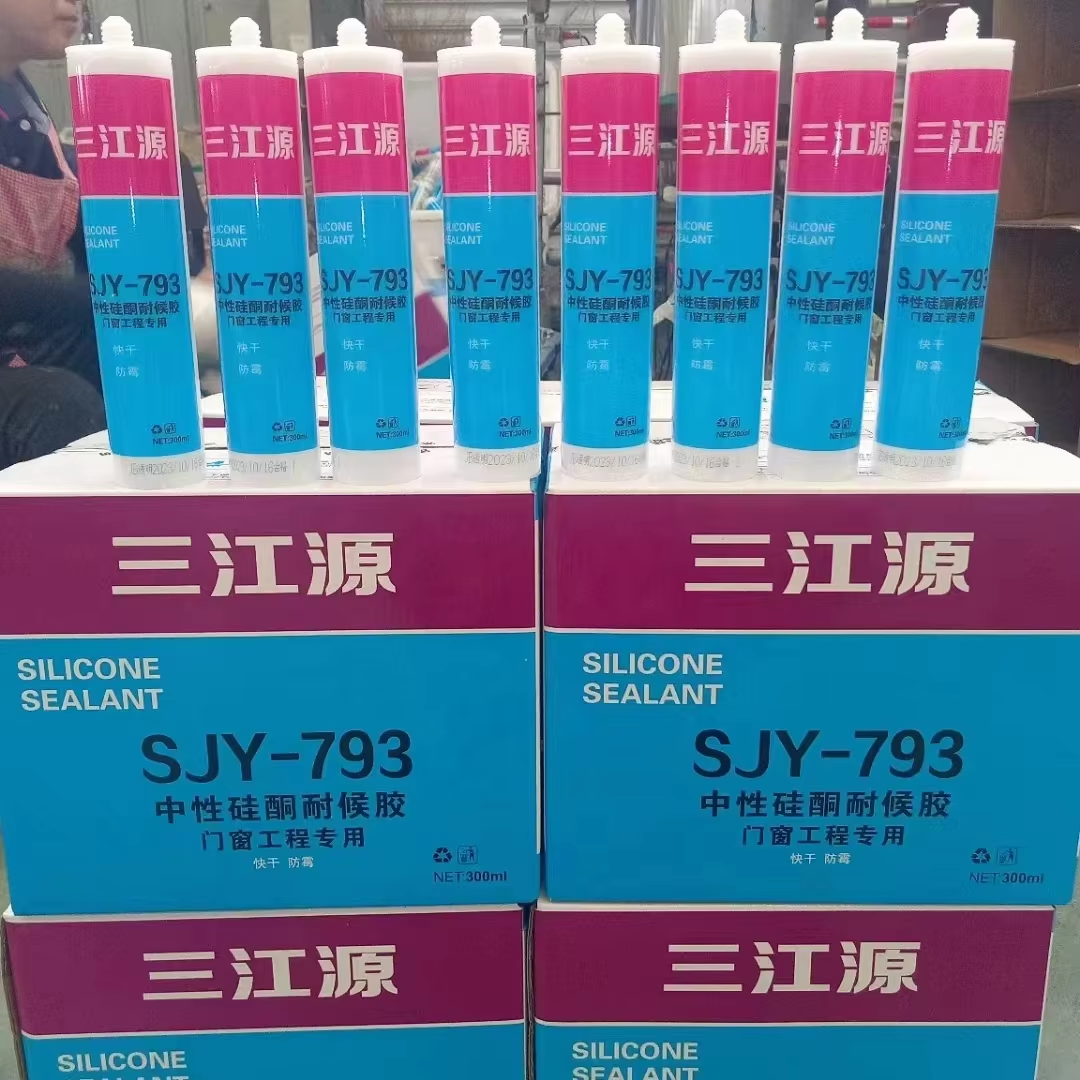
Structural silicone sealant plays a critical role in modern building facade systems by providing the essential adhesive bond that holds glass panels and structural components together safely for decades. This specialized sealant technology creates weatherproof, load-bearing connections that must withstand extreme environmental conditions while maintaining structural integrity throughout the building's lifespan. Understanding how structural silicone sealant ensures long-term facade safety requires examining its unique chemical properties, bonding mechanisms, and performance characteristics under real-world stress conditions.
The safety of curtain wall and glazing systems depends entirely on the reliability of the structural silicone sealant bonds that transfer loads from the glass to the building frame. Unlike conventional sealants that merely fill gaps, structural silicone sealant must function as a primary structural element capable of supporting significant wind loads, seismic forces, and thermal movements while preventing water infiltration and air leakage. This dual structural and weatherproofing function makes the selection and application of appropriate structural silicone sealant formulations essential for ensuring both immediate installation safety and decades of reliable performance.
Chemical Composition and Bonding Mechanisms
Polymer Chain Structure and Cross-Linking
The long-term safety performance of structural silicone sealant begins with its unique polymer chemistry, which creates exceptionally durable bonds through siloxane cross-linking mechanisms. Unlike organic polymer sealants that degrade under UV exposure and thermal cycling, structural silicone sealant maintains its molecular stability through silicon-oxygen backbone chains that resist environmental breakdown. These cross-linked polymer networks develop during the curing process as atmospheric moisture catalyzes the formation of strong covalent bonds between silicone molecules.
The cross-linking density achieved in properly formulated structural silicone sealant creates a three-dimensional polymer matrix that distributes mechanical stresses evenly across the bond line. This molecular architecture prevents stress concentration points that could lead to crack initiation and propagation over time. Additionally, the inherent flexibility of the siloxane polymer chains allows the cured structural silicone sealant to accommodate building movements and thermal expansion without losing adhesive strength or developing internal stress fractures.
Advanced structural silicone sealant formulations incorporate specific catalyst systems and cross-linking promoters that ensure complete cure throughout the bond thickness, even in deep structural glazing applications. This complete polymerization eliminates uncured regions that could serve as weak points or sources of outgassing that might compromise long-term adhesion performance.
Adhesion Chemistry and Surface Interaction
The safety-critical adhesion performance of structural silicone sealant depends on complex chemical interactions between the sealant and substrate surfaces at the molecular level. Proper adhesion occurs through a combination of mechanical interlocking with surface irregularities and chemical bonding through silanol groups that form during the curing process. These chemical bonds create permanent attachment points that cannot be easily disrupted by environmental exposure or mechanical stress.
Surface preparation protocols for structural silicone sealant applications must ensure optimal chemical bonding by removing contaminants that could interfere with silanol formation and by providing appropriate surface energy for wetting and penetration. The use of compatible primers enhances the formation of these critical chemical bonds and provides additional insurance against adhesion failure under long-term environmental exposure.
The adhesion mechanisms developed by properly applied structural silicone sealant create bonds that actually strengthen over time as continued moisture exposure promotes additional cross-linking and chemical bonding. This progressive strengthening characteristic distinguishes structural silicone sealant from other adhesive technologies that typically experience strength degradation with age.
Load Transfer and Structural Performance
Wind Load Resistance and Distribution
Structural silicone sealant ensures facade safety by effectively transferring wind loads from glass panels to the supporting structural frame through carefully engineered bond geometries and stress distribution patterns. The elastomeric properties of cured structural silicone sealant allow it to deform under load while maintaining structural continuity, preventing sudden failure modes that could compromise building safety. This load transfer capability must be maintained across a wide range of environmental conditions and load magnitudes throughout the building's service life.
The design of structural glazing systems using structural silicone sealant incorporates specific bond widths and thicknesses calculated to distribute anticipated wind loads below the material's ultimate strength limits with appropriate safety factors. These calculations account for both positive and negative wind pressures that create alternating tension and compression forces on the sealant bonds. The viscoelastic behavior of structural silicone sealant enables it to accommodate these cyclic loads without developing fatigue cracks or progressive damage.
Long-term wind load resistance depends on the structural silicone sealant maintaining its mechanical properties under sustained stress conditions. Properly formulated products demonstrate excellent creep resistance, preventing gradual deformation under constant loads that could lead to progressive failure or loss of weathersealing performance over decades of service.
Seismic Movement Accommodation
The ability of structural silicone sealant to accommodate seismic movements while maintaining structural integrity represents a critical safety function in earthquake-prone regions. During seismic events, buildings experience complex three-dimensional movements that impose significant shear and tensile stresses on facade connections. The high elongation capability of structural silicone sealant, typically exceeding 100% strain at failure, provides the flexibility needed to survive these extreme movement conditions without catastrophic bond failure.
Seismic design requirements for structural silicone sealant applications consider both the magnitude and frequency of anticipated building movements to ensure adequate bond dimensions and appropriate sealant specifications. The rapid strain rate conditions that occur during earthquakes require structural silicone sealant formulations with enhanced dynamic mechanical properties that prevent brittle failure under shock loading conditions.
Recovery characteristics of structural silicone sealant after seismic loading ensure that temporary deformations do not result in permanent damage or reduced safety performance. The elastic memory of properly formulated structural silicone sealant allows bonds to return to their original configuration after movement events, maintaining both structural capacity and weathersealing effectiveness for continued service.
Environmental Durability and Weathering Resistance
UV Radiation and Thermal Stability
Long-term facade safety depends on structural silicone sealant maintaining its mechanical and adhesive properties despite decades of exposure to intense UV radiation and extreme temperature cycling. The silicon-oxygen polymer backbone of structural silicone sealant provides inherent resistance to UV degradation that would quickly destroy organic polymer adhesives. This UV stability prevents the surface chalking, cracking, and strength loss that could compromise structural performance over time.
Thermal cycling resistance ensures that structural silicone sealant bonds remain intact and functional despite daily and seasonal temperature variations that can exceed 100°C in some facade applications. The low glass transition temperature of silicone polymers maintains flexibility even at extremely low temperatures, preventing brittle failure during winter conditions. Conversely, the high thermal stability of structural silicone sealant prevents softening and creep at elevated temperatures encountered on sun-exposed facades.
Advanced structural silicone sealant formulations incorporate specific UV stabilizers and heat-resistant additives that enhance long-term performance under extreme exposure conditions. These formulation enhancements ensure that safety-critical properties remain within design specifications throughout the anticipated service life of the building facade.
Moisture and Chemical Resistance
The safety performance of structural silicone sealant under long-term moisture exposure demonstrates the critical importance of hydrolytic stability in maintaining structural integrity. While moisture is required for the initial curing process, continued exposure to water and humidity must not degrade the cured polymer network or compromise adhesion to substrate materials. High-quality structural silicone sealant formulations resist hydrolysis and maintain their cross-linked structure even under conditions of continuous moisture exposure.
Chemical resistance properties protect structural silicone sealant bonds from degradation due to exposure to cleaning solutions, atmospheric pollutants, and other environmental chemicals commonly encountered in building applications. The chemically inert nature of cured silicone polymers provides excellent resistance to acids, alkalis, and organic solvents that could potentially attack other types of structural adhesives.
Freeze-thaw cycling resistance ensures that structural silicone sealant maintains its performance in climates where repeated freezing and thawing of moisture within the facade system could create destructive expansion forces. The flexibility and adhesion characteristics of structural silicone sealant prevent ice crystal formation from disrupting critical bonds or creating pathways for further moisture intrusion.
Quality Control and Performance Verification
Testing Standards and Compliance Verification
Ensuring long-term facade safety requires rigorous testing and quality control protocols that verify structural silicone sealant performance under simulated service conditions. Industry testing standards such as ASTM C1184 and ETAG 002 establish comprehensive evaluation procedures that assess adhesion strength, cohesive properties, and durability characteristics under accelerated aging conditions. These standardized tests provide objective verification that structural silicone sealant products will maintain safety-critical performance throughout their intended service life.
Compatibility testing between structural silicone sealant and specific substrate materials ensures that optimal adhesion will be achieved in actual applications. Different glass coatings, aluminum finishes, and structural materials can significantly affect bonding performance, making project-specific compatibility verification essential for safety assurance. This testing typically includes exposure to elevated temperature and humidity conditions that accelerate potential adhesion degradation mechanisms.
Long-term weathering tests expose structural silicone sealant samples to UV radiation, thermal cycling, and moisture conditions that simulate decades of natural exposure in compressed timeframes. These accelerated aging protocols help identify potential failure modes and verify that material properties remain within acceptable limits throughout the anticipated service life of the facade system.
Installation Quality Assurance
The safety performance of structural silicone sealant depends critically on proper installation procedures that ensure complete substrate coverage, appropriate bond thickness, and optimal curing conditions. Quality assurance protocols during installation include verification of surface preparation, primer application where required, and environmental conditions during application and cure. Inadequate installation procedures can compromise even the highest quality structural silicone sealant products.
Adhesion testing during installation provides immediate verification that proper bonds are being achieved between the structural silicone sealant and substrate materials. Pull-off tests and cohesive failure verification help identify potential problems before the facade system is put into service, preventing safety issues that could develop over time due to inadequate initial bonding.
Documentation and traceability requirements for structural silicone sealant applications ensure that material specifications, installation procedures, and quality verification results are properly recorded for future reference. This documentation becomes essential for maintenance planning and can provide valuable information if performance issues develop during the building's service life.
FAQ
How long does structural silicone sealant maintain its safety performance in facade applications?
High-quality structural silicone sealant typically maintains its safety-critical properties for 20-25 years or more when properly selected and installed. The actual service life depends on environmental exposure conditions, installation quality, and specific product formulation. Regular inspection and maintenance can help identify any degradation before it compromises safety performance.
What factors can reduce the long-term safety performance of structural silicone sealant?
The primary factors that can compromise structural silicone sealant safety performance include improper surface preparation, incompatible primer or substrate materials, inadequate cure conditions during installation, and exposure to chemicals or conditions beyond the product's design specifications. UV exposure and thermal cycling are normal service conditions that high-quality products are designed to withstand.
How can building owners verify that their structural silicone sealant remains safe over time?
Regular visual inspections should look for signs of adhesion loss, cracking, or discoloration in structural silicone sealant bonds. Professional facade inspections can include adhesion pull tests and detailed examination of critical bond areas. Any signs of deterioration should be evaluated by qualified professionals to determine if remedial action is needed to maintain safety performance.
What happens if structural silicone sealant fails in a facade system?
Failure of structural silicone sealant can result in loss of glass panel support, water infiltration, and potential safety hazards from falling glass or compromised structural integrity. Modern facade designs typically incorporate backup safety systems and redundant load paths, but primary structural silicone sealant failure still requires immediate professional assessment and remediation to restore safe operating conditions.
Table of Contents
- Chemical Composition and Bonding Mechanisms
- Load Transfer and Structural Performance
- Environmental Durability and Weathering Resistance
- Quality Control and Performance Verification
-
FAQ
- How long does structural silicone sealant maintain its safety performance in facade applications?
- What factors can reduce the long-term safety performance of structural silicone sealant?
- How can building owners verify that their structural silicone sealant remains safe over time?
- What happens if structural silicone sealant fails in a facade system?