EN
EN



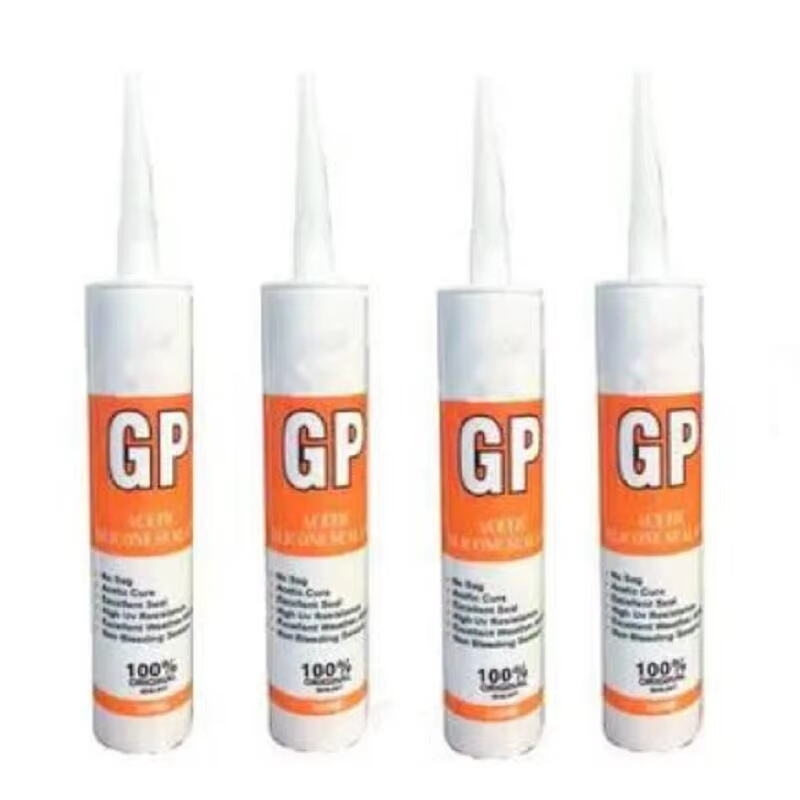
Essential Guidelines for Silicone Sealant Storage and Preservation
GP silicone sealant has become an indispensable product in construction, home improvement, and industrial applications. Proper storage is crucial not only for maintaining its effectiveness but also for ensuring safety and extending shelf life. Understanding the correct storage practices can save both time and resources while guaranteeing optimal performance when the sealant is needed.
Whether you're a professional contractor managing a large inventory or a DIY enthusiast keeping a few tubes at home, implementing the right storage methods for GP silicone sealant is essential. This comprehensive guide will explore the best practices, potential pitfalls, and expert recommendations for storing this versatile material.
Optimal Storage Conditions for Maximum Shelf Life
Temperature Control and Environmental Factors
GP silicone sealant requires specific temperature conditions to maintain its integrity. The ideal storage temperature ranges between 40°F and 80°F (4°C to 27°C). Extreme temperatures can compromise the sealant's chemical composition, leading to premature curing or degradation. During summer months, it's particularly important to keep GP silicone sealant away from direct sunlight and heat sources.
Humidity also plays a crucial role in storage conditions. Excessive moisture can trigger premature curing of the sealant while inside the container. Maintain a relative humidity level below 60% in storage areas. Consider using dehumidifiers in particularly damp environments to protect your GP silicone sealant inventory.
Proper Packaging and Container Integrity
Original packaging provides the best protection for GP silicone sealant. Always ensure tubes or cartridges are tightly sealed after each use. For opened containers, specialized sealant caps or plugs can help preserve the remaining product. Check regularly for any signs of damage to the packaging that might allow air or moisture to enter.
When storing multiple units, keep them in their original boxes or appropriate storage containers. This additional layer of protection shields the sealant from environmental factors and physical damage. For bulk storage, consider using sturdy shelving systems that allow for proper air circulation while protecting the products from potential impacts.
Organization and Inventory Management
Systematic Storage Arrangements
Implementing a first-in-first-out (FIFO) system ensures that older GP silicone sealant gets used before newer stock. Label storage areas clearly with purchase dates and expiration information. Create designated zones for different types or applications of sealant to prevent confusion and improve accessibility.
Consider using climate-controlled storage cabinets or rooms for large quantities of GP silicone sealant. Organize products vertically to maximize space efficiency while maintaining easy access. Keep frequently used items at eye level and ensure adequate spacing between products to prevent damage from overcrowding.
Regular Inventory Checks and Maintenance
Conduct monthly inspections of stored GP silicone sealant to identify any potential issues early. Check for signs of container bulging, hardening, or leakage. Remove any compromised products immediately to prevent contamination of surrounding inventory. Document these checks as part of your maintenance routine.
Maintain detailed inventory records including purchase dates, lot numbers, and expiration dates. This information helps track product rotation and ensures timely use before expiration. Regular audits can help identify storage optimization opportunities and prevent overstock situations.
Safety Considerations and Handling Protocols
Personal Protection and Safety Equipment
When handling stored GP silicone sealant, always wear appropriate personal protective equipment (PPE). This includes gloves when moving or inspecting containers, as well as eye protection when working with the product. Ensure all storage area personnel are trained in proper handling procedures and safety protocols.
Keep material safety data sheets (MSDS) readily available in storage areas. These documents provide crucial information about handling, exposure risks, and emergency procedures. Post emergency contact numbers and first aid procedures in visible locations throughout storage areas.
Emergency Response and Spill Management
Develop and maintain clear procedures for handling spills or leaks of GP silicone sealant. Keep appropriate spill containment materials nearby, including absorbent materials and cleaning supplies. Train staff on proper disposal methods for both unused product and cleaning materials used in spill response.
Ensure proper ventilation in storage areas to maintain air quality and prevent accumulation of fumes. Install fire suppression systems appropriate for chemical storage areas and conduct regular testing of safety equipment and alarms.
Frequently Asked Questions
How long can GP silicone sealant be stored before it expires?
GP silicone sealant typically has a shelf life of 12 to 18 months when stored properly in unopened containers at recommended temperatures. However, once opened, the product should ideally be used within one month for best results.
What are the signs that stored silicone sealant has gone bad?
Signs of deterioration include hardening within the container, separation of components, unusual consistency or color changes, and difficulty in dispensing the product. If the container is bulging or the sealant has started to cure inside, it should be disposed of properly.
Can partially used tubes of GP silicone sealant be saved for later use?
Yes, partially used tubes can be saved if properly sealed with appropriate caps or plugs designed for sealant storage. Store the tube upright in a cool, dry place and use within one month of opening for best results. Regular inspection of the sealed tube is recommended to ensure the remaining product hasn't started to cure.