EN
EN



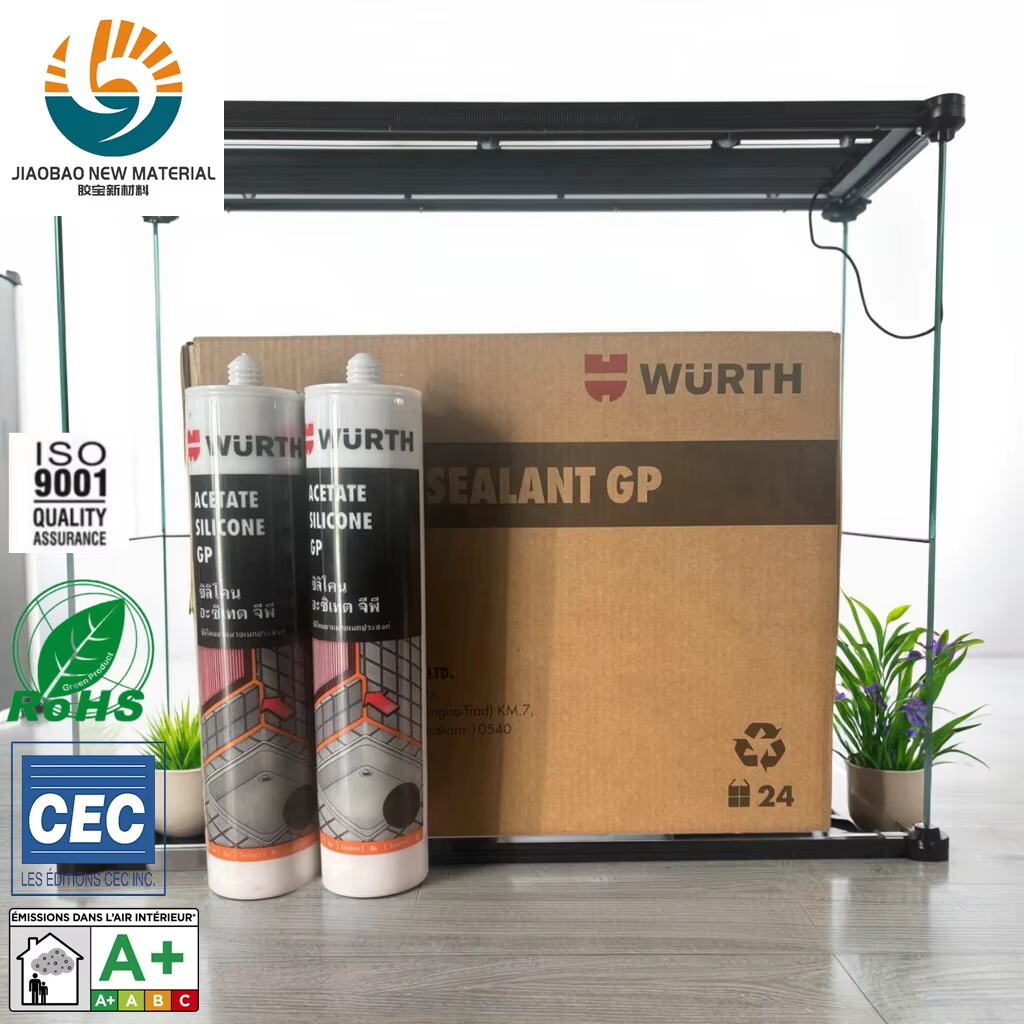
Essential Considerations for Selecting the Perfect Silicone Sealant
Choosing the right silicone sealant for your project can make the difference between a lasting, professional finish and a potentially costly failure. Whether you're working on a bathroom renovation, window installation, or exterior weatherproofing, understanding the key factors that influence sealant performance is crucial. In this comprehensive guide, we'll explore the critical aspects you need to consider when selecting silicone sealant, ensuring you make an informed decision for your specific application.
Understanding Silicone Sealant Properties
Chemical Composition and Curing Mechanisms
Silicone sealant consists of a specialized formula that combines silicone polymers with various additives and cross-linking agents. The chemistry behind these products determines how they cure, bond, and perform over time. Acetoxy-cure sealants release acetic acid during curing, producing that characteristic vinegar smell, while neutral-cure formulations are odorless and generally more suitable for sensitive surfaces. Understanding these basic chemical properties helps you choose a product that won't react adversely with your substrate materials.
The curing process itself varies between products, with some silicone sealants requiring moisture from the air to cure, while others use different mechanisms. This affects not only application conditions but also the time needed before the sealed joint can be exposed to water or stress. Professional contractors often select rapid-curing formulations for time-sensitive projects, while DIY users might prefer standard-cure products that allow more working time.
Physical Properties and Performance Characteristics
The physical properties of silicone sealant directly impact its performance in different applications. Key characteristics include elasticity, tensile strength, and movement capability. High-quality silicone sealants can typically accommodate joint movement of ±25% or more, making them ideal for applications where thermal expansion and contraction occur. The material's Shore A hardness rating indicates its firmness when cured, with lower numbers signifying softer, more flexible sealants.
Temperature resistance is another crucial physical property, with premium silicone sealants maintaining their performance from -40°F to well over 300°F. This wide temperature range makes them suitable for both interior and exterior applications, from kitchen appliances to outdoor weathersealing. UV resistance and color stability are particularly important for exposed applications, where the sealant must maintain its appearance and performance despite constant sun exposure.
Application-Specific Requirements
Indoor vs. Outdoor Applications
Indoor applications of silicone sealant often focus on areas like kitchens and bathrooms, where moisture resistance and mold prevention are primary concerns. These environments require sealants with excellent water resistance and antimicrobial properties. The best silicone sealants for indoor use often include fungicides to prevent mold growth and maintain a hygienic seal in wet areas.
Outdoor applications present different challenges, requiring silicone sealant that can withstand extreme weather conditions, UV exposure, and significant temperature variations. External sealants must maintain their flexibility and adhesion despite these environmental stresses. Look for products specifically formulated for exterior use, with proven weather resistance and long-term durability in outdoor conditions.
Substrate Compatibility
The type of materials being sealed greatly influences sealant selection. Different surfaces require different adhesion properties, and not all silicone sealants bond equally well to all substrates. For example, some formulations excel at bonding to glass and ceramics but may perform poorly on certain plastics or metals. Always verify compatibility with your specific materials and consider using a primer when recommended by the manufacturer.
Surface preparation requirements also vary depending on the substrate and chosen sealant. Some materials may need special cleaning procedures or surface treatments to ensure optimal adhesion. Understanding these requirements before selecting a silicone sealant can prevent adhesion failures and ensure a long-lasting seal.

Performance Requirements and Standards
Industry Certifications and Compliance
Quality silicone sealant products often carry various certifications indicating compliance with industry standards. These may include ASTM specifications, ISO standards, or specific building codes. For food-contact applications, FDA compliance may be required, while medical applications might need specific biocompatibility certifications. Understanding which standards apply to your project helps narrow down suitable products.
Environmental certifications are increasingly important, with many projects requiring low-VOC products or specific green building certifications. Some silicone sealants now offer eco-friendly formulations that maintain high performance while meeting stringent environmental standards. These certifications can be crucial for projects seeking LEED certification or similar environmental ratings.
Longevity and Warranty Considerations
The expected service life of silicone sealant varies significantly between products and applications. Premium products often come with extended warranties, sometimes 20 years or more, reflecting manufacturer confidence in long-term performance. While these products may cost more initially, their extended service life can provide better value over time through reduced maintenance and replacement needs.
Warranty terms deserve careful attention, as they often specify installation requirements and maintenance procedures necessary to maintain coverage. Understanding these requirements helps ensure proper application and long-term performance. Some manufacturers also offer technical support and training to help ensure proper product selection and application.
Application Methods and Tools
Professional Equipment Requirements
The right application tools and equipment can significantly impact the quality of the finished seal. Professional-grade caulking guns provide better control and more consistent bead size compared to basic models. Some silicone sealants require specific applicator types or mixing equipment, particularly for two-component formulations used in industrial applications.
Proper tooling equipment is essential for achieving a professional finish. This might include specialized spatulas, profiling tools, or finishing solutions that help create smooth, attractive joints. Investment in quality application tools often pays off through improved results and reduced material waste.
Application Techniques and Best Practices
Successful application of silicone sealant requires proper technique and attention to detail. This includes correct joint preparation, proper backing material installation, and appropriate tooling methods. Understanding working time limitations and environmental conditions that affect application is crucial for achieving optimal results.
Temperature and humidity conditions during application can significantly impact sealant performance. Most silicone sealants have specific application temperature ranges and humidity requirements for proper curing. Planning application timing around these conditions helps ensure successful results.
Frequently Asked Questions
What is the typical cure time for silicone sealant?
Cure times vary by product and conditions, but most silicone sealants form a surface skin within 30-60 minutes and achieve full cure in 24-72 hours. Temperature and humidity levels can significantly affect these times, with higher humidity generally accelerating the curing process.
How do I remove old silicone sealant before applying new material?
Remove old silicone sealant using a combination of mechanical and chemical methods. Start with a utility knife or silicone removal tool to cut away the bulk material, then use a silicone remover solvent to clean any residue. Ensure the surface is completely clean and dry before applying new sealant.
Can silicone sealant be painted?
Most standard silicone sealants cannot be painted effectively, as paint won't adhere to their surface. If you need a paintable seal, look specifically for paintable silicone sealant formulations or consider alternative sealant types like paintable acrylic products.