EN
EN



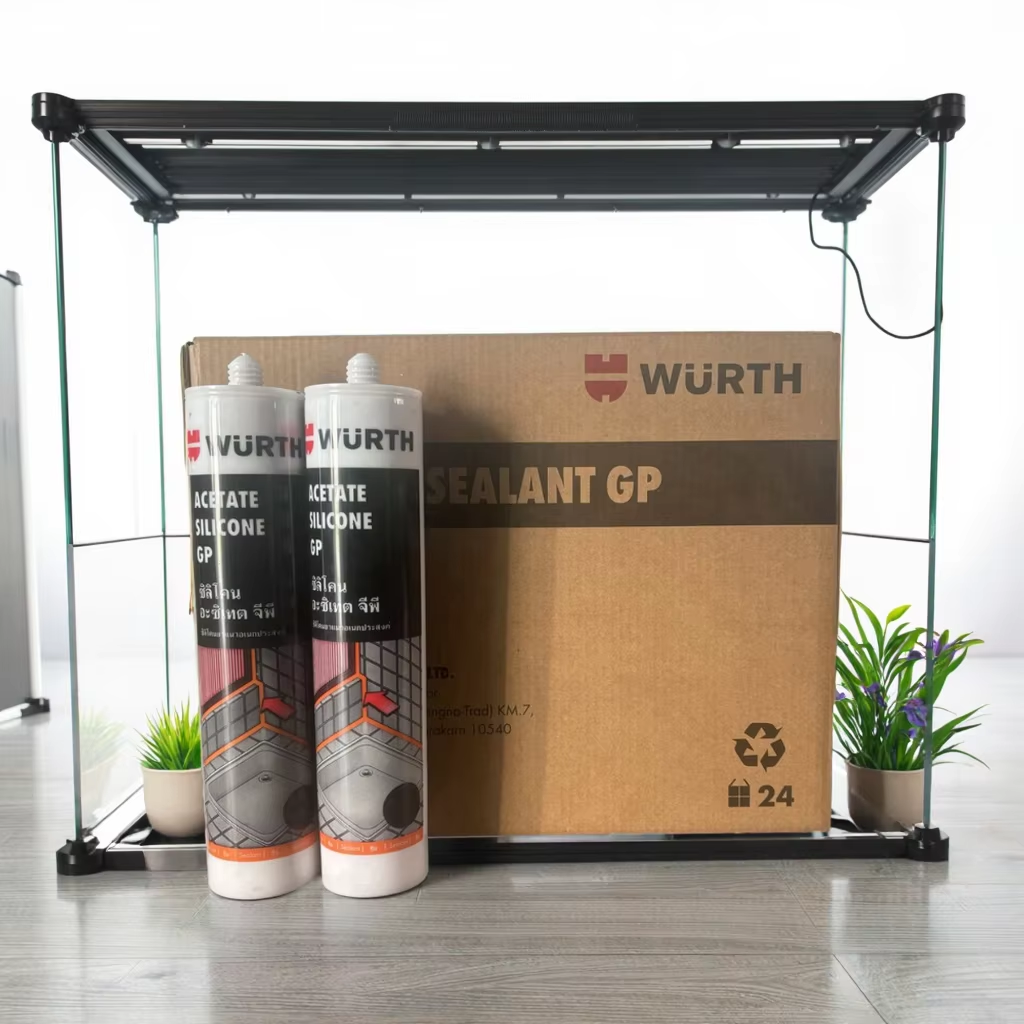
Moisture infiltration poses one of the most significant threats to building integrity, leading to structural damage, health hazards, and costly repairs. Professional contractors and facility managers increasingly rely on advanced sealing solutions to create impenetrable barriers against water penetration and biological growth. Modern construction demands materials that not only prevent water ingress but also actively resist the formation of mold, mildew, and other harmful microorganisms that thrive in damp environments.
The science behind effective moisture protection involves sophisticated polymer chemistry and antimicrobial technology that creates hostile environments for biological contaminants. Understanding how these protective systems function enables construction professionals to make informed decisions about material selection and application techniques. This comprehensive analysis explores the mechanisms by which advanced sealing compounds achieve superior moisture resistance and biological protection in demanding industrial and commercial applications.
Understanding Moisture Penetration Mechanisms
Water Migration Pathways in Building Envelopes
Water infiltration occurs through multiple pathways within building assemblies, requiring comprehensive sealing strategies to achieve effective protection. Capillary action draws moisture through microscopic pores and cracks, while hydrostatic pressure forces water through larger openings under varying atmospheric conditions. Vapor transmission allows moisture to migrate through permeable materials, creating conditions conducive to biological growth even without visible water presence.
Temperature fluctuations cause expansion and contraction cycles that create dynamic stress patterns in sealed joints and connections. These movements can compromise inferior sealing materials, opening pathways for moisture infiltration over time. Professional-grade sealing compounds must accommodate these movements while maintaining continuous barrier integrity throughout the building's operational lifespan.
Wind-driven rain presents additional challenges, creating positive pressure differentials that force water through compromised sealing systems. Effective moisture protection requires materials capable of withstanding these dynamic loading conditions while providing long-term adhesion to diverse substrate materials commonly found in modern construction assemblies.
Environmental Factors Contributing to Moisture Problems
Humidity levels significantly influence moisture accumulation patterns within building envelopes, particularly in regions experiencing seasonal climate variations. High relative humidity creates conditions where even minor temperature differences can result in condensation formation on interior surfaces. This condensation provides the moisture necessary for biological growth, making effective vapor barrier systems essential for maintaining healthy indoor environments.
Inadequate ventilation compounds moisture problems by preventing natural air circulation that would otherwise help control humidity levels. Stagnant air allows moisture to accumulate in concealed spaces where detection becomes difficult until significant damage has already occurred. Modern sealing strategies must account for these ventilation challenges while providing robust protection against both liquid water and vapor transmission.
Poor drainage design around building perimeters can create hydrostatic pressure conditions that overwhelm conventional sealing systems. Water accumulation against foundation walls and below-grade structures requires specialized sealing approaches that can withstand continuous immersion while preventing moisture migration through concrete and masonry assemblies.
Antimicrobial Technology in Sealing Compounds
Biocide Integration and Distribution Systems
Modern sealing formulations incorporate sophisticated antimicrobial agents that remain active throughout the cured polymer matrix. These biocides function through multiple mechanisms, including cell membrane disruption, enzyme inhibition, and metabolic interference that prevents microorganisms from establishing viable colonies. The uniform distribution of these agents ensures consistent protection across the entire sealed surface area.
Controlled-release technology allows antimicrobial agents to migrate to the surface over extended periods, maintaining effectiveness against new contamination attempts. This migration occurs through diffusion processes that are carefully balanced to provide long-term protection without depleting the reservoir of active compounds within the polymer matrix. Advanced formulations achieve protection periods exceeding twenty years under normal service conditions.
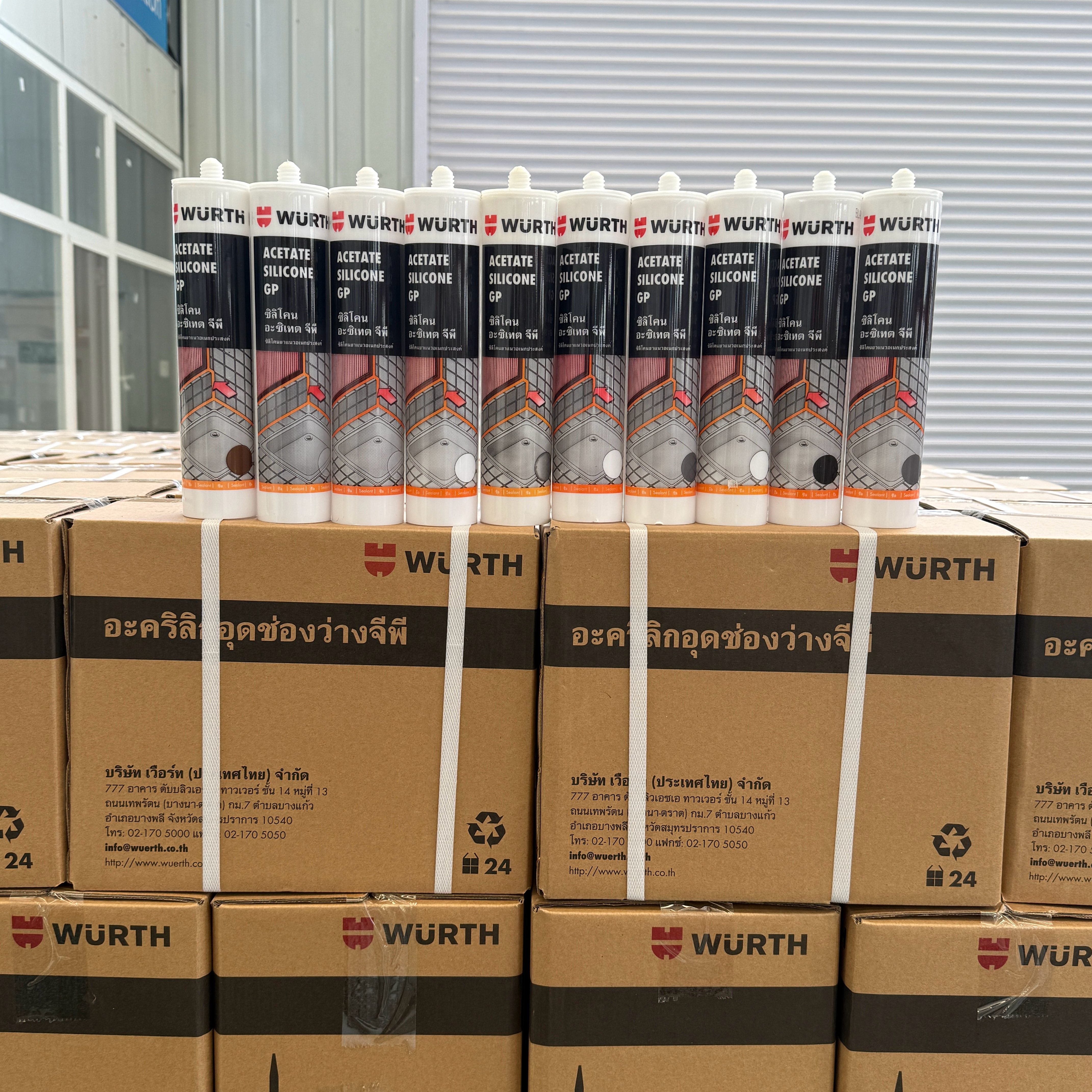
The waterproof silicone sealant technology demonstrates how modern manufacturing processes can integrate multiple antimicrobial systems within a single formulation. These multi-modal approaches target different aspects of microbial metabolism, creating hostile environments that prevent adaptation and resistance development in problematic organisms.
Polymer Chemistry and Biological Resistance
Silicone polymer chains exhibit inherent resistance to biological degradation due to their inorganic backbone structure that microorganisms cannot metabolize. This fundamental resistance provides a stable foundation for antimicrobial enhancement, ensuring that the base material remains intact even under aggressive biological attack conditions. The hydrophobic nature of cured silicone further reduces water availability at the surface, limiting conditions necessary for microbial growth.
Cross-linking density affects the permeability of the cured polymer to nutrients and metabolic byproducts that support biological growth. Optimized formulations achieve maximum cross-linking while maintaining flexibility necessary for joint movement accommodation. This balance ensures long-term biological resistance without compromising mechanical performance requirements in demanding applications.
Surface energy characteristics influence the ability of microorganisms to establish initial adhesion on sealed surfaces. Low surface energy formulations create conditions that discourage biofilm formation, preventing the establishment of protected microbial communities that can resist antimicrobial treatments. This physical resistance complements chemical biocides for comprehensive biological protection.
Application Techniques for Maximum Protection
Surface Preparation and Priming Requirements
Proper substrate preparation forms the foundation for effective moisture protection systems that maintain integrity throughout their service life. Contaminated surfaces must be thoroughly cleaned to remove oils, release agents, and biological growth that can interfere with adhesion development. Mechanical abrasion creates surface texture that enhances mechanical bonding while exposing fresh substrate material for optimal chemical adhesion.
Moisture content assessment ensures that substrates are adequately dry before sealant application, preventing trapped moisture from compromising cure development. Concrete and masonry surfaces may require extended drying periods or specialized primers that can tolerate residual moisture while providing effective bonding platforms. Temperature considerations affect both substrate conditions and sealant workability during application procedures.
Primer selection depends on substrate materials and service environment conditions that will be encountered throughout the sealed joint's operational life. Specialized primers can enhance adhesion to difficult substrates while providing additional moisture barrier properties that complement the primary sealant system. Compatibility testing ensures that primer and sealant systems work synergistically rather than creating interface weaknesses.
Joint Design and Movement Accommodation
Joint geometry significantly influences sealant performance under dynamic loading conditions created by thermal expansion, structural settlement, and wind loading. Optimal joint design maintains aspect ratios that prevent excessive stress concentrations while providing adequate sealant thickness for movement accommodation. Width-to-depth ratios must be carefully calculated based on expected movement ranges and sealant modulus properties.
Backup rod installation prevents three-sided adhesion that can create stress concentration points during joint movement cycles. Proper backup rod sizing ensures correct sealant depth while providing support during application procedures. Closed-cell backup materials prevent moisture infiltration through the backup system while maintaining compression resistance necessary for long-term performance.
Tooling techniques affect surface profile and stress distribution patterns within the cured sealant bead. Proper tooling creates concave profiles that shed water effectively while minimizing stress concentrations during movement cycles. Surface smoothness influences cleaning requirements and biological resistance over the sealed joint's service life.
Performance Testing and Quality Assurance
Laboratory Testing Protocols for Moisture Resistance
Standardized testing methods evaluate moisture barrier performance under controlled laboratory conditions that simulate real-world exposure scenarios. Water immersion tests assess the ability of cured sealants to prevent moisture penetration under hydrostatic pressure conditions. These tests typically involve extended exposure periods that accelerate aging effects while monitoring for signs of water penetration or adhesion loss.
Vapor transmission testing measures the rate at which water vapor passes through cured sealant films under specified temperature and humidity conditions. Low vapor transmission rates indicate superior moisture barrier properties that prevent vapor-phase moisture from reaching substrate materials. These measurements are particularly important for applications where vapor drive conditions create challenging service environments.
Cyclic movement testing evaluates sealant performance under repeated extension and compression cycles that simulate building movement patterns. These tests assess both adhesion retention and cohesive strength under dynamic loading while monitoring for crack formation or interface failure. Waterproof silicone sealant formulations must demonstrate consistent performance through thousands of movement cycles without developing moisture infiltration pathways.
Biological Resistance Validation Methods
Antimicrobial efficacy testing exposes cured sealant samples to standardized microbial challenges that include common mold and bacteria species found in building environments. These tests measure colony formation rates and survival percentages over extended exposure periods. Effective formulations demonstrate significant reduction in microbial populations compared to untreated control samples.
Long-term biological resistance evaluation involves extended exposure to mixed microbial populations under controlled environmental conditions. These accelerated aging protocols simulate years of service exposure within compressed timeframes while monitoring for changes in antimicrobial effectiveness. Successful formulations maintain biological resistance throughout accelerated aging equivalent to decades of normal service conditions.
Environmental chamber testing subjects sealed specimens to temperature and humidity cycling that promotes microbial growth while stressing the sealant system. These combined stress conditions reveal potential failure modes that might not be apparent under single-factor testing protocols. Comprehensive testing ensures reliable performance under the complex conditions encountered in real building applications.
Long-Term Maintenance and Inspection Strategies
Preventive Maintenance Scheduling
Regular inspection intervals allow facility managers to identify potential moisture infiltration problems before they develop into costly damage situations. Visual inspections should focus on sealed joint areas where movement stress or environmental exposure might compromise system integrity. Early detection of minor issues enables cost-effective repairs that prevent major remediation projects.
Seasonal inspection timing coincides with weather patterns that create maximum stress on building envelope systems. Post-winter inspections identify damage from freeze-thaw cycling, while pre-winter evaluations ensure that sealing systems are prepared for harsh weather exposure. Documentation of inspection findings creates historical records that support predictive maintenance planning.
Moisture monitoring systems provide continuous surveillance of critical building areas where waterproof silicone sealant applications protect valuable assets. Electronic sensors can detect elevated humidity levels or water presence before visible damage occurs. These systems enable rapid response to moisture infiltration events while supporting insurance claims and warranty documentation requirements.
Repair and Restoration Procedures
Damaged sealant removal requires careful techniques that avoid substrate damage while ensuring complete removal of failed material. Mechanical cutting tools provide precise removal capabilities, while chemical softening agents can facilitate removal from sensitive substrates. Proper removal prepares surfaces for effective restoration while preventing contamination of new sealant systems.
Partial replacement strategies allow targeted repairs of compromised areas without disturbing properly functioning sections of the sealing system. These selective repair approaches minimize disruption while ensuring system continuity and performance. Careful material matching ensures compatibility between existing and new sealant systems throughout the restoration process.
Quality control during repair operations ensures that restoration work meets or exceeds original installation standards. Proper surface preparation, priming, and application techniques are critical for achieving reliable long-term performance from repair installations. Documentation of repair procedures supports warranty coverage and provides guidance for future maintenance activities.
FAQ
What makes silicone sealants more effective against mold growth compared to other sealing materials?
Silicone sealants offer superior mold resistance due to their inorganic polymer structure that microorganisms cannot metabolize as a food source. The hydrophobic surface properties of cured silicone create conditions that discourage microbial attachment and growth, while integrated antimicrobial agents provide active protection against biological contamination. This combination of passive and active resistance mechanisms delivers long-term protection that exceeds conventional organic sealants.
How long does the antimicrobial protection in waterproof sealants remain effective?
Modern antimicrobial sealant formulations maintain biological protection for twenty years or more under normal service conditions through controlled-release technology that gradually delivers biocides to the surface. The reservoir of active compounds within the polymer matrix provides sustained protection against new contamination attempts throughout the sealant's service life. Environmental factors such as UV exposure and cleaning practices can influence protection duration, but properly formulated systems consistently outperform conventional materials.
Can moisture damage occur even with properly applied sealants in place?
While high-quality sealant systems provide excellent moisture protection, damage can still occur if building design issues create conditions that overwhelm the sealing system's capacity. Poor drainage, inadequate ventilation, or structural movement beyond design limits can compromise even properly applied sealants. Regular inspection and maintenance ensure that sealing systems continue to perform effectively throughout their intended service life.
What environmental conditions pose the greatest challenges for sealant moisture resistance?
Extreme temperature cycling creates expansion and contraction stresses that can compromise sealant adhesion and cohesive strength over time. High humidity combined with temperature fluctuations promotes condensation formation that challenges vapor barrier properties. Continuous water exposure under hydrostatic pressure conditions tests the ultimate limits of sealant waterproofing capabilities, requiring careful system design and material selection for reliable performance.
Table of Contents
- Understanding Moisture Penetration Mechanisms
- Antimicrobial Technology in Sealing Compounds
- Application Techniques for Maximum Protection
- Performance Testing and Quality Assurance
- Long-Term Maintenance and Inspection Strategies
-
FAQ
- What makes silicone sealants more effective against mold growth compared to other sealing materials?
- How long does the antimicrobial protection in waterproof sealants remain effective?
- Can moisture damage occur even with properly applied sealants in place?
- What environmental conditions pose the greatest challenges for sealant moisture resistance?