EN
EN


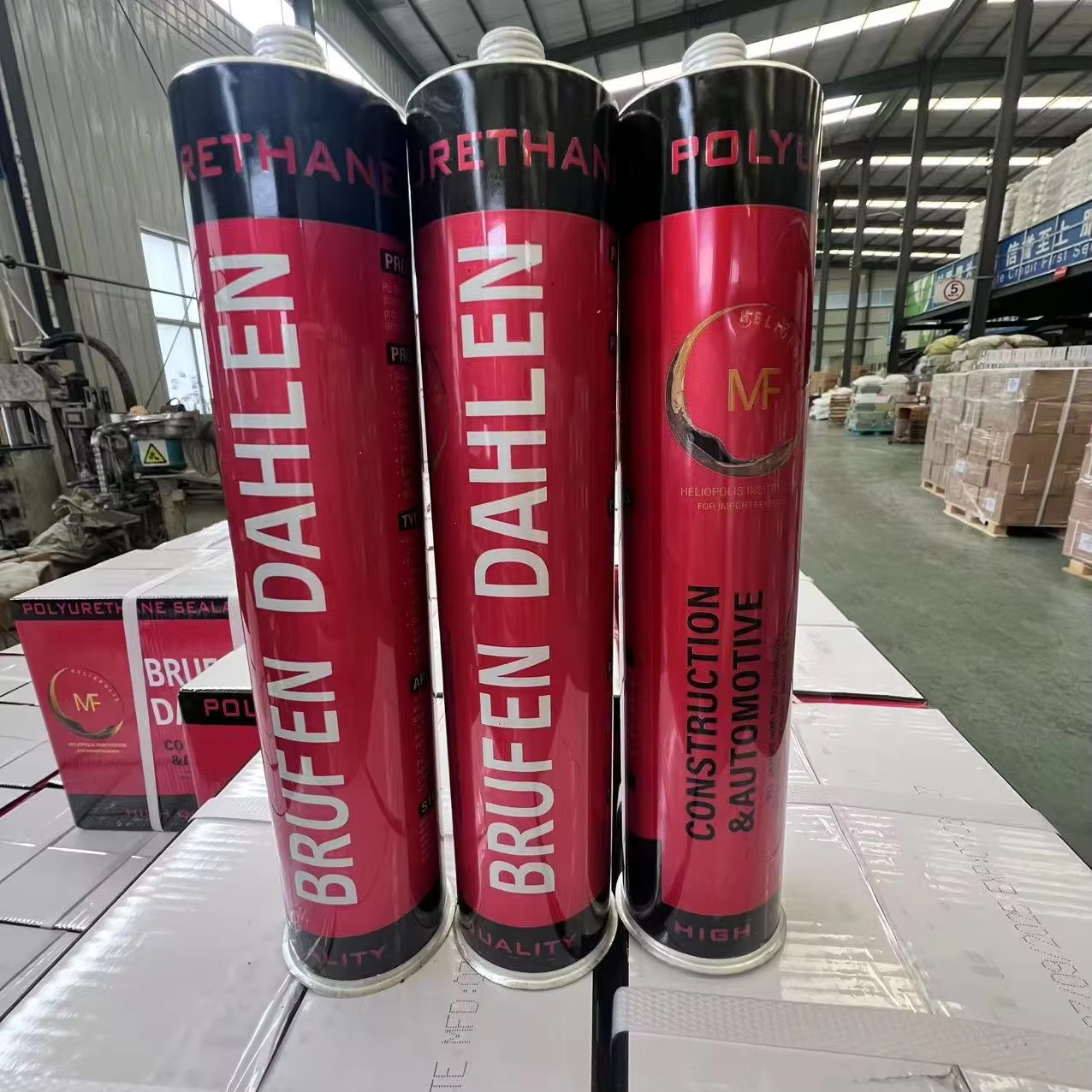
Modern construction and industrial applications demand reliable sealing solutions that can withstand extreme weather conditions while maintaining structural integrity. PU silicone sealant has emerged as a premier choice for contractors and engineers seeking superior waterproofing performance combined with exceptional durability. This advanced sealing compound offers unique properties that bridge the gap between traditional polyurethane and silicone technologies, delivering outstanding adhesion to diverse substrates while providing long-lasting protection against moisture infiltration.
Understanding PU Silicone Sealant Technology
Chemical Composition and Properties
PU silicone sealant represents a sophisticated blend of polyurethane and silicone chemistry, creating a hybrid material that combines the best characteristics of both technologies. The polyurethane component provides excellent adhesion and tear resistance, while the silicone elements contribute superior weather resistance and flexibility. This unique formulation results in a sealant that maintains elasticity across temperature extremes while forming strong bonds with concrete, metal, wood, and plastic substrates.
The molecular structure of PU silicone sealant allows for exceptional UV stability and ozone resistance, making it ideal for exterior applications where prolonged sun exposure is a concern. Unlike traditional sealants that may become brittle over time, this advanced material retains its flexibility and sealing properties for decades under normal operating conditions. The chemical cross-linking process creates a durable matrix that resists cracking and maintains adhesion even under cyclic loading conditions.
Performance Characteristics
The performance profile of PU silicone sealant exceeds that of conventional sealing materials in several critical areas. Its tensile strength typically ranges from 1.5 to 3.0 MPa, providing excellent resistance to mechanical stress and structural movement. The elongation at break often exceeds 400%, allowing the sealant to accommodate significant joint movement without failure or loss of adhesion.
Temperature resistance is another standout feature, with most formulations maintaining their properties from -40°C to +150°C. This broad operating range makes PU silicone sealant suitable for applications ranging from cold storage facilities to industrial equipment exposed to elevated temperatures. The material's low modulus ensures minimal stress transfer to adjacent substrates while maintaining effective sealing performance.
Waterproofing Applications and Benefits
Building Envelope Sealing
In building construction, PU silicone sealant serves as a critical component in creating weathertight building envelopes. Its application in curtain wall systems, window perimeters, and structural glazing provides reliable barriers against water infiltration while accommodating thermal movement and wind loads. The sealant's ability to adhere to both porous and non-porous surfaces makes it versatile for sealing transitions between different building materials.
The waterproofing effectiveness of PU silicone sealant stems from its ability to form continuous, impermeable barriers that resist hydrostatic pressure. When properly applied, it can withstand water pressure equivalent to several meters of water head, making it suitable for below-grade applications and areas subject to driving rain. The material's resistance to mold and mildew growth further enhances its performance in moisture-prone environments.
Infrastructure and Civil Engineering
Civil engineering projects benefit significantly from PU silicone sealant applications in bridge joints, tunnel linings, and water treatment facilities. The sealant's chemical resistance protects against aggressive substances commonly found in industrial environments, including oils, fuels, and mild acids. Its ability to maintain adhesion under dynamic loading conditions makes it ideal for sealing expansion joints in bridges and parking structures.
Marine applications represent another area where PU silicone sealant excels, providing reliable sealing in harsh saltwater environments. The material's resistance to UV radiation and thermal cycling ensures long-term performance in exposed marine structures, while its flexibility accommodates the constant movement associated with tidal forces and wave action.
Structural Stability Enhancement
Load Distribution and Stress Management
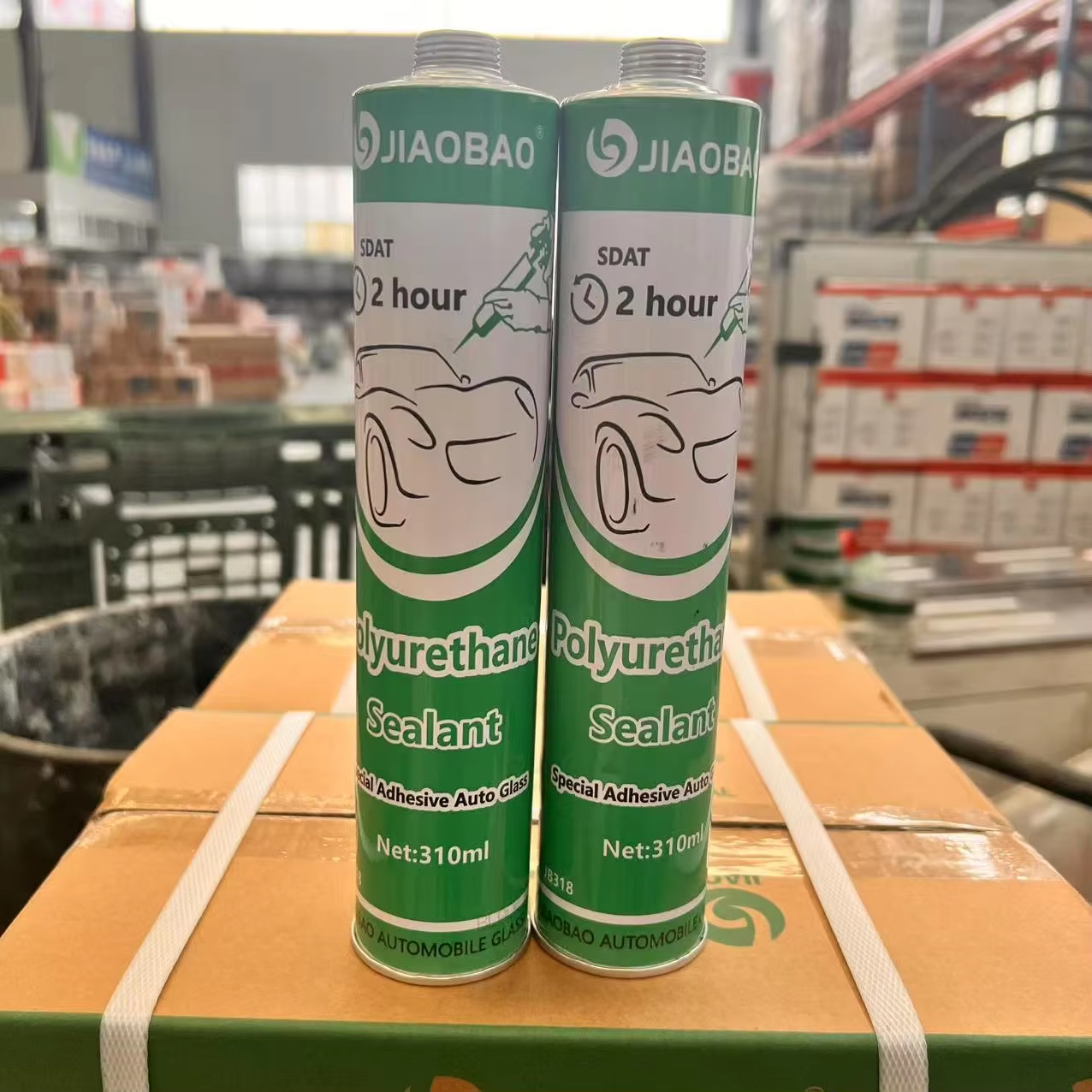
Beyond waterproofing, PU silicone sealant contributes to structural stability by effectively distributing loads across joint interfaces. When applied in structural glazing applications, the sealant transfers wind loads from glass panels to the supporting framework while maintaining the integrity of the building envelope. This load-sharing capability reduces stress concentrations that could lead to localized failures in rigid connection systems.
The viscoelastic properties of PU silicone sealant enable it to absorb and dissipate energy from dynamic loads such as wind gusts and seismic activity. This energy absorption capacity helps protect adjacent structural elements from excessive stress concentrations while maintaining the continuity of the sealed joint. The material's ability to recover from deformation ensures that temporary loads do not result in permanent seal degradation.
Thermal Movement Accommodation
Thermal expansion and contraction represent significant challenges in building design, particularly for structures incorporating materials with different coefficients of thermal expansion. PU silicone sealant addresses these challenges by providing flexible connections that accommodate differential movement while maintaining sealing integrity. The sealant's low modulus minimizes restoring forces that could stress adjacent structural elements during thermal cycles.
Long-term thermal cycling tests demonstrate that PU silicone sealant maintains its adhesive and cohesive strength even after thousands of expansion-contraction cycles. This durability ensures that the structural benefits of the sealant persist throughout the service life of the building, reducing maintenance requirements and preventing performance degradation over time.
Installation Best Practices
Surface Preparation Requirements
Proper surface preparation is crucial for achieving optimal performance from PU silicone sealant applications. All surfaces must be clean, dry, and free from contaminants such as oil, dust, and loose particles. For porous substrates like concrete and masonry, priming may be necessary to ensure adequate adhesion and prevent excessive sealant absorption into the substrate.
The joint design should incorporate appropriate width-to-depth ratios, typically maintaining a 2:1 ratio for optimal sealant performance. Backing materials such as closed-cell foam rods help control sealant thickness while preventing three-sided adhesion that could lead to cohesive failure under movement. Proper tooling creates the desired sealant profile while ensuring complete contact with substrate surfaces.
Environmental Considerations
Installation conditions significantly impact the curing and performance characteristics of PU silicone sealant. Temperature and humidity levels should fall within manufacturer specifications, typically between 5°C and 35°C with relative humidity below 80%. Extreme conditions may require modified application procedures or specialized formulations designed for challenging environments.
Curing time varies with environmental conditions, sealant thickness, and specific formulation characteristics. While surface skinning may occur within hours, full cure development can require several days to weeks depending on the application. During the curing period, protection from contamination and mechanical disturbance is essential to ensure proper bond development and ultimate performance.
Quality Control and Testing Standards
Performance Verification Methods
Quality assurance for PU silicone sealant installations involves comprehensive testing protocols that verify both material properties and installation quality. Adhesion testing using standardized procedures helps confirm proper bonding to substrate materials under various environmental conditions. Cohesive strength testing evaluates the internal integrity of the sealant under tensile and shear loading.
Weathering tests simulate long-term exposure conditions to predict service life performance. These accelerated aging protocols subject sealant samples to UV radiation, thermal cycling, and moisture exposure to evaluate degradation mechanisms and performance retention. Results from these tests inform warranty periods and maintenance scheduling for critical applications.
Industry Standards Compliance
Professional applications of PU silicone sealant must comply with relevant industry standards and building codes. Organizations such as ASTM International, ISO, and national building code authorities have established testing protocols and performance criteria for structural sealants. Compliance with these standards ensures consistent quality and provides legal protection for building owners and contractors.
Certification programs offered by sealant manufacturers provide additional quality assurance through trained applicator networks and technical support services. These programs help ensure proper material selection, installation procedures, and quality control measures that maximize the performance and longevity of PU silicone sealant applications.
FAQ
What is the typical service life of PU silicone sealant in exterior applications
PU silicone sealant typically provides 15-25 years of service life in exterior applications when properly installed and maintained. The actual lifespan depends on factors such as UV exposure intensity, temperature cycling severity, and mechanical stress levels. Regular inspection and preventive maintenance can extend service life beyond the typical range, while harsh environmental conditions may reduce expected performance duration.
Can PU silicone sealant be painted over after curing
Most PU silicone sealant formulations are paintable after full cure development, typically 7-14 days depending on environmental conditions. However, compatibility testing with specific paint systems is recommended to ensure proper adhesion and long-term performance. Some specialized formulations are designed specifically for paintable applications and may accept paint sooner than standard products.
How does PU silicone sealant compare to traditional polyurethane sealants
PU silicone sealant offers superior weather resistance and UV stability compared to traditional polyurethane sealants, while maintaining similar adhesion and mechanical properties. The hybrid chemistry provides better resistance to chalking and color retention, making it ideal for visible applications. However, traditional polyurethane may be preferred for applications requiring higher modulus or specific chemical resistance properties.
What joint movement capability can PU silicone sealant accommodate
PU silicone sealant can typically accommodate joint movement of ±25% to ±50% of the original joint width, depending on the specific formulation and installation conditions. This movement capability makes it suitable for most building applications where thermal and structural movements occur. Proper joint design and installation are critical to achieving maximum movement accommodation without seal failure.