EN
EN



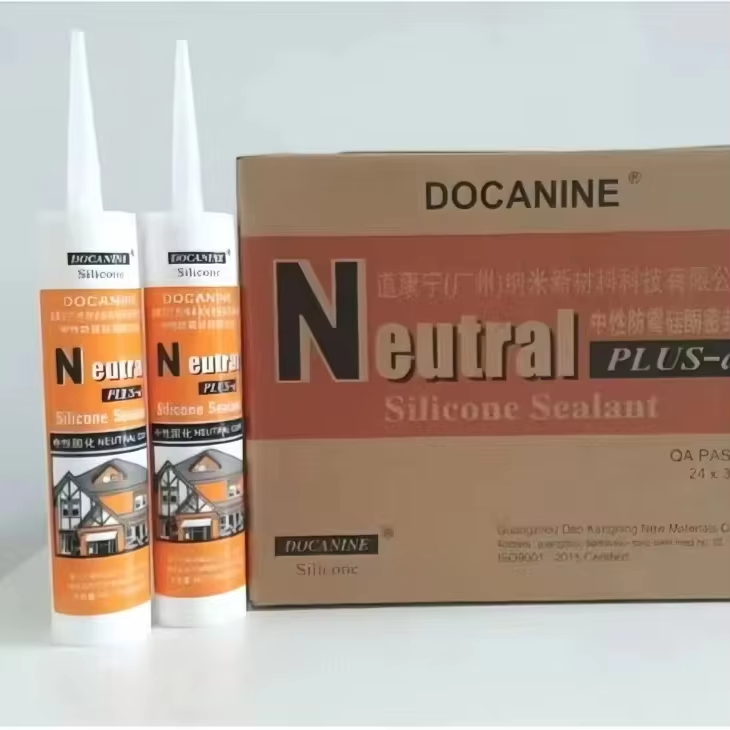
Modern industrial applications demand reliable sealing solutions that can withstand harsh environmental conditions while maintaining structural integrity. Neutral silicone sealant has emerged as a critical component across numerous sectors, offering superior adhesion, weather resistance, and chemical stability. Unlike acidic or alkaline alternatives, these specialized formulations provide compatibility with sensitive substrates while delivering long-lasting performance in demanding applications. The versatility of neutral silicone sealant makes it an indispensable material for industries requiring precision sealing and bonding solutions.
Construction and Building Industry Applications
Structural Glazing Systems
The construction industry relies heavily on neutral silicone sealant for structural glazing applications in modern building facades. These sealants provide essential weatherproofing between glass panels and building frames, ensuring thermal efficiency and preventing water infiltration. High-rise buildings particularly benefit from the superior adhesion properties that maintain structural integrity under wind loads and thermal expansion cycles. The neutral formulation prevents corrosion of metal components while offering excellent UV resistance for long-term durability.
Commercial glazing contractors prefer neutral silicone formulations because they cure without releasing corrosive byproducts that could damage sensitive building materials. The consistent performance across temperature variations makes these sealants ideal for climate-controlled environments and exterior applications alike. Professional installers appreciate the workability and extended open time that allows for precise application in complex architectural designs.
Curtain Wall Sealing
Curtain wall systems in contemporary architecture depend on neutral silicone sealant for both structural and weatherproofing functions. These applications require sealants that can accommodate building movement while maintaining watertight seals over decades of service life. The flexibility of neutral formulations allows for thermal expansion and contraction without compromising seal integrity or causing adhesive failure.
Installation teams value the predictable curing characteristics that ensure consistent results across large-scale projects. The chemical stability of neutral silicone sealant prevents degradation when exposed to cleaning chemicals commonly used in building maintenance, extending the service life of curtain wall systems significantly.
Automotive Manufacturing Sector
Engine Compartment Applications
Automotive manufacturers utilize neutral silicone sealant extensively for engine compartment sealing applications where high temperatures and chemical exposure are constant challenges. These sealants maintain their properties at elevated temperatures while resisting automotive fluids, oils, and cleaning solvents. The neutral chemistry prevents corrosion of engine components while providing reliable sealing for gaskets, sensors, and electrical connections.
Production lines benefit from the fast-cure properties that reduce assembly time while ensuring consistent quality across vehicle models. The vibration resistance of cured neutral silicone sealant prevents seal failure under normal operating conditions, contributing to improved vehicle reliability and reduced warranty claims.
Windshield and Window Installation
Automotive glass installation relies on neutral silicone sealant for both structural bonding and weatherproofing functions. These applications require exceptional clarity retention and UV stability to maintain aesthetic appearance throughout the vehicle's service life. The flexibility characteristics accommodate body flex and thermal cycling without compromising the seal integrity or causing stress fractures in glass components.
Manufacturing facilities appreciate the consistent flow properties that enable automated application systems while maintaining precise bead placement. The chemical compatibility with primer systems ensures optimal adhesion to both glass and metal substrates, creating durable bonds that meet automotive safety standards.
Electronics and Electrical Industries
Component Encapsulation
Electronic device manufacturers depend on neutral silicone sealant for protecting sensitive components from moisture, dust, and chemical contamination. The electrical insulation properties combined with thermal stability make these materials ideal for potting applications in power supplies, control modules, and sensor assemblies. The neutral formulation prevents corrosion of delicate circuit traces and connector pins during the curing process.
Production environments benefit from the low-stress curing characteristics that minimize mechanical stress on fragile electronic components. The optical clarity of certain neutral formulations allows for visual inspection of sealed components while maintaining protective properties over extended operating periods.
Connector Sealing
Electrical connector applications require neutral silicone sealant formulations that provide reliable environmental protection without interfering with electrical performance. These sealants resist moisture ingress while maintaining flexibility for connector mating and unmating cycles. The chemical stability prevents plasticizer migration that could compromise connector materials or electrical contacts.
Field installation teams value the ease of application and removal characteristics that facilitate maintenance and repair operations. The consistent dielectric properties ensure reliable electrical isolation across various environmental conditions and operating temperatures.
Aerospace and Aviation Applications
Aircraft Cabin Sealing
Aerospace manufacturers utilize neutral silicone sealant for critical cabin sealing applications where passenger safety and comfort are paramount concerns. These sealants must maintain integrity under rapid pressure changes while resisting aviation fuels, hydraulic fluids, and cleaning chemicals. The fire resistance properties of specialized formulations meet stringent aviation safety requirements for interior applications.
Manufacturing processes benefit from the consistent quality and traceability requirements that neutral silicone sealants provide for certified aerospace applications. The long-term stability ensures reliable performance throughout aircraft service life while minimizing maintenance requirements and operational downtime.
Engine Component Applications
Aviation engine manufacturers depend on neutral silicone sealant for high-temperature sealing applications in turbine assemblies and accessory components. These demanding environments require sealants that maintain properties at extreme temperatures while resisting jet fuel exposure and thermal cycling. The chemical inertness prevents catalytic reactions that could compromise engine performance or reliability.
Production facilities appreciate the processing characteristics that enable precise application in complex geometries while meeting strict quality control requirements. The consistent curing behavior ensures predictable results across critical engine sealing applications.
Marine and Shipbuilding Industry
Hull and Deck Sealing
Marine construction relies on neutral silicone sealant for weatherproofing applications where constant exposure to saltwater and UV radiation challenges conventional sealing materials. These formulations provide excellent adhesion to marine-grade aluminum, fiberglass, and composite materials while maintaining flexibility under wave-induced stress cycles. The biocide resistance prevents marine growth that could compromise seal integrity over time.
Shipyard operations benefit from the all-weather application capabilities that allow for continuous construction schedules regardless of environmental conditions. The chemical resistance to marine fuels and lubricants ensures long-term durability in harsh maritime environments.
Window and Porthole Installation
Marine glazing applications require neutral silicone sealant formulations that withstand constant moisture exposure while maintaining optical clarity and structural integrity. These sealants must accommodate hull flexing and thermal expansion without compromising watertight seals or causing stress concentration around glazed openings. The UV stability prevents degradation that could lead to seal failure or water intrusion.
Installation crews value the extended working time that allows for proper positioning and adjustment of marine glazing systems. The predictable curing characteristics ensure consistent results across various vessel types and operating conditions.
FAQ
What makes neutral silicone sealant different from acidic or basic formulations?
Neutral silicone sealant cures through a condensation reaction that releases alcohol rather than acidic or basic byproducts. This characteristic makes it compatible with sensitive substrates like metals, mirrors, and natural stone that could be damaged by corrosive curing agents. The neutral chemistry also prevents staining or discoloration of adjacent materials during the curing process, making it ideal for aesthetic applications where appearance is critical.
How does temperature affect neutral silicone sealant performance?
Neutral silicone sealant maintains excellent performance across a wide temperature range, typically from -40°C to 150°C for standard formulations. High-temperature variants can withstand continuous exposure up to 200°C or higher for specialized applications. The thermal stability prevents hardening or softening that could compromise seal integrity, while the low-temperature flexibility ensures continued performance in cold environments without cracking or debonding.
What surface preparation is required for optimal neutral silicone sealant adhesion?
Proper surface preparation involves cleaning substrates with appropriate solvents to remove oils, dust, and loose particles that could interfere with adhesion. Non-porous surfaces may require primer application to enhance bond strength, while porous substrates benefit from sealing to prevent excessive sealant absorption. The surface should be dry and at appropriate temperature before application to ensure optimal curing and adhesion characteristics.
How long does neutral silicone sealant take to fully cure?
Neutral silicone sealant typically forms a skin within 10-20 minutes under normal conditions, allowing for tooling and finishing operations. Full cure depth depends on sealant thickness, humidity levels, and temperature, generally progressing at approximately 3-5mm per 24 hours. Complete curing for thick sections may require several days, but the sealant develops handling strength within hours of application, allowing for continued construction or assembly operations.