EN
EN


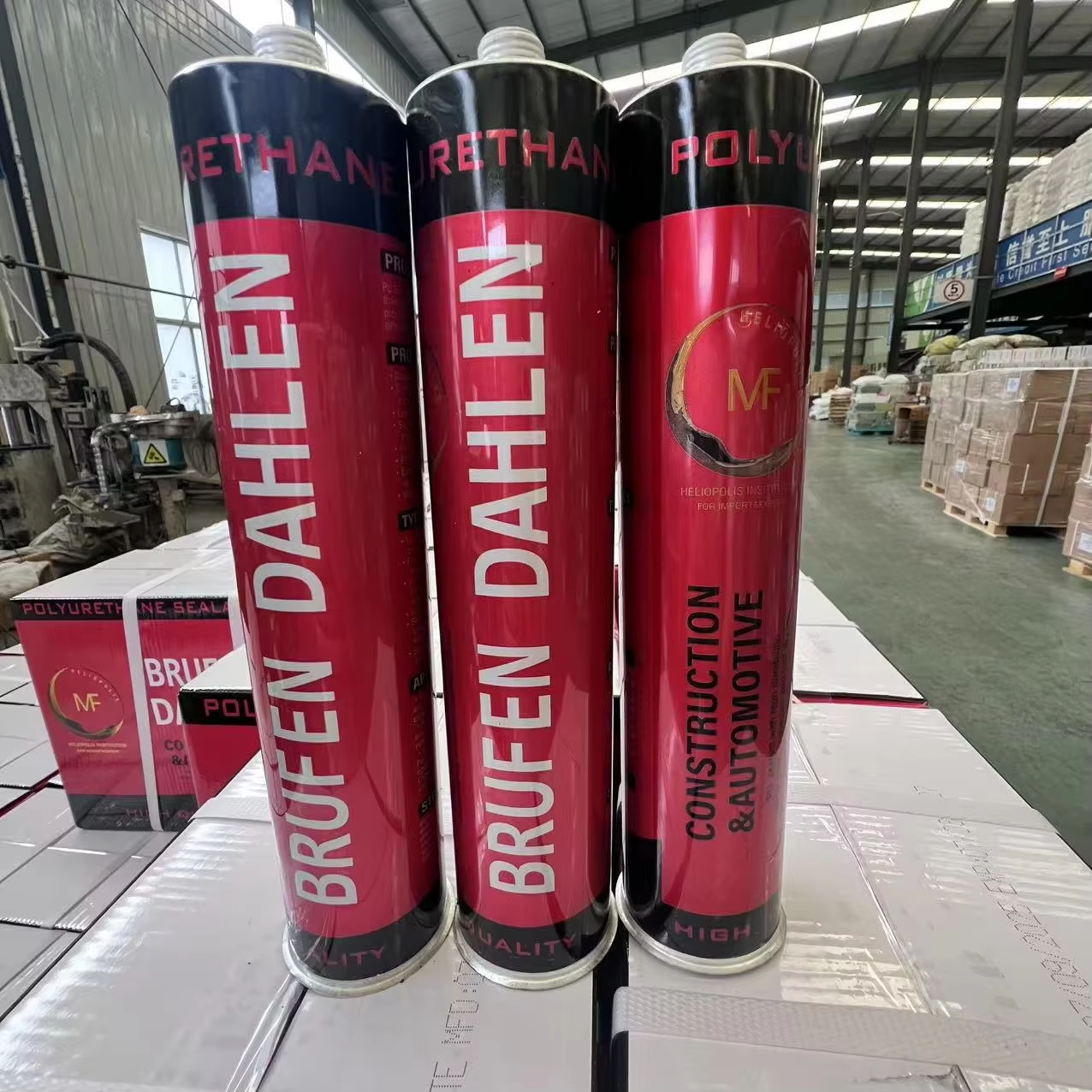
Polyurethane sealants have revolutionized the construction industry with their exceptional durability, flexibility, and weatherproofing capabilities. These advanced adhesive solutions offer superior performance across a wide range of applications, from structural glazing to waterproofing systems. The growing popularity of PU sealant stems from its unique chemical composition that provides outstanding adhesion to various substrates while maintaining elasticity under extreme weather conditions. Construction professionals increasingly rely on these versatile compounds to ensure long-lasting seals that can withstand thermal expansion, UV exposure, and moisture infiltration.
Chemical Composition and Performance Characteristics
Molecular Structure Advantages
The molecular structure of polyurethane creates exceptional bonding properties that distinguish it from conventional silicone and acrylic sealants. The urethane backbone provides excellent flexibility while maintaining structural integrity under stress. This unique composition allows PU sealant formulations to achieve superior elongation rates, often exceeding 400% without losing adhesive strength. The cross-linking density can be precisely controlled during manufacturing to optimize specific performance characteristics for different construction applications.
Advanced polyurethane chemistry enables manufacturers to customize cure rates, hardness levels, and temperature resistance according to project specifications. The thermoplastic properties of certain PU sealant grades allow for repositioning during installation, while thermosetting variants provide permanent bonds that resist creep and deformation. These molecular advantages translate into real-world benefits including reduced maintenance costs and extended service life for sealed joints and connections.
Weather Resistance Properties
Exceptional weather resistance makes polyurethane sealants ideal for exterior construction applications where exposure to harsh environmental conditions is inevitable. The polymer structure inherently resists UV degradation, preventing the chalking and cracking commonly observed with inferior sealant materials. Temperature cycling from extreme cold to intense heat causes minimal dimensional changes in properly formulated PU sealant products, maintaining seal integrity across seasonal variations.
Moisture resistance capabilities extend beyond simple water repellency to include resistance against freeze-thaw cycles that can destroy conventional sealants. The hydrophobic nature of cured polyurethane prevents water absorption that leads to swelling and subsequent adhesive failure. These properties make PU sealants particularly valuable in regions experiencing dramatic weather variations throughout the year.
Construction Application Versatility
Structural Glazing Systems
Modern curtain wall systems depend on high-performance sealants to secure glazing units while accommodating structural movement and thermal expansion. PU sealant technology provides the necessary balance between adhesive strength and flexibility required for these demanding applications. The ability to bond dissimilar materials such as glass, aluminum, and composite panels makes polyurethane ideal for contemporary architectural designs featuring mixed-material facades.
Structural glazing applications require sealants that maintain transparency and resist yellowing over time to preserve aesthetic appeal. Advanced PU sealant formulations incorporate UV stabilizers and antioxidants that prevent color degradation while maintaining optical clarity. The load-bearing capabilities of structural-grade polyurethane sealants enable architects to design larger glazed areas with reduced visible support structures.
Waterproofing and Joint Sealing
Waterproofing applications showcase the superior performance of PU sealant compared to traditional materials in preventing water infiltration. The excellent adhesion to concrete, masonry, and metal substrates creates reliable barriers against moisture penetration. Construction joints, expansion gaps, and penetration seals benefit from the movement capability of polyurethane while maintaining watertight integrity.
Below-grade applications particularly benefit from the chemical resistance properties of PU sealants when exposed to groundwater containing dissolved salts and other aggressive substances. The flexibility of cured polyurethane accommodates soil settlement and foundation movement without compromising the waterproof barrier. These characteristics make polyurethane sealants essential for basement waterproofing and underground parking structures.
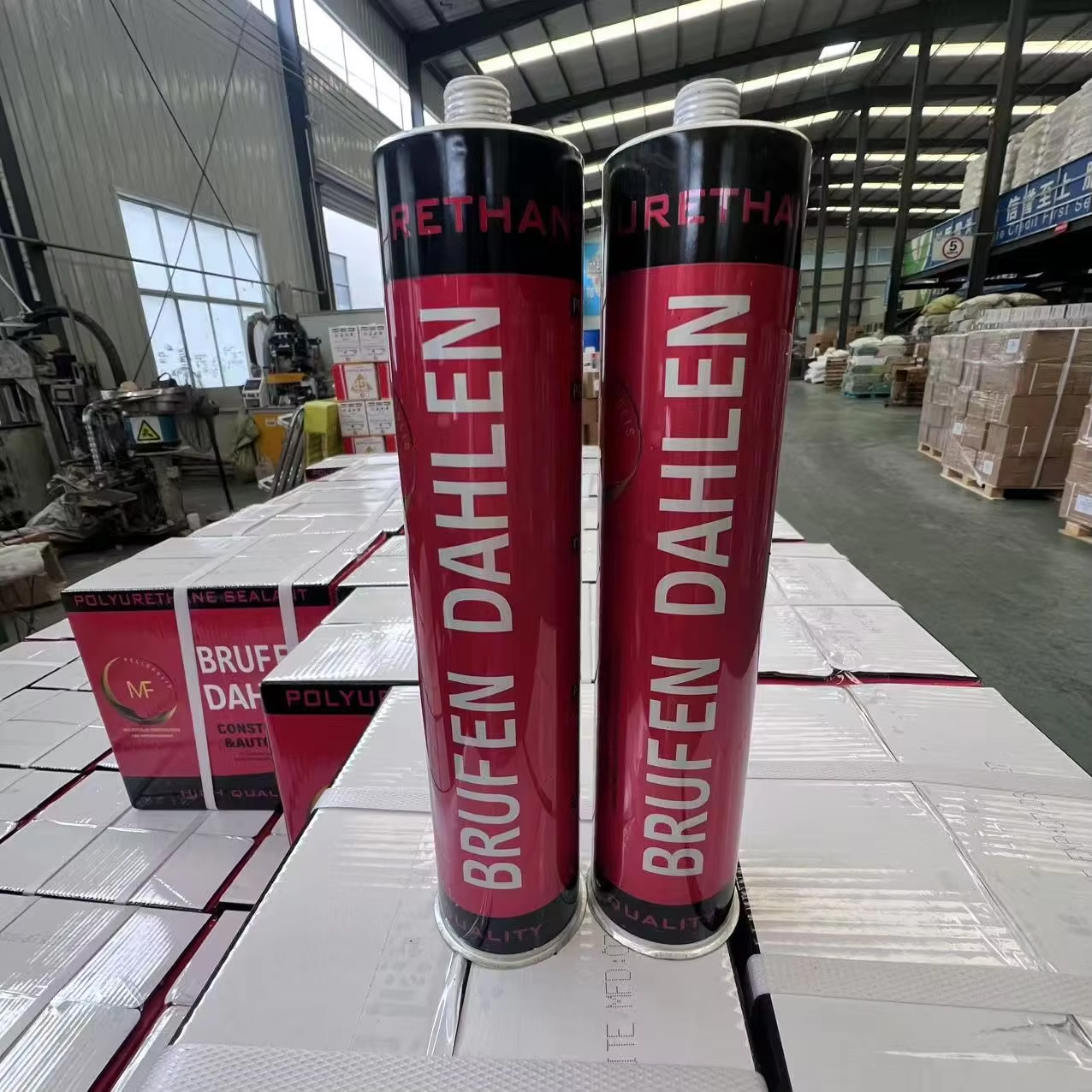
Installation and Curing Considerations
Surface Preparation Requirements
Proper surface preparation significantly impacts the long-term performance of polyurethane sealant installations in construction projects. Clean, dry surfaces free from oils, dust, and loose particles provide optimal conditions for chemical bonding between the sealant and substrate. The use of appropriate primers on porous surfaces like concrete and masonry enhances adhesion strength and prevents premature failure.
Temperature and humidity conditions during installation affect cure rates and final properties of PU sealant applications. Optimal installation typically occurs within specific temperature ranges to ensure proper flow characteristics and complete curing. Excessive moisture can interfere with the curing mechanism, while extremely dry conditions may require modified application techniques to achieve desired results.
Curing Mechanisms and Timeframes
The curing process of polyurethane sealants involves chemical cross-linking reactions that gradually transform the liquid material into a flexible solid. Moisture-cure systems react with atmospheric humidity to form strong polymer networks over several days. The cure rate progresses from the outside surface inward, creating a skin-over time that protects the interior material during the curing process.
Understanding cure schedules helps construction professionals plan subsequent work activities and avoid premature loading of sealed joints. Initial tack-free time typically ranges from 30 minutes to several hours depending on formulation and environmental conditions. Full cure development may require 7 to 28 days for complete strength development, though functional performance often begins much earlier in the curing cycle.
Economic Benefits and Cost Effectiveness
Lifecycle Cost Analysis
The initial cost premium of PU sealant compared to conventional alternatives is often offset by superior longevity and reduced maintenance requirements over the building lifecycle. Extended service life reduces replacement frequency and associated labor costs for resealing operations. The reliability of polyurethane seals minimizes water damage risks that could result in expensive repairs to interior finishes and structural components.
Energy efficiency benefits arise from the superior air sealing capabilities of PU sealants in building envelope applications. Reduced air infiltration lowers heating and cooling costs while improving occupant comfort levels. These operational savings compound over time, making polyurethane sealants an economically attractive choice for energy-conscious construction projects.
Labor Efficiency Advantages
Installation efficiency improvements result from the user-friendly properties of modern PU sealant formulations designed for construction applications. Excellent tooling characteristics allow for smooth, professional-looking finished joints with minimal rework requirements. The extended working time of some polyurethane sealants provides flexibility for large-scale installations where extended open times are beneficial.
Reduced callback rates due to premature sealant failure translate into improved contractor profitability and customer satisfaction. The reliability of properly installed polyurethane sealants reduces warranty claims and maintains contractor reputation for quality workmanship. These factors contribute to the growing specification of PU sealants by architects and engineers seeking dependable sealing solutions.
Environmental Considerations and Sustainability
Low VOC Formulations
Environmental regulations and green building standards have driven the development of low-VOC polyurethane sealant formulations that meet stringent indoor air quality requirements. These environmentally conscious products maintain the performance characteristics expected from PU sealants while reducing potential health impacts during and after installation. GREENGUARD and similar certifications validate the environmental compatibility of specific polyurethane products.
Solvent-free formulations eliminate concerns about toxic emissions during curing while maintaining excellent performance properties. Water-based polyurethane technologies continue advancing to provide alternatives for applications where traditional solvent-based systems were previously required. These developments support sustainable construction practices without compromising seal performance or durability.
Recyclability and End-of-Life Management
The thermoplastic nature of certain polyurethane sealants enables recycling opportunities at the end of building service life. Chemical recycling processes can break down cured polyurethane into useful chemical feedstocks for manufacturing new materials. This circular economy approach aligns with sustainability goals increasingly important in construction industry planning and material selection decisions.
Biodegradable polyurethane formulations represent emerging technology that could further improve the environmental profile of sealant applications. While maintaining performance during service life, these materials break down naturally under specific environmental conditions rather than persisting indefinitely. This technology advancement could revolutionize sealant selection criteria for environmentally sensitive projects.
FAQ
What makes PU sealant superior to silicone for construction applications
PU sealant offers superior adhesion to most construction materials without requiring primers, while maintaining better durability under UV exposure and temperature cycling. The paintability of cured polyurethane allows for aesthetic customization, whereas silicone cannot be successfully painted. Additionally, PU sealants typically provide better abrasion resistance and can withstand higher mechanical stresses compared to silicone alternatives.
How long does PU sealant typically last in exterior construction applications
High-quality polyurethane sealants typically provide 15-25 years of reliable service in exterior construction applications when properly installed and maintained. The actual lifespan depends on specific environmental conditions, substrate preparation quality, and sealant grade selection. Factors such as UV exposure intensity, temperature extremes, and mechanical stress levels influence the expected service life of sealed joints.
Can PU sealant be applied in cold weather conditions
Most PU sealant formulations can be applied in temperatures as low as 40°F (4°C), though cure rates slow significantly in cold conditions. Special cold-weather formulations extend the application temperature range down to 20°F (-7°C) while maintaining proper curing characteristics. Substrate temperature and humidity levels become critical factors in cold weather installations, often requiring additional surface preparation steps.
What safety precautions are necessary when working with PU sealant
Proper ventilation is essential during PU sealant application to prevent inhalation of isocyanate compounds present in uncured material. Personal protective equipment including gloves, safety glasses, and respiratory protection should be used according to manufacturer safety data sheets. Skin contact should be avoided, and contaminated clothing should be removed immediately to prevent allergic sensitization reactions.