EN
EN



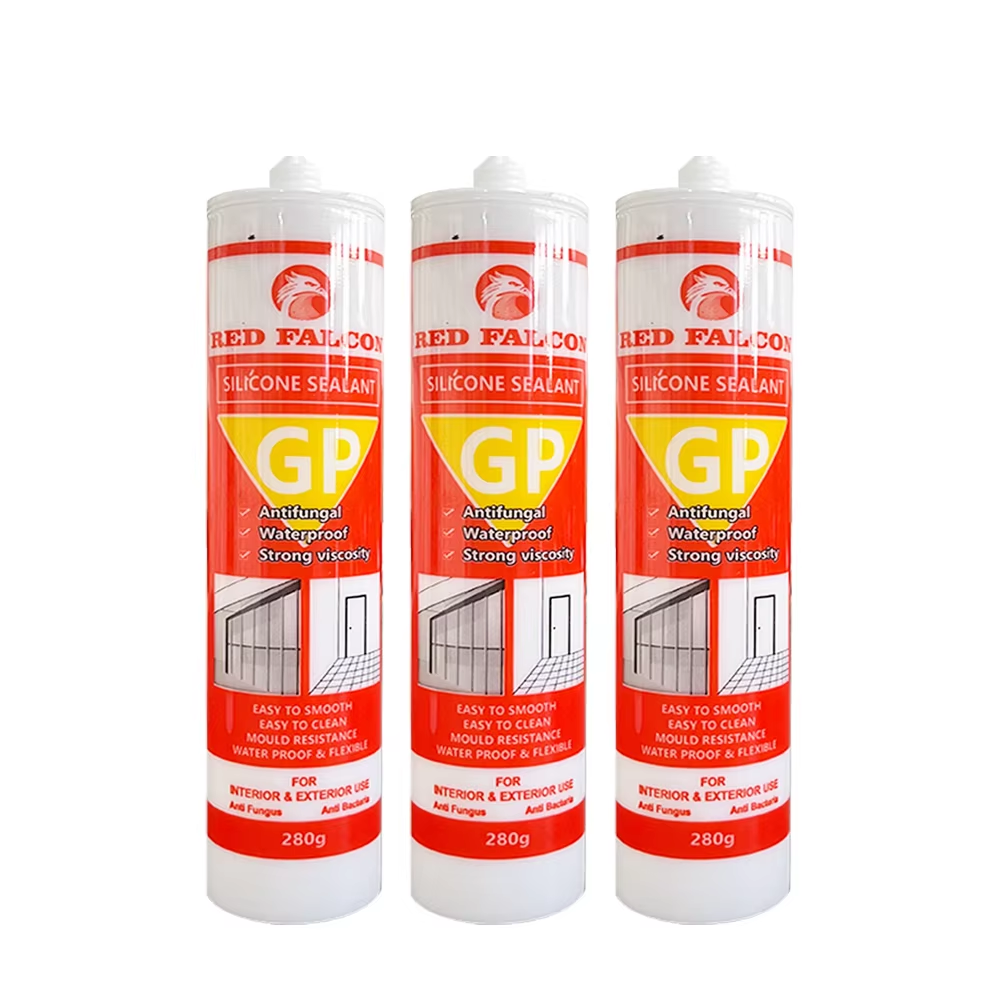
When professionals evaluate bonding and sealing materials for demanding construction, automotive, or industrial applications, the choice of sealant can determine the long-term performance of the entire project. PU silicone sealant has emerged as one of the most versatile and technically capable sealing solutions on the market, combining the flexibility of silicone chemistry with the structural adhesion properties of polyurethane. Understanding which projects benefit most from this material helps procurement managers, project engineers, and contractors make informed decisions that reduce rework, extend service life, and lower total project cost.
PU silicone sealant is not a universal solution that fits every application equally well, but for specific project categories, it outperforms conventional alternatives in measurable and significant ways. From automotive glass installation to industrial joint sealing and weatherproofing in high-movement building facades, this hybrid sealant chemistry addresses performance gaps that neither standard silicone nor standard polyurethane alone can resolve. This article systematically identifies the project types where PU silicone sealant delivers the highest return on specification, explaining the technical reasoning and practical context behind each selection.
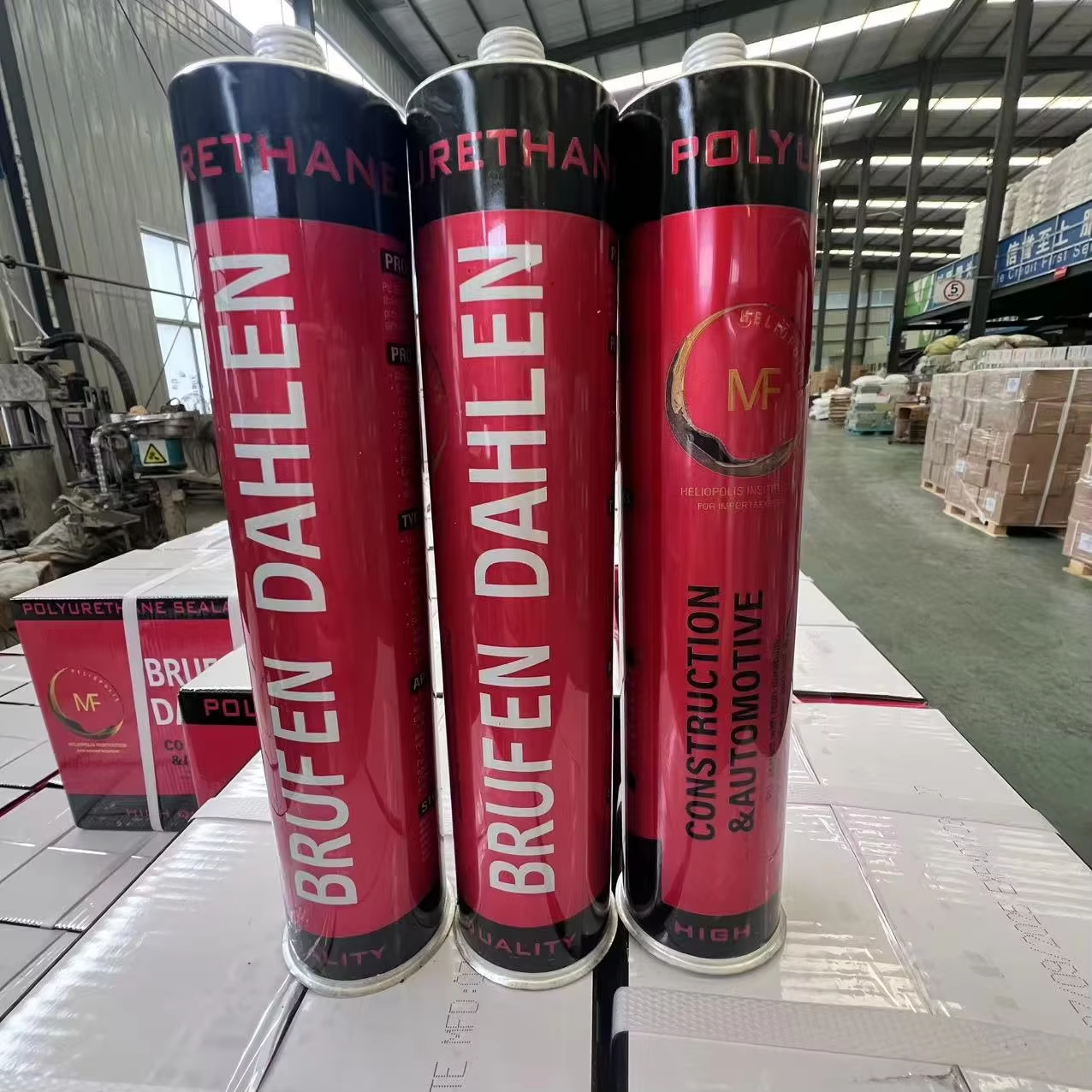
Automotive Glass and Windshield Installation Projects
Why Automotive Applications Demand Hybrid Sealant Chemistry
Automotive glazing represents one of the most demanding sealing environments in any industry. Windshields and rear glass panels must withstand constant vibration, thermal cycling, pressure differentials from high-speed driving, and exposure to UV radiation, rain, and temperature extremes. Standard silicone sealants offer excellent flexibility and UV resistance, but their relatively low cohesive strength makes them unsuitable for structural glazing bonds. Standard polyurethane adhesives, while strong, can become brittle under prolonged UV exposure without additional stabilization.
PU silicone sealant addresses both limitations simultaneously. The polyurethane component provides the tensile and shear strength required to hold glass panels securely against road forces and wind pressure, while the silicone modification improves UV stability, temperature resistance, and long-term elasticity. For automotive OEM production lines and aftermarket glass replacement workshops, this chemistry delivers a bond that passes FMVSS and ECE safety standards without requiring additional protective coatings over the sealant bead.
The 300ml cartridge format of professional-grade PU silicone sealant is particularly well suited to automotive application methods, allowing precise bead placement using standard pneumatic or manual dispensing guns. Consistent bead geometry is critical in windshield bonding to ensure even load distribution across the full glass perimeter, and the thixotropic rheology of most PU silicone sealant formulations supports vertical application without sagging before cure.
Fleet Maintenance and Commercial Vehicle Glass Replacement
Beyond passenger car assembly, fleet maintenance operations for buses, trucks, and specialty commercial vehicles benefit significantly from PU silicone sealant. These vehicles experience higher vibration loads, longer duty cycles, and more frequent thermal cycling than typical passenger cars. A sealant that loses cohesion under such conditions creates safety hazards and increases maintenance frequency.
Using PU silicone sealant in commercial vehicle glass replacement programs reduces callback rates and warranty claims. The combination of strong initial adhesion with sustained elasticity means the seal remains intact even as body panels flex during heavy-load operation. Fleet managers who have transitioned from conventional polyurethane to PU silicone sealant formulations typically report measurable reductions in glass resealing incidents over multi-year vehicle operating periods.
Construction and Building Envelope Projects
Curtain Wall and Structural Glazing Systems
Modern commercial buildings increasingly rely on glass curtain wall systems that must remain watertight and structurally sound across decades of service. These facades experience significant movement due to thermal expansion, wind-induced deflection, seismic activity, and building settlement. Any sealant joint used in such a system must accommodate movement percentages that would crack a rigid material, while simultaneously maintaining a weather-tight barrier.
PU silicone sealant is exceptionally well matched to curtain wall joint applications because its elongation at break and recovery characteristics allow the joint to flex without adhesive failure at the substrate interface. When specified correctly for joint width and depth, the sealant distributes movement stress evenly and avoids the cohesive tearing that affects harder or less elastic materials. Architects and façade engineers working on high-rise commercial projects often include PU silicone sealant in their joint sealant specifications precisely because it bridges the gap between structural performance and weather resistance.
Compatibility with glass, aluminum, concrete, and coated steel substrates is another critical factor in curtain wall applications. PU silicone sealant exhibits strong adhesion to this diverse range of materials with appropriate primer preparation, reducing the risk of adhesive failure at the sealant-to-substrate interface even under prolonged water exposure. This substrate versatility simplifies specification and reduces the number of different sealant products a contractor must manage on a complex building site.
Industrial and Commercial Roofing Projects
Roofing applications present some of the harshest environmental conditions any sealant must endure — continuous UV exposure, standing water, temperature extremes ranging from freezing to over 80°C on dark membrane surfaces, and physical stress from foot traffic and roof equipment vibration. PU silicone sealant performs reliably in penetration seals, flashing details, and seam sealing applications where these stresses combine.
In industrial roofing on manufacturing facilities, warehouses, and logistics centers, roof penetrations for HVAC equipment, pipe sleeves, and electrical conduits are major sources of water infiltration if inadequately sealed. PU silicone sealant creates durable watertight seals around these penetrations that maintain adhesion and flexibility through many years of thermal cycling. The relatively fast skin formation time of quality PU silicone sealant formulations also reduces the window of vulnerability to rain after application, an important practical benefit on occupied commercial roofing projects.
Industrial Manufacturing and Assembly Applications
Machine Housing and Panel Sealing in Production Equipment
Industrial machinery often requires sealants that can accommodate vibration, resist oils and cleaning chemicals, and maintain their seal integrity across wide temperature ranges during production operations. PU silicone sealant offers chemical resistance, thermal stability, and vibration damping characteristics that make it a strong candidate for sealing machine housings, electrical enclosure gaskets, and access panel joints in production equipment.
Equipment manufacturers and maintenance engineers who specify PU silicone sealant for these applications benefit from reduced ingress of contaminants into sensitive mechanical or electrical assemblies. Preventing moisture, dust, and oil penetration through housing joints directly contributes to longer equipment service intervals and reduced unplanned downtime. For manufacturers producing equipment destined for food processing, pharmaceutical, or electronics environments, the clean curing profile of many PU silicone sealant products is an additional advantage, as they release minimal volatile organic compounds after application.
Transportation Infrastructure and Rail Projects
Rail vehicles, including metro cars, high-speed trains, and light rail units, require sealants in window glazing, exterior panel joints, undercarriage assemblies, and interior fitments. These applications share the automotive demand for vibration resistance and thermal stability, but often at larger joint scales and over longer expected service lives. PU silicone sealant provides the combination of adhesive strength and long-term elasticity that rail vehicle builders require to meet service intervals measured in millions of operating kilometers.
Infrastructure-side rail projects also benefit from PU silicone sealant in bridge expansion joints, tunnel lining seals, and platform glazing installations. The material's resistance to water, deicing chemicals, and UV makes it a practical choice wherever transport infrastructure must perform reliably through seasonal extremes and heavy public use. Engineers specifying joint sealants for rail infrastructure increasingly recognize PU silicone sealant as a cost-effective way to achieve long maintenance intervals on critical public assets.
Marine and Offshore Projects
Boat Hull and Deck Sealing Applications
Marine environments test sealants to an exceptional degree. Continuous saltwater exposure, UV radiation, bilge chemical contact, and the constant flex of a hull moving through waves demand a sealant with outstanding water resistance, adhesion to fiberglass, aluminum, and teak, and the ability to maintain elasticity without hydrolytic degradation. PU silicone sealant satisfies these requirements more completely than single-chemistry alternatives, which is why it is widely found in boat manufacturing and boat maintenance applications.
Deck fittings, portlights, hull-to-deck joints, and through-hull penetrations all represent areas where sealant failure creates immediate safety and functional problems on a vessel. PU silicone sealant applied correctly in these locations provides long-lasting watertight seals that resist the combination of mechanical stress and chemical attack that characterizes marine service. Boatyards and marine maintenance professionals who standardize on PU silicone sealant for appropriate applications reduce the frequency of sealant-related leak callbacks significantly.
Offshore Industrial and Port Infrastructure Projects
Offshore platforms, port facilities, and coastal industrial structures face the combined attack of saltwater spray, UV, wind loading, and industrial chemical exposure. Joint sealants used in these environments must resist deterioration without frequent replacement, as access for resealing work is often difficult and costly. PU silicone sealant selected for offshore or coastal industrial sealing applications must demonstrate excellent hydrolytic stability, which quality formulations in this category consistently provide.
Expansion joints in port warehouse buildings, glazing seals in control rooms exposed to salt air, and penetration seals in offshore module fabrication are all project contexts where PU silicone sealant delivers measurably longer service life than standard polyurethane or standard silicone used alone. Project engineers and asset owners who calculate life-cycle costs rather than just initial material price typically favor PU silicone sealant for these high-consequence offshore and coastal applications.
FAQ
What makes PU silicone sealant different from standard silicone or standard polyurethane sealant?
PU silicone sealant combines the structural adhesion and tensile strength of polyurethane chemistry with the UV resistance, temperature stability, and long-term elasticity of silicone chemistry. Standard silicone alone often lacks the cohesive strength required for structural bonding, while standard polyurethane can degrade under prolonged UV exposure. The hybrid formulation addresses both weaknesses, making PU silicone sealant suitable for projects that demand both strong adhesion and durable flexibility across wide temperature and environmental ranges.
Can PU silicone sealant be used on all types of substrates?
PU silicone sealant adheres well to a wide range of substrates including glass, aluminum, steel, concrete, fiberglass, and many coated surfaces. However, substrate preparation, including cleaning and the use of appropriate primers where specified by the manufacturer, is essential for achieving optimal adhesion. Some porous substrates or those with incompatible surface coatings may require testing before full application. Following the technical data sheet guidance for each specific PU silicone sealant product ensures reliable adhesion across the intended substrate types.
How long does PU silicone sealant take to cure, and can projects proceed quickly after application?
Most PU silicone sealant products form a surface skin within 30 to 90 minutes under standard conditions of approximately 23°C and 50% relative humidity. Full cure through the depth of the joint typically requires 24 to 72 hours depending on joint dimensions, temperature, and humidity. Projects can often proceed with handling or light loading after initial skin formation, but structural loads or full waterproofing demands should wait for complete through-cure. Higher humidity generally accelerates cure for moisture-curing PU silicone sealant formulations.
Is PU silicone sealant suitable for interior as well as exterior project applications?
PU silicone sealant is suitable for both interior and exterior applications. For exterior projects, its UV resistance and weathering durability are primary selection drivers. For interior applications in manufacturing, transportation, or marine environments, its chemical resistance, vibration damping, and temperature stability make it valuable. In occupied interior spaces, it is important to ensure adequate ventilation during application and initial cure, as with most reactive sealant chemistries. Once fully cured, PU silicone sealant is chemically stable and does not continue to off-gas compounds that would affect indoor air quality.
Table of Contents
- Automotive Glass and Windshield Installation Projects
- Construction and Building Envelope Projects
- Industrial Manufacturing and Assembly Applications
- Marine and Offshore Projects
-
FAQ
- What makes PU silicone sealant different from standard silicone or standard polyurethane sealant?
- Can PU silicone sealant be used on all types of substrates?
- How long does PU silicone sealant take to cure, and can projects proceed quickly after application?
- Is PU silicone sealant suitable for interior as well as exterior project applications?