EN
EN



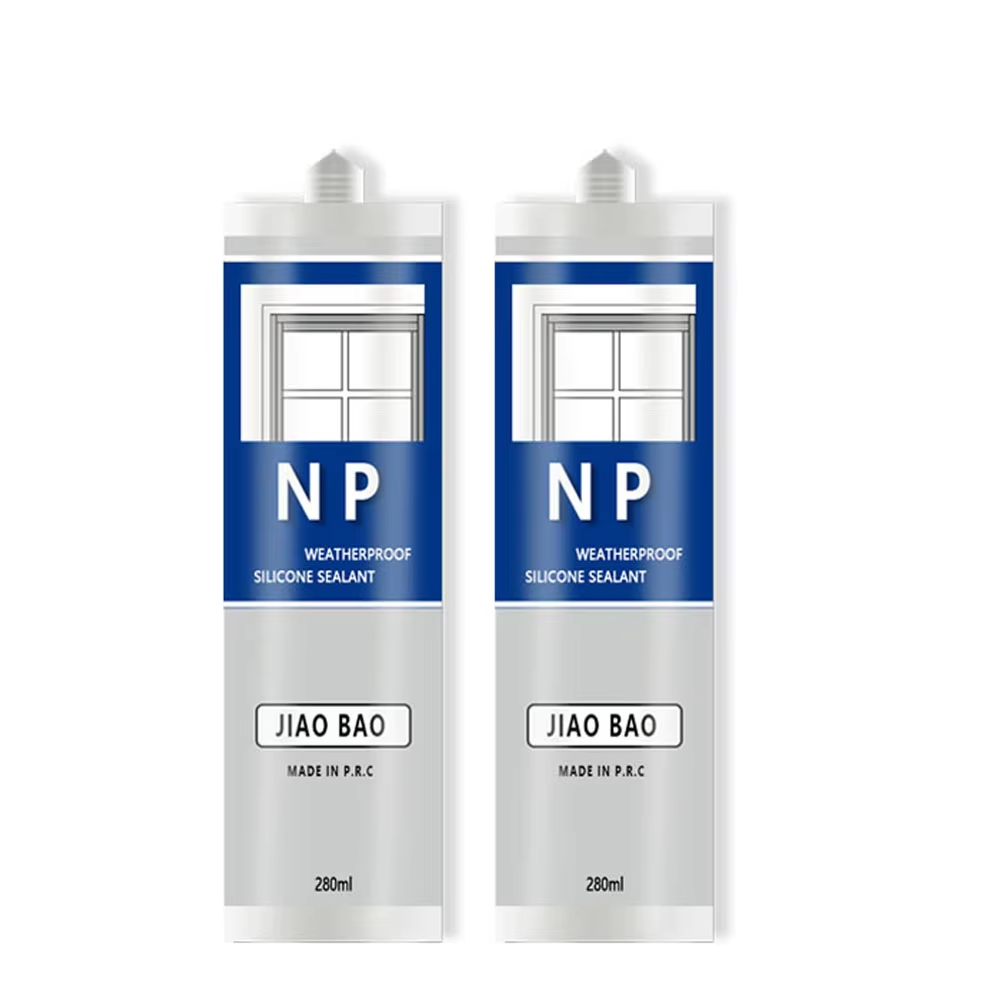
Moisture control remains one of the most critical challenges in residential construction and renovation projects, particularly in areas exposed to frequent water contact. Kitchen and bathroom environments present unique sealing requirements that demand specialized products capable of withstanding constant humidity, temperature fluctuations, and direct water exposure. The selection of appropriate sealing materials can mean the difference between long-lasting protection and costly water damage repairs that affect structural integrity and indoor air quality.
Professional contractors and homeowners alike recognize that standard caulking materials often fail to provide adequate protection in high-moisture environments. Traditional latex-based sealants, while suitable for certain applications, lack the flexibility and water resistance necessary for areas subjected to constant moisture exposure. Modern sealing solutions have evolved to address these specific challenges through advanced polymer formulations that maintain adhesion and elasticity under extreme conditions.
The implications of inadequate sealing extend beyond mere aesthetics, affecting property values, health considerations, and maintenance costs. Water infiltration through compromised seals can lead to structural damage, mold growth, and deterioration of surrounding materials. Understanding the science behind effective moisture barriers enables informed decision-making when selecting products for critical sealing applications in residential and commercial settings.
Understanding Silicone Sealant Technology
Chemical Composition and Performance Characteristics
Modern silicone sealants represent a sophisticated blend of siloxane polymers, cross-linking agents, and specialized additives designed to create durable, flexible seals. The molecular structure of silicone provides exceptional temperature stability, UV resistance, and chemical inertness that surpasses conventional organic polymers. These characteristics enable silicone-based products to maintain their sealing properties across temperature ranges from -40°F to 400°F, making them ideal for applications involving hot water systems and temperature variations.
The curing process of silicone sealants involves atmospheric moisture reaction, creating strong adhesive bonds while maintaining flexibility throughout the service life. This unique curing mechanism allows the material to accommodate structural movement without compromising seal integrity. Advanced formulations incorporate fungicides and antimicrobial agents to prevent biological growth, addressing health concerns associated with moisture-rich environments.
Viscosity control and thixotropic properties ensure proper application characteristics, allowing for precise bead formation and gap filling. Professional-grade formulations maintain consistent flow properties across varying environmental conditions, enabling reliable installation results regardless of ambient temperature and humidity levels during application.
Adhesion Science and Substrate Compatibility
Effective sealing performance depends critically on adhesion mechanisms between the sealant and substrate materials. Silicone technology utilizes both mechanical and chemical adhesion principles to create lasting bonds with diverse construction materials. The primer-free adhesion capability of quality silicone sealants eliminates additional preparation steps while ensuring reliable performance on ceramic, glass, metal, and painted surfaces commonly found in kitchen and bathroom applications.
Surface preparation requirements for silicone application involve thorough cleaning and degreasing to remove contaminants that could compromise adhesion. The low surface tension of cured silicone provides excellent wetting characteristics, enabling penetration into microscopic surface irregularities that enhance mechanical bonding. This property proves particularly valuable when sealing porous substrates or surfaces with varying textures.
Compatibility testing protocols ensure that silicone formulations do not adversely interact with common construction materials or coatings. Professional products undergo extensive testing to verify adhesion performance on substrates ranging from natural stone to synthetic composites, providing architects and contractors with confidence in long-term performance expectations.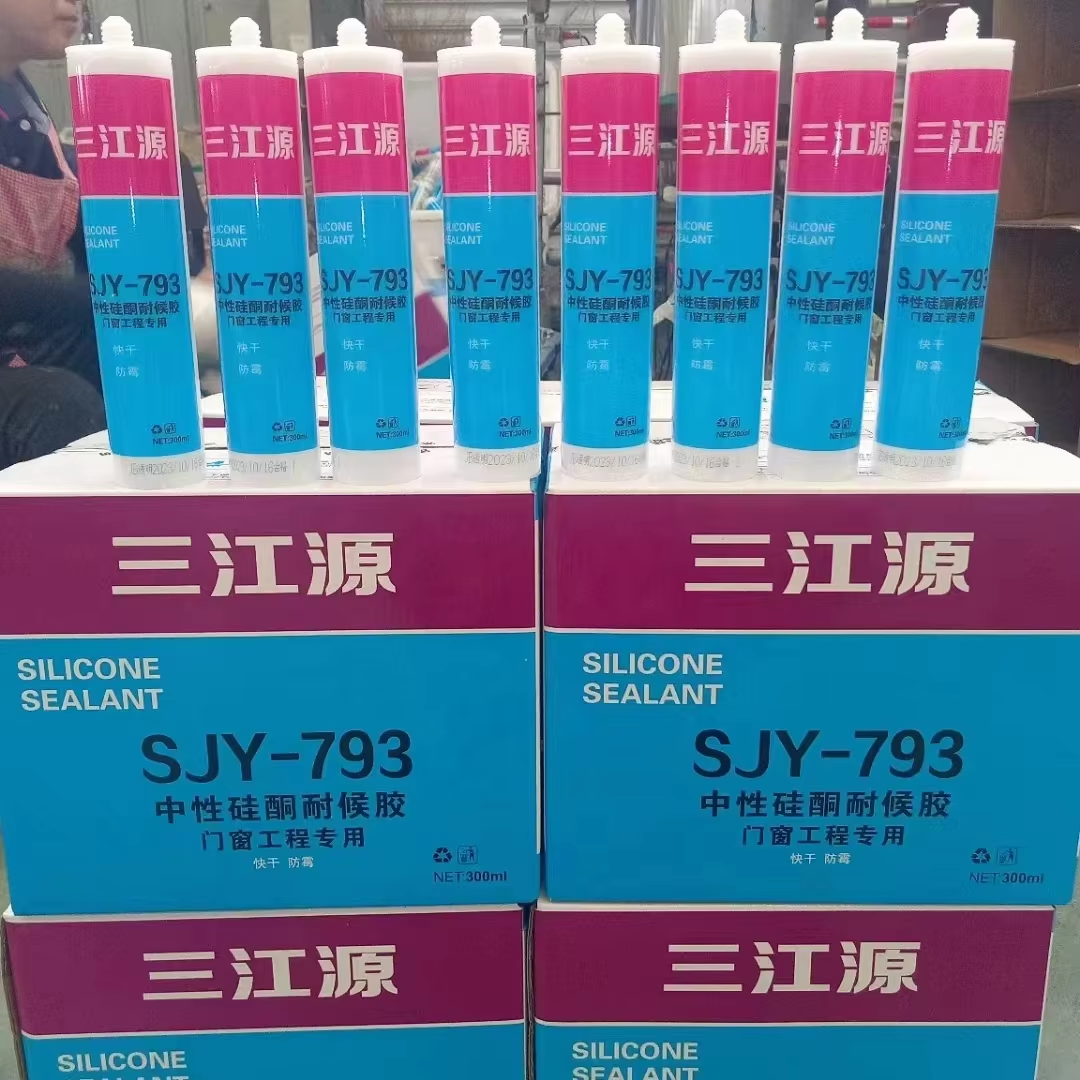
Moisture Resistance and Waterproofing Properties
Hydrophobic Characteristics and Water Barrier Formation
The hydrophobic nature of cured silicone creates an effective barrier against water penetration while maintaining vapor permeability that prevents trapped moisture accumulation. This selective permeability characteristic allows interior moisture to escape while blocking external water infiltration, creating balanced moisture management systems. The molecular structure of silicone prevents water molecules from penetrating the polymer matrix, ensuring consistent waterproof performance over extended periods.
Laboratory testing demonstrates that quality waterproof silicone sealant maintains water resistance even under hydrostatic pressure conditions that exceed typical residential applications. This performance capability provides security margins that account for unusual conditions such as plumbing failures or extreme weather events that might subject seals to temporary water pressure.
Dynamic water resistance testing evaluates sealant performance under cyclic wetting and drying conditions that simulate real-world exposure patterns. Results indicate that premium silicone formulations maintain seal integrity through thousands of wet-dry cycles without degradation of waterproof properties or adhesion characteristics.
Long-Term Durability and Weather Resistance
Extended exposure testing reveals that silicone sealants resist degradation from ultraviolet radiation, ozone, and chemical exposure that commonly affect other polymer types. The inherent stability of siloxane bonds provides resistance to chain scission and cross-link degradation that leads to seal failure in conventional materials. This stability translates to service life expectations measured in decades rather than years for properly applied silicone seals.
Thermal cycling performance ensures that seals maintain elasticity and adhesion through repeated expansion and contraction cycles. Kitchen and bathroom environments subject sealing materials to significant temperature variations from hot water usage, heating systems, and seasonal changes. Quality silicone formulations accommodate this movement without developing stress concentrations that could lead to adhesion failure.
Chemical resistance properties protect against degradation from cleaning products, personal care items, and water treatment chemicals commonly encountered in residential applications. Comprehensive compatibility testing verifies that exposure to chlorine, acids, bases, and organic solvents does not compromise seal performance or appearance over time.
Application-Specific Advantages in Kitchen Environments
Food Safety and Hygienic Considerations
Kitchen environments require sealing materials that meet strict hygiene standards while providing effective moisture barriers around sinks, countertops, and appliances. Food-grade silicone formulations comply with regulatory requirements for materials that may come into contact with food surfaces or preparation areas. The non-porous surface of cured silicone prevents bacterial colonization and facilitates thorough cleaning with standard sanitizing procedures.
Antimicrobial additives incorporated into premium silicone sealants provide additional protection against harmful microorganisms that thrive in moist environments. These additives work continuously to inhibit bacterial and fungal growth on the sealant surface, contributing to overall kitchen hygiene without requiring additional maintenance procedures. The effectiveness of these systems has been validated through independent laboratory testing according to international antimicrobial standards.
Stain resistance properties maintain the appearance and cleanliness of sealed joints even when exposed to food spills, cooking oils, and beverage stains. The low surface energy of silicone prevents penetration of common household stains, enabling easy cleanup with mild detergents. This characteristic proves particularly valuable in areas around stoves, preparation surfaces, and dining areas where food contact is frequent.
Heat Resistance and Appliance Integration
Kitchen applications often involve sealing around heat-generating appliances such as ovens, cooktops, and dishwashers that subject sealants to elevated temperatures. High-temperature silicone formulations maintain flexibility and adhesion at temperatures that would cause failure in organic sealants. This capability enables reliable sealing of expansion joints and appliance connections that experience thermal cycling during normal operation.
Steam resistance becomes critical in areas around dishwashers, steam ovens, and other appliances that generate hot, humid conditions. Silicone technology resists hydrolysis and thermal degradation that can occur when conventional sealants are exposed to superheated water vapor. This resistance ensures that appliance seals remain effective throughout the equipment service life without requiring premature replacement.
Electrical safety considerations require that sealants used around kitchen appliances maintain insulating properties and resist degradation from electrical fields. Quality silicone products provide excellent electrical insulation while accommodating the mechanical stresses associated with appliance vibration and thermal expansion. These properties contribute to overall kitchen safety by maintaining proper sealing of electrical connections and preventing moisture infiltration into sensitive components.
Bathroom-Specific Performance Requirements
Shower and Bathtub Sealing Applications
Bathroom environments present the most demanding conditions for sealing materials due to constant moisture exposure, temperature extremes, and mechanical stress from daily use. Shower enclosures require sealants capable of withstanding direct water spray, steam exposure, and thermal shock from hot water contact. Professional-grade silicone sealants maintain elasticity and adhesion under these conditions while providing the movement accommodation necessary for structural settling and thermal expansion.
Bathtub installations benefit from silicone's ability to create watertight seals that accommodate the significant deflection that occurs when tubs are filled and emptied. The high elongation capability of silicone allows seals to stretch and recover repeatedly without developing leaks or adhesion failure. This performance characteristic proves essential in applications where rigid sealants would crack under cyclic loading conditions.
Vertical surface applications in shower surrounds require sealants with excellent sag resistance and tooling properties that enable precise bead formation. Thixotropic formulations maintain their shape during application while providing smooth, professional-appearing finished surfaces. The self-leveling characteristics of quality silicone sealants eliminate the formation of voids or irregularities that could compromise water resistance or appearance.
Mold and Mildew Prevention Strategies
Biological growth prevention represents a critical performance requirement for bathroom sealants due to the warm, humid conditions that promote mold and mildew development. Fungicide-enhanced silicone formulations provide both surface protection and inhibition of growth beneath the sealant where moisture might accumulate. These systems work continuously to prevent colonization by common household molds that can compromise indoor air quality and create unsightly discoloration.
The non-nutrient surface chemistry of silicone provides an inhospitable environment for biological growth even in the absence of active biocides. Unlike organic polymers that can serve as carbon sources for microorganisms, silicone's inorganic backbone resists biodegradation while maintaining effective moisture barriers. This inherent resistance contributes to long-term performance in high-humidity environments without requiring frequent replacement or maintenance.
Ventilation compatibility ensures that silicone seals do not interfere with proper air circulation patterns that help control humidity levels. The vapor permeability of quality sealants allows moisture transfer rates that support effective ventilation system operation while maintaining water resistance. This balance proves critical in preventing moisture accumulation that could lead to structural damage or biological growth in wall cavities.
Installation Best Practices and Quality Assurance
Surface Preparation and Application Techniques
Successful sealant installation begins with thorough surface preparation that removes contaminants, old sealant residues, and any materials that could interfere with adhesion. Solvent cleaning followed by complete drying ensures optimal bonding conditions for silicone application. Professional installers utilize specialized tools and techniques to achieve consistent bead geometry and proper joint filling that maximizes performance and appearance.
Temperature and humidity conditions during application significantly influence curing rates and final properties of silicone sealants. Optimal installation conditions typically involve temperatures between 40°F and 100°F with relative humidity levels above 30% to ensure proper moisture curing. Extreme conditions may require modified application procedures or specialized formulations designed for challenging environmental conditions.
Joint design considerations affect long-term performance by ensuring that sealants are applied within their design capabilities for movement accommodation and stress distribution. Proper joint dimensioning follows established guidelines that account for anticipated structural movement, thermal expansion, and service loads. Adherence to these principles prevents premature failure due to overextension or compression beyond material limits.
Quality Control and Performance Verification
Post-installation testing procedures verify that seals meet performance requirements before final acceptance. Water testing protocols evaluate seal integrity under realistic service conditions while providing opportunities to address any deficiencies during the installation phase. Visual inspection criteria ensure that finished seals meet aesthetic standards while maintaining functional performance characteristics.
Documentation requirements for warranty compliance include material specifications, installation dates, environmental conditions, and quality control test results. Professional installations benefit from comprehensive records that support warranty claims and provide baseline information for future maintenance planning. These records prove particularly valuable for commercial applications where performance guarantees may extend for extended periods.
Maintenance scheduling guidelines help property owners understand the service life expectations and recommended inspection intervals for silicone seals. While quality installations may perform effectively for decades, periodic inspection enables early detection of potential issues before they develop into costly failures. Proactive maintenance approaches maximize the return on investment in premium sealing materials while preventing water damage to surrounding structures.
FAQ
How long does waterproof silicone sealant typically last in bathroom applications?
Quality waterproof silicone sealant can last 15-20 years or more in bathroom applications when properly installed and maintained. The actual service life depends on factors including product quality, installation conditions, and exposure severity. Premium formulations with antimicrobial additives and superior adhesion properties generally provide longer service life than economy products, making them cost-effective choices for critical sealing applications.
Can waterproof silicone sealant be painted over after curing?
Standard silicone sealants typically cannot be painted due to their low surface energy and release properties that prevent paint adhesion. However, paintable silicone formulations are available that incorporate surface chemistry modifications to accept paint systems. These specialized products provide the waterproof performance of silicone while offering the aesthetic flexibility of paintable surfaces for applications where color matching is important.
What temperature range can waterproof silicone sealant withstand?
Most waterproof silicone sealants perform effectively across temperature ranges from -40°F to 400°F, with some high-temperature formulations rated for continuous service up to 600°F. This temperature stability makes silicone suitable for applications around hot water systems, steam appliances, and areas subject to significant temperature variations. The material maintains flexibility and adhesion throughout this range without degradation of sealing properties.
Is special surface preparation required before applying waterproof silicone sealant?
Proper surface preparation is essential for optimal performance and involves thorough cleaning with appropriate solvents to remove grease, soap residue, old sealant, and other contaminants. Surfaces must be completely dry before application, and porous substrates may benefit from primer application depending on the specific product requirements. Following manufacturer guidelines for surface preparation ensures maximum adhesion and long-term performance in demanding applications.