EN
EN



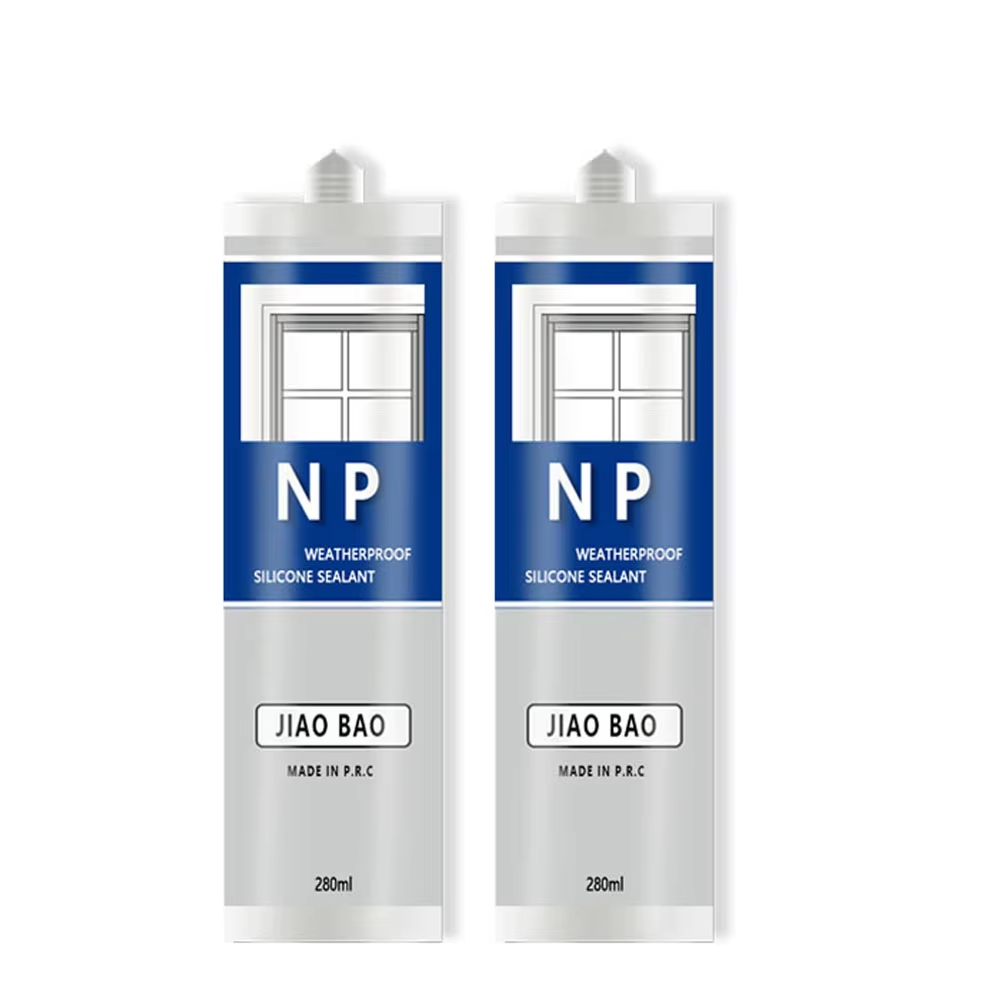
Në botën konkurruese të aplikimeve ndërtimore dhe industriale, zgjedhja e zgjidhjes së duhur për hermetizim mund të ketë një ndikim të konsiderueshëm në qëndrueshmërinë dhe performancën e projektit. GP sigillant silikon ka dalë si një zgjedhje superiore për profesionistët që kërkojnë performancë të besueshme dhe të qëndrueshme të hermetizimit në aplikime të ndryshme. Kjo formulim i avancuar kombinon veti të jashtëzakonshme adhezive me rezistencë ndaj kushteve atmosferike, duke e bërë atë një mjet të pakuptimtë për projekte komerciale dhe rezidenciale. Kuptimi i karakteristikave unike që dallon hermetizuesin silikonik GP nga opsionet konvencionale ndihmon kontraktorët dhe inxhinierët të marrin vendime të informuara për kërkesat e tyre specifike të hermetizimit.
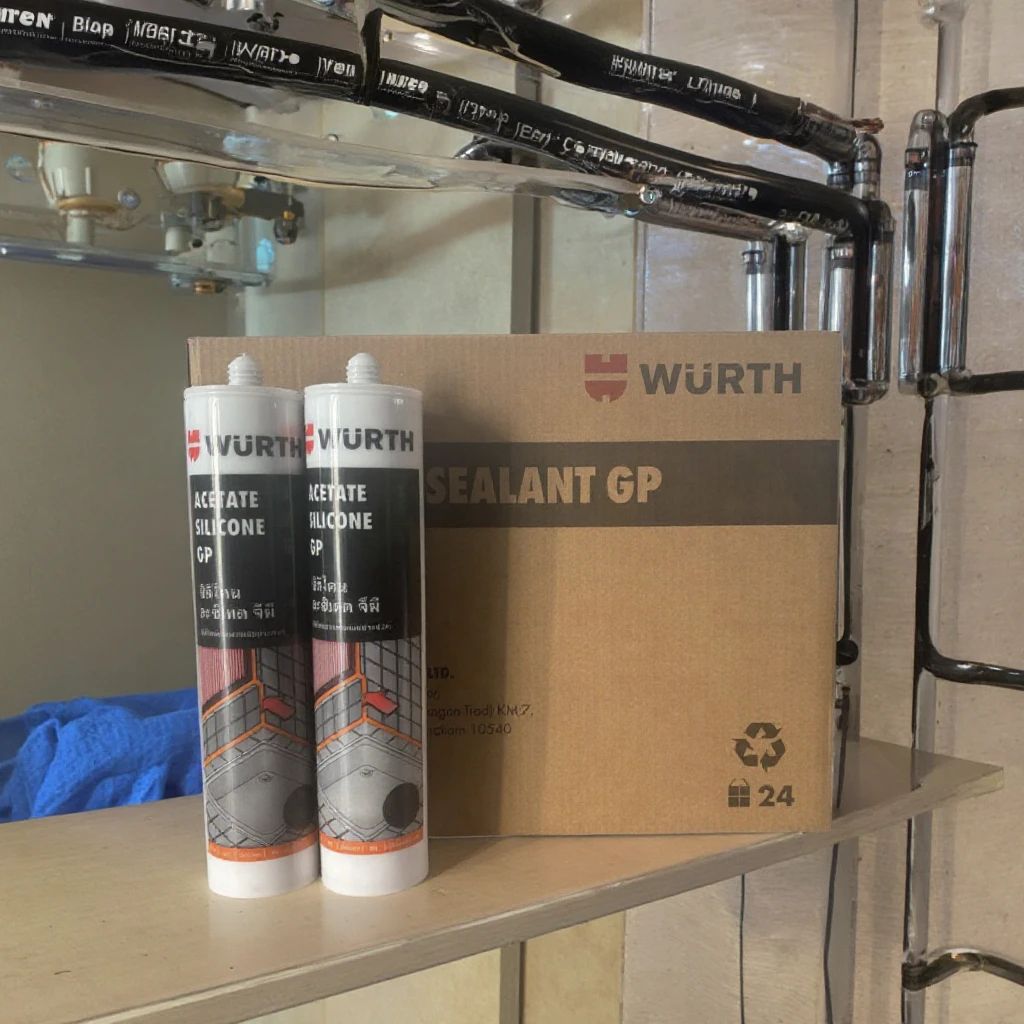
Përbërja Kimike e Avancuar dhe Karakteristikat e Performancës
Struktura Molekulare dhe Vetitë e Lidhjes
Arkitektura molekulare e hermetizuesit silikonik GP e dallon atë nga tradicionalja akrilik dhe alternativat poliuretanë përmes strukturës unike të shpinës së saj siloksanike. Kjo zinxhir polimerik i avancuar ofron fleksibilitet dhe qëndrueshmëri të jashtëzakonshme, duke ruajtur integritetin e mbylljes së saj edhe nën ndryshimet ekstreme të temperaturës. Mekanizmi i lidhjes kryq në ngjitësin e silikonit GP krijon një rrjet tridimensional që reziston degradimit nga rrezatimi UV, ekspozimi ndaj ozonit dhe kontaminuesit kimikë që gjenden zakonisht në mjediset industriale.
Ndryshe nga ngjitësit standard që mund të bëhen të brishtë ose të humbasin ngjitshmërinë me kalimin e kohës, ngjitësi i silikonit GP ruan vetitë elastomerike të tij gjatë tërë shërbimi jetës së tij. Kjo stabilitet molekulare përkthehet në aftësi të jashtëzakonshme për të akomoduar lëvizjen e nyjeve, duke lejuar që lidhjet e mbyllura të zgjerohen dhe të kontraktohen pa komprometuar integritetin e mbylljes. Rezultati është një pengesë e qëndrueshme dhe e besueshme kundër infiltrimit të lagështirës, ftesës së ajrit dhe kontaminuesve mjedisore.
Mekanizmi i Nxjerrjes dhe Benefitetet e Aplikimit
Procesi i tharjes së ngjitësit silikonik GP përfshin një reaksion të katalizuar nga lagështia që formon lidhje kimike të forta me sipërfaqet e substratit. Ky mekanizëm lejon ngjitësit të arrijë thellësi të plotë të tharjes që tejkalon ato të shumë alternativave konvencionale, duke siguruar polimerizim të plotë edhe në aplikimet me trashësi të madhe. Kimia e tharjes neutrale eliminon produktet anësore korrozive të lidhura me sistemet e tharjes me acetoks, duke e bërë të sigurt për përdorim mbi materiale të ndjeshme, përfshirë metalet dhe gurët natyrorë.
Gjatë aplikimit, ngjitësi silikonik GP tregon punueshmëri të shkëlqyer dhe karakteristika të shkëlqyera për përpunim, duke lejuar formimin e saktë të shiritit dhe përfundimin e lëmuar. Koha e zgjatur e punës ofron aplikuesve mundësinë e mjaftueshme për rregullim dhe korrigjim, ndërsa shpejtësia e parashikueshme e tharjes siguron rezultate të konstanta në kushte ambientale të ndryshme. Ky faktor i besueshmërisë zvogëlon në mënyrë të konsiderueshme rrezikun e dështimeve gjatë aplikimit dhe të kthimeve (callbacks) në instalimet profesionale.
Ngjitje Superiore dhe Përshtatshmëri me Nënstratin
Aftësi për Lidhje në Sipërfaqe të Shumta
Njera prej mëdhenj parapëlqive të GP Silicone Sealant ndodhet në adhezionin e saj të jashtëzakonshëm me një gamë të gjerë materialesh bazë pa kërkuar përdorimin e primerëve ose trajtimeve sipërfaqësore. Kjo shumëfunksionalitet përfshin qelqin, alumminiumin, çelikun, betonin, keramikën dhe të ndryshmet materiale plastike që takohen zakonisht në aplikimet moderne ndërtimore. Përbërësit polarë dhe jo-polarë brenda formulimit të sigilosë lejojnë lidhje të fortë ndërfaciesi përmes mekanizmave të adhezionit mekanik dhe kimik.
Fortësia e adhezionit të sigilosë së silikonit GP mbetet e qëndrueshme nëpër ekstreme temperaturash, duke ruajtur integritetin e lidhjes nga kushtet nën zero deri te temperaturat e larta të përdorimit. Kjo qëndrueshmëri termike parandalon modet e dështimit të ngjitësit që vëzhgohen zakonisht me sigilosa standarde kur ato janë të nënshtruara cikleve termike. Instaluesit profesionalë profitojnë nga kjo besueshmëri, pasi redukton nevojën për procedura të veçanta përgatitjeje sipërfaqësore dhe minimizon rrezikun e dështimit të hershëm të sigilosë.
Qëndrueshmëria Afatgjatë dhe Rezistenca ndaj Kushteve të Motit
Rezistenca ndaj kushteve atmosferike përfaqëson një kriter performancës të rëndësishëm ku sigilosja e silikonit GP tregon një përparësi të qartë në krahasim me alternativat konvencionale. Stabiliteti i brendshëm i zinxhirinës polimerike të silikonit ofron një rezistencë të shkëlqyer ndaj degradimit nga rrezet UV, duke parandaluar çlirimin e pluhurit dhe ngurtësimin e përgjithshëm që vërehen zakonisht në sistemet e sigilosjeve organike. Kjo stabilitet ndaj rrezeve UV ruan edhe vetitë fizike edhe pamjen e bashkësimit të sigilosur gjatë ekspozimit të gjatë jashtë shtëpie.
Rezistenca ndaj lagështirës në sigilosjen e silikonit GP tejkalon atë të shumë formulimeve standarde, duke ruajtur vetitë efektive të pengesës edhe nën kushte të vazhdueshme të zhytjes në ujë. Natyra hidrofobike e silikonit të hardhuar parandalon thithjen e ujit dhe ndryshimet e lidhura me dimensionet që mund të dëmtojnë integritetin e sigilosjes. Për më tepër, rezistenca ndaj rritjes së fungjeve dhe baktereve bën që sigilosja e silikonit GP të jetë veçanërisht e përshtatshme për mjedise të lagështa dhe aplikime ku konsideratat e higjenës janë të thella.
Shumëfunksionaliteti i Aplikimit dhe Avantazhet e Instalimit
Diapazoni i Performancës në Temperaturë
Gama e temperaturave operative të sigilosë së silikonit GP shtrihet shumë më tej se ajo e sistemeve të zakonshme të sigilosë, duke ruajtur fleksibilitetin dhe performancën e sigilosë nga minus katërdhjetë gradë Celsius deri në mbi njëqind e pesëdhjetë gradë Celsius. Ky interval i zgjatur i përdorimit e lejon përdorimin e saj në aplikime që përfshijnë pajisje termike, sisteme HVAC dhe komponentë të mbulesës së jashtme të ndërtesave të ekspozuara në kushte ekstreme moti. Stabiliteti i temperaturës garanton performancë të qëndrueshme pa marrë parasysh ndryshimet stinore ose kërkesat e proceseve industriale.
Përkulshmëria në temperaturë të ulët mbetet një forcë e veçantë e sigilosë së silikonit GP, pasi reziston ngurtësimit dhe çarjes që prekin shumicën e sigilosave standarde në klima të ftohta. Kjo karakteristikë tregon vlerë të veçantë në tregjet e ndërtimit në veri dhe në aplikimet e ftohësve, ku ruajtja e integritetit të sigilosës në temperaturë më të ulët se zero është e domosdoshme. Rezistenca ndaj cikleve termike parandalon degradimin gradual të performancës së sigilosës që ndodh me ciklet e përsëritura të ngrirjes-dëshkrimit.
Rezistenca ndaj kimikateve dhe aplikimet industriale
Ambientet industriale shpesh ekspozojnë materiale sigiluese ndaj kimikateve agresive, vajrave dhe tretësve që mund të degradojnë shpejt formulimet standarde. Sigilosa e silikonit GP tregon rezistencë superiore ndaj këtyre kushteve të vështira, duke ruajtur vetitë e saj sigiluese kur ekspozohet ndaj produkteve të naftës, agjentëve pastrues dhe të ndryshme kimikateve industriale. Kjo inercion kimike e bën atë zgjidhje ideale për fabrikat e prodhimit, fabrikat e përpunimit kimik dhe aplikimet e industrisë automobilistike.
Natyra jo reagjuese e sigilosë së silikonit GP të ngurtësuar parandalon migrimin e plastifikuesve dhe shtesave të tjera që mund të shkaktojnë vrima ose degradim të materialeve fqinje. Kjo stabilitet është veçanërisht e rëndësishme në instalimet e përpunimit të ushqimeve dhe në ambientet e dhomave të pastër ku kontrolli i kontaminimit është kritik. Aftësia për t'u kundërvënur protokolleve agresive të pastrimit dhe procedurave të sterilizimit e rrit edhe më tepër përshtatshmërinë e saj për aplikime industriale të kërkuara.
Benefitet ekonomike dhe analizë e efikasitetit të kostos
Investimi Paraprak Krahasuar me Vlerën Afatgjatë
Megjithëse sigilanti i silikonit GP mund të kushtojë më shumë në krahasim me alternativat bazike akrilike ose latex, analiza e kostos totale të pronësisë tregon avantazhe ekonomike të konsiderueshme. Jeta e zgjatur e shërbimit, e cila zakonisht tejkalon njëzet vitet në aplikime të dizajnuara mirë, zvogëlon frekuencën e cikleve të mirëmbajtjes dhe të zëvendësimit. Kjo përhershmeri përkthehet në koste më të ulëta punëtori, konsumim më të ulët materiali dhe pengesa minimale për operimet e ndërtesës gjatë ciklit të jetës së sigilantit.
Karakteristikat e jashtëzakonshme të performancës së sigilantit të silikonit GP kontribuojnë gjithashtu në përmirësimin e efikasitetit energjetik në aplikimet e oborrit të ndërtesës. Sigilimi i përmirësuar kundër ajrit dhe lagështisë zvogëlon kërkesat për ngarkesën e sistemeve HVAC, duke çuar në reduktime të matshme të kostove operative të energjisë. Këto kursime energjetike, të kombinuara me kërkesat e ulëta për mirëmbajtje, shpesh e arsyetojnë premiun fillestar të investimit brenda vitve të parë të shërbimit.
Efikasiteti i Instalimit dhe Konsideratat për Punëtorin
Aplikatorët profesionalë profitojnë nga vetitë e konstanta të punës së mastikes silikonike GP, të cilat lejojnë kohë më të shpejtë instalimi dhe norma më të ulëta kthimi. Sjellja e parashikueshme e tharjes dhe aftësia e shkëlqyer e përpunimit minimizojnë kërkesat për njohuri të larta teknike për arritjen e rezultateve me cilësi profesionale. Kjo efikasitet e instalimit përkthehet në kursime të kostos së punës dhe në përmirësimin e besueshmërisë së planifikimit të projekteve për kontraktorët që menaxhojnë shumë projekte sigilimi.
Nevoja e reduktuar për aplikimin e primerit dhe përgatitjen e sipërfaqes me mastikën silikonike GP rrit edhe më tepër efikasitetin e instalimit. Mastikat standarde kërkojnë shpesh pastrim të gjerë, aplikim primeri ose procedura maskimi që shtojnë kohë dhe kosto të konsiderueshme në procesin e instalimit. Karakteristikat e shumëfunksionale të ngjitjes së mastikes silikonike GP eliminon shumicën e këtyre hapat përgatitore, duke ruajtur gjithnjë e më tej forcën e ngjitjes dhe qëndrueshmërinë e saj.
Siguria e Cilësisë dhe Standardet e Performancës
Sertifikatat dhe Protokollet e Testimit në Industrinë
Formulimet e ngjitësit silikonik GP i nënshtrohen testimeve të hollësishme për të plotësuar dhe tejkaluar standardet ndërkombëtare të performancës për xhamimin strukturor, sigurimin kundër kushteve atmosferike dhe aplikimet industriale. Përputhja me kërkesat e ASTM, ISO dhe të kodit rajonal të ndërtimit garanton performancë të besueshme në kushte klimatike të ndryshme dhe në skenare aplikimi të ndryshme. Këto certifikata japin specifikuesve dhe kontraktorëve besim në performancën e gjatëkohëshme të sistemeve të tyre të ngjitjes.
Testet e moshës së shpejtësuara tregojnë ruajtjen superiore të vetive të ngjitësit silikonik GP në krahasim me alternativat standarde. Protokollet e moshës së nxehtësisë, ekspozimit ndaj UV-së dhe cikleve termike konfirmojnë ruajtjen e forcës së ngjitjes, të përmalshmerisë dhe të performancës së ngjitjes shumë më tej se pritjet e zakonshme për jetëgjatësinë e përdorimit. Këto të dhëna testimi mbështesin programe garantie dhe llogaritjet e jetëgjatësisë projektuese për aplikime kritike ngjitje.
Kontrolli i Cilësisë dhe Standardet e Prodhimit
Përshtatshmëria e prodhimit përfaqëson një faktor të rëndësishëm në performancën e materialit hermetizues, ku hermetizuesi i silikonit GP profiton nga kontrollimet e avancuara të prodhimit dhe procedurat e sigurimit të cilësisë. Variacioni midis partive të prodhimit minimizohet përmes specifikimeve të sakta të materialeve të para dhe sistemeve të përzierjes automatike që sigurojnë veti uniforme të produktit. Kjo përshtatshmëri përkthehet në sjellje të parashikueshme gjatë aplikimit dhe në performancë të besueshme në fushë nëpër partitë e ndryshme të prodhimit.
Stabiliteti i ruajtjes së hermetizuesit të silikonit GP është më i lartë se ai i shumë formulimeve konvencionale, duke ruajtur vetitë e tij të aplikimit për periudha të gjata pa degradim. Ky avantazh i afatit të ruajtjes zvogëlon humbjet nga materialet e skaduara dhe lejon strategji blerjeje me sasi të mëdha që mund të ulin kostot totale të projektit. Viskoziteti i qëndrueshëm dhe karakteristikat e tharjes sigurojnë rezultate të përshtatshme pavarësisht nga koha e ruajtjes brenda periudhës së caktuar të afatit të ruajtjes.
FAQ
Si krahasohet pastaja e silikonit GP me pastat e poliuretanit në aplikimet jashtë shtëpie?
Pastaja e silikonit GP tregon rezistencë superiore ndaj rrezatimeve UV dhe ruan fleksibilitetin në gamë më të gjerë temperaturash krahasuar me alternativat e poliuretanit. Megjithëse pastat e poliuretanit mund të ofrojnë avantazhe në pikturueshmëri dhe në disa skenare adhezioni me nënstratume të caktuara, pastaja e silikonit GP ofron qëndrueshmëri më të mirë në kohë të gjatë në aplikimet e jashtme që ekspozohen ndaj kushteve atmosferike. Formulimi i silikonit reziston ngjyrimit të bardhë (chalkingu), çarjeve dhe degradimit të ngjyrës, të cilat janë probleme të zakonshme për pastat e poliuretanit në ambiente të jashtme.
Cila është përgatitja e sipërfaqes e nevojshme para aplikimit të pastës së silikonit GP?
Sigilanti i silikonit GP kërkon përgatitje minimale të sipërfaqes në shumicën e materialeve, zakonisht duke përfshirë pastrimin për heqjen e pluhurit, vajit dhe mbetjeve të lira. Ndryshe nga shumica e sigilantëve standard, primerët zakonisht nuk janë të nevojshëm për materiale të zakonshme ndërtimi, përfshirë qelqin, alumminiumin dhe betonin. Megjithatë, materiale me porozitet të lartë mund të profitojnë nga aplikimi i primerit për të optimizuar forcën e ngjitjes, dhe rekomandohet testimi i përshtatshmërisë për aplikime kritike ose kombinime të jashtëzakonshme të materialeve.
A mund të ngjyrosen sigilantët e silikonit GP pas tharjes?
Shumica e formulimeve të sigilantëve të silikonit GP nuk janë të ngjyrosura për shkak të karakteristikave të tyre me energji të ulët sipërfaqësore, të cilat pengojnë ngjitjen adekuate të ngjyrës. Megjithatë, ekzistojnë sigilantë të veçantë të silikonit të ngjyrosur për aplikime ku kërkohet ngjyrosja pasardhëse. Sigilanti standard GP i silikonit ofron rezistencë të shkëlqyer ndaj ndryshimeve të ngjyrës dhe stabilitet të shkëlqyer ndaj rrezatimit UV, duke zvogëluar nevojën për ngjyrosje, ndërkohë që ruan një pamje tërheqëse gjatë tërë jetës së tij operative.
Cili është kohëzgjatja e zakonshme e tharjes për sigilantin e silikonit GP në kushte ambientale të ndryshme?
Sigilanti i silikonit GP zakonisht formon një shtresë të hollë sipërfaqësore brenda 10–30 minutash në kushte normale, me tharje të plotë që arrihet brenda 24 orëve për trashësitë e zakonshme të shiritit. Lagështia më e lartë shpejton procesin e tharjes, ndërsa lagështia e ulët dhe temperaturat e ftohta mund ta zgjasin kohëzgjatjen e tharjes. Ekstremet e temperaturës, më poshtë se 5°C ose më lart se 40°C, mund të ndikojnë në mënyrë të konsiderueshme në shpejtësinë e tharjes, dhe duhet të mbahet një ventilim i mjaftueshëm për të siguruar qasje të duhur të lagështisë për reaksionin e tharjes.
Përmbajtja
- Përbërja Kimike e Avancuar dhe Karakteristikat e Performancës
- Ngjitje Superiore dhe Përshtatshmëri me Nënstratin
- Shumëfunksionaliteti i Aplikimit dhe Avantazhet e Instalimit
- Benefitet ekonomike dhe analizë e efikasitetit të kostos
- Siguria e Cilësisë dhe Standardet e Performancës
-
FAQ
- Si krahasohet pastaja e silikonit GP me pastat e poliuretanit në aplikimet jashtë shtëpie?
- Cila është përgatitja e sipërfaqes e nevojshme para aplikimit të pastës së silikonit GP?
- A mund të ngjyrosen sigilantët e silikonit GP pas tharjes?
- Cili është kohëzgjatja e zakonshme e tharjes për sigilantin e silikonit GP në kushte ambientale të ndryshme?