Premium Automotive Polyurethane Sealant - Superior Weather Protection and Chemical Resistance for Vehicle Applications

Get a Free Quote

Our representative will contact you soon.
Email
Name
Company Name
Message
0/1000

automotive polyurethane sealant

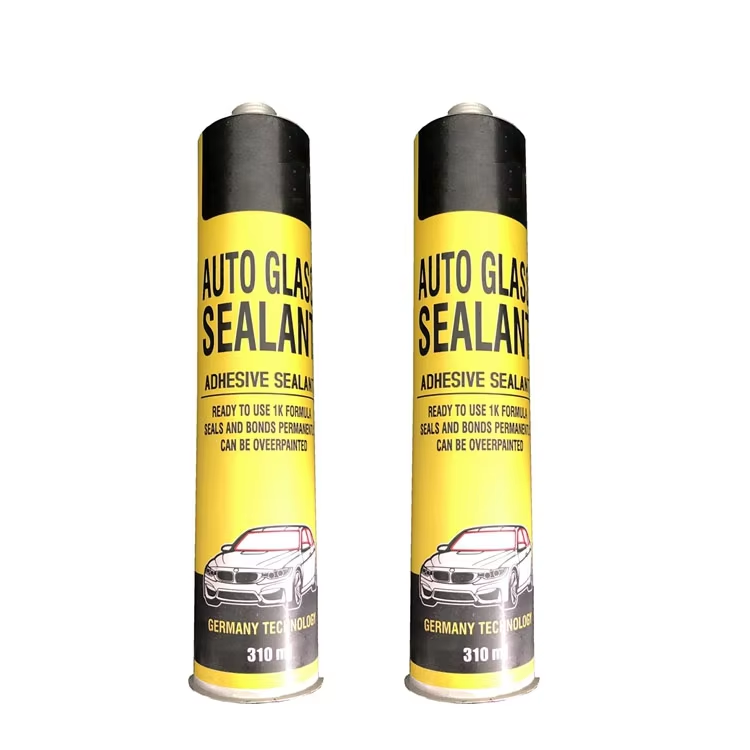
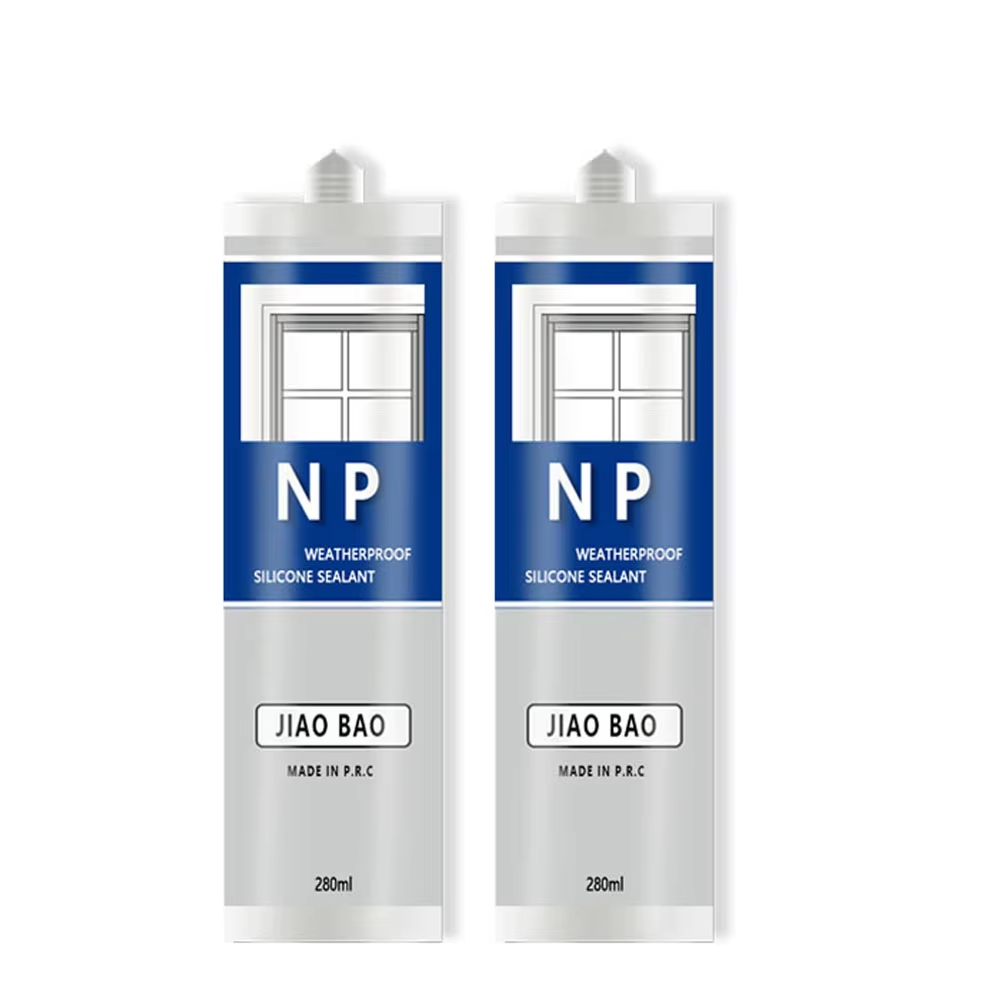
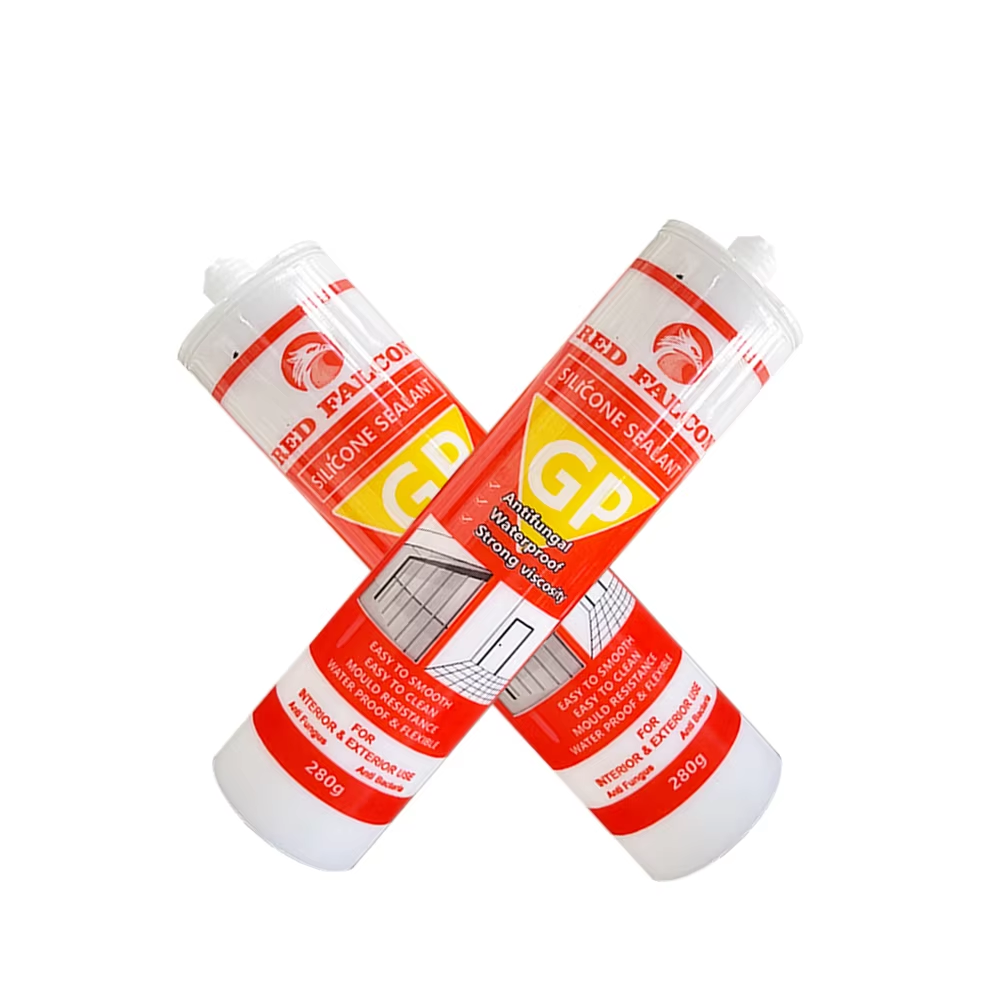
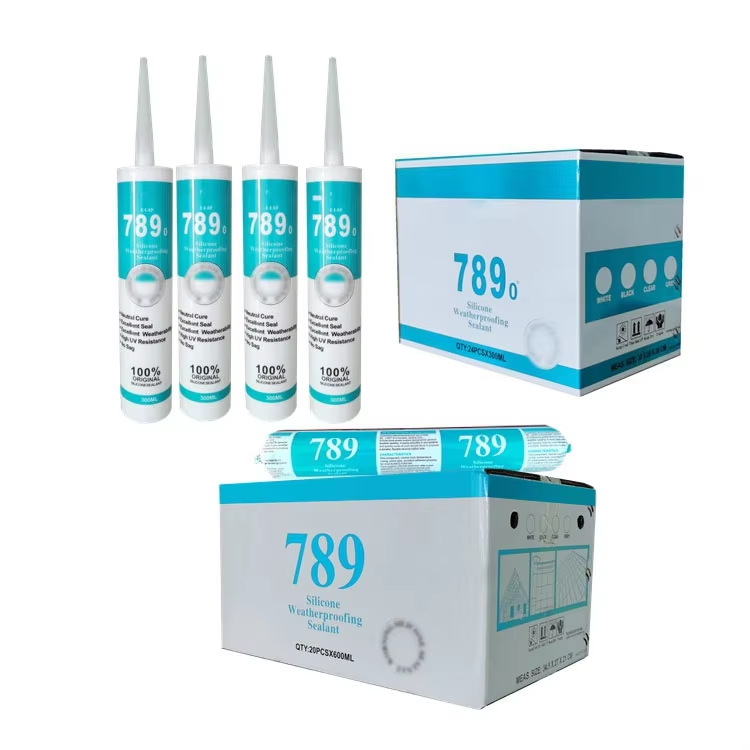
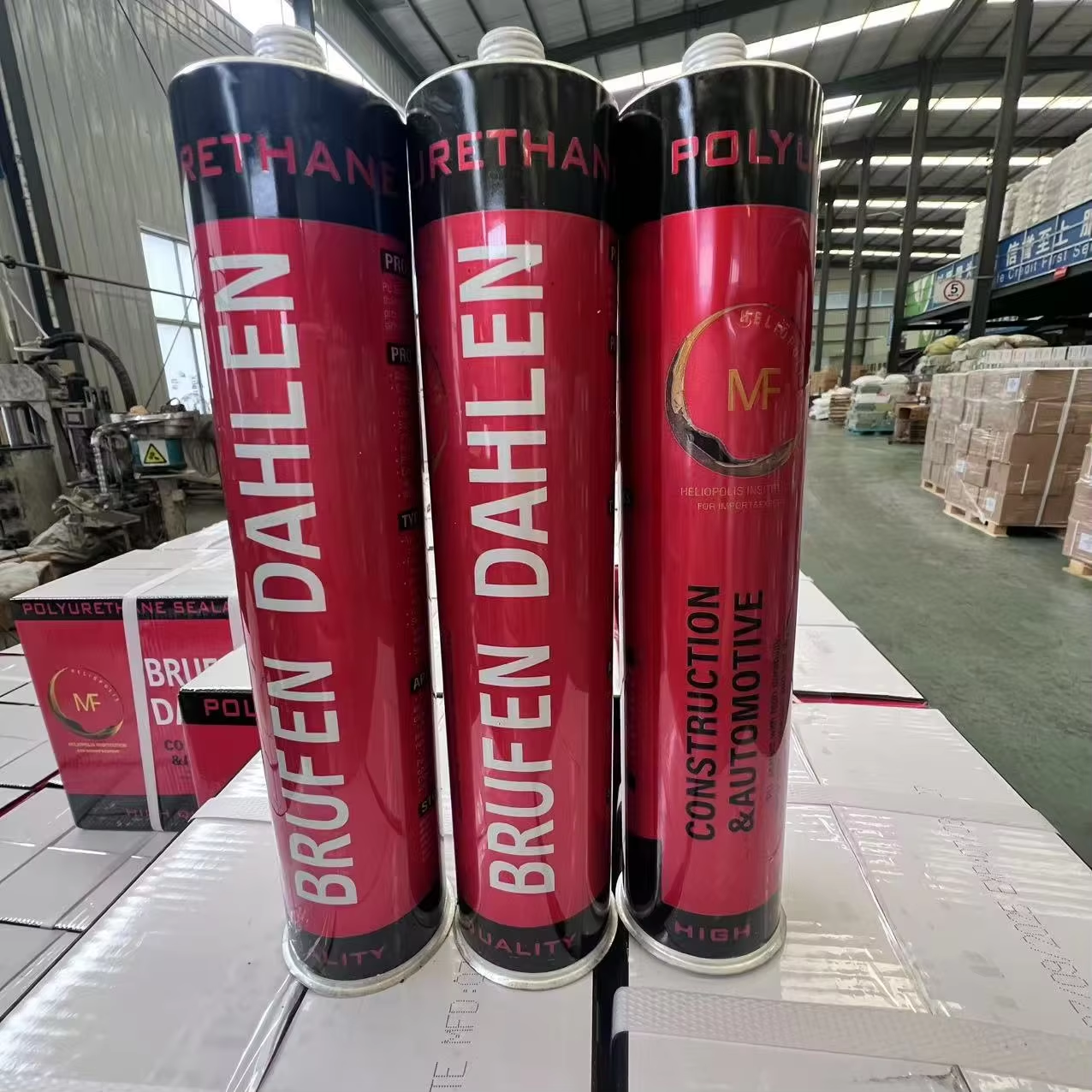
Automotive polyurethane sealant represents a cutting-edge solution designed specifically for modern vehicle manufacturing and repair applications. This advanced sealing compound combines exceptional durability with superior adhesion properties, making it an indispensable component in automotive assembly processes. The primary function of automotive polyurethane sealant centers on creating weatherproof barriers that protect vehicle components from moisture infiltration, dust contamination, and environmental elements. This specialized sealant excels at bonding dissimilar materials commonly found in automotive construction, including metal substrates, plastic components, and composite materials. The technological framework of automotive polyurethane sealant incorporates innovative polymer chemistry that delivers remarkable flexibility while maintaining structural integrity across varying temperature ranges. This formulation enables the sealant to accommodate thermal expansion and contraction cycles that vehicles experience during operation. The material demonstrates exceptional resistance to automotive fluids such as engine oils, transmission fluids, and coolants, ensuring long-term performance reliability. Key applications encompass windshield installation, where automotive polyurethane sealant creates permanent bonds that contribute to vehicle structural integrity. Body panel sealing represents another critical application, preventing water ingress that could lead to corrosion damage. Door frame sealing utilizes this material to enhance cabin comfort by eliminating wind noise and water leakage. Under-hood applications benefit from the sealant's chemical resistance properties, particularly around engine compartments where exposure to heat and automotive fluids occurs regularly. The manufacturing process incorporates quality control measures that ensure consistent viscosity and curing characteristics. Advanced formulations include accelerated curing agents that reduce processing time while maintaining bond strength. UV stabilizers protect against degradation from solar exposure, extending service life significantly. The automotive polyurethane sealant market continues expanding as manufacturers seek reliable solutions for increasingly complex vehicle designs and stringent quality requirements.


New Product Recommendations

Automotive polyurethane sealant delivers numerous practical benefits that make it the preferred choice for vehicle manufacturers and repair professionals worldwide. The material provides outstanding adhesion strength that creates permanent bonds capable of withstanding mechanical stress and vibration encountered during vehicle operation. This superior bonding capability eliminates the need for mechanical fasteners in many applications, reducing assembly time and manufacturing costs significantly. The flexibility characteristics of automotive polyurethane sealant allow sealed joints to move without compromising the integrity of the seal. This movement accommodation proves crucial in automotive applications where thermal cycling, road vibrations, and structural flexing occur continuously throughout vehicle operation. Unlike rigid sealing materials that crack under stress, this flexible formulation maintains its sealing properties across the entire service life. Weather resistance stands as another significant advantage, with automotive polyurethane sealant demonstrating exceptional performance against temperature extremes ranging from arctic conditions to desert heat. The material resists UV degradation that commonly affects other sealing compounds, preventing brittleness and seal failure over time. Rain, snow, salt spray, and atmospheric pollutants cannot penetrate properly applied automotive polyurethane sealant barriers. Chemical compatibility represents a major benefit for automotive applications where exposure to various fluids occurs regularly. Engine oils, brake fluids, power steering fluids, and cleaning solvents do not degrade the sealant properties, ensuring consistent performance throughout vehicle life cycles. This chemical resistance eliminates seal failure that could result in costly repairs or component replacement. Installation convenience makes automotive polyurethane sealant attractive for both manufacturing and aftermarket applications. The material applies easily using standard dispensing equipment, and its controlled flow properties prevent waste while ensuring complete coverage. Working time allows proper positioning before curing begins, while rapid strength development enables faster production throughput. Cost effectiveness emerges through reduced labor requirements, eliminated callbacks, and extended service intervals. The long-term reliability of automotive polyurethane sealant minimizes warranty claims and enhances customer satisfaction. Quality manufacturers back their products with comprehensive technical support and application training programs that help users achieve optimal results consistently.

Latest News

How to Choose the Right PU Foam for Your Project Requirements?

28

Oct

How to Choose the Right PU Foam for Your Project Requirements?

Understanding the Versatile World of Polyurethane Foam Solutions Polyurethane (PU) foam has revolutionized countless industries with its remarkable versatility and adaptable properties. From construction and automotive applications to furniture manuf...
View More
Which Industries Rely on Neutral Silicone Sealant for Durable Sealing?

25

Nov

Which Industries Rely on Neutral Silicone Sealant for Durable Sealing?

Modern industrial applications demand reliable sealing solutions that can withstand harsh environmental conditions while maintaining structural integrity. Neutral silicone sealant has emerged as a critical component across numerous sectors, offering ...
View More
Why Is Clear Silicone Sealant Popular in Home Renovation Projects?

19

Dec

Why Is Clear Silicone Sealant Popular in Home Renovation Projects?

Home renovation projects have become increasingly sophisticated, with homeowners seeking versatile materials that deliver both functionality and aesthetic appeal. Among the most essential products in any renovation toolkit, clear silicone sealant sta...
View More
Why Is Waterproof Silicone Sealant Crucial for Kitchens and Bathrooms?

19

Dec

Why Is Waterproof Silicone Sealant Crucial for Kitchens and Bathrooms?

Moisture control remains one of the most critical challenges in residential construction and renovation projects, particularly in areas exposed to frequent water contact. Kitchen and bathroom environments present unique sealing requirements that dema...
View More

Get a Free Quote

Our representative will contact you soon.
Email
Name
Company Name
Message
0/1000

automotive polyurethane sealant

Superior Weather Protection and Longevity

Superior Weather Protection and Longevity

Automotive polyurethane sealant excels in providing unmatched weather protection that safeguards vehicles against harsh environmental conditions throughout their operational lifetime. This exceptional weather resistance stems from the advanced polymer structure that incorporates specialized additives designed to combat UV radiation, temperature fluctuations, and moisture penetration. The molecular composition creates a barrier that maintains its integrity when exposed to extreme temperature ranges, from sub-zero arctic conditions to scorching desert heat exceeding 150 degrees Fahrenheit. This thermal stability ensures that automotive polyurethane sealant does not become brittle in cold weather or soften excessively in high temperatures, maintaining consistent sealing performance across all climate zones. The UV stabilization technology embedded within automotive polyurethane sealant formulations prevents the degradation that commonly affects inferior sealing materials. Solar radiation breaks down many polymer chains over time, leading to cracking, discoloration, and eventual seal failure. However, the enhanced UV resistance of this specialized sealant ensures that sealed joints maintain their appearance and functionality for decades of exposure. Moisture resistance represents another critical aspect of weather protection, with automotive polyurethane sealant creating impermeable barriers that prevent water infiltration into sensitive vehicle components. This moisture exclusion capability protects against corrosion damage that could compromise structural integrity and lead to expensive repairs. The hydrophobic properties actively repel water while allowing trapped moisture to escape, preventing condensation buildup that could foster mold growth or electrical system problems. Salt spray resistance proves particularly valuable for vehicles operated in coastal regions or areas where road salt application occurs during winter months. The chemical composition resists salt-induced degradation that attacks many sealing materials, ensuring continued protection against corrosion-causing agents. Long-term durability testing demonstrates that automotive polyurethane sealant maintains its sealing properties for extended periods, often exceeding vehicle design life expectations. This longevity translates into reduced maintenance requirements and enhanced vehicle reliability that customers appreciate throughout ownership periods.
Exceptional Chemical Resistance and Compatibility

Exceptional Chemical Resistance and Compatibility

The chemical resistance properties of automotive polyurethane sealant set it apart from conventional sealing materials by maintaining integrity when exposed to the diverse range of automotive fluids and chemicals encountered in vehicle operation. This remarkable chemical compatibility ensures reliable sealing performance in engine compartments, fuel systems, hydraulic assemblies, and other areas where chemical exposure represents a primary concern. Engine oil resistance stands as a fundamental requirement for automotive applications, and automotive polyurethane sealant demonstrates exceptional stability when in contact with both conventional and synthetic motor oils. The polymer structure resists swelling, softening, or degradation that could compromise seal integrity and lead to leakage problems. This oil resistance extends to transmission fluids, differential oils, and other petroleum-based lubricants commonly found throughout vehicle systems. Brake fluid compatibility represents another critical performance characteristic, as automotive polyurethane sealant must maintain its properties when exposed to glycol-based hydraulic fluids used in braking systems. The chemical inertness prevents deterioration that could result in brake system contamination or component failure. Power steering fluids, coolants, and hydraulic oils similarly demonstrate excellent compatibility with properly formulated automotive polyurethane sealant products. Fuel resistance capabilities enable safe application around fuel system components where gasoline, diesel fuel, or alternative fuels may contact sealed surfaces. The chemical structure maintains stability against these hydrocarbon compounds while preventing permeation that could lead to emissions concerns or fire hazards. Cleaning solvent resistance allows automotive polyurethane sealant to withstand exposure to degreasers, parts cleaners, and maintenance chemicals used during vehicle servicing operations. This solvent resistance prevents seal degradation during routine maintenance procedures and ensures continued protection after chemical cleaning. The broad chemical compatibility of automotive polyurethane sealant eliminates concerns about material selection for multi-fluid environments where different chemical exposures may occur simultaneously. This versatility simplifies inventory management for manufacturers and service facilities while ensuring consistent performance across diverse applications. Testing protocols verify chemical resistance through extended immersion studies and accelerated aging procedures that simulate years of service exposure in compressed timeframes.
Versatile Application Methods and Processing Advantages

Versatile Application Methods and Processing Advantages

Automotive polyurethane sealant offers remarkable versatility in application methods and processing characteristics that streamline manufacturing operations while ensuring consistent quality results across diverse assembly requirements. The material formulation accommodates multiple dispensing techniques, from manual application tools to fully automated robotic systems, providing manufacturers with flexibility to optimize production processes according to specific volume and precision requirements. Manual application using cartridge dispensers or squeeze tubes enables precise sealant placement for repair operations and small-scale production runs. The controlled viscosity allows smooth extrusion through standard dispensing tips while preventing unwanted flow that could create mess or waste material. This manual application capability makes automotive polyurethane sealant ideal for aftermarket repairs where specialized equipment may not be available. Automated dispensing systems benefit from the consistent flow characteristics and predictable curing behavior of automotive polyurethane sealant formulations. Robotic application systems achieve precise bead placement with minimal variation, ensuring uniform coverage and optimal material usage rates. The programmable dispensing parameters accommodate complex joint geometries and varying application speeds without compromising seal quality. Temperature stability during processing allows automotive polyurethane sealant to perform consistently across varying ambient conditions found in manufacturing facilities. The material maintains proper viscosity and working time whether applied in heated paint booths or unheated assembly areas, eliminating production delays caused by temperature-related processing issues. Curing characteristics provide an optimal balance between working time and production throughput requirements. Extended open time allows proper positioning and adjustment of components before chemical crosslinking begins, while accelerated strength development enables faster processing cycles. This curing profile accommodates both high-volume production requirements and precision assembly operations that demand extended working periods. Surface preparation requirements remain minimal compared to structural adhesives, with automotive polyurethane sealant achieving excellent adhesion to properly cleaned substrates without need for primers or complex surface treatments. This simplified preparation reduces processing steps and associated labor costs while maintaining reliable bond formation. Quality control benefits from the predictable behavior and consistent properties of automotive polyurethane sealant, enabling manufacturers to establish standardized application procedures and inspection criteria that ensure uniform results across production runs and multiple facility locations.

Get a Free Quote

Our representative will contact you soon.
Email
Name
Company Name
Message
0/1000