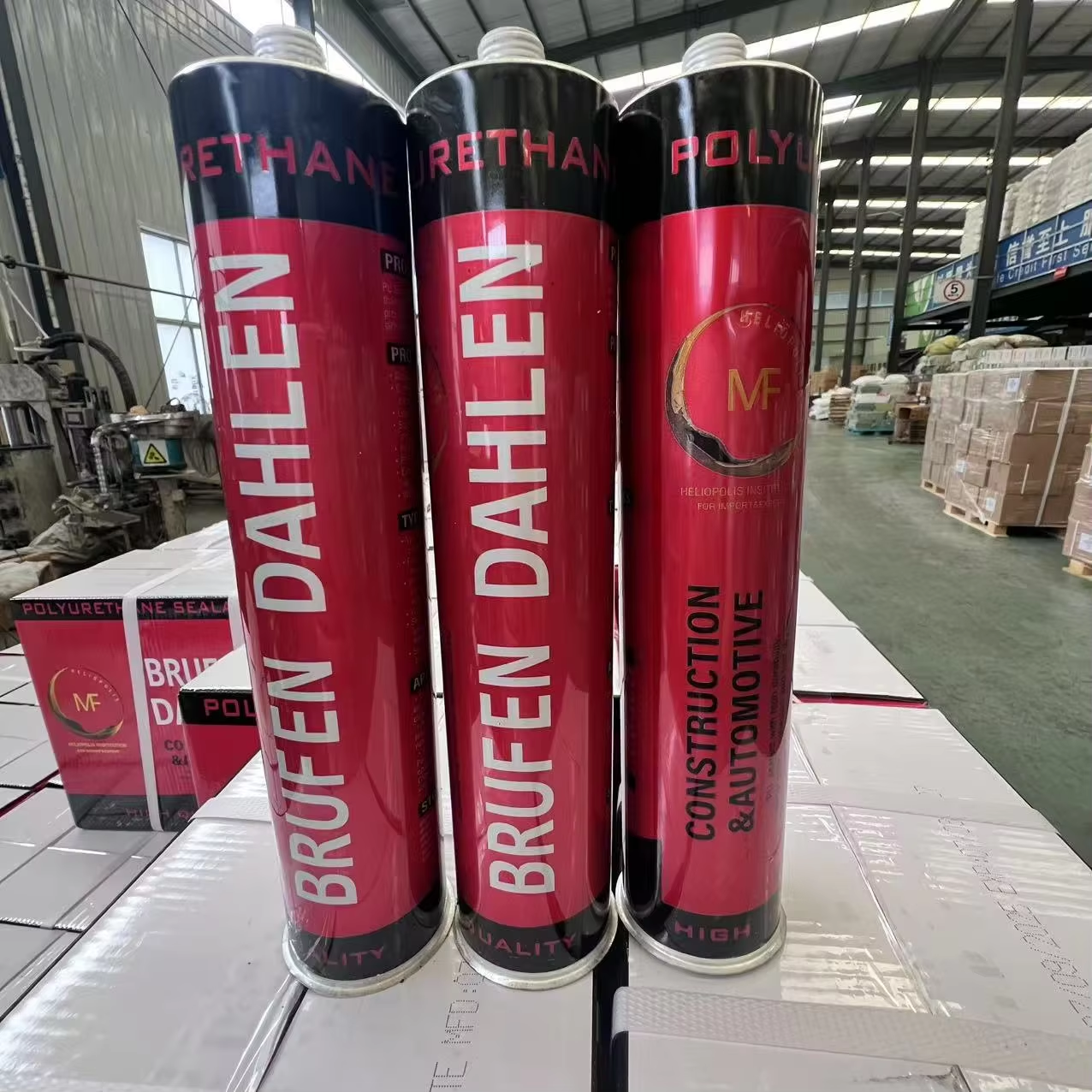
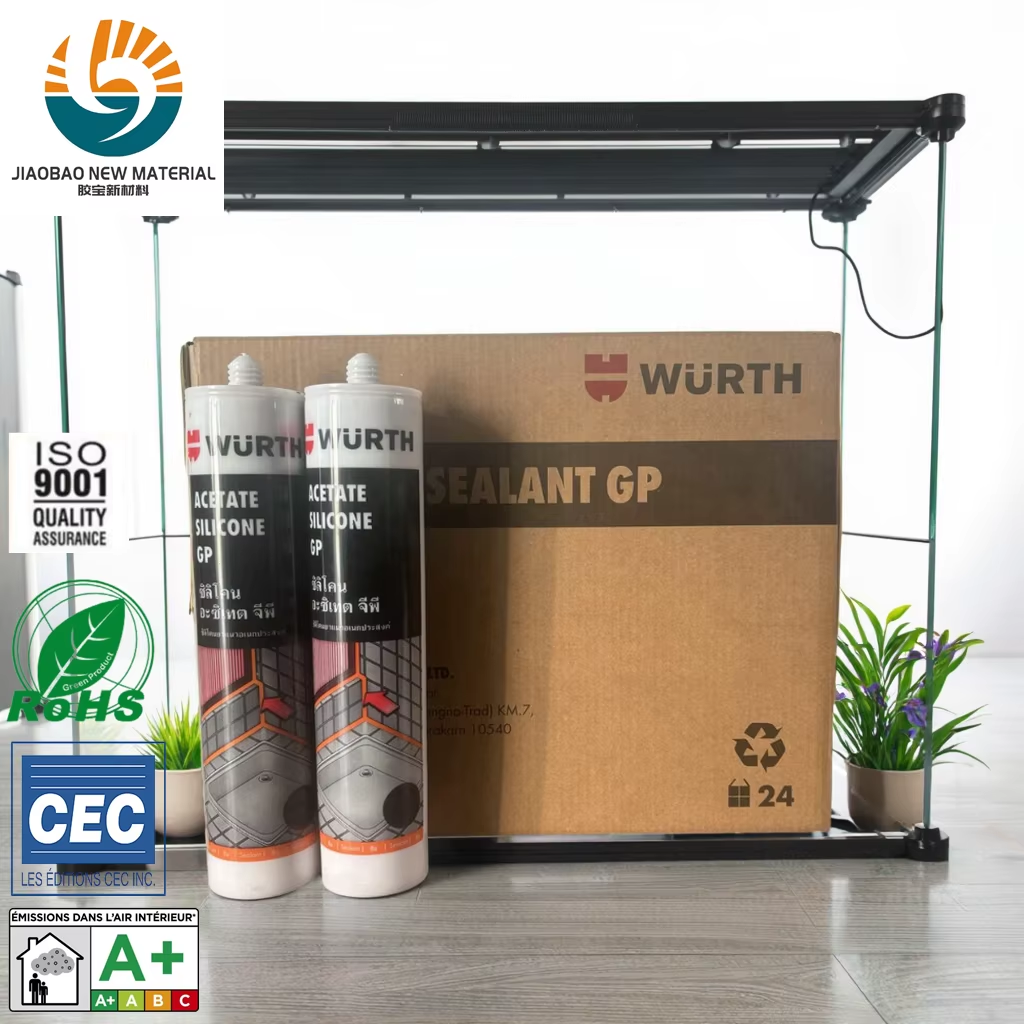
one component neutral silicone sealant
One component neutral silicone sealant represents a revolutionary advancement in sealing technology, offering exceptional performance and versatility across diverse industrial and consumer applications. This sophisticated formula eliminates the need for mixing components, providing users with a ready-to-use solution that cures through exposure to atmospheric moisture. The neutral curing mechanism distinguishes this product from traditional acetoxy systems by releasing alcohol instead of acetic acid during the vulcanization process, making it compatible with a broader range of substrates including metals, plastics, and sensitive materials. The primary function of one component neutral silicone sealant centers on creating durable, weatherproof seals that maintain their integrity under extreme temperature fluctuations, UV exposure, and chemical contact. Its technological framework incorporates advanced cross-linking agents that facilitate rapid curing while maintaining excellent adhesion properties. The formulation typically includes high-grade silicone polymers, reinforcing fillers, and specialized catalysts that work synergistically to deliver superior mechanical properties. Applications span multiple sectors including automotive manufacturing, construction projects, electronics assembly, marine installations, and HVAC systems. In automotive contexts, one component neutral silicone sealant provides gasket formation, windshield bonding, and underhood sealing where resistance to engine fluids and temperature extremes proves critical. Construction professionals utilize this material for curtain wall glazing, structural glazing applications, and weatherproofing joints where long-term durability remains paramount. Electronic device manufacturers rely on its dielectric properties for potting sensitive components and creating moisture barriers. The marine industry benefits from its saltwater resistance and flexibility under constant movement conditions. HVAC technicians appreciate its ability to seal ductwork while maintaining flexibility during thermal cycling, ensuring energy efficiency and system longevity throughout operational lifecycles.

 EN
EN