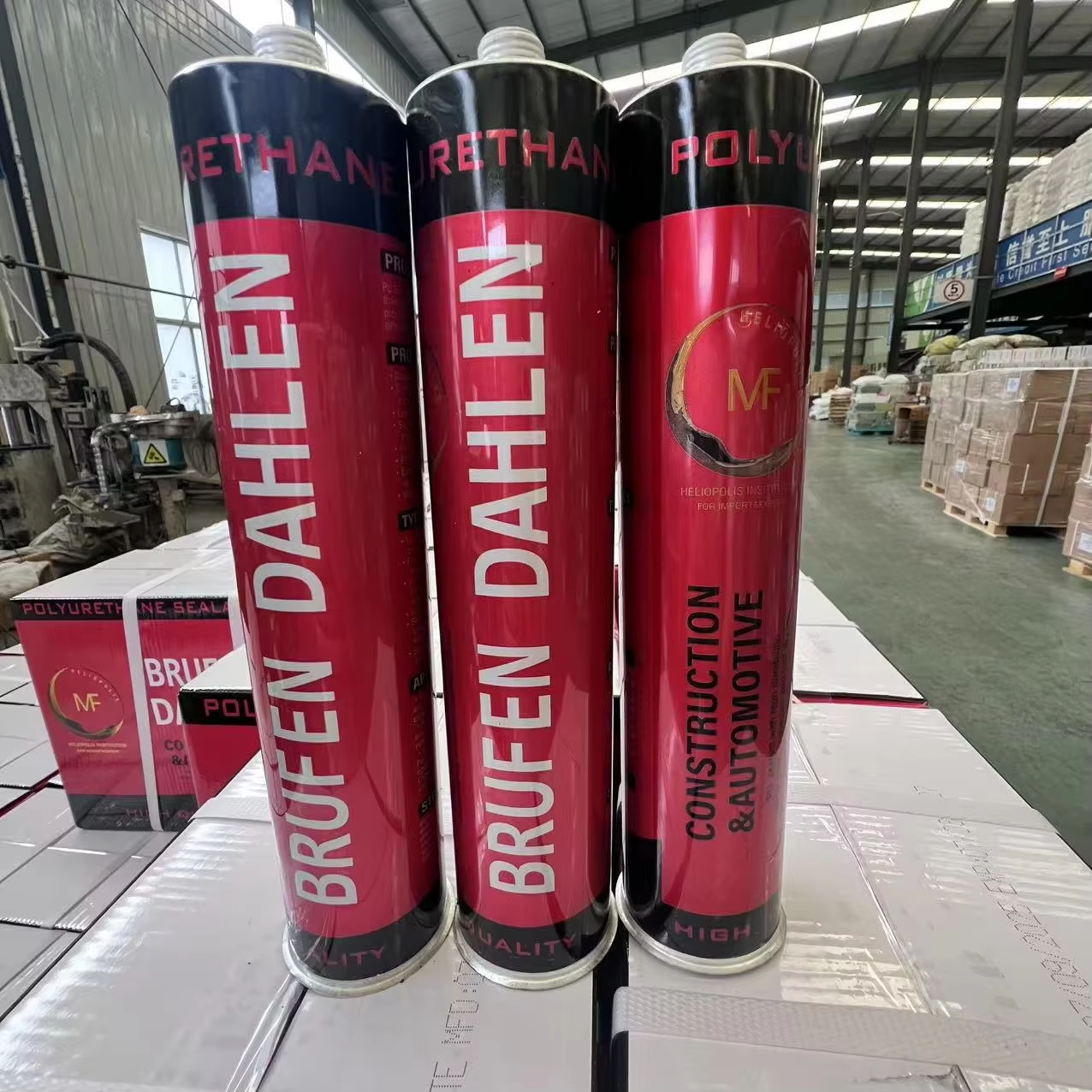
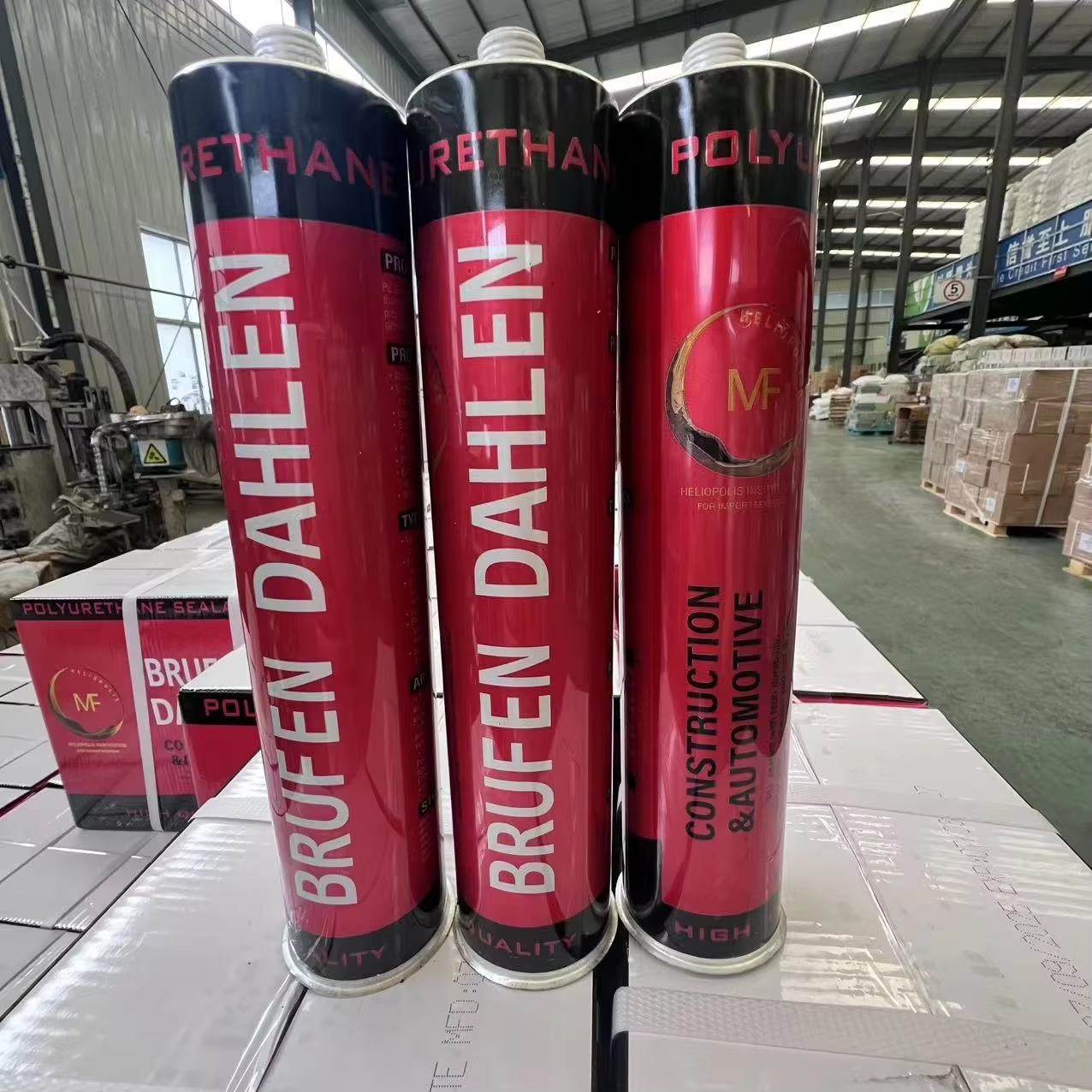
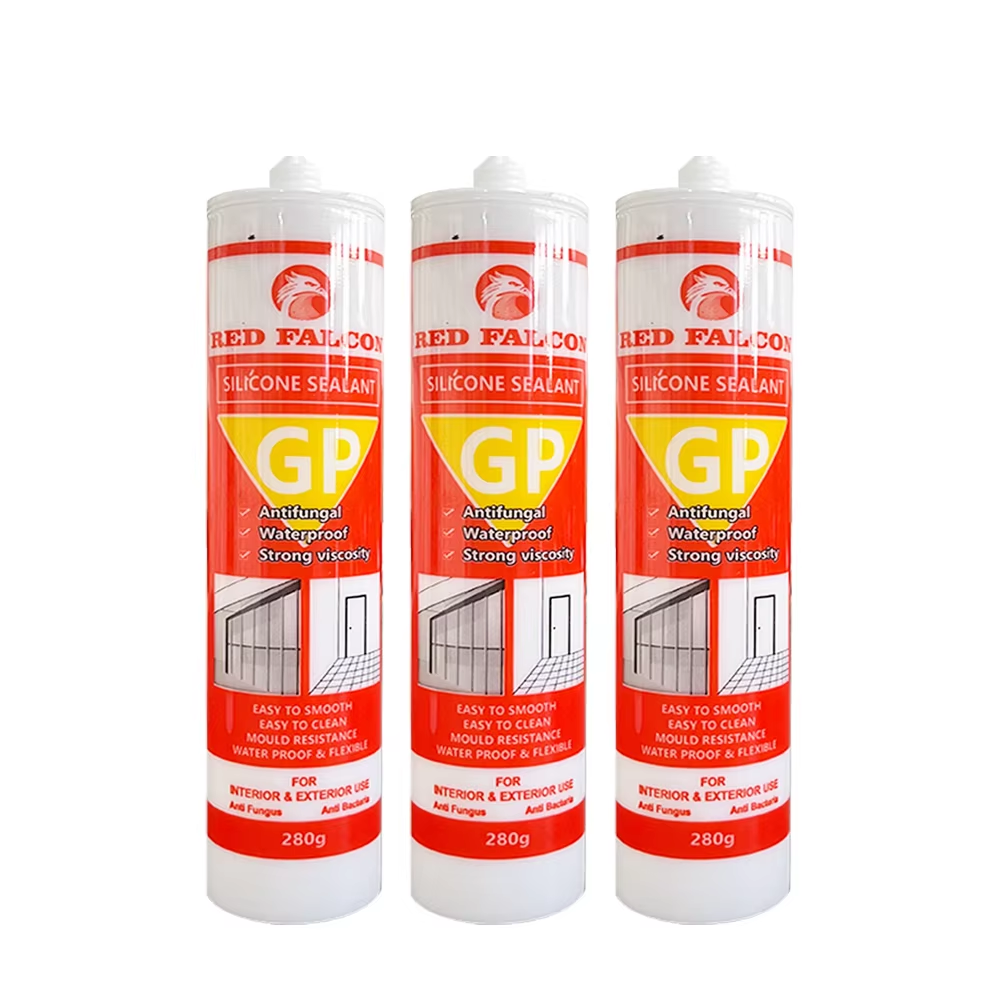
Premium PU Sealant Foam: Advanced Polyurethane Sealing Solutions for Construction and Industrial Applications

Get a Free Quote

Our representative will contact you soon.
Email
Name
Company Name
Message
0/1000

pu sealant foam

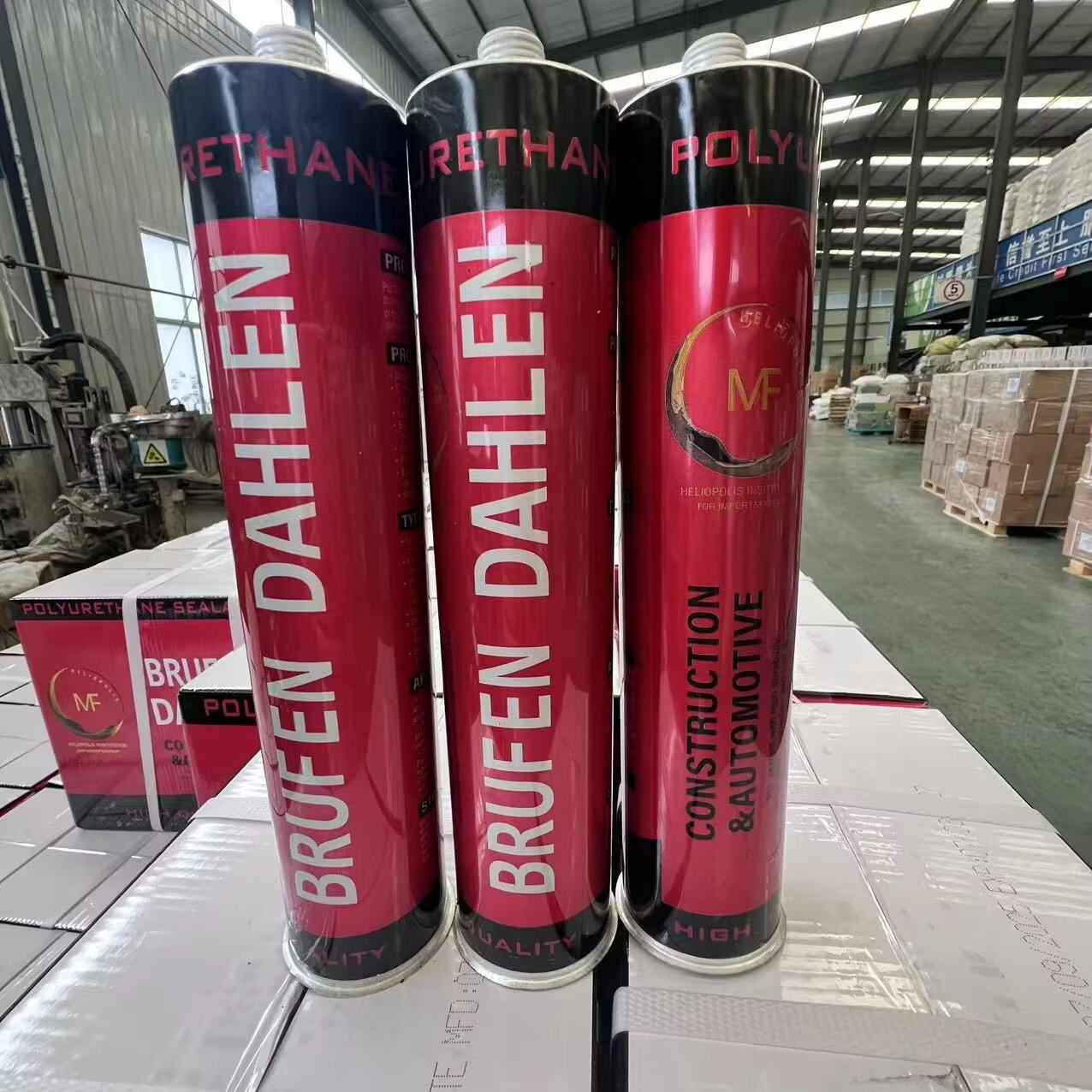
PU sealant foam, also known as polyurethane sealant foam, represents a revolutionary advancement in sealing technology that has transformed construction, automotive, and industrial applications worldwide. This versatile material combines the exceptional properties of polyurethane chemistry with convenient foam delivery systems to create an outstanding sealing solution. The primary function of PU sealant foam centers on creating airtight and watertight seals in gaps, joints, and penetrations where traditional sealants might fail or prove inadequate for specific requirements. The technological foundation of PU sealant foam relies on advanced polyurethane formulations that undergo controlled chemical reactions upon exposure to atmospheric moisture. This moisture-curing mechanism triggers expansion and cross-linking processes that result in a durable, flexible seal with remarkable adhesion properties across diverse substrate materials. The foam structure provides excellent filling capabilities for irregular surfaces and varying gap dimensions, making PU sealant foam particularly effective in challenging applications where precise sealing proves critical. Key technological features include superior temperature resistance, UV stability, and chemical compatibility with most building materials including concrete, metal, wood, and various plastics. The applications for PU sealant foam span numerous industries and project types, from residential construction projects requiring window and door installations to complex industrial facilities demanding high-performance sealing solutions. In automotive manufacturing, PU sealant foam serves critical functions in body panel assembly, underhood applications, and interior component installation where vibration resistance and long-term durability remain essential. Construction professionals rely on PU sealant foam for HVAC system installations, plumbing penetrations, electrical conduit sealing, and structural joint applications where movement accommodation becomes necessary. The marine industry utilizes PU sealant foam for hull sealing, deck fitting installations, and cabin construction projects where saltwater exposure and extreme weather conditions challenge conventional sealants.


New Products

PU sealant foam delivers numerous practical benefits that make it an superior choice for sealing applications across various industries and project requirements. The primary advantage lies in its exceptional adhesion strength, which creates permanent bonds with most common construction materials without requiring primers or special surface preparation procedures. This strong adhesion capability ensures long-lasting seals that resist separation under stress, temperature fluctuations, and environmental exposure conditions. The flexibility of cured PU sealant foam provides another significant benefit, allowing sealed joints to accommodate building movement, thermal expansion, and settlement without compromising seal integrity. This flexibility prevents crack formation and seal failure that commonly occurs with rigid sealants, resulting in reduced maintenance costs and improved building performance over time. Weather resistance represents a crucial advantage of PU sealant foam, as it maintains its sealing properties through extreme temperature variations, UV radiation exposure, and moisture cycling that would degrade lesser materials. The foam withstands temperatures ranging from -40°F to 200°F while retaining elasticity and adhesion strength, making it suitable for both interior and exterior applications in diverse climatic conditions. Chemical resistance ensures PU sealant foam performs reliably when exposed to common household chemicals, cleaning agents, and mild industrial solvents without experiencing degradation or loss of sealing effectiveness. Installation convenience provides practical benefits for both professional contractors and DIY users, as PU sealant foam typically comes in ready-to-use packaging that requires no mixing, heating, or special equipment for application. The foam flows easily into gaps and cavities, self-leveling to create smooth, professional-appearing seals without tooling requirements. Fast curing times allow projects to proceed quickly, with initial skin formation occurring within minutes and full cure achieved within 24 hours under normal conditions. Cost-effectiveness emerges from the excellent coverage rates and long service life of PU sealant foam, reducing material costs per linear foot of sealed joint while minimizing callback visits and warranty claims associated with seal failures.

Practical Tips

How Can Clear Silicone Sealant Preserve Aesthetic Appearance?

28

Oct

How Can Clear Silicone Sealant Preserve Aesthetic Appearance?

The Aesthetic Power of Modern Sealing Solutions In contemporary construction and home improvement, maintaining visual appeal while ensuring functionality has become increasingly important. Clear silicone sealant represents a revolutionary solution th...
View More
How to Choose the Right PU Foam for Your Project Requirements?

28

Oct

How to Choose the Right PU Foam for Your Project Requirements?

Understanding the Versatile World of Polyurethane Foam Solutions Polyurethane (PU) foam has revolutionized countless industries with its remarkable versatility and adaptable properties. From construction and automotive applications to furniture manuf...
View More
How Does Waterproof Silicone Sealant Resist Mold and Moisture Damage?

25

Nov

How Does Waterproof Silicone Sealant Resist Mold and Moisture Damage?

Moisture infiltration poses one of the most significant threats to building integrity, leading to structural damage, health hazards, and costly repairs. Professional contractors and facility managers increasingly rely on advanced sealing solutions to...
View More
Why Is PU Sealant a Popular Choice in Construction Projects?

25

Nov

Why Is PU Sealant a Popular Choice in Construction Projects?

Polyurethane sealants have revolutionized the construction industry with their exceptional durability, flexibility, and weatherproofing capabilities. These advanced adhesive solutions offer superior performance across a wide range of applications, fr...
View More

Get a Free Quote

Our representative will contact you soon.
Email
Name
Company Name
Message
0/1000

pu sealant foam

Superior Adhesion Technology Creates Permanent, Reliable Bonds

Superior Adhesion Technology Creates Permanent, Reliable Bonds

The advanced adhesion technology incorporated into PU sealant foam sets it apart from conventional sealing materials by creating molecular-level bonds with substrate surfaces that resist separation under the most demanding conditions. This superior adhesion capability stems from the unique polyurethane chemistry that forms both mechanical and chemical bonds with diverse materials including porous concrete, smooth metals, painted surfaces, and flexible plastics. Unlike traditional sealants that rely primarily on surface tension and mechanical adhesion, PU sealant foam penetrates into surface irregularities while simultaneously forming chemical cross-links with compatible substrates. This dual-action bonding mechanism creates exceptionally strong connections that maintain their integrity through years of service exposure to temperature cycling, moisture exposure, and mechanical stress. The practical implications of this superior adhesion technology prove significant for end users who require dependable, long-term sealing performance. Construction projects benefit from reduced callback visits and warranty claims associated with seal failures, while building owners experience lower maintenance costs and improved energy efficiency through sustained air and water barrier performance. The adhesion strength of PU sealant foam exceeds industry standards for structural glazing applications, making it suitable for demanding architectural projects where seal failure could compromise building envelope integrity or occupant safety. Testing demonstrates that properly applied PU sealant foam maintains over 90 percent of its initial adhesion strength after 10 years of accelerated aging exposure, far exceeding the performance of conventional sealants under identical conditions. This exceptional durability translates to significant cost savings over the building lifecycle, as seal replacement and remediation work becomes unnecessary for decades following initial installation. Professional installers appreciate the consistent adhesion performance across different substrate materials, eliminating the need for extensive surface preparation procedures or compatibility testing that complicate other sealing systems.
Exceptional Flexibility Accommodates Building Movement and Thermal Expansion

Exceptional Flexibility Accommodates Building Movement and Thermal Expansion

The remarkable flexibility characteristics of PU sealant foam enable it to accommodate substantial building movement and thermal expansion without compromising seal integrity, a critical capability that distinguishes it from rigid sealing materials that crack or separate under stress. This flexibility results from the crosslinked polyurethane polymer structure that maintains elasticity across a wide temperature range while resisting permanent deformation under cyclic loading conditions. Building structures naturally experience movement due to thermal expansion and contraction, wind loads, settling, and seismic activity, creating demanding requirements for sealant materials used in joints and penetrations. PU sealant foam addresses these challenges through its ability to elongate up to 300 percent of its original length without tearing or losing adhesion to bonded surfaces. This exceptional movement capability allows sealed joints to function properly throughout the full range of anticipated building motion without requiring maintenance or replacement. Temperature-induced expansion and contraction represent particularly challenging conditions for sealant materials, as daily and seasonal temperature variations create repetitive stress cycles that can cause premature failure in less flexible products. PU sealant foam maintains its elastic properties from -40°F to 200°F, ensuring reliable performance in both extreme cold and high-temperature environments where conventional sealants become brittle or excessively soft. The practical benefits of this exceptional flexibility extend beyond simple movement accommodation to include improved long-term weatherproofing performance and reduced maintenance requirements for building owners. Flexible seals maintain continuous contact with substrate surfaces even as materials expand and contract, preventing air infiltration, water penetration, and energy loss that compromise building performance and occupant comfort. This sustained sealing effectiveness translates to lower utility costs, improved indoor air quality, and extended service life for building envelope components protected by properly functioning seals.
Advanced Weather Resistance Ensures Long-Term Performance in Harsh Environments

Advanced Weather Resistance Ensures Long-Term Performance in Harsh Environments

The advanced weather resistance properties of PU sealant foam provide exceptional protection against environmental degradation that commonly affects other sealing materials, ensuring consistent performance throughout decades of exposure to UV radiation, temperature extremes, moisture cycling, and atmospheric pollutants. This outstanding environmental stability results from sophisticated polymer chemistry that incorporates UV stabilizers, antioxidants, and weather-resistant compounds directly into the polyurethane matrix. Unlike surface-applied protective coatings that can wear away over time, these protective elements remain integral to the sealant structure throughout its service life. Ultraviolet radiation from sunlight poses a significant threat to many polymer materials, causing chain scission, color change, and mechanical property degradation that leads to premature seal failure. PU sealant foam incorporates advanced UV stabilization technology that absorbs harmful radiation and dissipates its energy harmlessly, preventing molecular damage that would otherwise compromise material integrity. Accelerated weathering tests demonstrate that PU sealant foam retains over 85 percent of its original properties after 5000 hours of intense UV exposure, equivalent to decades of natural sunlight in most climatic conditions. Moisture resistance represents another critical aspect of weather resistance, as repeated wetting and drying cycles can cause swelling, shrinkage, and eventual seal failure in moisture-sensitive materials. The hydrophobic nature of cured PU sealant foam prevents water absorption while maintaining vapor permeability that allows trapped moisture to escape without compromising seal integrity. This balanced moisture management capability prevents the buildup of hydrostatic pressure that can force seals away from substrates or cause substrate deterioration in sensitive applications. Temperature cycling resistance ensures that PU sealant foam maintains its sealing effectiveness through extreme seasonal variations and daily temperature fluctuations that stress less durable materials. The polymer structure remains stable and flexible through thousands of thermal cycles, preventing the cracking and hardening that commonly affects aging sealants. Atmospheric pollutants including ozone, sulfur dioxide, and industrial chemicals pose additional challenges for exterior sealants, but the chemical resistance of PU sealant foam prevents degradation from these environmental contaminants.

Get a Free Quote

Our representative will contact you soon.
Email
Name
Company Name
Message
0/1000