EN
EN



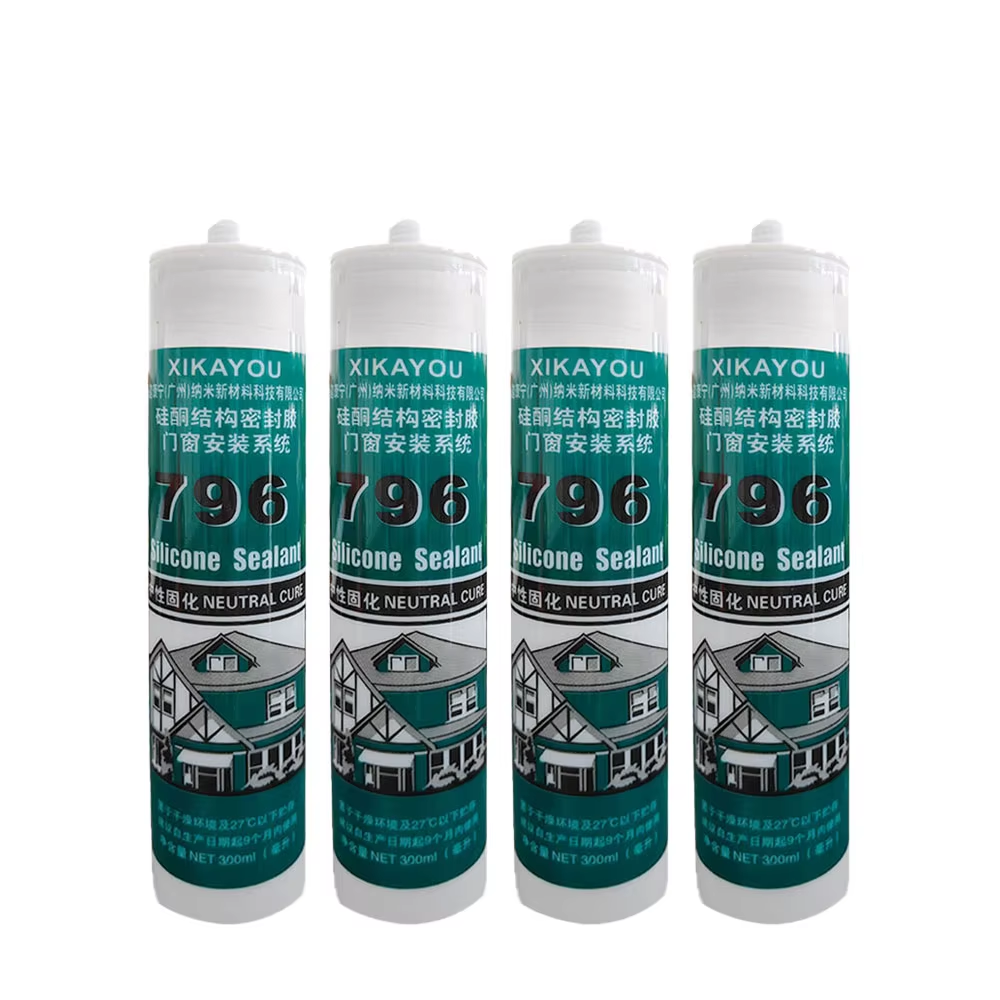
When it comes to protecting buildings, fixtures, and industrial assemblies from water intrusion, few materials have proven as reliable and versatile as general purpose silicone sealant. Whether you are sealing a bathroom joint, securing a window frame, or protecting an outdoor structural gap, the right sealant does far more than just fill space — it creates a resilient, flexible, and chemically stable barrier that holds up against moisture, temperature swings, and mechanical stress over many years. Understanding how this material delivers long-lasting waterproofing is essential for anyone making purchasing or specification decisions in construction, manufacturing, or facility maintenance.
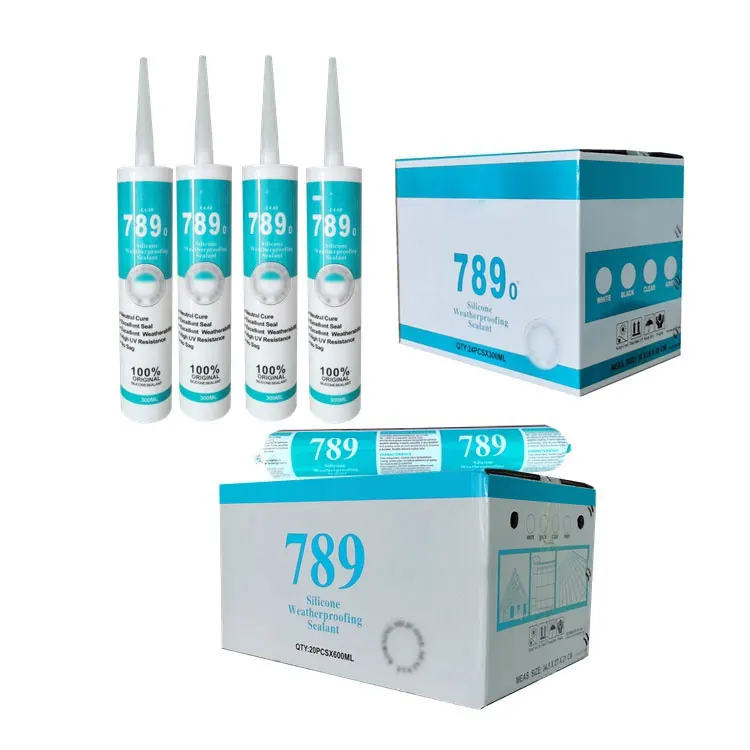
The performance of general purpose silicone sealant is not accidental — it stems from a carefully engineered combination of chemistry, physical properties, and application behavior that together address the most common failure points in waterproofing systems. This article examines the key mechanisms behind its waterproofing effectiveness, the conditions under which it excels, and how proper application unlocks its full protective potential. If you are evaluating sealant solutions for a demanding environment, understanding these factors will help you make a more informed and confident choice.
The Chemistry Behind Waterproofing Performance
Silicone Polymer Structure and Water Resistance
The waterproofing capability of general purpose silicone sealant begins at the molecular level. Silicone is built on a silicon-oxygen backbone — a Si-O-Si chain — that is fundamentally hydrophobic. Unlike organic polymers that can absorb or react with water over time, the silicone backbone repels moisture rather than interacting with it. This means that even after prolonged exposure to rain, humidity, or immersion, the material does not swell, degrade, or lose adhesion in the way that acrylic or polyurethane sealants sometimes can.
This intrinsic water resistance is not a coating or an additive — it is built into the polymer itself. As a result, general purpose silicone sealant maintains its waterproofing properties throughout its service life rather than experiencing gradual degradation as surface treatments wear off. The result is a seal that performs consistently from the first day of application through years of real-world exposure.
Additionally, the crosslinked network structure formed during curing creates a three-dimensional matrix that is impermeable to liquid water molecules. This network traps no hydrophilic groups and leaves no capillary pathways through which water can migrate. The combination of molecular hydrophobicity and physical impermeability makes general purpose silicone sealant one of the most reliable waterproofing chemistries available for both indoor and outdoor applications.
Neutral Cure Formulation and Substrate Compatibility
Many high-performance versions of general purpose silicone sealant use a neutral cure mechanism, which means they release alcohol or oxime byproducts during curing rather than acetic acid. This matters for waterproofing because the cure byproduct directly affects how well the sealant bonds to sensitive substrates like natural stone, certain metals, and coated surfaces. Poor adhesion is one of the primary causes of waterproofing failure, so a formulation that bonds reliably without corroding the substrate is critical.
Neutral cure general purpose silicone sealant adheres effectively to glass, aluminum, PVC, ceramic tile, painted surfaces, and many plastics without requiring extensive priming. This broad substrate compatibility means that a single product can be used across multiple joint types within a construction project, reducing complexity and the risk of misapplication. Where the sealant bonds well, water has no pathway to enter — and that is the foundation of effective long-term waterproofing.
Flexibility and Joint Movement Tolerance
Why Rigidity Causes Waterproofing Failure
One of the most overlooked reasons that waterproofing systems fail is not poor material chemistry but poor accommodation of movement. Buildings expand and contract with temperature changes. Substrates vibrate under mechanical load. Structural settling shifts joints over time. A sealant that is rigid will crack under these stresses, and once a crack opens in the sealant bead, the waterproofing is compromised regardless of how well the material performed initially.
General purpose silicone sealant addresses this directly through its inherent elasticity. Fully cured silicone can typically elongate by 200% to 400% before reaching its elastic limit, and it returns to its original shape when the stress is released. This means the sealant can accommodate significant joint movement — both opening and closing — without cracking, debonding, or developing gaps. For waterproofing applications where movement is inevitable, this flexibility is not just a feature; it is a necessity.
The elastic recovery of general purpose silicone sealant also distinguishes it from harder sealant types in fatigue resistance. Over thousands of thermal cycles, the silicone joint continues to flex and recover without accumulating permanent deformation. This cyclic durability is what allows silicone-sealed assemblies to maintain watertight integrity over decade-scale service lifespans, making it a preferred choice for architects and engineers specifying exterior envelope applications.
Thermal Stability Across Extreme Conditions
General purpose silicone sealant retains its flexibility and adhesion across a wide temperature range, typically from around -40°C to +150°C or higher depending on formulation. This thermal stability means the sealant does not become brittle in cold climates or soften and flow in hot environments — two failure modes that significantly reduce waterproofing reliability in sealants based on other chemistries.
In outdoor applications, this temperature resilience is particularly valuable. A roof joint sealed with general purpose silicone sealant in a temperate climate will experience significant seasonal temperature swings. If the sealant hardens in winter and creeps in summer, the joint geometry changes and water pathways open. Silicone's stable modulus across temperatures prevents this cycle of degradation, keeping the joint sealed through seasonal changes year after year.
Adhesion Mechanisms That Lock Out Moisture
Surface Bonding and Interface Integrity
Long-lasting waterproofing depends not just on the bulk properties of the sealant material but on the quality of the bond at the sealant-substrate interface. General purpose silicone sealant achieves adhesion through a combination of mechanical keying into surface microtexture and chemical interaction with surface hydroxyl groups present on glass, metal oxides, and siliceous materials. This dual-mode adhesion creates an interface that resists both tensile pull-off and shear delamination — the two primary stresses that cause sealant edges to lift and allow water ingress.
Proper surface preparation amplifies this adhesion significantly. Clean, dry, and dust-free surfaces allow general purpose silicone sealant to make full contact and form the strongest possible bond. When surfaces are contaminated with oil, dust, or release agents, the bond line is weakened and water can eventually migrate along the interface even if the sealant bead itself remains intact. This is why professional applicators treat surface preparation as equally important as product selection.
Primers designed specifically for silicone chemistry can further enhance adhesion on difficult substrates such as EPDM rubber, low-surface-energy plastics, or heavily anodized aluminum. When general purpose silicone sealant is applied over a compatible primer, the interfacial bond strength increases substantially, extending the effective waterproofing life of the joint even under high mechanical or thermal stress.
Three-Sided Adhesion and Correct Joint Design
A less commonly understood factor in waterproofing failure is three-sided adhesion — a condition where the sealant bonds to the back of the joint cavity in addition to the two sidewalls. When general purpose silicone sealant is constrained on three sides, it cannot stretch freely when the joint opens. Instead, it concentrates stress at the bond line, leading to cohesive or adhesive failure much sooner than properly designed two-sided adhesion joints.
The solution is backer rod installation, which fills the back of deep joints and prevents the sealant from bonding to the third surface. With backer rod in place, general purpose silicone sealant forms an hourglass-shaped bead bonded only to the two joint faces. This geometry maximizes flexibility, distributes elongation stress evenly, and dramatically extends the service life of the waterproofing seal. Correct joint design is therefore as important as product quality in achieving long-lasting results.
Environmental Durability and Long-Term Seal Integrity
UV Resistance and Weathering Performance
Outdoor waterproofing applications expose sealants to ultraviolet radiation continuously. Many organic sealants undergo photooxidation under UV exposure, which breaks down polymer chains, causes surface chalking, and eventually leads to cracking and loss of flexibility. General purpose silicone sealant is fundamentally more resistant to UV degradation because the Si-O backbone absorbs and dissipates UV energy without undergoing the chain scission reactions that damage organic polymers.
This UV stability means that general purpose silicone sealant maintains its mechanical properties and waterproofing integrity in façade joints, window perimeters, roof penetrations, and other sun-exposed locations for far longer than acrylic or polyurethane alternatives. In climates with intense solar radiation, this difference in UV durability can translate directly into years of additional waterproofing service before resealing is required.
Weathering testing protocols such as accelerated UV aging and salt spray exposure confirm the superior durability of silicone sealants in outdoor environments. Products that pass these tests demonstrate that their waterproofing performance is not merely theoretical but validated under simulated long-term exposure conditions. When specifying general purpose silicone sealant for exterior projects, verified weathering performance data provides a reliable basis for service life estimation.
Resistance to Mold, Mildew, and Biological Growth
In wet interior environments such as bathrooms, kitchens, and commercial food-processing facilities, waterproofing failure often appears first as mold growth along the sealant bead rather than as visible leakage. Mold colonizes sealant surfaces when organic nutrients are present and moisture is available. Some sealant formulations are susceptible to surface biofilm development, which breaks down the surface integrity over time and eventually compromises the seal.
General purpose silicone sealant formulated with antifungal additives resists mold and mildew growth on its surface, maintaining both hygiene and the physical integrity of the sealant bead. This is particularly important in waterproofing applications where the sealant is permanently exposed to condensation, splashing water, or high relative humidity. A clean, mold-free sealant surface is also a sign of intact waterproofing — biological discoloration is often the first visible indicator that the seal is beginning to degrade.
Application Best Practices for Maximum Waterproofing Life
Correct Joint Dimensions and Application Technique
Even the highest-performing general purpose silicone sealant will underperform if applied incorrectly. Joint width and depth dimensions directly affect how the sealant behaves under movement and how well it maintains waterproofing integrity. As a general guideline, sealant depth should be approximately half the joint width, with a minimum depth of 6mm for joints expected to experience movement. Overly deep joints waste material and can create stress concentrations, while underfilled joints may not provide sufficient bonded area for reliable adhesion.
Application technique also matters significantly. General purpose silicone sealant should be applied in a single continuous pass to avoid air pockets, then tooled immediately to ensure full contact with both joint faces and to create a slightly concave surface profile. This tooling step removes surface irregularities, improves adhesion by pressing the sealant firmly against the substrate, and shapes the bead to optimize its elongation geometry when joint movement occurs.
Curing Conditions and Post-Application Care
General purpose silicone sealant cures by reacting with atmospheric moisture. Standard cure depth is approximately 2–3mm per 24 hours under normal conditions of 23°C and 50% relative humidity. In cold or very dry conditions, curing slows significantly, while higher humidity accelerates it. Joints should not be exposed to direct water contact until the sealant has achieved a full through-cure — typically 24 to 72 hours depending on joint depth and conditions.
During the curing period, protecting the freshly applied general purpose silicone sealant from rain, frost, and mechanical disturbance ensures that the final cured properties are fully developed. Premature water exposure before cure can wash away the surface layer or interfere with the cure chemistry, leading to a weaker, less water-resistant seal than the product is capable of delivering. Following the manufacturer's recommended curing conditions is therefore a direct investment in the long-term waterproofing performance of the joint.
FAQ
How long does general purpose silicone sealant last as a waterproofing seal?
When correctly applied to clean, prepared surfaces and used within the product's recommended joint movement range, general purpose silicone sealant can maintain effective waterproofing for 15 to 25 years or longer in many applications. Service life depends on joint design, UV exposure, thermal cycling frequency, and the mechanical stresses the joint experiences. Exterior joints subject to high movement and intense UV exposure may require inspection and resealing sooner than protected interior joints.
Can general purpose silicone sealant be used on all surfaces for waterproofing?
General purpose silicone sealant bonds well to most common construction materials including glass, ceramic, aluminum, stainless steel, PVC, and painted surfaces. However, it does not adhere reliably to polyethylene, polypropylene, PTFE, or heavily contaminated surfaces without specialized primers. For substrates where direct adhesion is limited, using a silicone-compatible primer can significantly improve bond strength and ensure reliable waterproofing performance. Always test adhesion on a small area before committing to large-scale application on unfamiliar substrates.
Is general purpose silicone sealant suitable for underwater or fully immersed waterproofing applications?
Most general purpose silicone sealant products are designed for joints that are periodically exposed to water rather than continuously immersed. For applications such as aquarium sealing, swimming pool joints, or submerged pipe penetrations, it is important to confirm that the specific product is rated for continuous water immersion. Specialized aquarium-grade or structural silicone formulations offer optimized resistance for immersed conditions. Standard general purpose silicone sealant typically performs well in splash zones, wet rooms, and exterior weather exposure without requiring immersion-rated specifications.
What causes general purpose silicone sealant waterproofing to fail prematurely?
Premature waterproofing failure in general purpose silicone sealant applications most commonly results from poor surface preparation, incorrect joint dimensions, three-sided adhesion without backer rod, application onto wet or contaminated surfaces, or using the product outside its rated joint movement capacity. Selecting a sealant with insufficient elongation for a high-movement joint is a frequent cause of early cracking. Ensuring correct joint design, thorough surface cleaning, and full curing time before water exposure are the most effective ways to prevent premature failure and maximize the waterproofing lifespan of the sealant.
Table of Contents
- The Chemistry Behind Waterproofing Performance
- Flexibility and Joint Movement Tolerance
- Adhesion Mechanisms That Lock Out Moisture
- Environmental Durability and Long-Term Seal Integrity
- Application Best Practices for Maximum Waterproofing Life
-
FAQ
- How long does general purpose silicone sealant last as a waterproofing seal?
- Can general purpose silicone sealant be used on all surfaces for waterproofing?
- Is general purpose silicone sealant suitable for underwater or fully immersed waterproofing applications?
- What causes general purpose silicone sealant waterproofing to fail prematurely?