EN
EN



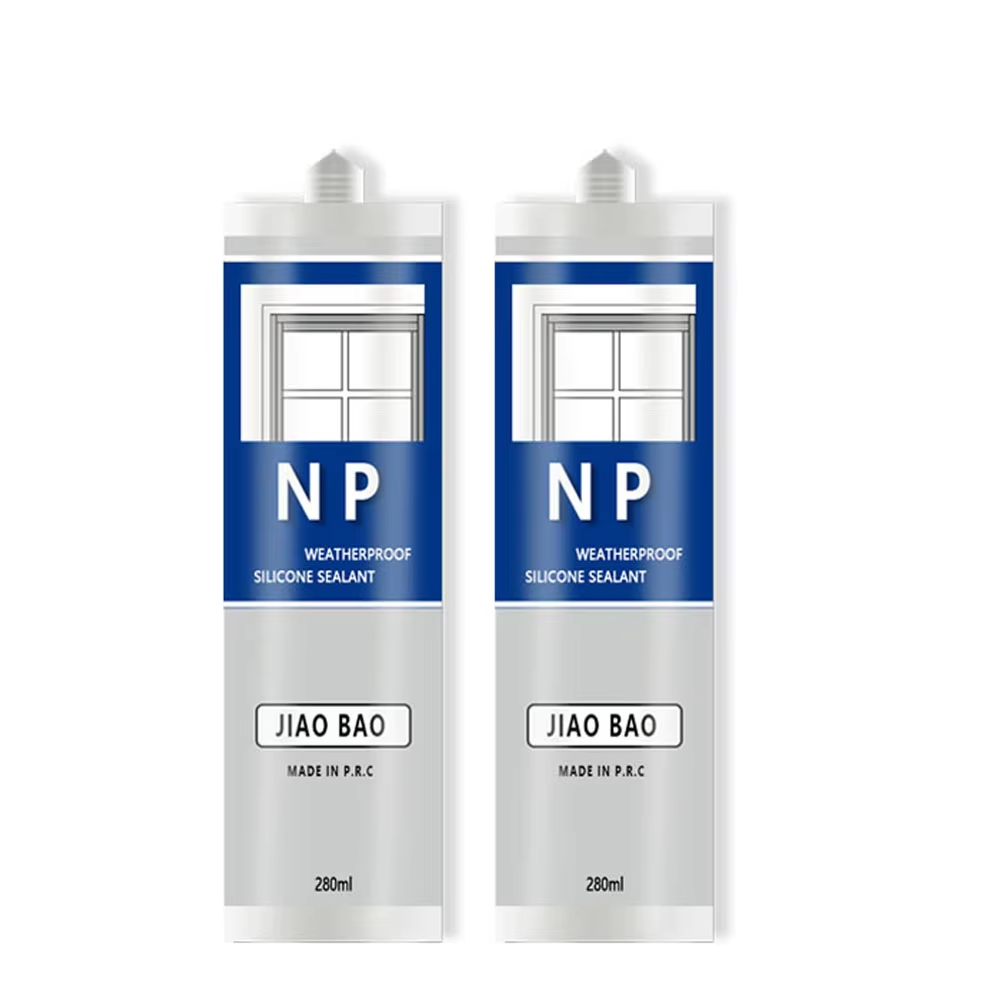
In modern construction, the performance of façade and glass bonding systems is directly tied to the quality of the sealant used. Wacker silicone sealant has emerged as a trusted solution among architects, glaziers, and construction engineers who demand reliable adhesion, long-term durability, and weather resistance in demanding building applications. Whether applied to curtain walls, structural glazing systems, or exterior cladding panels, this type of sealant is engineered to deliver consistent bonding performance across a broad range of substrates and environmental conditions.
Understanding how Wacker silicone sealant improves façade and glass bonding strength requires looking at its chemistry, mechanical behavior, and real-world application advantages. This article explores the specific mechanisms and practical benefits that make this sealant a preferred choice in high-performance building envelopes, and explains why specifiers and contractors continue to rely on it for projects where bonding integrity cannot be compromised.
The Chemistry Behind Superior Bonding Performance
Silicone Polymer Structure and Adhesion Mechanics
The bonding strength of Wacker silicone sealant is rooted in its silicone polymer backbone, which consists of alternating silicon and oxygen atoms. This molecular structure grants the cured sealant exceptional flexibility and cohesive strength simultaneously — two properties that are difficult to achieve together in other sealant chemistries. The Si-O bond is inherently stable, resisting breakdown from UV radiation, heat cycling, and moisture penetration over decades of service.
When Wacker silicone sealant is applied to glass or aluminum façade substrates, the reactive groups in the formulation form strong chemical bonds at the interface. This interfacial adhesion is reinforced by the sealant's ability to wet the substrate surface thoroughly before curing, maximizing contact area and minimizing the risk of adhesion voids. The result is a bond line that maintains integrity even under mechanical stress from wind loads, thermal expansion, and structural movement.
Compared to polyurethane or acrylic alternatives, Wacker silicone sealant retains its elongation capacity without losing tensile strength. This elastomeric recovery means that after stretching or compression cycles — which are common in glass curtain walls — the sealant returns to its original dimensions without delaminating from the substrate. This cyclic fatigue resistance is a primary reason why silicone-based products are specified for structural glazing worldwide.
Crosslinking Density and Cure Profile
The cure mechanism of Wacker silicone sealant involves crosslinking reactions that build a three-dimensional polymer network throughout the joint. The crosslinking density can be tuned in formulation to balance hardness, flexibility, and tear resistance — all of which influence how effectively the sealant transfers loads between bonded components. A properly crosslinked silicone joint distributes stress evenly rather than concentrating it at the edges, which is critical in glass-to-metal façade assemblies.
The cure profile also matters for construction scheduling. Wacker silicone sealant typically achieves skin-over within a short timeframe and reaches full mechanical strength within a predictable cure window, allowing subsequent construction activities to proceed without long delays. The consistent cure rate across varying humidity levels makes site application more reliable, reducing the variability that can compromise bond quality in field conditions.
Façade-Specific Bonding Improvements
Thermal Movement Accommodation
Façade systems are subject to significant thermal cycling as exterior temperatures fluctuate between seasons and across daily cycles. Glass and metal substrates expand and contract at different rates, creating shear and tensile stresses at every bond joint. Wacker silicone sealant is specifically formulated to accommodate these differential movements without cracking, delaminating, or developing fatigue failure over time.
The high elongation-at-break characteristic of Wacker silicone sealant — often exceeding 200% in standard formulations — means the material can stretch substantially before reaching failure. In practice, this allows the sealant to absorb thermal movements that would cause rigid or semi-rigid sealants to crack within the first few seasonal cycles. For building owners and contractors, this translates into fewer maintenance interventions and a longer service life for the façade system.
In high-rise buildings where temperature differentials are more pronounced due to sun exposure on different elevations, Wacker silicone sealant maintains adhesion integrity on all façade orientations. Its thermal stability across a wide temperature range ensures that bonding performance does not degrade in cold climates or in regions with intense solar radiation, making it suitable for global deployment.
Wind Load and Structural Stress Resistance
Modern high-rise facades must withstand substantial wind pressure, particularly at upper floors and building corners where pressure coefficients are highest. Wacker silicone sealant contributes to façade safety by maintaining a strong, elastic bond that transfers wind-induced loads from the glass panel to the supporting frame without allowing joint separation. The cohesive strength of the cured sealant is critical in this load path.
Structural silicone glazing systems rely entirely on the sealant to support glass panels without mechanical retention at the edges. In these fully structural applications, Wacker silicone sealant must meet defined tensile and shear strength thresholds while also providing the elongation needed to handle building sway. Sealants that are too stiff will transfer excessive stress into the glass, while those that are too soft cannot carry the required loads. The balanced mechanical profile of Wacker silicone sealant addresses both concerns.
Engineers specifying structural glazing systems conduct adhesion tests and compatibility assessments to confirm that the sealant meets project-specific requirements. Wacker silicone sealant's well-documented mechanical properties make this specification process straightforward, providing engineers with the data needed to confirm design compliance without extensive custom testing programs.
Glass Bonding Strength in Glazing Applications
Adhesion to Coated and Low-E Glass Surfaces
Contemporary architectural glass frequently features surface coatings — including low-emissivity coatings, solar control films, and ceramic frit patterns — that modify both the optical and surface chemistry of the glass. These coatings can complicate adhesion for many sealant types, as the sealant must bond to the coating rather than to the bare glass substrate. Wacker silicone sealant is formulated with adhesion promoters that enhance bonding to these treated surfaces.
For coated glass, proper primer selection and surface preparation remain important, and Wacker silicone sealant is designed to work within a compatible primer and cleaner system. This system approach ensures that adhesion is maximized at the coating-sealant interface, reducing the risk of adhesive failure where the sealant peels away from the glass surface rather than failing cohesively within the sealant bead itself. Cohesive failure mode is preferred in quality glazing work because it indicates that the substrate adhesion was stronger than the sealant's internal strength.
When Wacker silicone sealant achieves cohesive failure in peel tests, it confirms that the glass bonding system is performing as intended. This outcome is a standard quality benchmark in structural glazing fabrication shops, and it reflects both the sealant's adhesion chemistry and the substrate preparation quality. Consistently achieving cohesive failure across production batches is an indicator that the glazing system will perform reliably in service.
Compatibility with Insulating Glass Unit Assembly
Insulating glass units (IGUs) used in energy-efficient façades require a secondary sealant that bonds the two glass lites together while providing structural integrity to the unit. Wacker silicone sealant is widely used as the secondary sealant in IGU production because of its high modulus options, excellent adhesion to aluminum spacer bars, and long-term resistance to gas permeation and moisture ingress.
The gas retention performance of Wacker silicone sealant is particularly valuable in argon-filled or krypton-filled IGUs, where maintaining the insulating gas fill over the product's service life is essential for energy performance compliance. Silicone's low gas permeability compared to other secondary sealant options makes it the preferred choice for premium energy-rated window and curtain wall systems.
In IGU assembly, Wacker silicone sealant also provides the mechanical stiffness needed to resist edge seal deformation under wind pressure and vacuum pressure differentials. A sealant that is too soft in this application can allow the glass lites to deflect inward, creating optical distortion and risking seal failure. The formulation balance of Wacker silicone sealant addresses this requirement while still allowing the thermal movement flexibility needed at perimeter joints.
Weathering Resistance and Long-Term Bond Durability
UV and Ozone Stability
Façade sealants are exposed to ultraviolet radiation continuously throughout their service life. UV degradation is a primary cause of sealant failure in organic polymer systems, leading to surface chalking, hardening, cracking, and eventual loss of adhesion. Wacker silicone sealant resists UV-induced degradation because the inorganic Si-O backbone of the polymer is inherently stable to photochemical attack, unlike the carbon-carbon chains found in organic sealants.
This UV stability means that Wacker silicone sealant retains its optical appearance, mechanical flexibility, and adhesive strength even after years of direct sun exposure. For building owners, this durability translates into a lower life-cycle cost for the building envelope, as sealant replacement intervals are extended significantly compared to alternative sealant chemistries. In climates with high UV intensity, this advantage is especially pronounced.
Ozone resistance is another benefit associated with silicone's stable polymer structure. In urban environments where ozone concentrations can be elevated, organic sealants can experience accelerated surface cracking, while Wacker silicone sealant maintains its integrity. For façades in city centers or near industrial areas, this resistance adds confidence that the bonding system will not deteriorate prematurely due to atmospheric chemistry.
Water and Moisture Performance
Water intrusion at façade joints is one of the most common causes of building damage, and it begins when sealants lose their adhesion or develop cracks that allow moisture to enter the joint. Wacker silicone sealant provides excellent resistance to water penetration, both through its hydrophobic surface characteristics and through its maintained adhesion when wet. Unlike some sealants that show reduced bond strength after water immersion, silicone-based systems retain most of their adhesive performance.
The hydrophobic nature of Wacker silicone sealant also helps prevent water from accumulating at the sealant-substrate interface, where it could gradually undermine adhesion through hydrolytic weakening. This property is especially valuable in façade joints that are frequently wetted by rain, condensation, or cleaning operations. Maintaining a dry interface helps preserve bond strength over the full service life of the building.
In façade systems with exposed weather joints, Wacker silicone sealant serves as both the primary air and water barrier at the perimeter of each glass panel. Its ability to maintain an effective seal under continuous weathering — including freeze-thaw cycling, driving rain, and humidity variation — is essential to keeping the building interior dry and protected. This weathertight performance is a direct outcome of the sealant's bonding strength and elastic recovery properties.
FAQ
How does Wacker silicone sealant perform compared to polyurethane sealants in façade applications?
Wacker silicone sealant offers superior UV resistance, wider temperature stability, and better long-term elastic recovery compared to polyurethane sealants. While polyurethane products may offer competitive initial adhesion, they tend to harden and crack under prolonged UV exposure and thermal cycling. For façade and glass bonding applications where durability over decades is required, Wacker silicone sealant is generally the preferred technical choice.
Does Wacker silicone sealant require a primer for glass bonding?
In many applications, Wacker silicone sealant can bond directly to clean glass and aluminum without a primer. However, for coated glass surfaces, certain paint systems, or critical structural glazing applications, using a compatible primer is recommended to maximize adhesion reliability. Following the sealant manufacturer's application guidelines for surface preparation and primer selection ensures optimal bonding performance and supports long-term façade integrity.
Can Wacker silicone sealant be used for both weatherproofing and structural glazing joints?
Yes, Wacker silicone sealant is available in formulations suitable for weatherseal joints as well as structural silicone glazing applications. Weatherseal grades focus on movement accommodation and weather resistance, while structural grades provide higher modulus and tensile strength to carry glass panel loads. Selecting the correct grade for the application type is important, and project engineers typically specify the appropriate product based on the glazing system design requirements.
What is the expected service life of Wacker silicone sealant in a façade application?
When properly applied to prepared substrates, Wacker silicone sealant is designed to provide a service life of 25 years or more in typical façade conditions. This longevity reflects the inherent stability of the silicone polymer against UV, ozone, temperature extremes, and moisture. Achieving maximum service life depends on correct joint design, thorough surface preparation, and adherence to application guidelines — all of which work together to ensure that the bonding system performs reliably throughout the building's life cycle.
Table of Contents
- The Chemistry Behind Superior Bonding Performance
- Façade-Specific Bonding Improvements
- Glass Bonding Strength in Glazing Applications
- Weathering Resistance and Long-Term Bond Durability
-
FAQ
- How does Wacker silicone sealant perform compared to polyurethane sealants in façade applications?
- Does Wacker silicone sealant require a primer for glass bonding?
- Can Wacker silicone sealant be used for both weatherproofing and structural glazing joints?
- What is the expected service life of Wacker silicone sealant in a façade application?