EN
EN



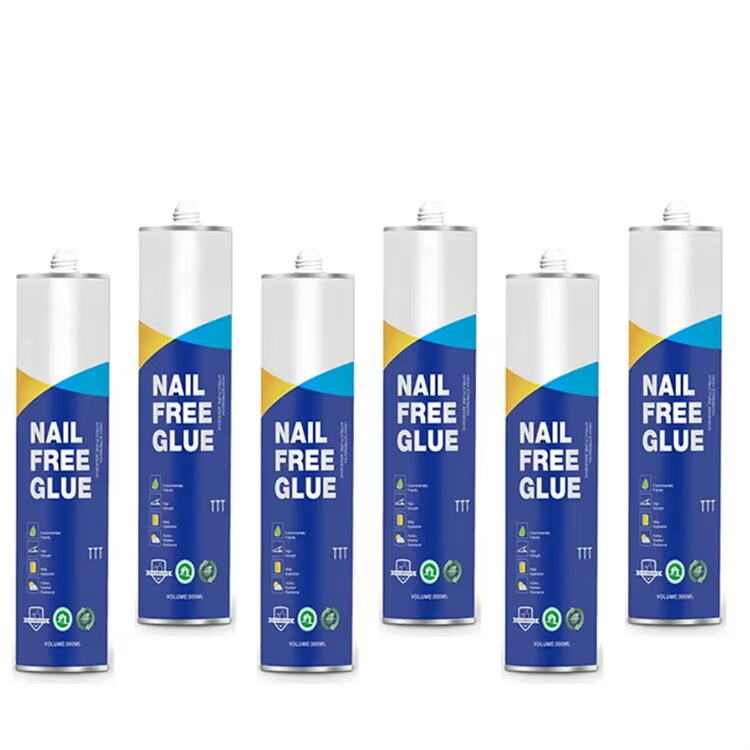
When selecting a sealing solution for projects that involve a wide range of materials, performance consistency across substrates becomes one of the most critical decision factors. A general purpose silicone sealant is specifically engineered to bond, seal, and protect surfaces made from different materials, offering flexibility and adhesion where single-substrate products fall short. Understanding how it behaves across various surfaces helps procurement professionals, contractors, and manufacturers make informed decisions that reduce rework and improve long-term joint integrity.
The real-world performance of a general purpose silicone sealant depends heavily on substrate type, surface preparation, environmental exposure, and the mechanical demands placed on the sealed joint. This article examines how this versatile product behaves on the most commonly encountered substrates in construction, manufacturing, and industrial maintenance environments, and what factors determine whether that performance meets project requirements.
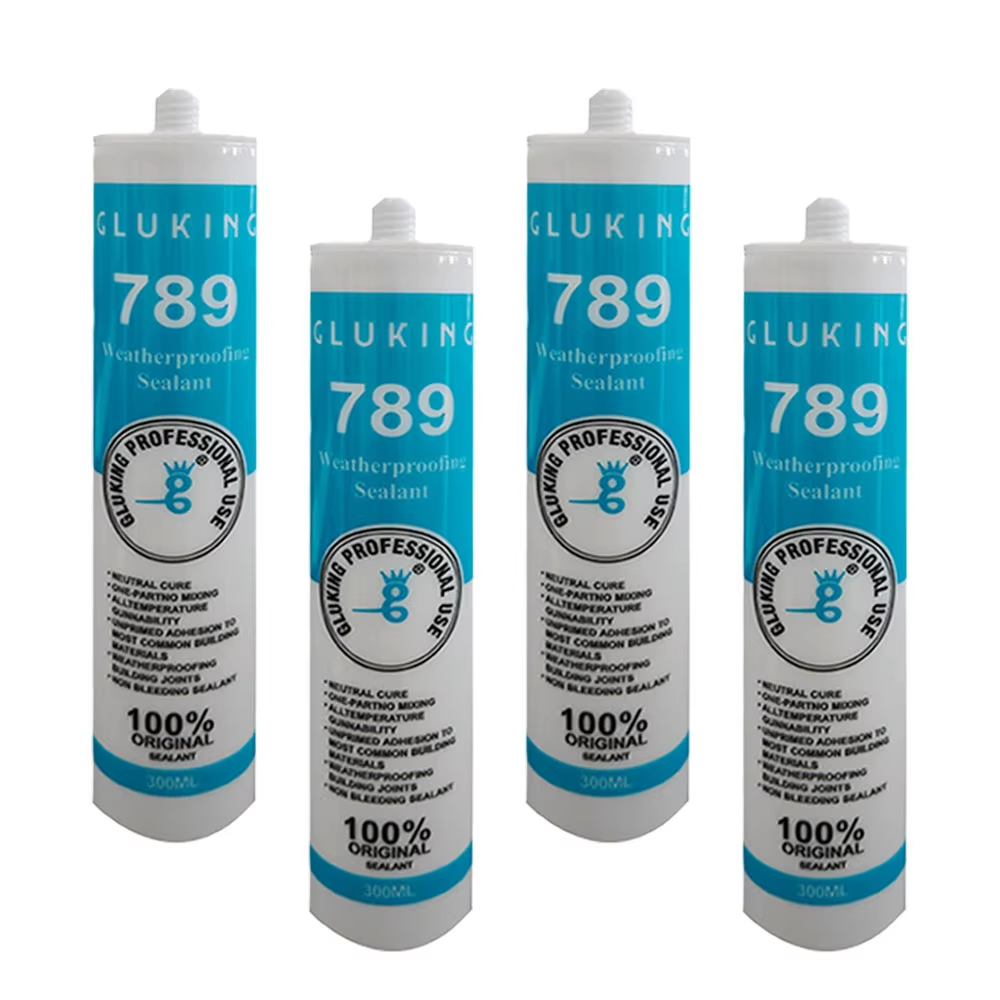
Understanding Multi-Substrate Adhesion Mechanics
How Silicone Chemistry Enables Broad Substrate Compatibility
The adhesion mechanism of a general purpose silicone sealant is rooted in its siloxane polymer backbone, which provides an exceptionally low surface energy interface with a wide range of materials. Unlike polyurethane or acrylic sealants, silicone does not rely on chemical bonding with the substrate surface itself. Instead, it achieves adhesion primarily through mechanical interlocking and van der Waals forces, which allows it to grip both porous and non-porous surfaces with reasonable effectiveness.
This chemistry means that a general purpose silicone sealant can adhere to glass, ceramics, most metals, and many rigid plastics without requiring substrate-specific primer formulations. The cross-linked silicone network remains stable even when the substrate expands or contracts under thermal cycling, which is one reason why this sealant type is so widely adopted in construction glazing and HVAC applications where differential movement between materials is unavoidable.
However, the same low-energy surface chemistry that makes silicone adaptable also limits its adhesion on certain low-surface-energy plastics like polyethylene and polypropylene. On these substrates, a general purpose silicone sealant requires either a specialized primer or surface activation to achieve reliable adhesion, a detail that is often overlooked during specification but becomes apparent during service life.
The Role of Surface Preparation in Multi-Substrate Performance
Across all substrates, surface preparation is the single most influential variable in the performance of a general purpose silicone sealant. Clean, dry, and contaminant-free surfaces allow the sealant to make full contact with the substrate, maximizing mechanical interlocking and adhesion depth. Even on substrates where silicone normally performs well — such as glass or aluminum — the presence of oils, dust, or release agents dramatically reduces bonding strength and accelerates joint failure.
For porous substrates like concrete or natural stone, moisture trapped within the pores can interfere with the curing process of a general purpose silicone sealant, particularly acetoxy-cure formulations that release acetic acid during cure. In such cases, neutral-cure silicone sealants, which release alcohol or oxime during curing, are typically more compatible and less likely to cause surface staining or adhesion failure on alkaline substrates.
The practical implication is that the substrate-compatibility rating of any general purpose silicone sealant should always be evaluated alongside the site-specific surface preparation protocol. A sealant that performs excellently on prepared aluminum may fail prematurely on the same substrate if installation conditions are not controlled, particularly in high-humidity or dusty environments common to industrial settings.
Performance on Glass and Glazing Substrates
Adhesion Quality and Joint Flexibility on Glass
Glass is arguably the substrate on which a general purpose silicone sealant performs most reliably. The smooth, non-porous surface of glass provides an excellent base for silicone adhesion, particularly when cleaned with an isopropanol wipe before application. Silicone's natural transparency or translucent appearance after cure also makes it visually compatible with glass installations where aesthetics matter, such as in window glazing, curtain wall systems, and interior glass partitions.
On glass, a general purpose silicone sealant demonstrates its full range of mechanical properties: high elongation at break, excellent recovery after compression or extension, and strong resistance to UV degradation. Unlike acrylic sealants that can chalk and crack after prolonged UV exposure, a silicone-based product maintains its flexibility and adhesion integrity on glass surfaces exposed to direct sunlight over multi-year service periods.
Joint movement accommodation is another strength. In glazing systems where glass panels are held in aluminum frames with silicone joints, the sealant must handle both in-plane and out-of-plane movement caused by wind load and thermal expansion. A well-formulated general purpose silicone sealant maintains cohesive strength through these dynamic cycles without adhesion loss at the glass-silicone interface, which is why it is the default choice in commercial glazing across many regions.
Special Considerations for Coated and Treated Glass
Not all glass substrates are equal. Low-emissivity coatings, fritted glass, and chemically tempered glass surfaces can present adhesion challenges that standard general purpose silicone sealant performance data may not fully address. On some metallic-oxide coated glass panels, the coating itself can be susceptible to chemical attack from acetoxy-cure sealants, leading to adhesion loss or staining at the bond line.
In these specialized glass applications, specifiers should verify compatibility between the sealant formulation and the specific glass coating before committing to large-scale installation. A general purpose silicone sealant in its neutral-cure form is typically the safer choice for coated glass, as it avoids the acidic or basic by-products associated with other cure chemistries that can degrade sensitive surface treatments over time.
Performance on Metal Substrates
Aluminum, Steel, and Stainless Steel Adhesion
Metal substrates represent another area where a general purpose silicone sealant delivers strong, well-documented performance. On aluminum — one of the most commonly sealed metals in construction and industrial equipment — silicone bonds effectively to both anodized and painted surfaces, provided the surface is clean and free of release agents or forming lubricants introduced during fabrication. The bond to bare or anodized aluminum is particularly robust and resistant to moisture-driven adhesion loss.
On carbon steel and stainless steel, the performance of a general purpose silicone sealant is similarly effective, though the long-term behavior depends on whether the sealant is exposed to galvanic conditions or chemical environments that attack either the metal surface or the sealant-metal interface. In marine or chemical processing environments, stainless steel sealed with a high-quality general purpose silicone sealant demonstrates good resistance to salt spray and moderate chemical exposure, though immersion service should always be evaluated against specific product data.
Dissimilar metal assemblies — where aluminum is joined or sealed against steel — present an interesting test for general purpose silicone sealant flexibility. The different coefficients of thermal expansion between the two metals create differential movement at the joint, and the sealant must accommodate this movement without delamination from either surface. High-elongation silicone formulations handle this scenario well, making them a practical choice for architectural metalwork and industrial enclosures.
Surface Oxidation and Pre-Treatment Effects on Metal Performance
Oxidized metal surfaces — rust on steel, oxide layers on copper, or mill-scale on structural sections — significantly reduce the adhesion efficiency of a general purpose silicone sealant. Loose or powdery oxide layers prevent intimate contact between the sealant and the base metal, and over time these layers can detach from the substrate while still bonded to the sealant, causing what appears to be cohesive failure but is actually a substrate-level delamination.
For copper and copper alloys, acetoxy-cure general purpose silicone sealant formulations can cause surface staining due to the reaction between acetic acid released during cure and the copper surface. This is primarily an aesthetic issue, but in precision electronics or architectural copper detailing, it is a valid concern. Neutral-cure alternatives perform cleanly on copper and are the specified choice where surface appearance must be preserved.
Performance on Porous and Masonry Substrates
Concrete, Brick, and Mortar Joint Sealing
Porous substrates like concrete, brick, and natural stone present a more complex performance environment for a general purpose silicone sealant. Unlike glass or metal where surface energy is relatively uniform, porous substrates have variable porosity, residual moisture content, and alkalinity that affect both adhesion quality and long-term durability. Concrete in particular is highly alkaline when freshly cured, and acetoxy silicone sealants can have reduced adhesion on fresh concrete due to the incompatibility between acetic acid by-products and alkali-rich surfaces.
Neutral-cure general purpose silicone sealant products overcome this limitation and are typically recommended for masonry sealing applications. When applied to primed or properly prepared concrete and masonry surfaces, these formulations achieve adequate adhesion for movement joints, perimeter sealing around embedded fixtures, and gap sealing in precast concrete panel systems. The key is ensuring the substrate has sufficiently cured and dried before sealant application, as moisture vapor transmission through green concrete can disrupt the silicone cure process from the back side of the joint.
Natural stone substrates — including granite, marble, and limestone — require careful selection between acetoxy and neutral-cure types of general purpose silicone sealant. Acetoxy formulations can stain polished stone surfaces and react with calcium-rich stone types. Neutral-cure products are safer for these substrates and are commonly used in kitchen countertop and bathroom surround applications where aesthetic quality is paramount alongside functional sealing performance.
Wood and Fiber-Cement Composite Surfaces
Wood presents unique sealing challenges due to its dimensional instability — it swells and shrinks with changes in moisture content, creating joint movement that can exceed the capacity of rigid sealants. A general purpose silicone sealant, with its high elongation and recovery properties, accommodates this movement better than most alternatives, making it a practical choice for sealing around window and door frames in wood construction when applied to properly primed surfaces.
Fiber-cement composites, widely used in exterior cladding systems, are dense and relatively non-porous compared to wood, but they still require compatible primers for reliable long-term general purpose silicone sealant adhesion. The paintability limitation of silicone is also a factor here: most general purpose silicone sealant formulations cannot be topcoated with latex or alkyd paint, which can be a constraint in exterior wood and fiber-cement applications where the sealant bead needs to match or blend with the surface finish.
Performance on Plastic and Composite Substrates
Rigid Plastics Including PVC, Acrylic, and Polycarbonate
Among rigid plastic substrates, PVC, acrylic, and polycarbonate are those most commonly encountered in construction and industrial settings where a general purpose silicone sealant is applied. On unplasticized PVC (uPVC), silicone adheres reliably and is widely used for window and door frame sealing in residential and commercial construction. The combination of silicone flexibility and uPVC dimensional stability creates a durable joint that resists weathering over many years of service.
Acrylic and polycarbonate glazing panels require care in sealant selection because some silicone formulations — particularly those containing certain plasticizers or cure by-products — can cause stress cracking in polycarbonate. This phenomenon, known as environmental stress cracking, is not caused by adhesion failure but by chemical interaction between the sealant and the plastic under mechanical stress. Specifiers using a general purpose silicone sealant on polycarbonate should confirm the product's compatibility with this substrate before application.
On acrylic sheet, a general purpose silicone sealant performs well from an adhesion standpoint and is commonly used in aquarium construction, display cases, and sanitary ware applications. The silicone's waterproofing capability and resistance to mold growth — when a fungicide-grade formulation is selected — make it particularly suitable for wet environments where acrylic panels are in continuous contact with water.
Low-Surface-Energy Plastics and Elastomers
Polyethylene, polypropylene, PTFE, and certain rubber substrates are classified as low-surface-energy materials, and they represent the performance boundary of a standard general purpose silicone sealant. Without surface activation through flame treatment, corona discharge, or plasma treatment, adhesion to these substrates is poor and joint integrity cannot be reliably maintained under dynamic or thermal loading conditions.
In industrial applications where sealing against polyethylene or polypropylene components is unavoidable, the recommended approach is either to use a dedicated primer before applying a general purpose silicone sealant or to consider mechanical joint designs that reduce dependence on adhesive bonding. This is an important limitation that should be clearly understood before specifying silicone for assemblies that include these materials.
FAQ
Does a general purpose silicone sealant adhere to all types of glass equally well?
Standard and tempered clear glass are the most compatible surfaces for a general purpose silicone sealant. Coated glass — such as low-emissivity or fritted glass — may require neutral-cure formulations and compatibility testing, as acetoxy-cure types can interact with certain metallic oxide coatings and reduce long-term adhesion strength.
Can a general purpose silicone sealant be used on both metal and porous substrates in the same assembly?
Yes, it is common to use a single general purpose silicone sealant product in assemblies that involve both metal frames and masonry or concrete surrounds. The important factor is choosing a neutral-cure formulation that performs on both surface types and ensuring each substrate is properly cleaned and primed where required before application.
Why does a general purpose silicone sealant sometimes fail on plastic substrates?
Failure on plastic is most often related to low surface energy, plasticizer migration from the substrate, or stress cracking in materials like polycarbonate. Selecting a general purpose silicone sealant that is specifically tested for plastic compatibility, and using a recommended primer on difficult substrates, resolves most adhesion issues in these applications.
How does temperature affect the multi-substrate performance of a general purpose silicone sealant?
A general purpose silicone sealant retains its flexibility and adhesion across a broad service temperature range, typically from approximately -40°C to +150°C depending on the formulation. On substrates with high thermal expansion coefficients — such as certain plastics and aluminum — this thermal stability ensures that joint integrity is maintained through seasonal and operational temperature cycling without cohesive or adhesive failure.
Table of Contents
- Understanding Multi-Substrate Adhesion Mechanics
- Performance on Glass and Glazing Substrates
- Performance on Metal Substrates
- Performance on Porous and Masonry Substrates
- Performance on Plastic and Composite Substrates
-
FAQ
- Does a general purpose silicone sealant adhere to all types of glass equally well?
- Can a general purpose silicone sealant be used on both metal and porous substrates in the same assembly?
- Why does a general purpose silicone sealant sometimes fail on plastic substrates?
- How does temperature affect the multi-substrate performance of a general purpose silicone sealant?