EN
EN



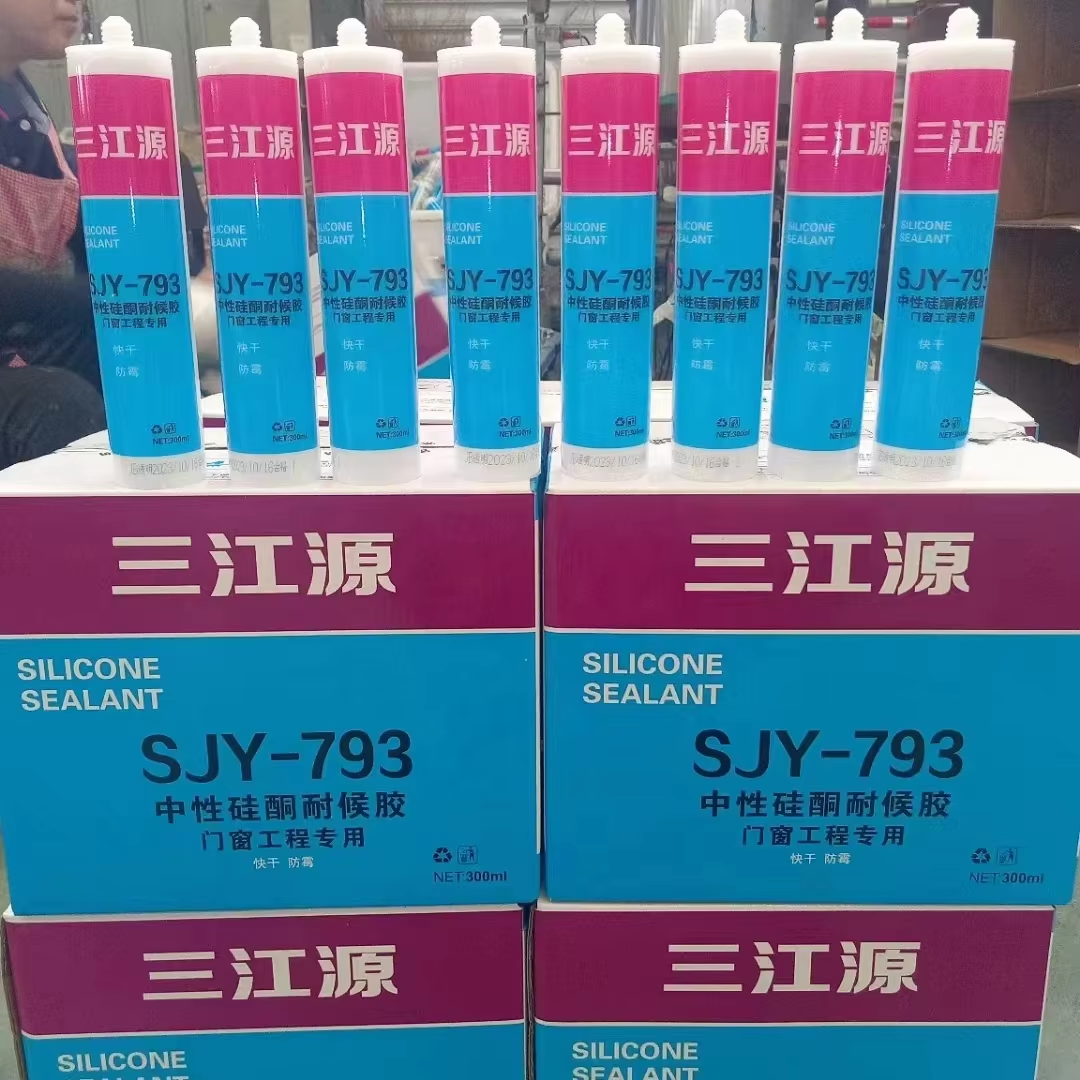
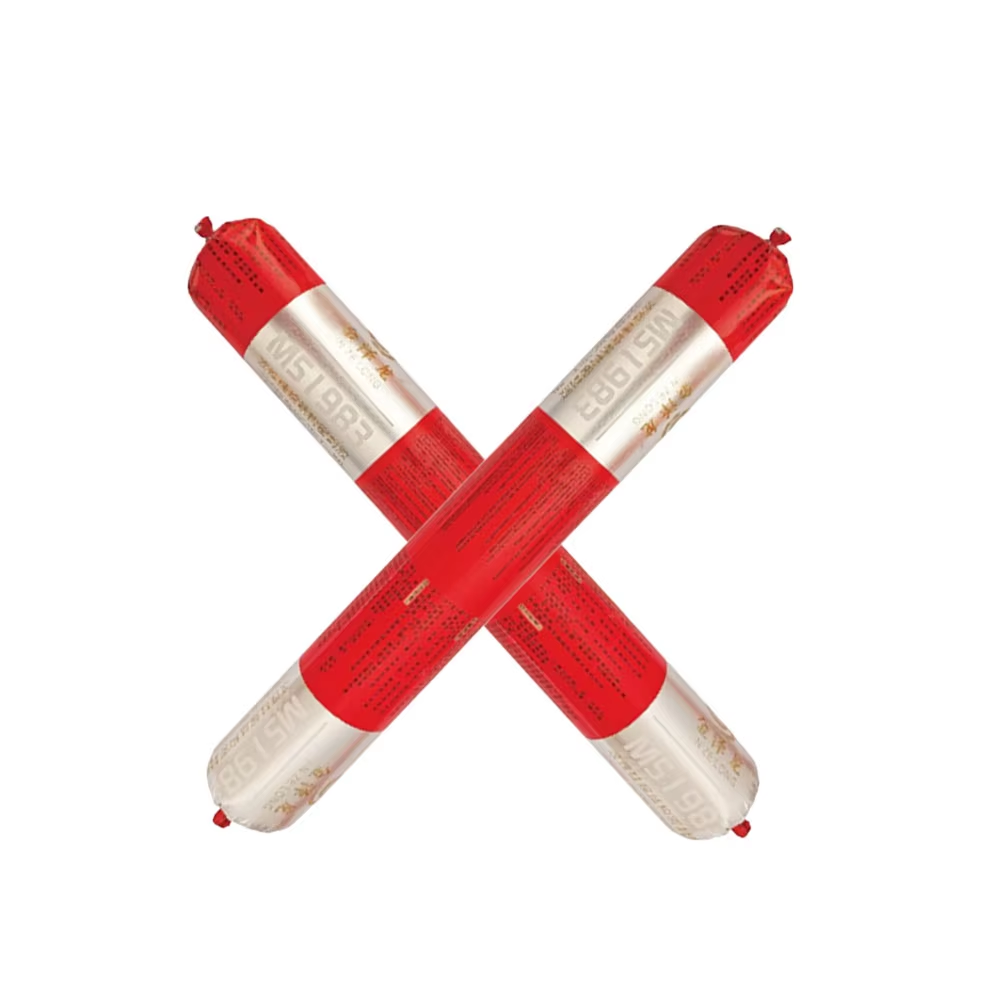
When engineers and construction professionals need a bonding and sealing material that refuses to choose between flexibility and durability, MS sealant stands out as a compelling answer. Modified silane polymer technology, the foundation of every MS sealant formulation, creates a material that achieves what many traditional sealants struggle to deliver simultaneously: a high degree of elastic recovery combined with robust mechanical load-bearing capability. This dual performance makes MS sealant especially valuable in demanding industrial, construction, and automotive applications where both movement accommodation and structural integrity are non-negotiable.
Understanding how MS sealant manages to balance these two seemingly opposing properties requires a closer look at polymer chemistry, curing mechanisms, and real-world performance factors. Unlike silicone sealants that prioritize flexibility at the expense of paintability and adhesion, or polyurethane sealants that lean heavily on rigidity, MS sealant occupies a unique middle ground. It bonds aggressively to a wide variety of substrates, resists dynamic stress, and returns to its original shape after deformation — all within a single cured bead. This article explores the science and practical logic behind that balance.
The Polymer Chemistry Behind MS Sealant Performance
Modified Silane Backbone Structure
The core of every MS sealant is a modified silane-terminated polymer, typically built on a polyether or polyurethane backbone with reactive silane end groups. This architecture is deliberately engineered to combine the best characteristics of silicone chemistry with the adhesion and mechanical properties of polyurethane systems. The silane groups react with atmospheric moisture during curing, forming strong siloxane crosslinks that anchor the material internally and at the substrate interface.
What makes this backbone particularly effective is that the polymer chains between crosslink points are long and flexible. These long-chain segments act as molecular springs, storing elastic energy when the material is deformed and releasing it when the load is removed. The result is a cured MS sealant that stretches under stress without tearing and rebounds accurately when that stress is relieved. This molecular-level elasticity is not a secondary feature — it is built directly into the polymer architecture.
The crosslink density can be adjusted during formulation by varying the silane content, the length of the polymer chains, and the use of reinforcing fillers. Higher crosslink density produces a stiffer, stronger material, while lower crosslink density favors greater elongation. Most commercial MS sealant products are formulated to sit at a carefully calibrated point on this spectrum, delivering tensile strength figures that support real structural loads without sacrificing the elongation performance needed for joint movement.
Crosslinking Mechanism and Its Role in Strength
The curing process of MS sealant is a moisture-triggered condensation reaction. When exposed to ambient humidity, the silane end groups hydrolyze and then condense to form siloxane bonds. This process proceeds from the surface inward, creating a progressive crosslinked network throughout the sealant bead. The depth and completeness of this cure directly determine the final mechanical strength of the material.
Because the crosslinking is chemical rather than physical, the resulting network is permanent and thermally stable across a broad temperature range. This is a significant advantage over thermoplastic sealants that soften when heated and become brittle when cooled. A fully cured MS sealant maintains its tensile and shear strength whether the joint is exposed to summer heat or winter frost, making it a reliable choice for outdoor structural applications.
Furthermore, the siloxane bonds formed during curing are inherently resistant to UV radiation, ozone, and moisture degradation — the same properties that make silicone rubbers so durable outdoors. This chemical stability means the mechanical properties of MS sealant do not diminish rapidly with weathering exposure, which is a critical consideration for applications where re-sealing intervals must be kept long.
How Elasticity Is Achieved Without Sacrificing Load Resistance
Elongation at Break and Elastic Recovery
One of the most telling measurements for any MS sealant is its elongation at break, which typically ranges from 200% to over 400% depending on formulation. This figure tells engineers how far the material can stretch before it fails, but the more important performance metric for dynamic joints is elastic recovery — the percentage of original shape regained after a stretching cycle. High-quality MS sealant formulations achieve elastic recovery values above 90%, meaning that after repeated cycles of expansion and contraction, the sealant bead returns nearly to its original geometry.
This elastic recovery performance is what separates true elastomeric sealants from materials that simply tolerate some deformation before permanently deforming or cracking. In facade joints, expansion joints, and structural glazing applications, the MS sealant must accommodate daily thermal cycling without accumulating residual stress that would eventually cause cohesive or adhesive failure. The molecular spring action of the polyether backbone segments is the mechanism that makes this sustained elastic performance possible.
Comparing this behavior to silicone, the elongation characteristics are broadly similar, but MS sealant offers superior adhesion to most porous and semi-porous substrates without the need for adhesion promoters. Comparing it to polyurethane, the elastic recovery is typically better over long service periods because the siloxane crosslinks resist moisture-induced chain scission more effectively than urethane linkages under prolonged wet exposure.
Tensile Strength and Shore Hardness Balance
Tensile strength in a cured MS sealant typically falls in the range of 1.5 to 3.5 MPa, depending on filler loading and polymer grade. While this may appear modest compared to structural adhesives, it is precisely calibrated to allow the joint to transfer shear loads between substrates while still permitting the elastic deformation needed for movement accommodation. An overly rigid sealant would transfer stress concentrations to the substrate edges and cause premature failure; a sealant with insufficient strength would allow relative movement to become uncontrolled.
Shore A hardness values for MS sealant products generally fall between 25 and 50, placing them in the soft-to-medium elastomer range. This hardness range corresponds to a material that resists permanent indentation and point loads while remaining compliant enough to deform elastically under distributed stress. The combination of this hardness level with high elongation and good tensile strength is what defines the mechanical character of MS sealant as a structural-elastic material.
In practice, the selection of an appropriate hardness grade depends on the joint width, anticipated movement range, and substrate type. For wider joints with high movement, softer grades with higher elongation are preferred. For narrow structural bonds where shear transfer is the primary load path, harder grades with higher tensile strength are more appropriate. The MS sealant product range spans this spectrum, giving design engineers the flexibility to match the mechanical performance to the specific application requirement.
Substrate Adhesion and Its Contribution to Overall Joint Strength
Adhesion Mechanism of Modified Silane Chemistry
Mechanical strength in a sealant joint is not only a property of the sealant material itself — it depends equally on the quality of the bond between the sealant and the substrates it connects. MS sealant achieves adhesion through a combination of chemical bonding via the silane groups and physical wetting of the substrate surface. The hydrolyzed silane intermediates react with hydroxyl groups present on most mineral, metallic, and glass surfaces, forming covalent siloxane bonds at the interface.
This interfacial chemistry means that MS sealant bonds strongly to concrete, masonry, glass, aluminum, steel, painted surfaces, and many plastics without the need for primer in most cases. The adhesion strength at the substrate interface often exceeds the cohesive strength of the sealant body itself, meaning that under load, the material fails within the sealant bead rather than at the bond line — the most favorable failure mode because it is fully repairable and indicates that the adhesive joint was performing correctly.
Strong substrate adhesion also contributes to the effective elastic performance of the joint. If the adhesion fails prematurely, the sealant bead will debond from one or both substrates before its elastic elongation capacity is fully utilized. The durable adhesion of MS sealant ensures that the full elongation range and elastic recovery capability of the polymer are available throughout the design life of the joint.
Paintability and Surface Compatibility
A practical advantage of MS sealant that directly supports its use in structural and architectural applications is its paintability after curing. Unlike silicone sealants, which repel most architectural coatings due to their low surface energy, cured MS sealant accepts standard water-based and solvent-based paints without delamination. This property is critical in facade and interior finishing applications where the sealant joint must be visually integrated with surrounding surfaces.
Surface compatibility also extends to the substrates used in modern construction. MS sealant performs reliably on fiber cement panels, coated aluminum profiles, EIFS surfaces, and natural stone — materials that present challenges for silicone and some polyurethane sealants. This broad substrate compatibility simplifies specification and reduces the number of different sealant products a contractor needs to manage on a complex project.
The absence of solvents, isocyanates, and silicone oils in MS sealant formulations also contributes to surface compatibility by eliminating migration and staining risks. Silicone oil migration from silicone sealants is a well-known cause of adhesion failure in subsequently applied coatings and adjacent sealant beads. MS sealant does not carry this risk, which is one reason it is increasingly preferred in high-end architectural glazing and curtain wall applications.
Real-World Applications That Demonstrate the Elasticity-Strength Balance
Structural Glazing and Facade Bonding
Structural glazing represents one of the most demanding applications for any sealant, because the material must simultaneously carry the dead weight of glass panels, resist wind-induced peel and shear loads, and accommodate the thermal movement of large glass panes without cracking or debonding. MS sealant meets this challenge by combining its elastic deformation capacity with sufficient tensile and shear strength to transfer real structural loads across the bond line.
In curtain wall systems, the MS sealant bead connecting glass to aluminum framing must maintain its bond integrity through decades of daily thermal cycling, occasional dynamic wind loading, and prolonged UV exposure. The UV stability of the siloxane crosslinks, combined with the elastic recovery performance of the polymer backbone, gives MS sealant the durability profile needed for this type of long-service exterior application without requiring frequent inspection or replacement.
The practical simplicity of application — MS sealant can be gunned directly onto clean, dry surfaces in a single-component formulation that cures with ambient moisture — also makes it a preferred material on construction sites where multi-component mixing and controlled application conditions are impractical. This combination of performance and processability is a major reason for the growing adoption of MS sealant in structural glazing specifications globally.
Industrial Assembly and Transportation Applications
In vehicle and industrial equipment assembly, MS sealant is applied to bonded joints that must withstand vibration, thermal shock, and chemical exposure throughout the product service life. The elastic character of the cured material absorbs vibrational energy at joint interfaces, reducing stress concentrations that would cause fatigue cracking in rigid adhesive systems. At the same time, the mechanical strength of the bond prevents relative movement between panels that would compromise sealing or structural performance.
Transportation applications also benefit from the low-temperature flexibility of MS sealant. Many polyurethane-based materials become brittle and lose elastic recovery at temperatures below minus 20 degrees Celsius, but MS sealant retains usable flexibility at significantly lower temperatures due to the inherent low-temperature performance of the silane-terminated polyether backbone. This characteristic is particularly valuable in refrigerated vehicle construction and in railway applications where extreme temperature ranges are routine.
Chemical resistance is another factor that supports the use of MS sealant in industrial assembly. Exposure to fuels, hydraulic fluids, cleaning agents, and atmospheric pollutants is common in transportation environments, and the crosslinked siloxane network of MS sealant offers good resistance to a broad range of chemicals without significant swelling or strength degradation. This chemical robustness means the material maintains its elastic and mechanical properties through the operational life of the equipment.
FAQ
What makes MS sealant different from silicone or polyurethane sealants?
MS sealant differs from silicone by offering superior adhesion to porous substrates, paintability after curing, and the absence of silicone oil migration. It differs from polyurethane by providing better long-term UV and moisture resistance, no isocyanate content during curing, and better elastic recovery under prolonged dynamic loading. The modified silane chemistry creates a material that shares the best performance characteristics of both systems while avoiding the key limitations of each.
Can MS sealant be used on wet or damp surfaces?
MS sealant requires atmospheric moisture to cure, and most formulations can tolerate slightly damp substrates better than polyurethane sealants. However, for structural bonding applications, substrates should be clean and free from standing water to ensure full interfacial adhesion. Some specialized MS sealant grades are formulated for application to wet surfaces in civil engineering and marine contexts, and product datasheets should always be consulted for specific surface condition requirements.
How long does it take for MS sealant to reach full mechanical strength?
The curing rate of MS sealant depends on temperature and relative humidity. At 23 degrees Celsius and 50% relative humidity, a skin forms within 30 to 60 minutes and the material reaches functional strength within 24 hours. Full mechanical strength development typically requires 7 to 14 days as the moisture-triggered crosslinking reaction progresses through the full depth of the sealant bead. Higher temperatures and humidity accelerate curing, while low temperatures and dry conditions slow it down.
Is MS sealant suitable for both indoor and outdoor structural applications?
Yes, MS sealant is well-suited for both environments. Outdoors, its UV stability, weathering resistance, and broad temperature flexibility make it a durable choice for facade joints, roof sealing, and structural glazing. Indoors, its low odor during curing, absence of isocyanates, and paintability make it compatible with occupied spaces and finishing workflows. The same core MS sealant technology serves both contexts effectively, though specific grades optimized for UV exposure or interior air quality requirements are available in most commercial product lines.