EN
EN



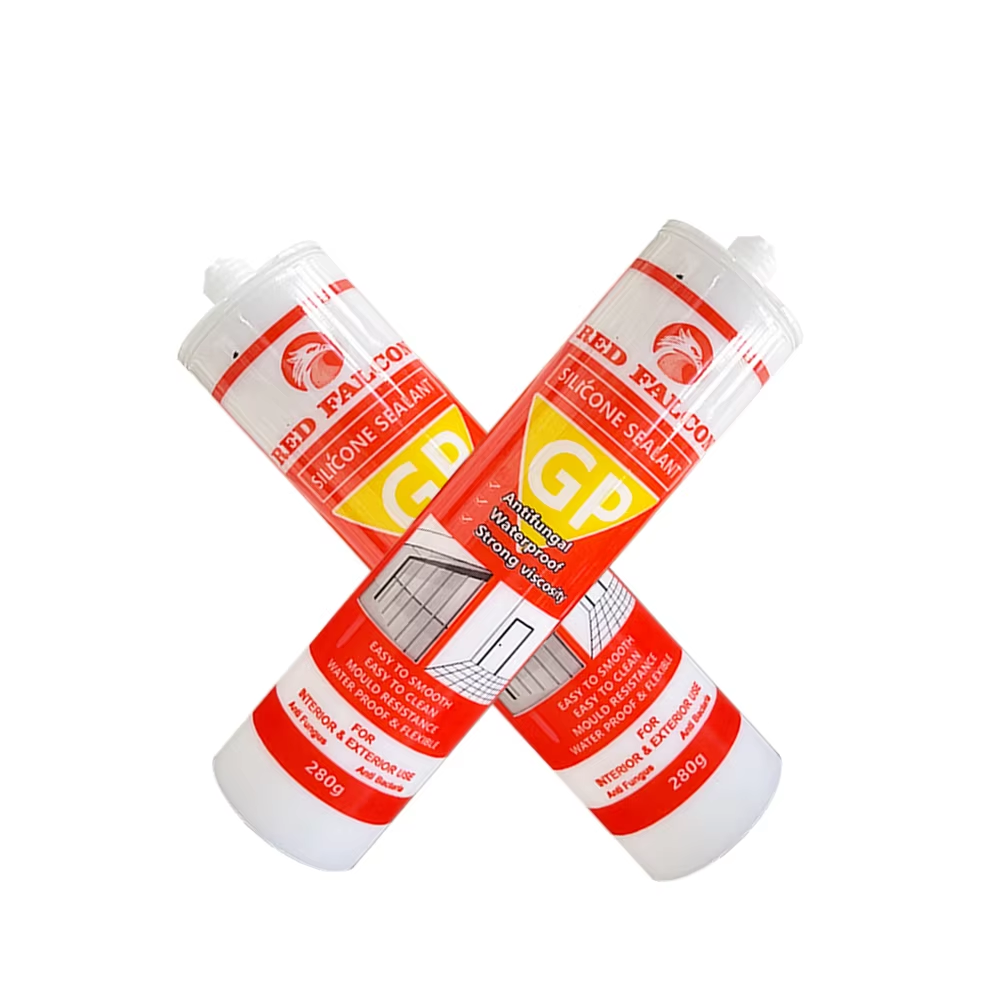
When selecting the right sealant for industrial applications, understanding the durability differences between polyurethane sealant and silicone becomes crucial for project success. While both materials serve as effective barriers against moisture, air, and environmental contaminants, their long-term performance characteristics vary significantly under different conditions. The choice between these two sealing solutions can directly impact maintenance costs, replacement schedules, and overall system reliability across various industrial sectors.
Durability comparison between polyurethane sealant and silicone involves multiple performance factors including adhesion strength, flexibility retention, chemical resistance, and weathering capabilities. Professional engineers and facility managers must evaluate these characteristics against specific application requirements to make informed material selection decisions. This comprehensive analysis examines how each sealant type performs over extended periods, helping identify which option delivers superior longevity for different operating environments.
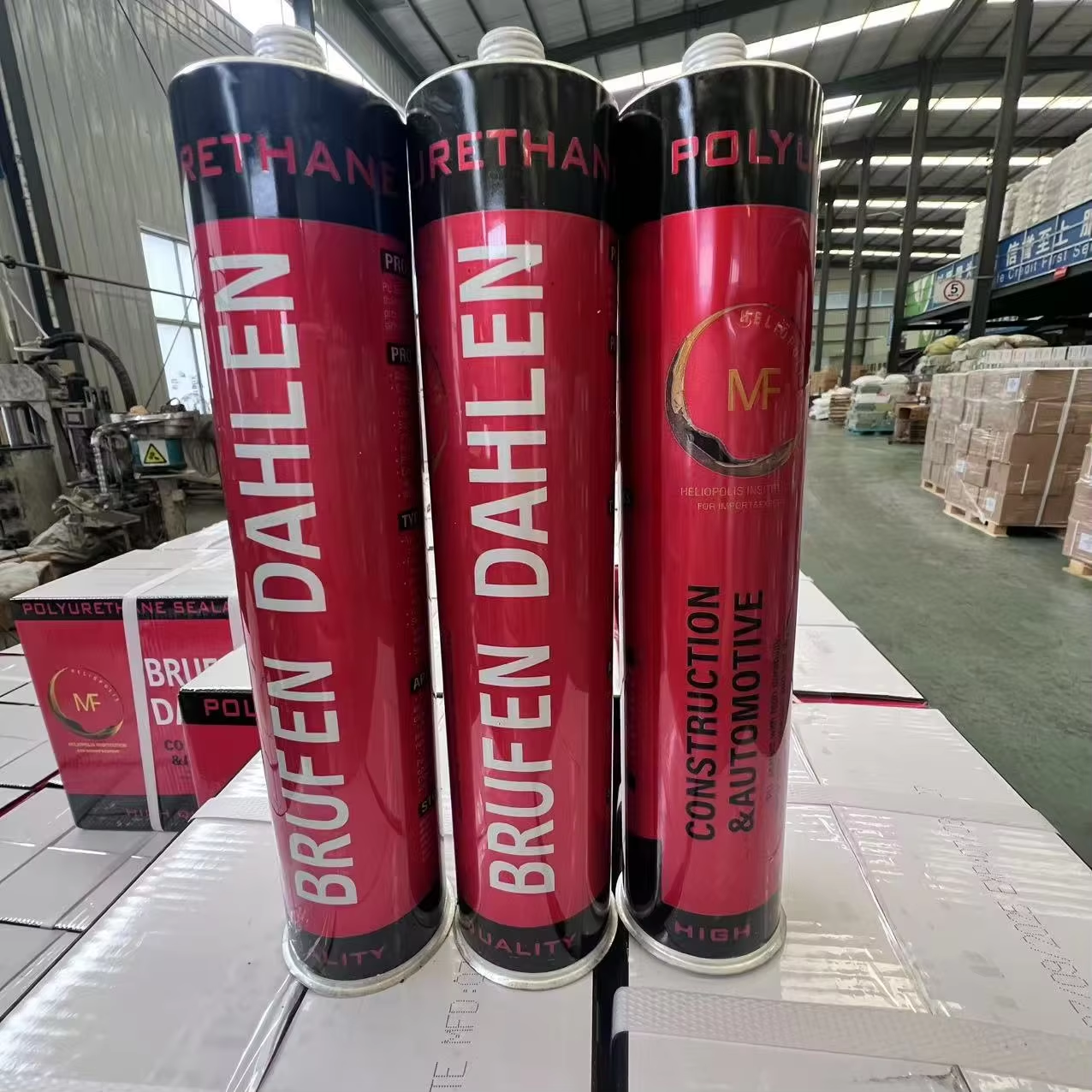
Fundamental Durability Characteristics
Adhesion Strength Over Time
Polyurethane sealant demonstrates exceptional adhesion strength that typically improves over the initial curing period, creating robust bonds with most substrate materials including metals, concrete, and composite surfaces. This adhesive performance remains stable across temperature fluctuations and mechanical stress cycles, maintaining structural integrity for decades when properly applied. The molecular structure of polyurethane allows for superior penetration into surface irregularities, creating mechanical anchoring that enhances long-term bond durability.
Silicone sealants exhibit excellent initial adhesion but may experience gradual bond degradation when exposed to certain chemicals or extreme temperature cycling. While silicone maintains flexibility better than many alternatives, its adhesion strength can diminish over time, particularly on smooth or low-energy surfaces. The durability of silicone adhesion largely depends on proper surface preparation and primer application, which becomes critical for achieving long-term performance comparable to polyurethane solutions.
Flexibility and Elasticity Retention
The flexibility characteristics of polyurethane sealant provide excellent durability in applications involving structural movement and thermal expansion. This material maintains its elasticity across wide temperature ranges while resisting permanent deformation under cyclic loading conditions. Polyurethane's ability to return to its original shape after compression or extension contributes significantly to its long-term sealing effectiveness in dynamic applications.
Silicone sealants offer superior flexibility retention compared to most other sealing materials, maintaining rubber-like properties throughout their service life. This exceptional elasticity allows silicone to accommodate substantial joint movement without compromising seal integrity. However, repeated extreme stretching or compression can eventually lead to material fatigue, particularly in formulations with lower tear strength ratings.
Environmental Resistance Performance
Chemical Exposure Durability
Polyurethane sealant exhibits remarkable resistance to petroleum products, hydraulic fluids, and most industrial chemicals, making it ideal for harsh chemical environments. This chemical resistance contributes to extended service life in applications where exposure to aggressive substances is common. The crosslinked polymer structure of cured polyurethane provides a barrier that prevents chemical penetration and subsequent material degradation.
While silicone demonstrates good resistance to many chemicals, it can be susceptible to certain solvents and petroleum-based products that may cause swelling or softening over time. This chemical sensitivity can impact the long-term durability of silicone seals in industrial environments where hydrocarbon exposure is frequent. However, specialized silicone formulations with enhanced chemical resistance are available for specific applications requiring improved durability against particular substances.
UV and Weather Resistance
Weather resistance represents a critical durability factor where both materials demonstrate distinct performance characteristics. Polyurethane sealant formulations often include UV stabilizers that protect against photodegradation, though some formulations may experience color changes or surface chalking after prolonged sun exposure. The durability of polyurethane in outdoor applications depends heavily on the specific formulation and the inclusion of appropriate weather-resistant additives.
Silicone sealants generally provide superior UV resistance and weather durability compared to polyurethane, maintaining their physical properties and appearance even after years of direct sunlight exposure. This excellent weather resistance makes silicone an preferred choice for exterior applications where long-term appearance and performance are critical. The inorganic backbone of silicone polymers provides inherent resistance to UV degradation without requiring additional stabilizers.
Temperature Performance Impact
High Temperature Durability
Temperature extremes significantly influence the durability comparison between polyurethane sealant and silicone materials. Standard polyurethane formulations typically perform well up to 200°F (93°C) for extended periods, though specialized high-temperature versions can withstand higher temperatures for shorter durations. Prolonged exposure to elevated temperatures may cause polyurethane to become brittle or lose elasticity, potentially compromising seal integrity in high-heat applications.
Silicone sealants demonstrate exceptional high-temperature durability, with many formulations maintaining performance up to 400°F (204°C) or higher for extended periods. This superior temperature resistance makes silicone the preferred choice for applications involving heat sources, engine compartments, or industrial processes operating at elevated temperatures. The thermal stability of silicone contributes significantly to its overall durability advantage in high-temperature environments.
Low Temperature Performance
Cold temperature durability presents another important comparison point between these sealing materials. Polyurethane sealant maintains flexibility and adhesion strength at low temperatures better than many alternative materials, typically remaining serviceable down to -40°F (-40°C) depending on the specific formulation. This low-temperature performance makes polyurethane suitable for applications in cold climates or refrigerated environments.
Silicone exhibits exceptional low-temperature durability, remaining flexible and maintaining seal integrity at temperatures well below freezing. Most silicone formulations continue to perform effectively at -65°F (-54°C) or lower, making them ideal for extreme cold applications. This superior low-temperature performance contributes to the overall durability advantage of silicone in applications subject to temperature cycling or consistently cold operating conditions.
Application-Specific Durability Considerations
Structural and Construction Applications
In structural applications, the durability of polyurethane sealant often exceeds that of silicone due to its superior tensile strength and tear resistance. Construction joints sealed with polyurethane typically demonstrate longer service life when subjected to structural loads and building movement. The ability of polyurethane to maintain structural integrity under mechanical stress makes it the preferred choice for load-bearing applications where seal failure could compromise structural performance.
Silicone's durability in construction applications depends largely on the specific requirements of the installation. While it may not match polyurethane's structural strength, silicone provides excellent durability in applications requiring accommodation of thermal movement without mechanical loading. The weather resistance of silicone makes it particularly durable for exterior glazing and curtain wall applications where appearance retention is important.
Automotive and Transportation Durability
Automotive applications present unique durability challenges where both polyurethane sealant and silicone must withstand vibration, temperature cycling, and chemical exposure. Polyurethane demonstrates excellent durability in automotive applications due to its resistance to automotive fluids and ability to maintain bond strength under dynamic loading conditions. The material's durability in windshield bonding applications has been proven through decades of successful use in automotive manufacturing.
Silicone's automotive durability varies by specific application, with excellent performance in high-temperature areas such as engine compartments and exhaust systems. However, silicone may not provide the structural durability required for load-bearing automotive applications where polyurethane typically offers superior long-term performance. The choice between materials often depends on whether structural strength or temperature resistance is the primary durability requirement.
FAQ
Which sealant lasts longer in outdoor weathering conditions?
Silicone generally provides superior durability in outdoor weathering conditions due to its exceptional UV resistance and ability to maintain flexibility across extreme temperature ranges. While polyurethane sealant can perform well outdoors with proper formulation, silicone typically maintains its appearance and performance characteristics longer when exposed to direct sunlight, rain, and temperature cycling.
Does polyurethane sealant maintain better adhesion over time than silicone?
Polyurethane sealant typically maintains superior adhesion strength over time compared to silicone, particularly on challenging substrates and in applications involving mechanical stress. The chemical bonding mechanism of polyurethane creates stronger initial adhesion that often improves during the curing process, while silicone adhesion may gradually diminish without proper surface preparation and primers.
How do chemical exposures affect the long-term durability of each material?
Polyurethane sealant demonstrates better long-term durability when exposed to petroleum products, hydraulic fluids, and most industrial chemicals. Silicone shows good chemical resistance but can be affected by certain solvents and petroleum-based substances that may cause swelling or softening over time, potentially reducing its durability in chemically aggressive environments.
Which material offers better durability in high-temperature applications?
Silicone provides significantly better durability in high-temperature applications, maintaining performance and flexibility at temperatures up to 400°F or higher for extended periods. Standard polyurethane formulations typically begin to lose durability above 200°F, making silicone the preferred choice for applications involving consistent high-temperature exposure or thermal cycling.