EN
EN


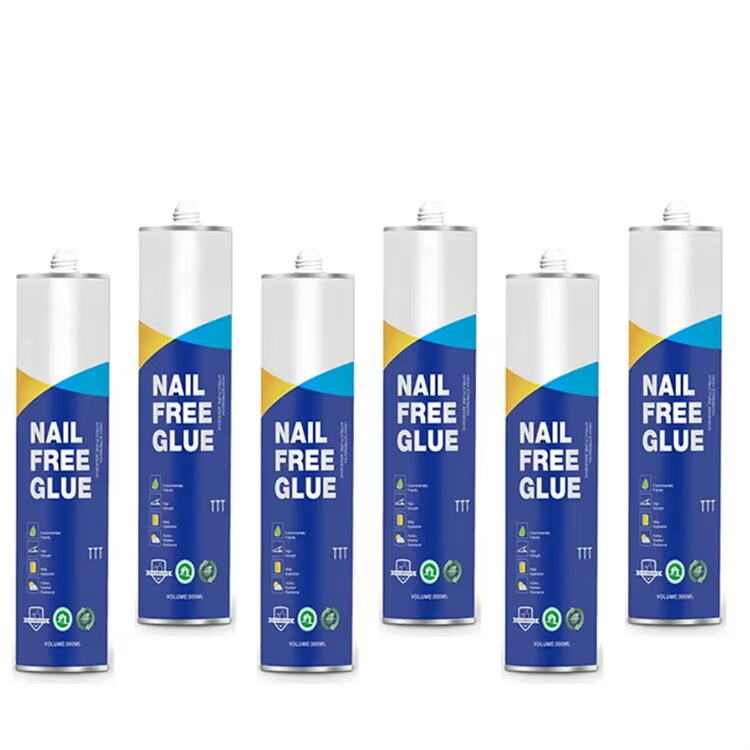
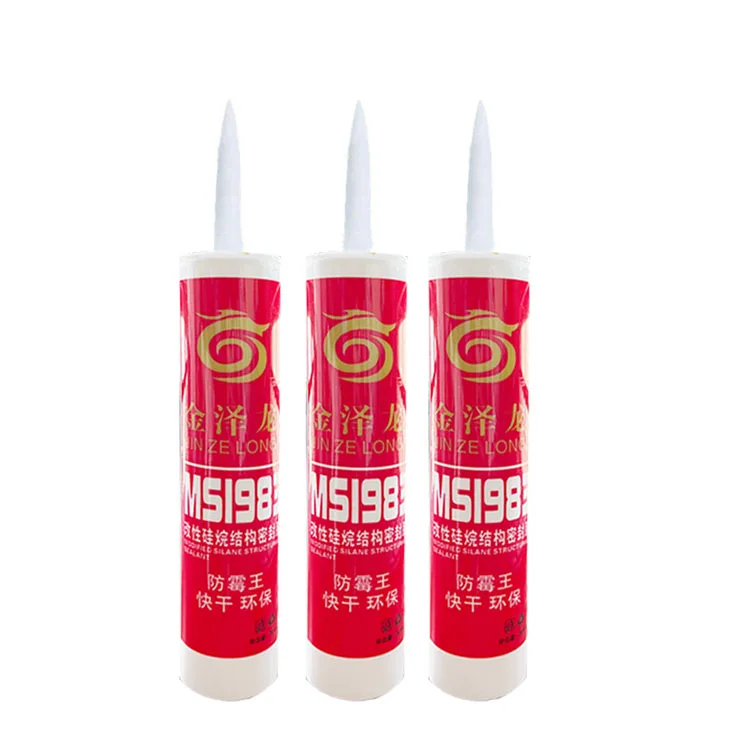
Construction professionals across the globe have increasingly turned to PU foam as their preferred solution for structural sealing applications. This versatile material offers exceptional performance characteristics that make it indispensable for modern building projects. PU foam provides superior adhesion, excellent insulation properties, and remarkable durability that traditional sealing methods simply cannot match. The growing preference for this material stems from its ability to create airtight seals while accommodating structural movement and thermal expansion. Contractors appreciate how PU foam simplifies complex sealing tasks while delivering long-lasting results that meet stringent building codes and performance standards.
Understanding PU Foam Technology
Chemical Composition and Properties
PU foam, or polyurethane foam, represents a sophisticated polymer technology that combines exceptional mechanical properties with versatile application capabilities. The material forms through a chemical reaction between polyols and isocyanates, creating a cellular structure that provides outstanding insulation and sealing performance. This unique composition allows PU foam to expand and fill irregular spaces while maintaining structural integrity over extended periods. The foam's closed-cell structure prevents moisture infiltration and provides excellent thermal resistance, making it ideal for demanding construction environments.
The molecular structure of PU foam enables it to form strong bonds with various substrates including concrete, steel, wood, and synthetic materials. This versatility eliminates the need for multiple sealing products on construction sites, streamlining inventory management and reducing installation complexity. Professional contractors value how PU foam maintains its properties across wide temperature ranges, ensuring reliable performance in both hot and cold climates.
Expansion and Curing Characteristics
One of the most advantageous features of PU foam is its controlled expansion behavior during application. Unlike other foaming agents that may over-expand or create inconsistent fills, quality PU foam products provide predictable expansion ratios that allow precise application control. This characteristic enables contractors to fill cavities completely without waste or the risk of damaging surrounding structures through excessive pressure buildup.
The curing process of PU foam creates a semi-rigid seal that accommodates building movement while maintaining airtight integrity. This flexibility prevents seal failure due to thermal cycling or structural settling, common issues that plague rigid sealing materials. Professional installers appreciate how PU foam remains workable for sufficient time to allow proper positioning and adjustment before final cure.
Superior Performance in Structural Applications
Adhesion and Bonding Strength
The exceptional adhesive properties of PU foam make it particularly valuable for structural sealing applications where mechanical fasteners alone may be insufficient. This material forms chemical bonds with substrate surfaces that often exceed the cohesive strength of the foam itself. Such bonding capability ensures that sealed joints remain intact even under significant structural loads or environmental stresses.
Construction professionals frequently rely on PU foam for critical applications such as curtain wall sealing, window and door frame installation, and HVAC system integration. The material's ability to create permanent, weather-resistant seals reduces maintenance requirements and extends building service life. This reliability factor significantly influences contractor preferences when selecting sealing materials for high-performance building projects.
Environmental Resistance and Durability
PU foam demonstrates exceptional resistance to environmental factors that typically degrade other sealing materials. The material maintains its properties when exposed to UV radiation, moisture, temperature extremes, and chemical contaminants commonly found in construction environments. This durability eliminates the need for frequent seal replacement or maintenance, reducing long-term project costs and enhancing building performance.
The closed-cell structure of quality PU foam prevents water absorption and vapor transmission, critical factors in maintaining building envelope integrity. Contractors value this moisture resistance particularly in below-grade applications, roofing systems, and exterior wall assemblies where water infiltration could cause significant structural damage or mold growth. The material's stability under prolonged exposure ensures that initial installation quality is maintained throughout the building's service life.
Installation Efficiency and Cost Benefits
Application Speed and Simplicity
The ease of PU foam application represents a significant advantage for contractors working under tight project schedules. Most professional-grade PU foam products are available in convenient dispensing systems that allow rapid, precise application without extensive setup or specialized equipment. This efficiency reduces labor costs and accelerates project completion times, important factors in competitive construction markets.
Unlike traditional sealing methods that may require multiple application steps or extended curing periods, PU foam provides immediate gap filling and begins developing seal integrity within minutes of application. This rapid response allows contractors to continue with subsequent construction activities without extended waiting periods. The material's self-leveling properties also reduce the skill level required for proper installation, making it accessible to a broader range of construction personnel.
Material Cost Effectiveness
While PU foam may have higher upfront costs compared to some traditional sealing materials, its performance characteristics provide significant long-term value. The material's expansion properties mean that less product is required to fill equivalent volumes compared to non-expanding sealants. This efficiency translates to reduced material costs and lower shipping expenses for construction projects.
The durability of PU foam installations eliminates the recurring costs associated with seal maintenance and replacement. Contractors who specify this material for their projects often benefit from reduced warranty callbacks and enhanced reputation for quality workmanship. These factors contribute to improved profitability and client satisfaction, making PU foam an economically attractive choice for professional contractors.
Thermal and Acoustic Performance
Insulation Properties
The cellular structure of PU foam provides exceptional thermal insulation properties that complement its sealing capabilities. This dual functionality eliminates thermal bridging at sealed joints while preventing air infiltration that could compromise building energy efficiency. Contractors working on high-performance building projects particularly value this combination of sealing and insulation performance in a single application.
The low thermal conductivity of PU foam helps building owners achieve energy efficiency targets and comply with increasingly stringent building codes. This performance advantage is especially important in climate zones with extreme temperatures where thermal losses through unsealed joints can significantly impact HVAC system performance and operating costs. Professional installers appreciate how PU foam contributes to overall building performance while simplifying the construction process.
Sound Dampening Capabilities
In addition to its thermal properties, PU foam provides effective acoustic dampening that enhances building comfort and performance. The material's cellular structure absorbs sound transmission through sealed joints, reducing noise infiltration from external sources and limiting sound transfer between building spaces. This acoustic performance makes PU foam particularly valuable in commercial and institutional projects where sound control is critical.
Contractors working on projects with specific acoustic requirements often rely on PU foam to achieve necessary sound transmission class ratings without additional specialized materials. This versatility streamlines construction processes while ensuring compliance with building performance standards. The material's effectiveness in controlling both thermal and acoustic transmission makes it an ideal choice for comprehensive building envelope sealing applications.
Environmental Considerations and Sustainability
Low VOC Emissions
Modern PU foam formulations are designed to minimize volatile organic compound emissions, supporting healthy indoor air quality and environmental responsibility. Leading manufacturers have developed products that comply with stringent environmental standards while maintaining superior performance characteristics. This environmental compatibility makes PU foam suitable for green building projects and LEED certification requirements.
Contractors increasingly face pressure to use environmentally responsible materials that do not compromise occupant health or environmental quality. PU foam products that meet low-emission standards allow construction professionals to specify high-performance sealing materials while supporting sustainability goals. This alignment between performance and environmental responsibility enhances the appeal of PU foam for environmentally conscious projects.
Energy Efficiency Contributions
The superior sealing performance of PU foam directly contributes to building energy efficiency by eliminating air leakage paths that waste conditioned air. Studies have shown that proper air sealing can reduce building energy consumption by significant percentages, making PU foam an important component of sustainable construction practices. This energy-saving potential provides long-term environmental benefits that extend far beyond the initial installation.
Building owners and contractors recognize that effective air sealing with materials like PU foam reduces the size requirements for HVAC equipment while improving system efficiency. These benefits result in lower initial equipment costs, reduced energy consumption, and decreased greenhouse gas emissions over the building's operational life. The environmental advantages of proper sealing make PU foam an attractive choice for contractors committed to sustainable construction practices.
Quality Control and Performance Standards
Testing and Certification Requirements
Professional-grade PU foam products undergo rigorous testing to ensure consistent performance and compliance with industry standards. These tests evaluate characteristics such as expansion ratio, adhesion strength, fire resistance, and long-term durability under various environmental conditions. Contractors benefit from this testing regime by having confidence in material performance and regulatory compliance.
Leading PU foam manufacturers provide comprehensive technical documentation that supports proper material specification and installation procedures. This information helps contractors select appropriate products for specific applications while ensuring compliance with building codes and performance requirements. The availability of certified performance data simplifies the specification process and reduces project risk for construction professionals.
Installation Best Practices
Successful PU foam installations require attention to substrate preparation, application technique, and environmental conditions during installation. Proper surface cleaning and priming ensure optimal adhesion, while controlled application techniques prevent over-expansion or inadequate fill. Professional contractors develop systematic approaches to PU foam installation that ensure consistent results across multiple project sites.
Temperature and humidity conditions during PU foam application significantly affect expansion characteristics and final performance. Experienced contractors monitor environmental conditions and adjust application procedures accordingly to maintain installation quality. This attention to detail ensures that PU foam installations meet performance expectations and provide long-term reliability for building owners.
FAQ
How long does PU foam take to cure completely
PU foam typically develops initial skin formation within 15-30 minutes of application, allowing light handling and continued construction activities. Complete cure occurs within 24-48 hours depending on environmental conditions, foam thickness, and specific product formulation. During this period, the foam continues to develop its full mechanical properties and final density. Contractors should avoid disturbing installations during the cure period to ensure optimal performance characteristics.
Can PU foam be painted or finished after installation
Yes, cured PU foam readily accepts paint, stain, and other finishing materials commonly used in construction applications. The material should be fully cured and any excess foam trimmed flush before applying finishes. Most standard architectural coatings provide good adhesion to PU foam surfaces without special primers or preparation steps. This compatibility allows contractors to integrate sealed joints seamlessly with surrounding architectural elements.
What safety precautions are required when working with PU foam
PU foam application requires standard personal protective equipment including safety glasses, nitrile gloves, and adequate ventilation in enclosed spaces. The material should be stored in temperature-controlled conditions and protected from moisture contamination. Installers should avoid skin contact with uncured foam and ensure proper disposal of empty containers according to local environmental regulations. Following manufacturer safety guidelines ensures safe handling and application for construction personnel.
How does PU foam perform in extreme weather conditions
Quality PU foam maintains its sealing and insulation properties across temperature ranges typically from -40°F to 200°F, making it suitable for most construction environments. The material resists freeze-thaw cycling, UV radiation, and moisture exposure without significant degradation. In extreme climate zones, contractors may need to select specialized formulations designed for enhanced temperature resistance or rapid cure characteristics to ensure optimal performance.