High-Performance Flexible Polyurethane Sealant - Superior Elasticity & Chemical Resistance

Get a Free Quote

Our representative will contact you soon.
Email
Name
Company Name
Message
0/1000

flexible polyurethane sealant

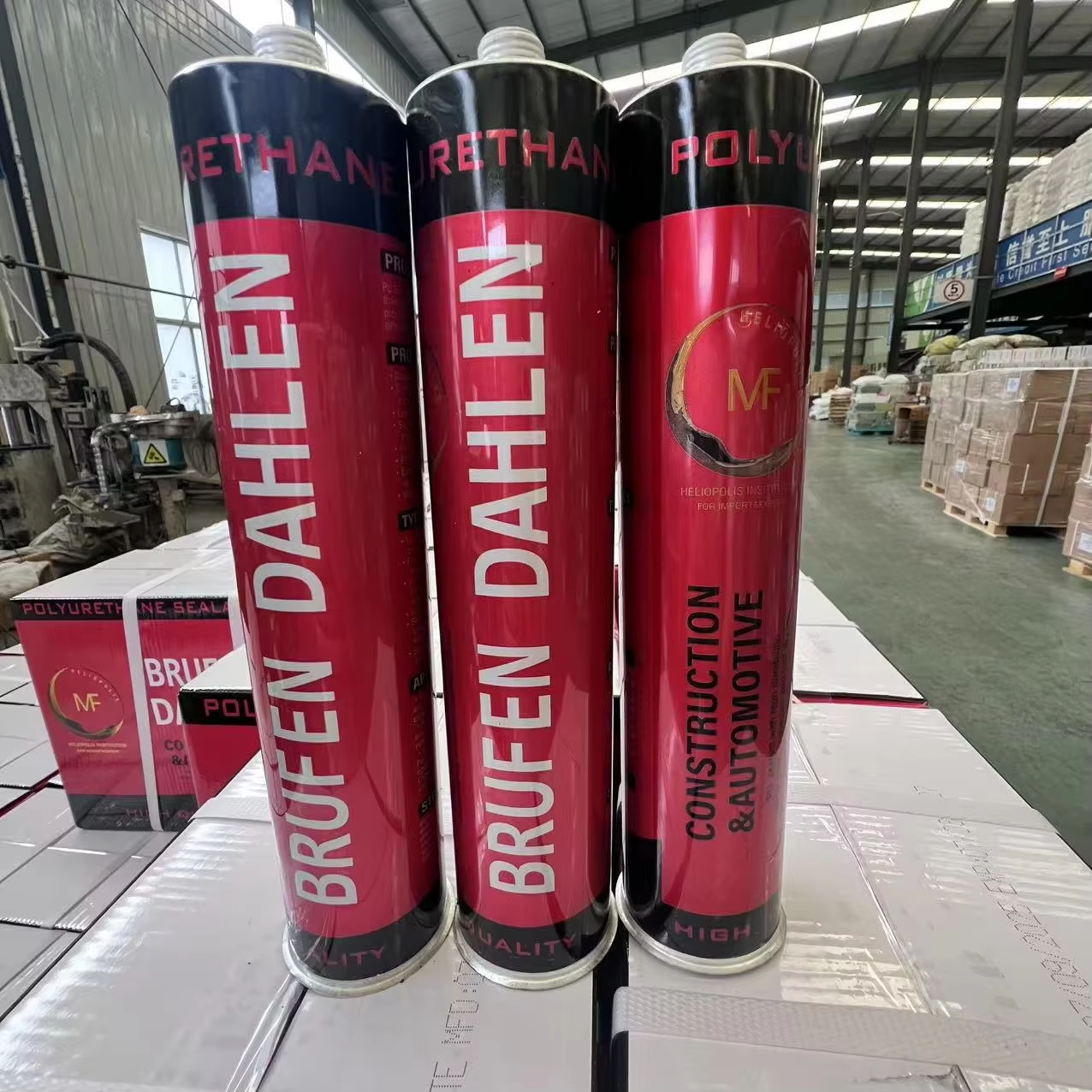
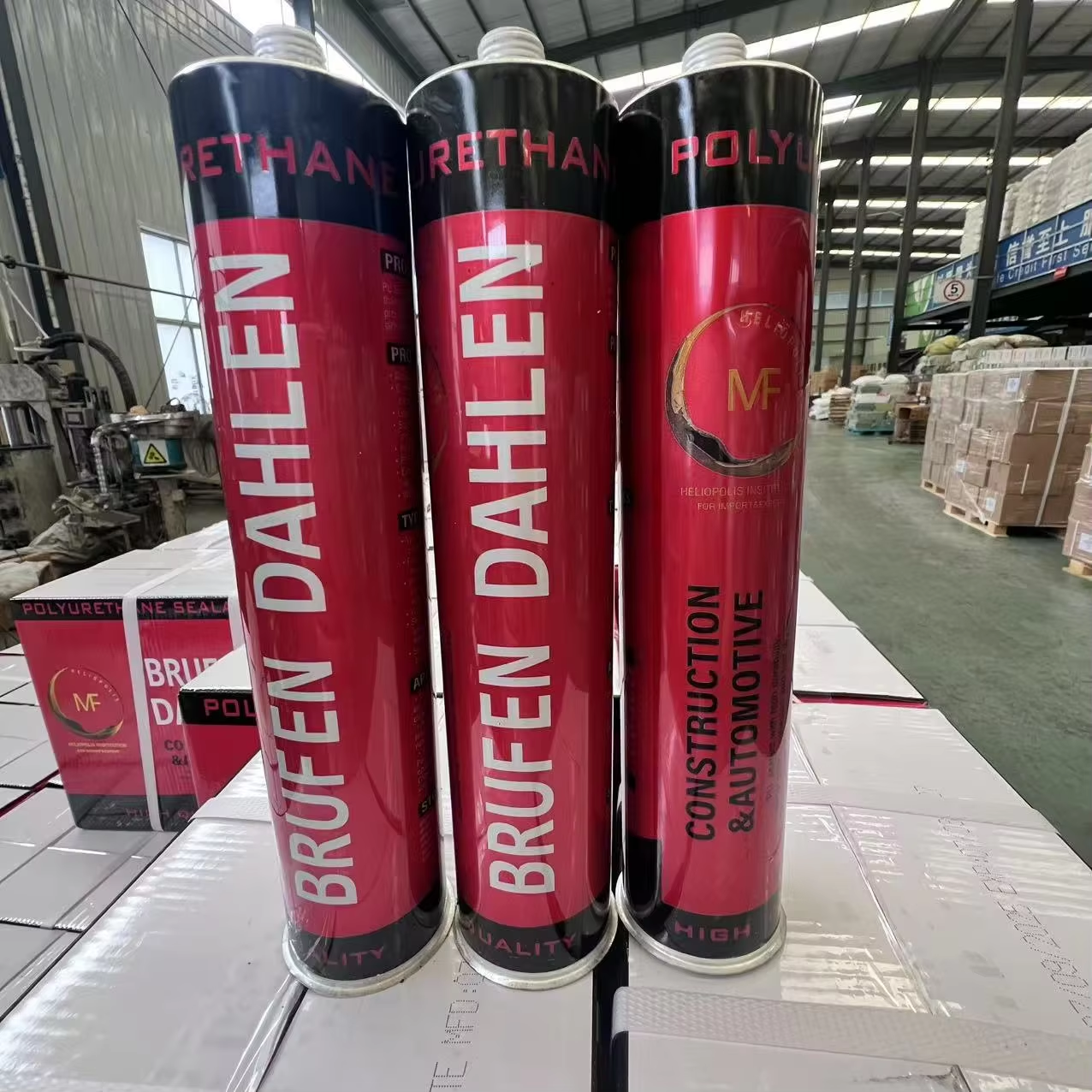
Flexible polyurethane sealant represents a revolutionary advancement in sealing technology, designed to meet the demanding requirements of modern construction and industrial applications. This versatile sealing solution combines the exceptional durability of polyurethane chemistry with superior flexibility characteristics, creating a product that excels in challenging environments where traditional sealants fail. The main functions of flexible polyurethane sealant encompass comprehensive weatherproofing, structural joint sealing, and long-term adhesion across diverse substrate materials. Its primary purpose involves creating durable barriers against water infiltration, air leakage, and environmental contaminants while maintaining structural integrity under dynamic loading conditions. The technological features of flexible polyurethane sealant include advanced polymer formulation that delivers outstanding elongation properties, typically exceeding 400% without failure. This remarkable flexibility allows the sealant to accommodate significant structural movement, thermal expansion, and settling without compromising seal integrity. The formulation incorporates specialized plasticizers and cross-linking agents that ensure consistent performance across temperature ranges from -40°F to 180°F. Additionally, the sealant exhibits excellent adhesion to various substrates including concrete, metal, wood, glass, and composite materials without requiring primers in most applications. The applications for flexible polyurethane sealant span numerous industries and project types. In commercial construction, it serves as the preferred choice for curtain wall systems, window perimeter sealing, expansion joint treatment, and roofing membrane attachments. Residential applications include foundation waterproofing, exterior caulking, and HVAC system sealing. Industrial facilities utilize this sealant for equipment mounting, pipe penetrations, and chemical-resistant joint sealing. Marine environments benefit from its saltwater resistance for dock construction and boat building applications. The automotive industry employs flexible polyurethane sealant for body panel assembly and windshield installation due to its vibration resistance and temperature stability.


Popular Products

Flexible polyurethane sealant delivers exceptional performance benefits that significantly outperform traditional sealing materials in demanding applications. The primary advantage centers on its remarkable flexibility retention over extended periods, maintaining elasticity even after decades of exposure to harsh environmental conditions. This flexibility prevents cracking and seal failure that commonly occurs with rigid sealants, ensuring long-term protection and reducing maintenance costs substantially. The superior adhesion properties eliminate the need for mechanical fasteners or complex surface preparation procedures in most installations, streamlining application processes and reducing labor expenses. Weather resistance stands as another critical advantage, with flexible polyurethane sealant demonstrating outstanding performance against UV radiation, ozone exposure, and temperature cycling. Unlike silicone or acrylic alternatives that degrade rapidly under ultraviolet light, this advanced formulation maintains color stability and mechanical properties for extended periods. The sealant resists chalking, cracking, and shrinkage that typically compromise other sealing materials within months of installation. Chemical resistance provides significant value in industrial environments where exposure to oils, solvents, and cleaning chemicals occurs regularly. The polyurethane backbone exhibits excellent compatibility with most chemicals, preventing softening, swelling, or dissolution that destroys conventional sealants. This characteristic makes it ideal for food processing facilities, pharmaceutical manufacturing, and chemical storage areas where stringent hygiene standards must be maintained. Application versatility represents a major advantage for contractors and maintenance personnel. The sealant adheres effectively to wet surfaces and cures reliably in humid conditions, eliminating weather-related delays common with moisture-sensitive alternatives. Its self-leveling properties ensure consistent bead formation and professional appearance without extensive tooling requirements. The extended working time allows for proper positioning and adjustment before curing begins, reducing waste and rework. Cost effectiveness emerges through reduced maintenance frequency and extended service life. While initial material costs may exceed basic alternatives, the total lifecycle cost proves significantly lower due to reduced replacement frequency and associated labor expenses. The sealant typically maintains performance for 20-25 years compared to 5-10 years for conventional options, providing substantial long-term savings. Environmental benefits include low volatile organic compound emissions during application and curing, contributing to improved indoor air quality and regulatory compliance. The material contains no harmful solvents or heavy metals, supporting green building initiatives and sustainable construction practices.

Latest News

How to Ensure Proper Curing of RTV Silicone for Maximum Strength?

25

Nov

How to Ensure Proper Curing of RTV Silicone for Maximum Strength?

Room Temperature Vulcanizing silicone has become an indispensable material in countless industrial and commercial applications due to its exceptional flexibility, durability, and chemical resistance. Understanding how to properly cure RTV silicone is...
View More
Which Industries Rely on Neutral Silicone Sealant for Durable Sealing?

25

Nov

Which Industries Rely on Neutral Silicone Sealant for Durable Sealing?

Modern industrial applications demand reliable sealing solutions that can withstand harsh environmental conditions while maintaining structural integrity. Neutral silicone sealant has emerged as a critical component across numerous sectors, offering ...
View More
Why Is PU Sealant a Popular Choice in Construction Projects?

25

Nov

Why Is PU Sealant a Popular Choice in Construction Projects?

Polyurethane sealants have revolutionized the construction industry with their exceptional durability, flexibility, and weatherproofing capabilities. These advanced adhesive solutions offer superior performance across a wide range of applications, fr...
View More
How Does Polyurethane Foam Enhance Structural Stability in Buildings?

19

Dec

How Does Polyurethane Foam Enhance Structural Stability in Buildings?

Building structural integrity has become increasingly critical as modern construction faces more demanding performance requirements. Among the various materials revolutionizing construction practices, polyurethane foam stands out as a versatile solut...
View More

Get a Free Quote

Our representative will contact you soon.
Email
Name
Company Name
Message
0/1000

flexible polyurethane sealant

Superior Elasticity and Movement Accommodation

Superior Elasticity and Movement Accommodation

The exceptional elasticity of flexible polyurethane sealant represents its most distinguishing characteristic, setting it apart from conventional sealing materials through unprecedented movement accommodation capabilities. This remarkable property stems from the unique molecular structure of polyurethane polymers, which form long, flexible chains that can stretch significantly without breaking or losing adhesion. The sealant typically achieves elongation values exceeding 400%, meaning it can stretch to four times its original length before failure occurs. This extraordinary flexibility proves essential in modern construction where buildings experience substantial movement from thermal expansion, wind loading, seismic activity, and structural settling. Traditional sealants often fail within the first year when subjected to such dynamic conditions, creating costly maintenance issues and potential water damage. The advanced formulation maintains this flexibility across extreme temperature ranges, from Arctic conditions at -40°F to desert heat at 180°F, ensuring consistent performance regardless of climate zone. This temperature stability results from carefully selected plasticizers and stabilizers that prevent hardening in cold weather and softening in high temperatures. The practical benefits for customers include elimination of joint failure, reduced callback rates for contractors, and extended warranty periods for building owners. In curtain wall applications, this flexibility prevents the cascade failures common with rigid sealants, where one failed joint creates stress concentrations that propagate throughout the system. The ability to accommodate movements up to 50% of joint width without losing seal integrity provides engineers with greater design flexibility and reduces the need for complex expansion joint systems. Quality control testing demonstrates that flexible polyurethane sealant maintains over 90% of its original elasticity after 20 years of accelerated weathering, compared to less than 50% retention for conventional alternatives. This longevity translates directly into reduced lifecycle costs and improved building performance, making it an investment that pays dividends through decades of reliable service.
Outstanding Chemical and Environmental Resistance

Outstanding Chemical and Environmental Resistance

The chemical resistance properties of flexible polyurethane sealant provide unmatched protection in challenging environments where conventional sealants quickly deteriorate. This resistance originates from the inherent stability of polyurethane chemistry, which forms cross-linked networks that resist attack from acids, bases, solvents, and other aggressive chemicals commonly encountered in industrial and commercial settings. Unlike silicone sealants that can be dissolved by certain solvents, or acrylic formulations that soften when exposed to cleaning chemicals, flexible polyurethane sealant maintains its physical properties and sealing effectiveness even after prolonged chemical exposure. This characteristic proves invaluable in food processing facilities where regular sanitization with harsh chemicals is mandatory, pharmaceutical manufacturing where sterile environments require frequent disinfection, and chemical storage areas where accidental spills may occur. The sealant demonstrates excellent resistance to petroleum products, making it ideal for fuel storage facilities, automotive service centers, and industrial equipment installations. Environmental resistance encompasses protection against ultraviolet radiation, ozone exposure, and atmospheric pollutants that rapidly degrade lesser materials. The formulation includes advanced UV stabilizers and antioxidants that prevent polymer chain scission, maintaining both appearance and performance over extended exposure periods. Unlike many alternatives that yellow, chalk, or become brittle within months of installation, flexible polyurethane sealant retains its original color and flexibility for decades. Saltwater resistance makes it particularly valuable in marine environments and coastal construction projects where salt spray accelerates corrosion and material degradation. Testing confirms that the sealant maintains adhesion and flexibility after continuous saltwater immersion for over five years, far exceeding the performance of standard construction sealants. This resistance extends to freeze-thaw cycling, where many materials fail due to ice crystal formation and thermal stress. The combination of chemical and environmental resistance translates into predictable, long-term performance that building owners and facility managers can rely upon, reducing unexpected maintenance costs and system downtime that compromise productivity and profitability.
Versatile Application and Superior Adhesion

Versatile Application and Superior Adhesion

The application versatility of flexible polyurethane sealant eliminates many constraints that limit other sealing materials, providing contractors and maintenance professionals with a single solution for diverse sealing challenges. This versatility begins with its ability to adhere strongly to virtually all common construction materials without requiring primers or surface treatments in most applications. The sealant forms permanent bonds with concrete, masonry, steel, aluminum, wood, glass, and various plastic materials through both mechanical adhesion and chemical bonding mechanisms. This universal compatibility simplifies material selection and reduces inventory requirements for contractors working on projects with mixed substrate types. The application temperature range extends from 0°F to 120°F, allowing installation during most weather conditions without performance compromise. Unlike many alternatives that require warm, dry conditions for proper curing, flexible polyurethane sealant can be applied to damp surfaces and will cure reliably in high humidity environments. This capability proves essential for emergency repairs and projects with tight scheduling constraints where weather delays cannot be tolerated. The self-leveling properties ensure consistent bead formation and professional appearance without extensive tooling requirements, reducing labor time and skill requirements for proper installation. The extended working time, typically 15-30 minutes depending on temperature and humidity, allows for proper positioning and adjustment before skinning begins. This characteristic reduces waste from premature curing and allows correction of application errors without material loss. Cleanup during the uncured state requires only soap and water, eliminating the need for hazardous solvents that create safety and environmental concerns. The superior adhesion performance results from the polar nature of polyurethane chemistry, which forms strong intermolecular forces with most substrate materials. Testing demonstrates that adhesive failure rarely occurs with proper surface preparation, with cohesive failure within the sealant body being the typical failure mode. This indicates that the bond strength exceeds the internal strength of the material itself, providing maximum reliability in critical sealing applications. The combination of strong adhesion and material flexibility creates a sealing system that moves with the structure rather than restraining movement, preventing the stress concentrations that cause premature failure in rigid systems.

Get a Free Quote

Our representative will contact you soon.
Email
Name
Company Name
Message
0/1000