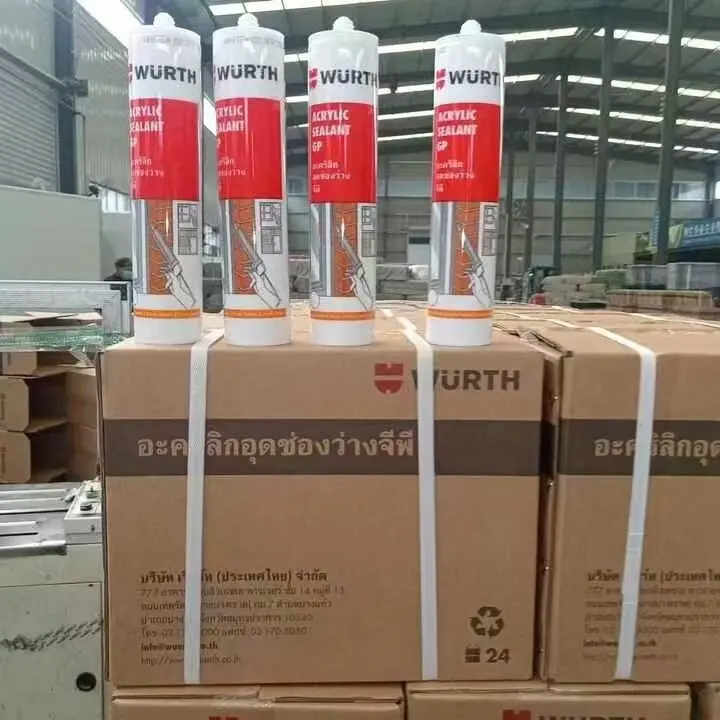
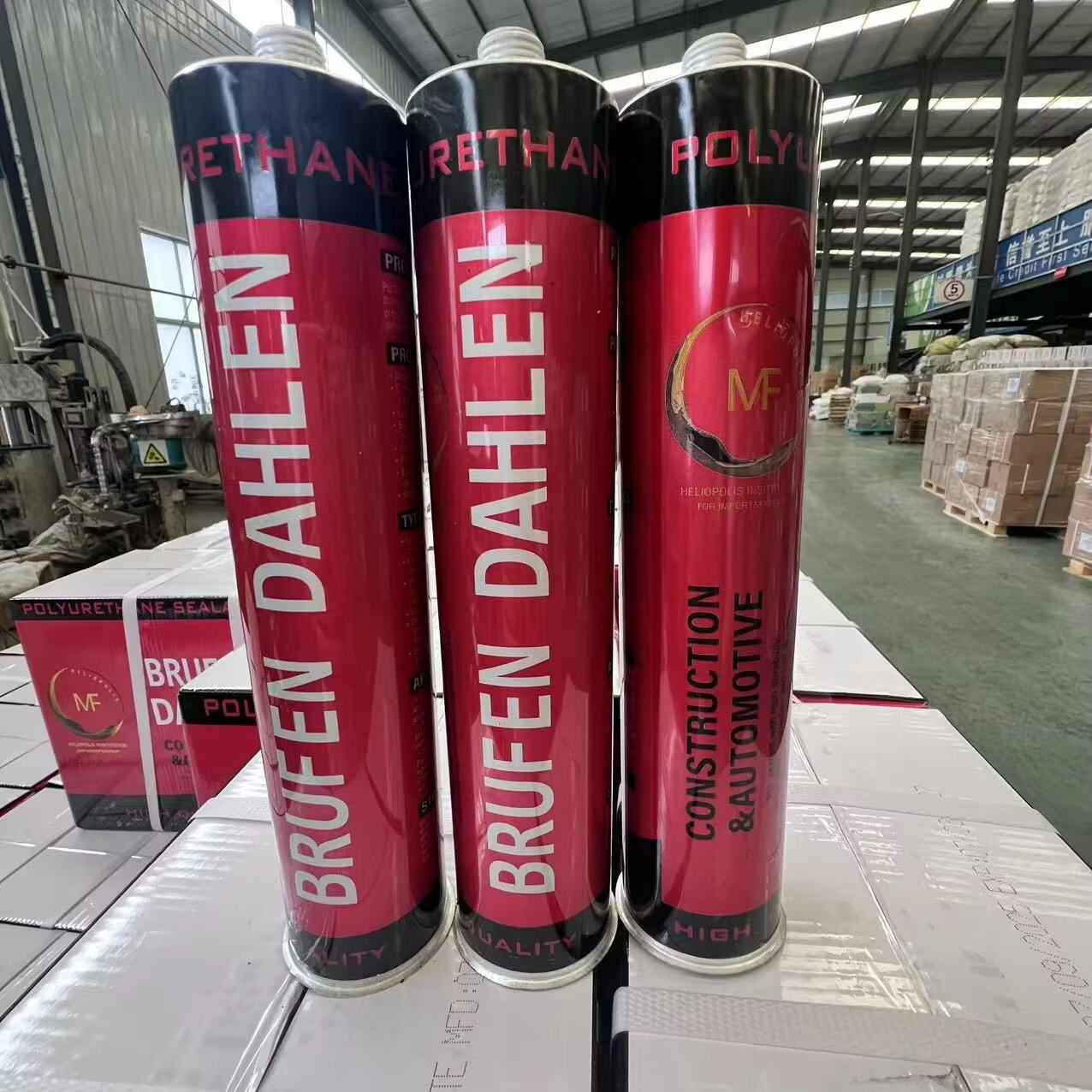
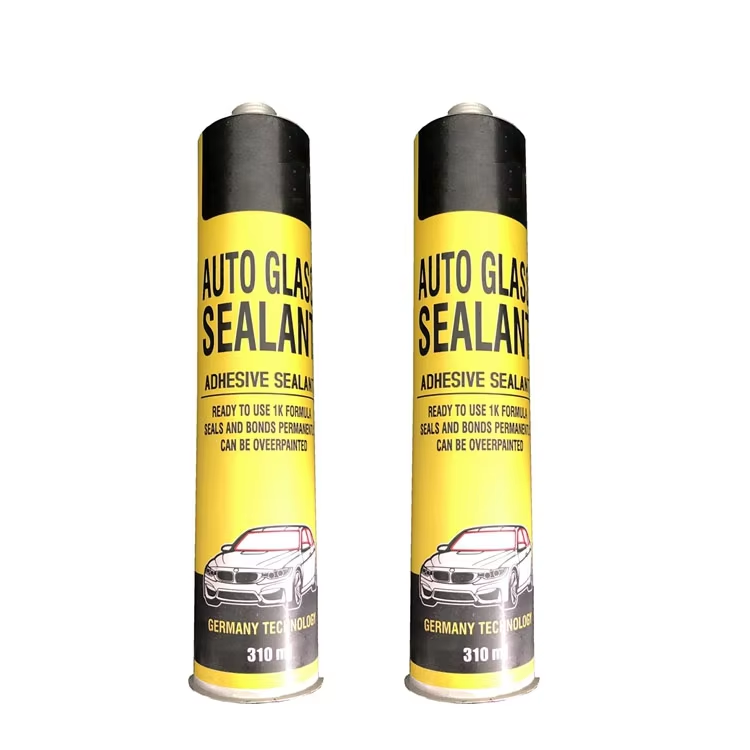
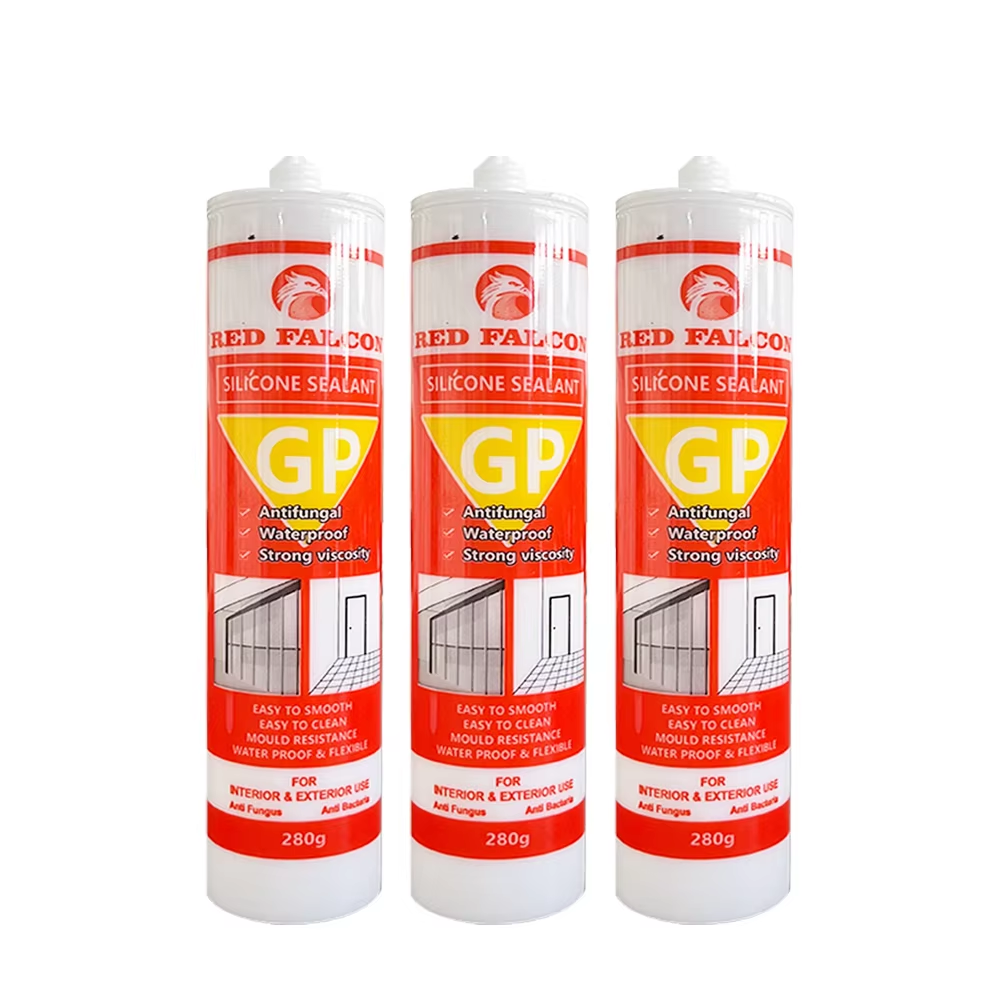
Premium Silicone Sealant for Automotive Use - Superior Sealing Solutions for Vehicle Applications

Get a Free Quote

Our representative will contact you soon.
Email
Name
Company Name
Message
0/1000

silicone sealant for automotive use

Silicone sealant for automotive use represents a crucial component in modern vehicle manufacturing and maintenance, delivering exceptional sealing performance across diverse automotive applications. This specialized formulation combines advanced silicone polymers with carefully selected additives to create a versatile bonding and sealing solution that meets the demanding requirements of today's automotive industry. The primary functions of silicone sealant for automotive use include creating weatherproof barriers, preventing moisture infiltration, and establishing durable bonds between various automotive components. These sealants excel in sealing engine gaskets, windshield installations, door frames, and electrical connections while maintaining their integrity under extreme operating conditions. The technological features of silicone sealant for automotive use encompass superior temperature resistance, ranging from minus forty degrees Celsius to over two hundred degrees Celsius, ensuring consistent performance throughout various climate conditions and engine temperatures. The formulation demonstrates excellent adhesion properties to multiple substrates commonly found in vehicles, including metals, plastics, rubber, and glass surfaces. Additionally, these sealants exhibit remarkable flexibility and elasticity, allowing them to accommodate thermal expansion and contraction cycles without compromising their sealing effectiveness. The chemical composition provides outstanding resistance to automotive fluids such as engine oils, coolants, brake fluids, and gasoline, preventing degradation and maintaining long-term reliability. Applications of silicone sealant for automotive use span across engine compartments, body assemblies, interior installations, and electrical systems. In engine applications, these sealants secure valve covers, oil pans, intake manifolds, and transmission housings, preventing fluid leaks and maintaining optimal operating pressures. Body assembly applications include window installations, door seals, sunroof assemblies, and panel joints, providing weatherproofing and acoustic dampening properties. Interior uses encompass dashboard installations, trim attachments, and component mounting, ensuring secure positioning and vibration resistance throughout the vehicle's operational lifespan.


Popular Products

Silicone sealant for automotive use delivers numerous practical benefits that make it an essential choice for vehicle manufacturers and automotive professionals worldwide. The most significant advantage lies in its exceptional durability, which translates directly into reduced maintenance costs and extended service intervals for vehicle owners. This longevity stems from the sealant's ability to resist degradation from ultraviolet radiation, ozone exposure, and temperature fluctuations that commonly affect automotive components. Vehicle owners benefit from this reliability through fewer repair visits and lower overall maintenance expenses throughout their vehicle's lifetime. The versatility of silicone sealant for automotive use allows mechanics and manufacturers to streamline their inventory requirements, as one product can address multiple sealing challenges across different vehicle systems. This consolidation reduces storage costs, simplifies procurement processes, and minimizes the risk of using incorrect materials for specific applications. The ease of application represents another substantial advantage, as silicone sealant for automotive use typically requires minimal surface preparation and can be applied using standard dispensing equipment. This user-friendly characteristic reduces labor time and training requirements, making it accessible for both professional mechanics and automotive enthusiasts performing their own maintenance. The quick curing properties enable faster assembly line processes and shorter repair times, directly benefiting productivity and customer satisfaction. Environmental resistance stands as a cornerstone advantage of silicone sealant for automotive use, protecting vehicles from harsh weather conditions, road salt corrosion, and chemical exposure from various automotive fluids. This protection extends beyond immediate sealing benefits to preserve surrounding components and prevent costly cascade failures that could result from moisture infiltration or chemical attack. The flexibility maintained by silicone sealant for automotive use throughout its service life accommodates the natural movement and vibration inherent in vehicle operation, preventing stress fractures and seal failures that could compromise vehicle safety and performance. Cost effectiveness emerges as a compelling advantage when considering the long-term value proposition of silicone sealant for automotive use, as its initial investment is offset by reduced warranty claims, fewer comebacks, and enhanced customer satisfaction ratings. The consistent performance characteristics ensure predictable results across different manufacturing batches and application conditions, supporting quality control objectives and regulatory compliance requirements essential in automotive production environments.

Practical Tips

How to Choose the Right PU Foam for Your Project Requirements?

28

Oct

How to Choose the Right PU Foam for Your Project Requirements?

Understanding the Versatile World of Polyurethane Foam Solutions Polyurethane (PU) foam has revolutionized countless industries with its remarkable versatility and adaptable properties. From construction and automotive applications to furniture manuf...
View More
Which Factors Should You Consider When Choosing Silicone Sealant?

28

Oct

Which Factors Should You Consider When Choosing Silicone Sealant?

Essential Considerations for Selecting the Perfect Silicone Sealant Choosing the right silicone sealant for your project can make the difference between a lasting, professional finish and a potentially costly failure. Whether you're working on a bath...
View More
Which Industries Rely on Neutral Silicone Sealant for Durable Sealing?

25

Nov

Which Industries Rely on Neutral Silicone Sealant for Durable Sealing?

Modern industrial applications demand reliable sealing solutions that can withstand harsh environmental conditions while maintaining structural integrity. Neutral silicone sealant has emerged as a critical component across numerous sectors, offering ...
View More
Why Is Clear Silicone Sealant Popular in Home Renovation Projects?

19

Dec

Why Is Clear Silicone Sealant Popular in Home Renovation Projects?

Home renovation projects have become increasingly sophisticated, with homeowners seeking versatile materials that deliver both functionality and aesthetic appeal. Among the most essential products in any renovation toolkit, clear silicone sealant sta...
View More

Get a Free Quote

Our representative will contact you soon.
Email
Name
Company Name
Message
0/1000

silicone sealant for automotive use

Superior Temperature Performance and Thermal Stability

Superior Temperature Performance and Thermal Stability

The exceptional temperature performance of silicone sealant for automotive use sets it apart from conventional sealing materials, making it indispensable for modern vehicle applications where extreme thermal conditions are commonplace. This remarkable thermal stability allows the sealant to maintain its sealing properties and mechanical characteristics across an extraordinarily wide temperature range, typically from minus forty degrees Celsius to over two hundred degrees Celsius. Such performance capabilities prove essential in engine bay applications where components experience rapid temperature changes during startup, operation, and cooling cycles. The molecular structure of silicone polymers used in automotive sealants provides inherent thermal resistance that prevents softening at high temperatures and brittleness at low temperatures, conditions that would cause conventional sealants to fail prematurely. This thermal stability translates into reliable sealing performance regardless of geographic location or seasonal variations, ensuring consistent protection for vehicle systems whether operating in arctic conditions or desert environments. In practical terms, this means that silicone sealant for automotive use maintains its flexibility and adhesion strength when sealing engine components that reach elevated temperatures during normal operation, such as exhaust manifolds, turbocharger housings, and cooling system connections. The sealant's ability to withstand thermal cycling without degradation prevents the formation of gaps or cracks that could lead to fluid leaks, contamination, or loss of system pressure. Additionally, the thermal stability contributes to the sealant's longevity, as repeated heating and cooling cycles do not cause the material to break down or lose its sealing effectiveness over time. This characteristic proves particularly valuable in hybrid and electric vehicles, where battery thermal management systems require reliable sealing solutions that can handle temperature variations while maintaining electrical insulation properties. The superior temperature performance also extends to cold weather applications, where silicone sealant for automotive use remains pliable and maintains its sealing capability even when other materials become rigid and prone to cracking, ensuring year-round reliability for critical automotive systems.
Exceptional Chemical Resistance and Fluid Compatibility

Exceptional Chemical Resistance and Fluid Compatibility

The outstanding chemical resistance exhibited by silicone sealant for automotive use provides unmatched protection against the diverse array of automotive fluids and chemicals encountered in modern vehicles, making it an indispensable solution for maintaining system integrity and preventing costly failures. This comprehensive chemical compatibility encompasses resistance to engine oils, transmission fluids, brake fluids, coolants, gasoline, diesel fuel, and various cleaning solvents commonly used in automotive maintenance procedures. The molecular structure of silicone polymers creates a barrier that remains stable when exposed to these aggressive chemicals, preventing swelling, softening, or dissolution that would compromise the seal's effectiveness. This chemical resistance proves particularly crucial in engine applications where silicone sealant for automotive use must maintain its properties while in direct contact with hot engine oil, coolant additives, and combustion byproducts that could degrade lesser materials. The practical implications of this chemical resistance extend beyond immediate sealing performance to include long-term system protection and reduced maintenance requirements for vehicle owners. When sealing components such as oil pans, valve covers, or transmission housings, the sealant's ability to resist chemical attack ensures that the seal remains intact throughout extended service intervals, preventing fluid leaks that could lead to environmental contamination or component damage. Furthermore, the chemical resistance of silicone sealant for automotive use supports the trend toward extended drain intervals and advanced fluid formulations that place greater demands on sealing materials. Modern synthetic oils and specialized automotive fluids often contain additives and detergents that can attack conventional sealing materials, but silicone-based sealants maintain their integrity when exposed to these advanced formulations. This compatibility also extends to new fuel types and alternative energy systems, where silicone sealant for automotive use demonstrates stability when exposed to ethanol-blended fuels, biodiesel, and various coolants used in hybrid and electric vehicle systems. The chemical resistance also provides protection against environmental contaminants such as road salt, acid rain, and industrial pollutants that vehicles encounter during normal operation, ensuring that sealed joints remain protected from external chemical attack that could compromise their long-term performance and reliability.
Outstanding Adhesion Properties and Substrate Versatility

Outstanding Adhesion Properties and Substrate Versatility

The remarkable adhesion properties of silicone sealant for automotive use enable it to form strong, durable bonds with the wide variety of materials commonly found in modern vehicle construction, making it an invaluable solution for addressing diverse sealing challenges across multiple automotive applications. This exceptional adhesion capability extends to metals including aluminum, steel, and cast iron, as well as various plastics, rubbers, composites, and glass substrates that comprise contemporary vehicle assemblies. The molecular characteristics of silicone polymers allow for excellent wetting and penetration into surface irregularities, creating mechanical bonds that complement the chemical adhesion mechanisms inherent in the material formulation. This versatility eliminates the need for multiple specialized sealants, simplifying inventory management and reducing the likelihood of application errors that could result from using incorrect materials for specific substrates. The adhesion strength of silicone sealant for automotive use develops rapidly upon application and continues to improve during the curing process, creating bonds that can withstand the mechanical stresses, vibrations, and thermal movements typical of automotive environments. This robust adhesion proves essential in applications such as windshield installation, where the sealant must provide structural support while maintaining weatherproofing capabilities, or in engine assembly applications where sealed joints must resist the pressures and forces generated during operation. The substrate versatility also accommodates the trend toward lightweight materials in automotive construction, as silicone sealant for automotive use readily bonds to carbon fiber composites, advanced plastics, and hybrid material assemblies that present unique sealing challenges. Unlike mechanical fasteners that can create stress concentrations or require precise machining tolerances, silicone sealants distribute stresses over the entire bond area, reducing the likelihood of fatigue failures and extending component life. The adhesion properties also contribute to the sealant's ability to accommodate differential thermal expansion between dissimilar materials, maintaining bond integrity even when joined substrates expand and contract at different rates during temperature changes. This flexibility proves crucial in modern vehicles where weight reduction efforts often result in assemblies combining materials with significantly different thermal expansion coefficients, such as aluminum engine blocks with steel components or plastic body panels joined to metal frames, ensuring reliable sealing performance throughout the vehicle's operational life cycle.

Get a Free Quote

Our representative will contact you soon.
Email
Name
Company Name
Message
0/1000