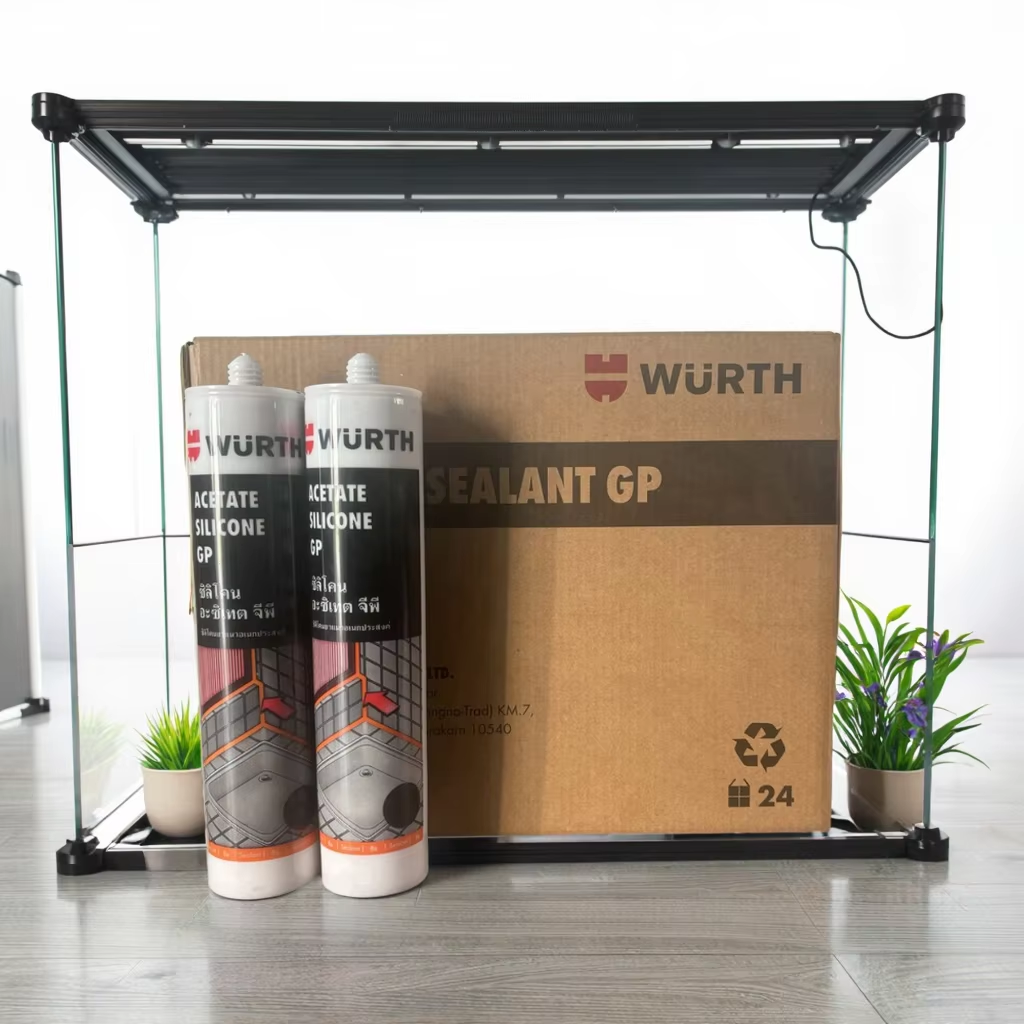
Professional Silicone Sealant for Industrial Use - Superior Performance & Durability

Get a Free Quote

Our representative will contact you soon.
Email
Name
Company Name
Message
0/1000

silicone sealant for industrial use

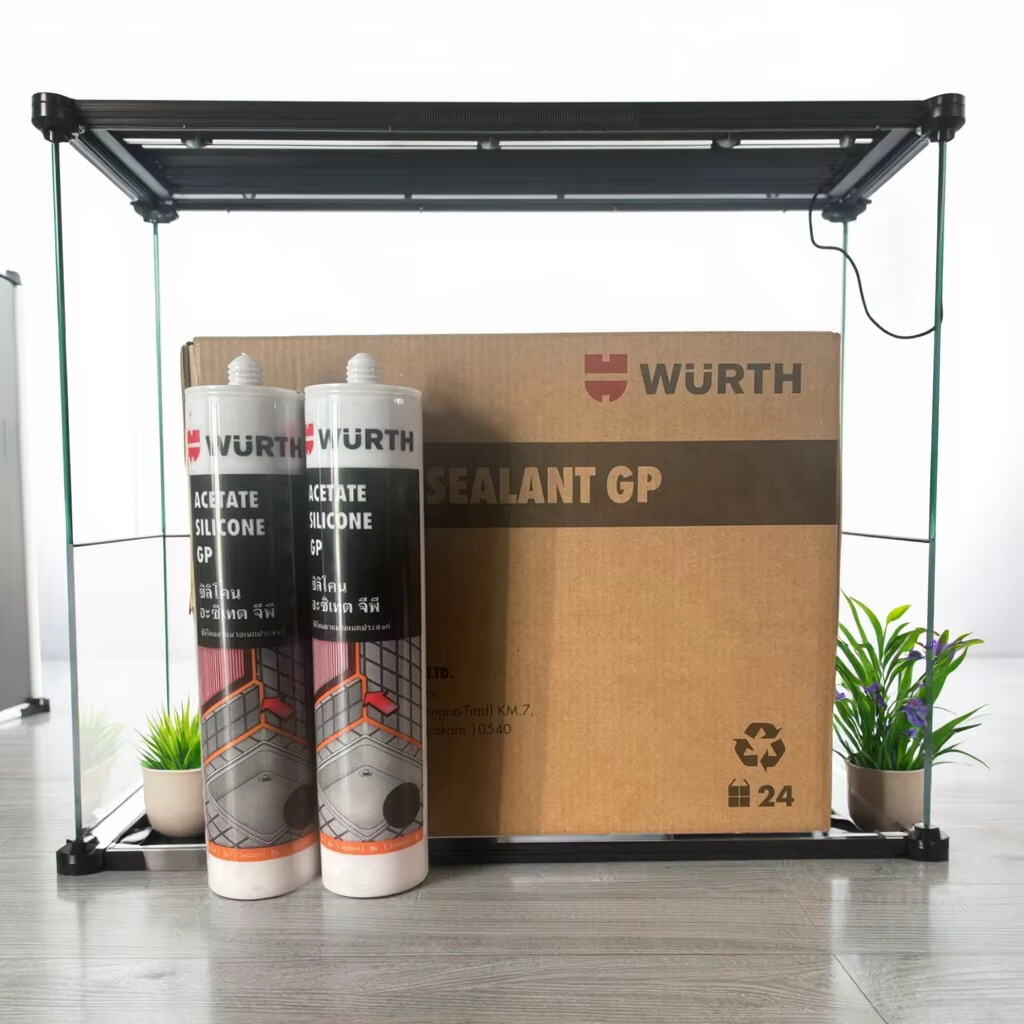
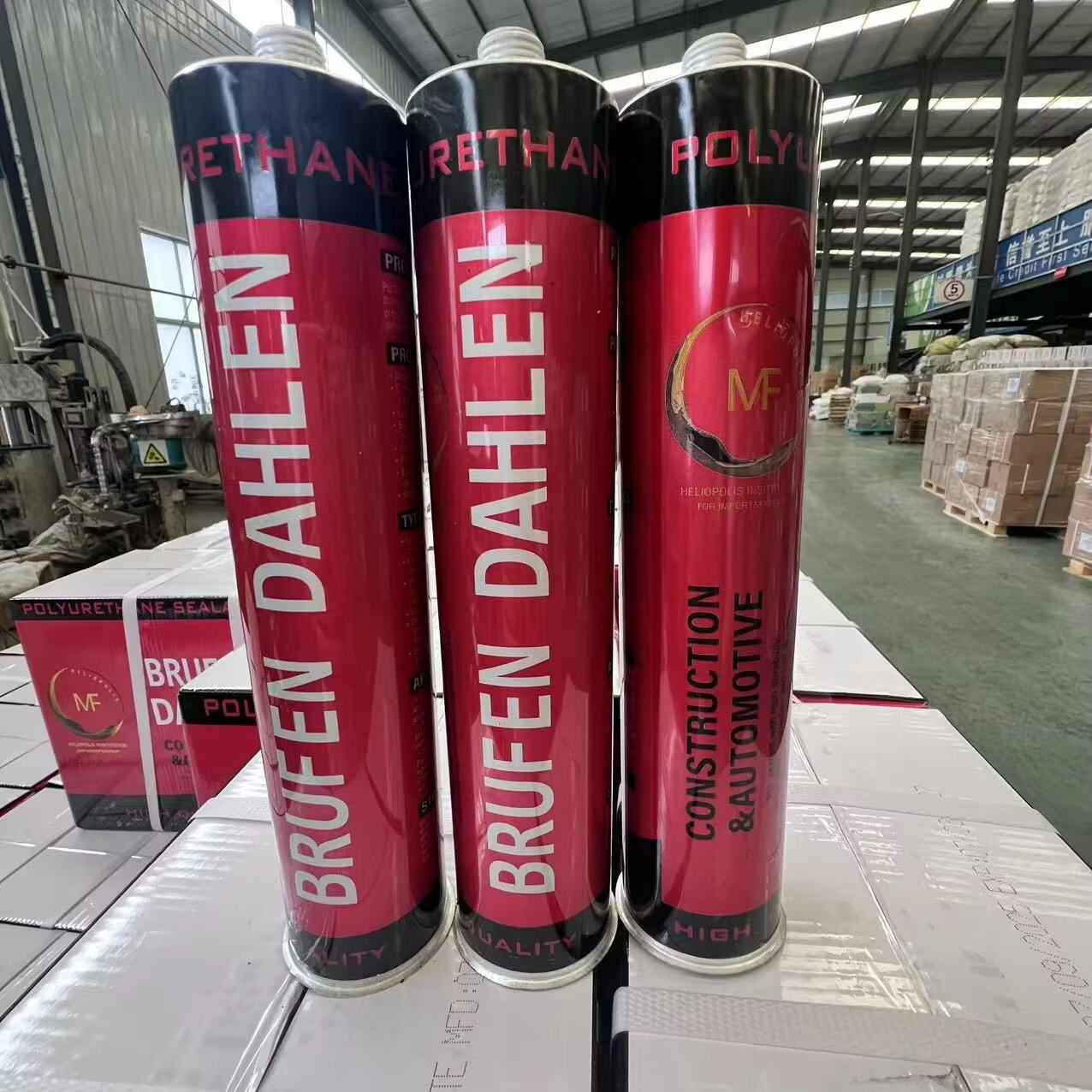
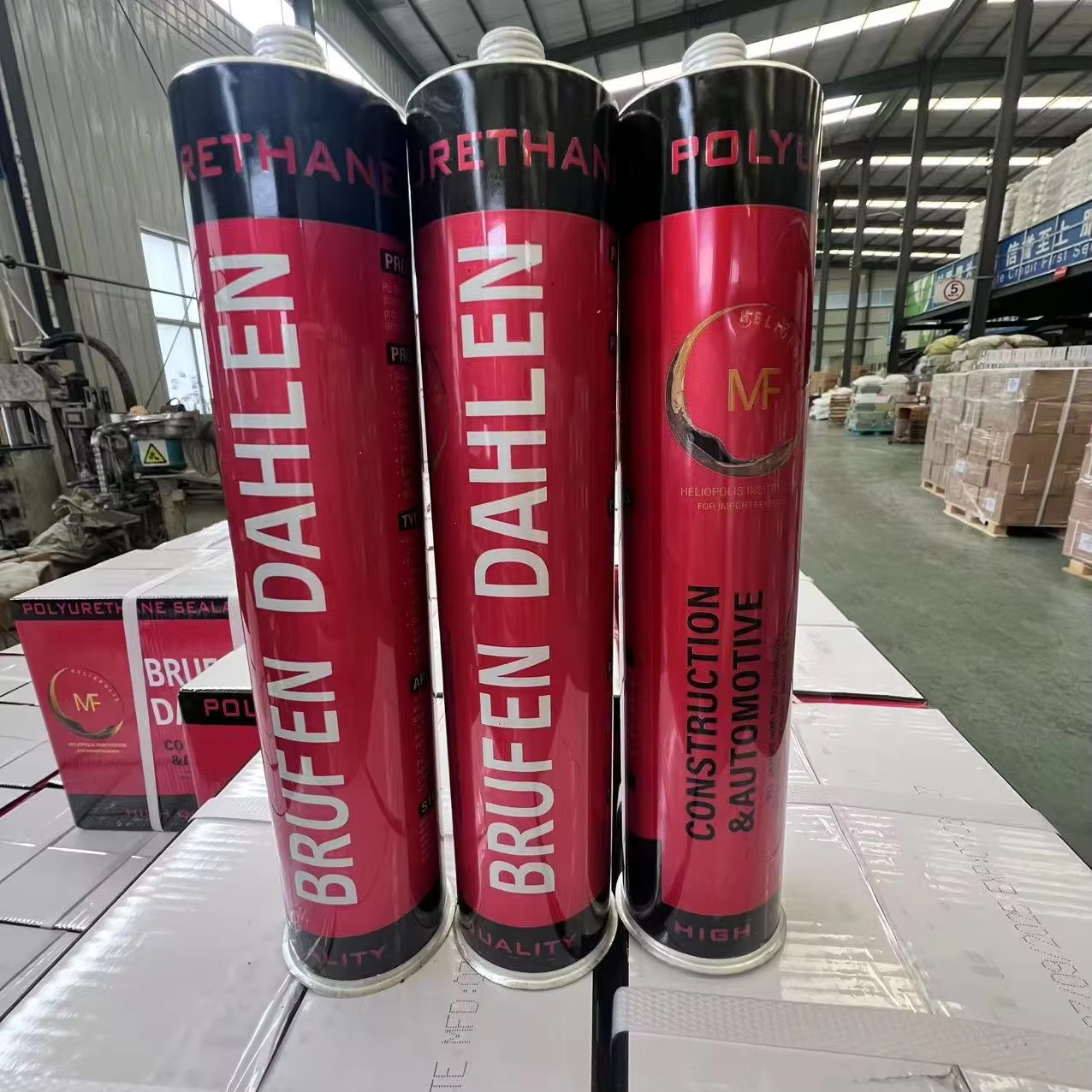
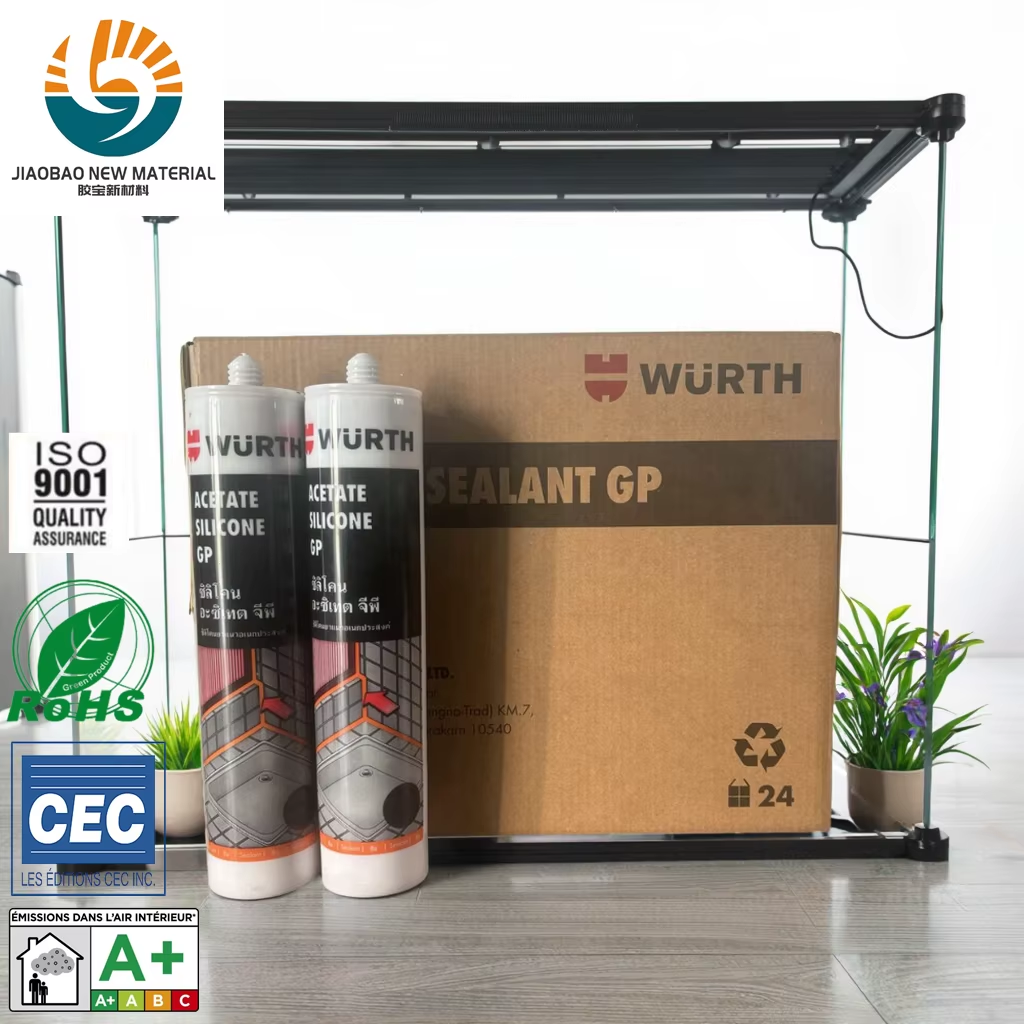
Silicone sealant for industrial use represents a revolutionary advancement in sealing technology, designed specifically to meet the demanding requirements of modern industrial environments. This versatile material combines the molecular structure of silicone polymers with advanced chemical formulations to create a high-performance sealing solution that excels in extreme conditions. The primary functions of silicone sealant for industrial use include creating watertight barriers, providing thermal insulation, maintaining structural integrity under stress, and offering superior resistance to environmental factors such as UV radiation, ozone exposure, and chemical contact. The technological features of this advanced sealant stem from its unique cross-linking chemistry, which allows the material to cure into a flexible yet durable elastomeric seal. Unlike traditional organic sealants, silicone sealant for industrial use maintains its properties across an extensive temperature range, typically from -65°F to 400°F, making it suitable for applications in both arctic conditions and high-heat industrial processes. The material exhibits exceptional adhesion properties to various substrates including metals, glass, ceramics, plastics, and composite materials without requiring primers in most applications. Industrial applications of silicone sealant span multiple sectors including automotive manufacturing, aerospace engineering, construction, electronics, marine industries, and renewable energy systems. In automotive applications, this sealant provides critical gasket replacement and component sealing in engine compartments where traditional materials would fail under thermal cycling. Aerospace industries rely on silicone sealant for industrial use to maintain cabin pressurization, fuel system integrity, and component weatherproofing in aircraft operating at extreme altitudes. Construction professionals utilize these sealants for curtain wall systems, structural glazing, and weatherproofing applications where long-term durability and movement accommodation are essential. The electronics industry depends on silicone sealant for industrial use to protect sensitive components from moisture ingress while maintaining electrical insulation properties.

New Product Recommendations

The advantages of silicone sealant for industrial use extend far beyond basic sealing capabilities, offering manufacturers and engineers a comprehensive solution that delivers measurable benefits across multiple performance parameters. Temperature resistance stands as one of the most significant advantages, allowing equipment and structures to operate reliably in environments where conventional sealants would deteriorate rapidly. This thermal stability translates directly into reduced maintenance costs and extended service intervals for industrial equipment. The chemical resistance properties of silicone sealant for industrial use provide protection against acids, bases, solvents, and petroleum products commonly encountered in industrial settings, eliminating the need for frequent seal replacements and reducing downtime costs. Weather resistance capabilities ensure that outdoor installations maintain their sealing integrity despite exposure to UV radiation, ozone, rain, snow, and temperature fluctuations that would cause organic sealants to crack, shrink, or lose adhesion. The flexibility and movement accommodation properties of silicone sealant for industrial use allow sealed joints to expand and contract without compromising the seal, preventing structural damage and maintaining system integrity throughout thermal cycles and mechanical vibrations. Adhesion strength represents another critical advantage, as this sealant bonds effectively to diverse materials without requiring extensive surface preparation or primer application in most cases, reducing installation time and labor costs. The curing characteristics of silicone sealant for industrial use provide predictable working times and consistent performance regardless of ambient humidity levels, unlike moisture-dependent sealants that may cure unpredictably in dry conditions. Electrical insulation properties make this material invaluable for sealing electrical enclosures, cable entries, and component housings where maintaining dielectric strength is crucial for safety and performance. The non-corrosive nature of silicone sealant for industrial use prevents galvanic corrosion when sealing dissimilar metals, protecting expensive equipment from premature failure. Easy application characteristics reduce installation complexity, allowing maintenance teams to achieve professional results without specialized training or equipment. Long-term cost effectiveness emerges from the combination of extended service life, reduced maintenance requirements, and superior performance reliability compared to alternative sealing materials.

Latest News

How Can Clear Silicone Sealant Preserve Aesthetic Appearance?

28

Oct

How Can Clear Silicone Sealant Preserve Aesthetic Appearance?

The Aesthetic Power of Modern Sealing Solutions In contemporary construction and home improvement, maintaining visual appeal while ensuring functionality has become increasingly important. Clear silicone sealant represents a revolutionary solution th...
View More
How to Choose the Right PU Foam for Your Project Requirements?

28

Oct

How to Choose the Right PU Foam for Your Project Requirements?

Understanding the Versatile World of Polyurethane Foam Solutions Polyurethane (PU) foam has revolutionized countless industries with its remarkable versatility and adaptable properties. From construction and automotive applications to furniture manuf...
View More
How Can PU Silicone Sealant Improve Waterproofing and Structural Stability?

25

Nov

How Can PU Silicone Sealant Improve Waterproofing and Structural Stability?

Modern construction and industrial applications demand reliable sealing solutions that can withstand extreme weather conditions while maintaining structural integrity. PU silicone sealant has emerged as a premier choice for contractors and engineers ...
View More
How Can PU Foam Improve Insulation Efficiency in Buildings?

19

Dec

How Can PU Foam Improve Insulation Efficiency in Buildings?

Modern construction demands innovative solutions that deliver superior insulation performance while maintaining cost-effectiveness and environmental responsibility. Polyurethane foam, commonly known as PU foam, has emerged as a revolutionary material...
View More

Get a Free Quote

Our representative will contact you soon.
Email
Name
Company Name
Message
0/1000

silicone sealant for industrial use

Exceptional Temperature Performance for Extreme Industrial Environments

Exceptional Temperature Performance for Extreme Industrial Environments

The exceptional temperature performance of silicone sealant for industrial use represents a breakthrough in sealing technology that addresses one of the most challenging aspects of industrial operations. This remarkable characteristic enables the sealant to maintain its sealing integrity, flexibility, and adhesion properties across an unprecedented temperature range that spans from extreme cold conditions of -65°F to high-heat environments reaching 400°F and beyond in specialized formulations. This temperature stability stems from the inherent molecular structure of silicone polymers, which resist thermal degradation and maintain their elastomeric properties even under severe thermal cycling conditions. In practical applications, this means that industrial equipment sealed with silicone sealant for industrial use can operate reliably in foundries, chemical processing plants, power generation facilities, and arctic installations without seal failure. The thermal cycling resistance prevents the common problem of seal degradation that occurs when materials repeatedly expand and contract with temperature changes, a phenomenon that causes conventional sealants to crack, lose adhesion, or become brittle. Manufacturing facilities benefit significantly from this temperature performance as it eliminates the need for seasonal seal replacement, reduces emergency maintenance calls, and prevents costly production interruptions caused by seal failure. The heat resistance properties make silicone sealant for industrial use indispensable in applications such as oven door seals, exhaust system components, and high-temperature piping systems where exposure to elevated temperatures is continuous. Cold weather performance ensures that outdoor equipment, arctic installations, and refrigeration systems maintain their sealing effectiveness even in sub-zero conditions where other materials become rigid and prone to cracking. This temperature versatility translates into substantial cost savings for industrial operations by extending maintenance intervals, reducing seal inventory requirements, and providing a single solution for diverse temperature environments. The predictable performance across temperature extremes allows engineers to design systems with confidence, knowing that the sealing solution will perform consistently regardless of environmental conditions.
Superior Chemical Resistance for Harsh Industrial Environments

Superior Chemical Resistance for Harsh Industrial Environments

Superior chemical resistance distinguishes silicone sealant for industrial use as the premium choice for applications involving exposure to aggressive chemicals, solvents, oils, and corrosive substances commonly encountered in industrial operations. This exceptional resistance capability protects sealed joints and components from chemical attack that would rapidly degrade conventional sealing materials, ensuring long-term integrity and performance reliability. The molecular structure of silicone polymers provides inherent resistance to a broad spectrum of chemicals including acids, bases, petroleum products, hydraulic fluids, cleaning solvents, and industrial process chemicals. This comprehensive chemical compatibility makes silicone sealant for industrial use invaluable in chemical processing plants, pharmaceutical manufacturing, petroleum refineries, and automotive service facilities where exposure to aggressive substances is routine. The non-reactive nature of cured silicone prevents chemical degradation, swelling, softening, or dissolution that commonly affects organic sealants, maintaining seal integrity throughout the service life. Industrial facilities benefit from reduced maintenance costs and improved safety as chemical-resistant seals prevent leakage of hazardous materials, protect equipment from contamination, and maintain process purity requirements. The oil and grease resistance properties ensure reliable sealing performance in hydraulic systems, lubrication points, and machinery housings where petroleum-based fluids are present, eliminating seal swelling and degradation issues associated with rubber-based materials. Acid resistance capabilities make silicone sealant for industrial use essential for sealing battery compartments, chemical storage areas, and process equipment handling acidic solutions where metal corrosion and seal failure would otherwise occur. Solvent resistance prevents seal deterioration in paint booths, cleaning operations, and manufacturing processes utilizing organic solvents that would dissolve conventional sealants. The chemical inertness of silicone sealant for industrial use ensures that sealed systems maintain their design specifications without contamination or performance degradation, supporting quality control requirements and regulatory compliance. This chemical resistance extends equipment service life, reduces replacement part requirements, and minimizes environmental risks associated with chemical leakage, providing comprehensive value for industrial operations.
Outstanding Durability and Longevity for Reduced Maintenance

Outstanding Durability and Longevity for Reduced Maintenance

Outstanding durability and longevity represent fundamental advantages that make silicone sealant for industrial use the preferred choice for applications requiring extended service life with minimal maintenance intervention. This exceptional durability stems from the inherent stability of silicone polymers, which resist environmental degradation factors that cause premature failure in conventional sealing materials. The molecular structure provides resistance to UV radiation, ozone exposure, weathering, and aging processes that typically cause organic sealants to crack, shrink, harden, or lose adhesion over time. Industrial facilities benefit from significantly extended maintenance intervals as silicone sealant for industrial use maintains its sealing effectiveness for decades rather than requiring replacement every few years like traditional materials. This longevity translates into substantial cost savings through reduced material purchases, decreased labor costs for seal replacement, and minimized production interruptions for maintenance activities. The dimensional stability of cured silicone ensures that sealed joints maintain their designed clearances and tolerances throughout the service life, preventing mechanical interference or seal compression loss that could compromise system performance. Fatigue resistance properties allow silicone sealant for industrial use to withstand millions of flexural cycles, vibrations, and mechanical movements without developing stress cracks or adhesion failure, making it ideal for sealing moving components and vibrating machinery. The self-healing characteristics of silicone enable minor surface scratches or abrasions to seal over time, maintaining integrity even after superficial damage that would compromise other sealing materials. Weather resistance ensures that outdoor installations maintain their protective sealing for extended periods despite exposure to rain, snow, temperature extremes, and UV radiation that would cause rapid deterioration in organic sealants. The non-chalking and non-staining properties preserve the appearance and cleanliness of sealed surfaces, reducing cleaning and refinishing requirements in visible applications. Industrial operations achieve improved reliability and reduced total cost of ownership through the extended service life of silicone sealant for industrial use, as fewer seal failures mean fewer emergency repairs, reduced spare parts inventory, and improved equipment availability. The predictable aging characteristics allow maintenance teams to plan replacement schedules based on actual performance data rather than conservative estimates, optimizing maintenance resource allocation and minimizing unexpected failures.

Get a Free Quote

Our representative will contact you soon.
Email
Name
Company Name
Message
0/1000