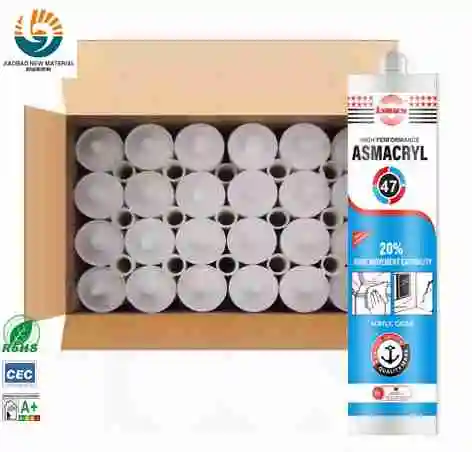
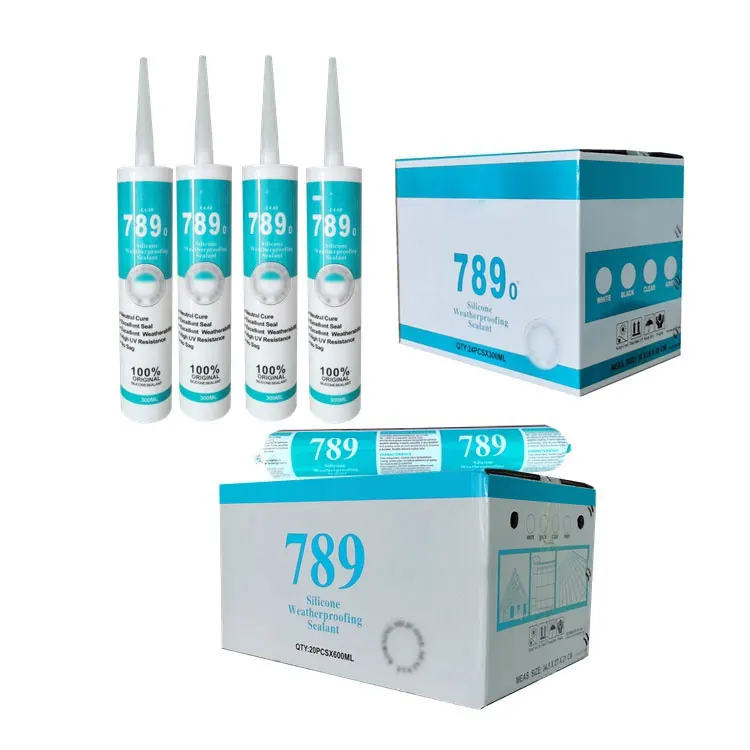
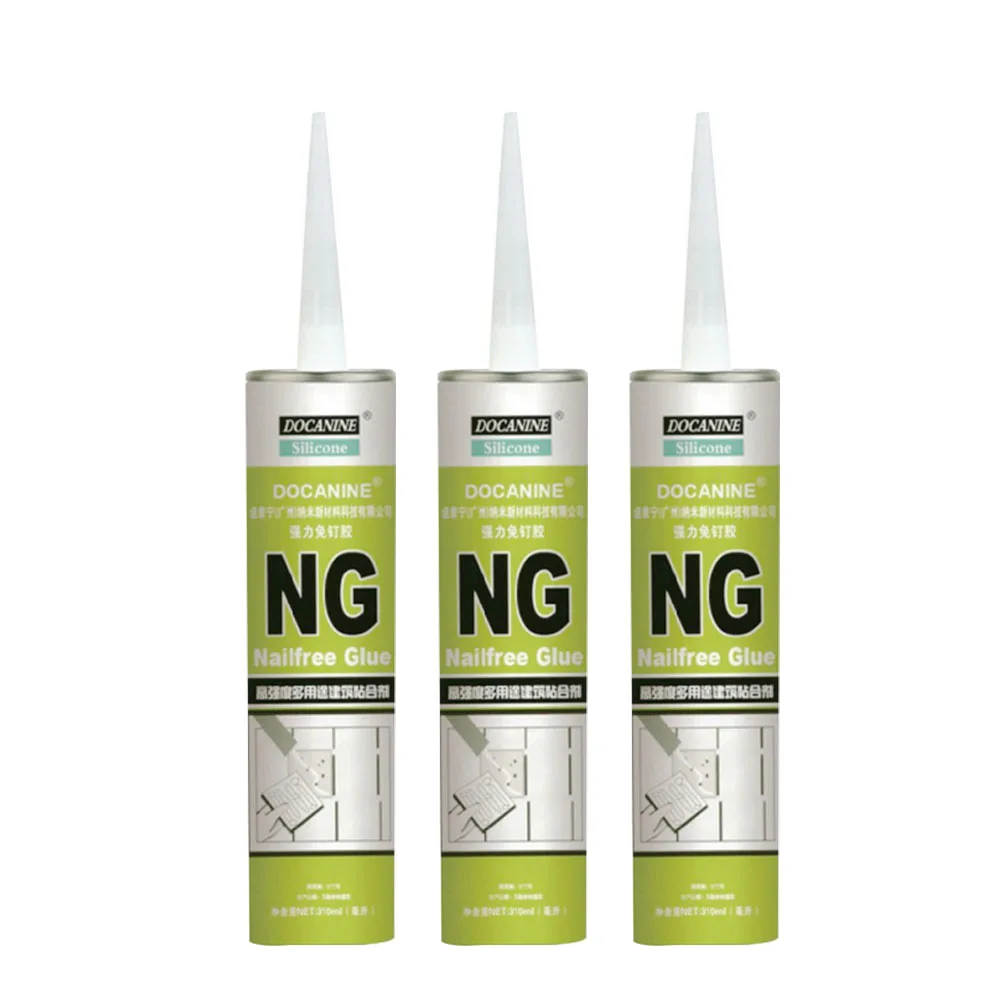
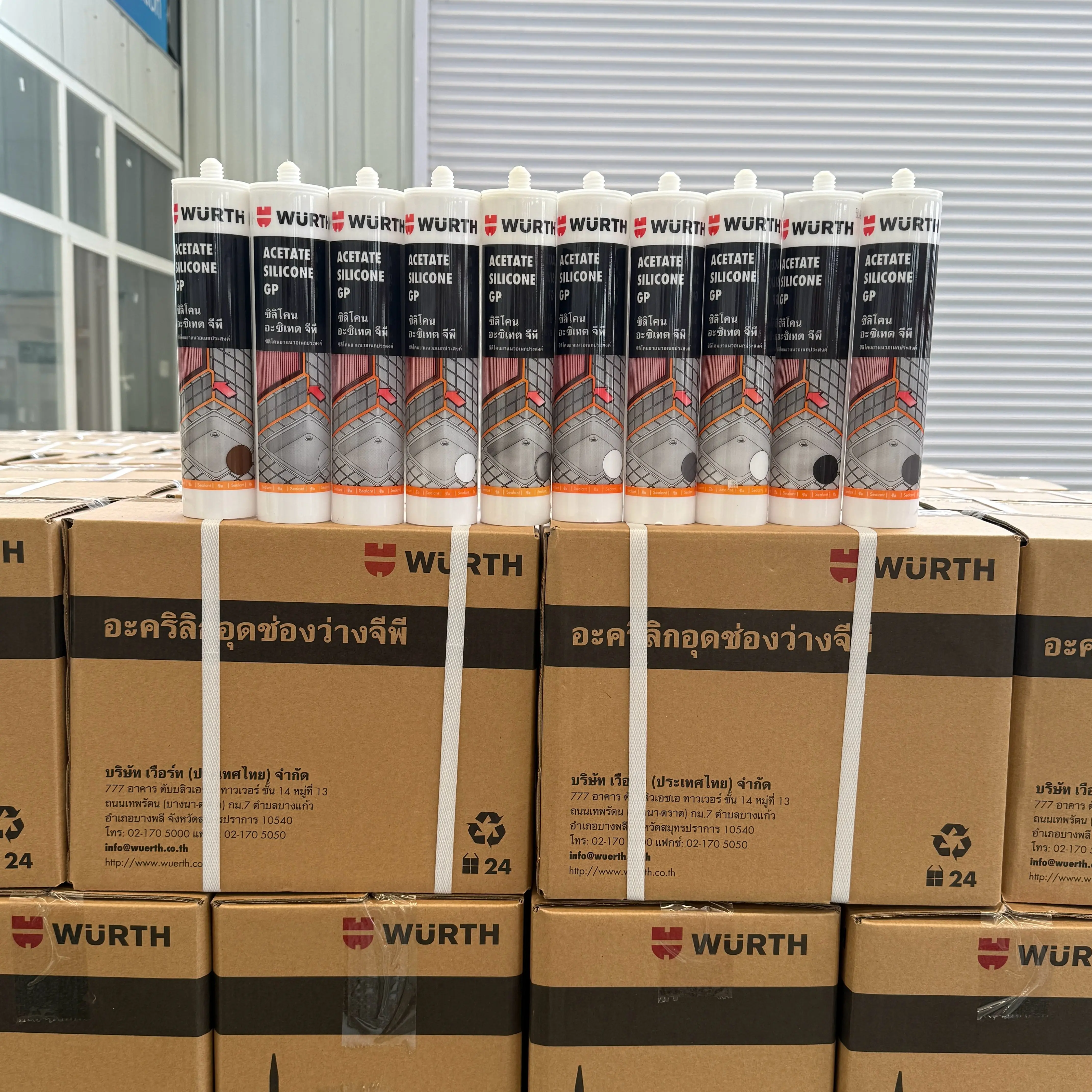
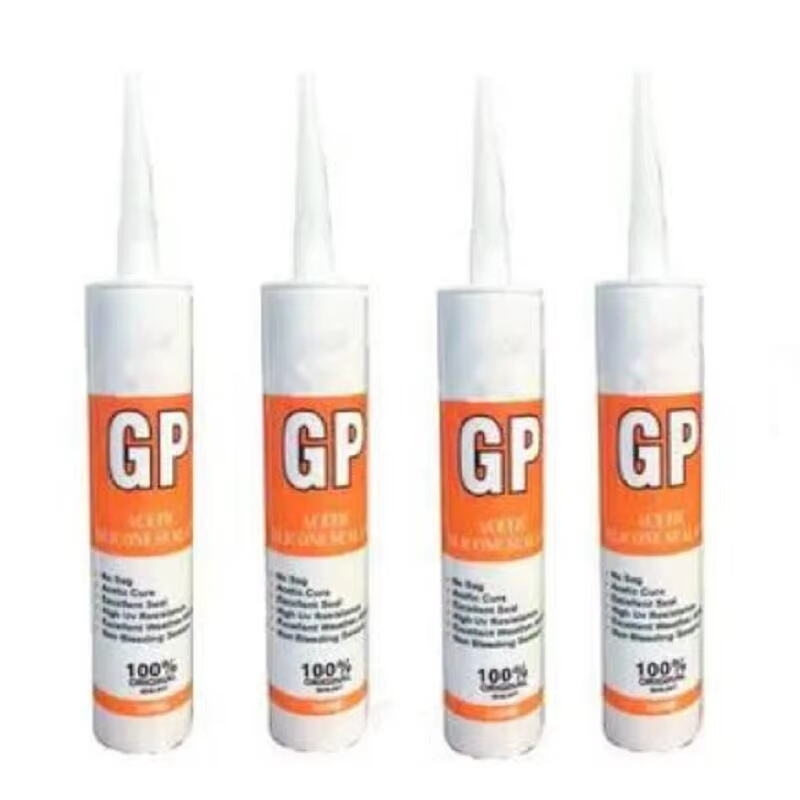
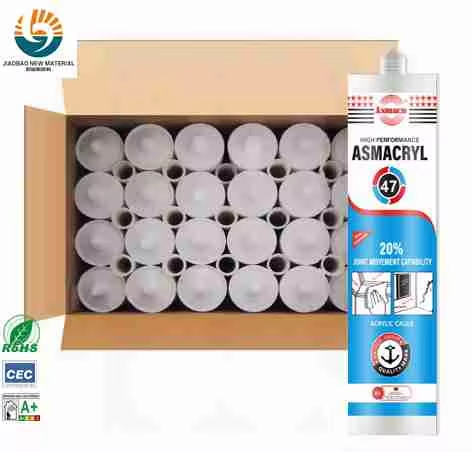
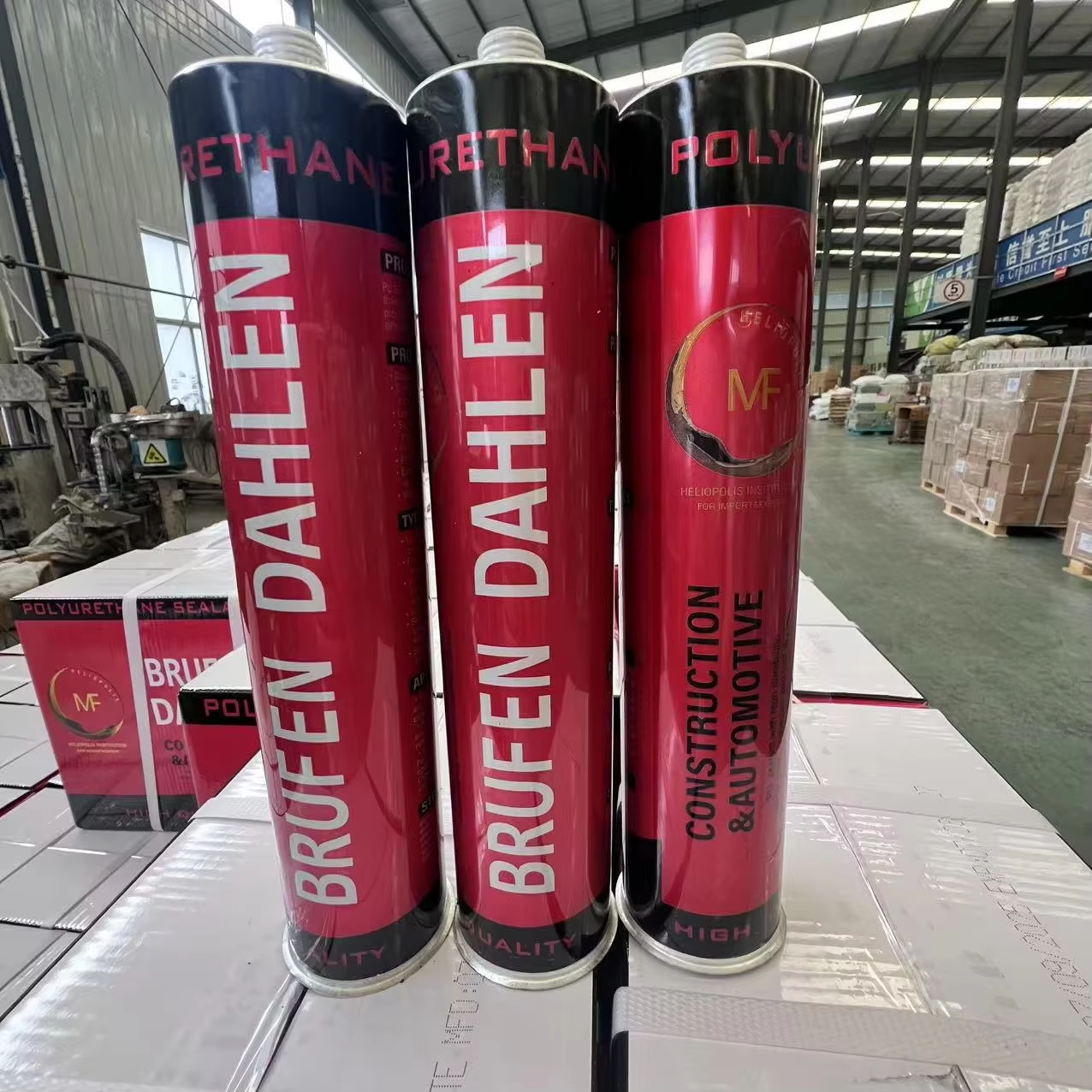
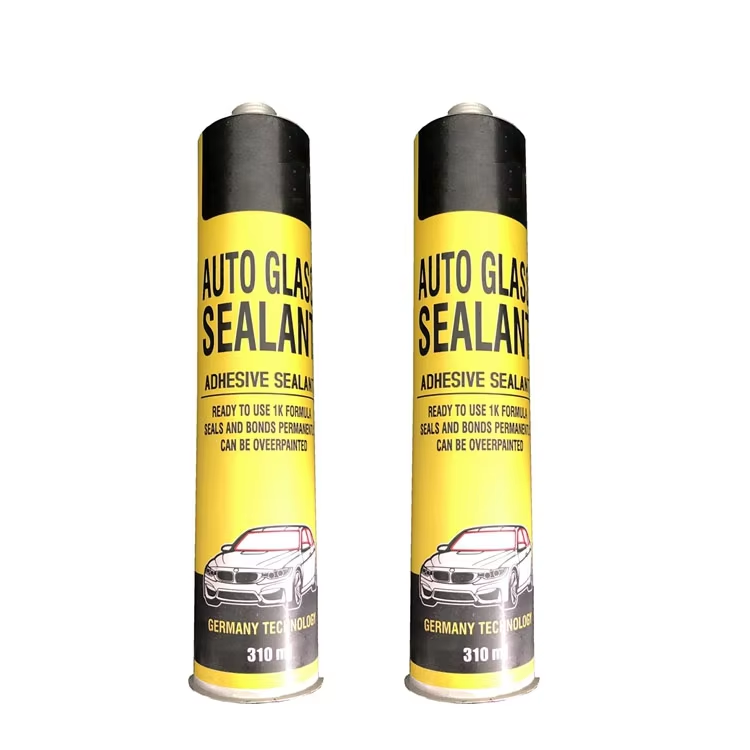
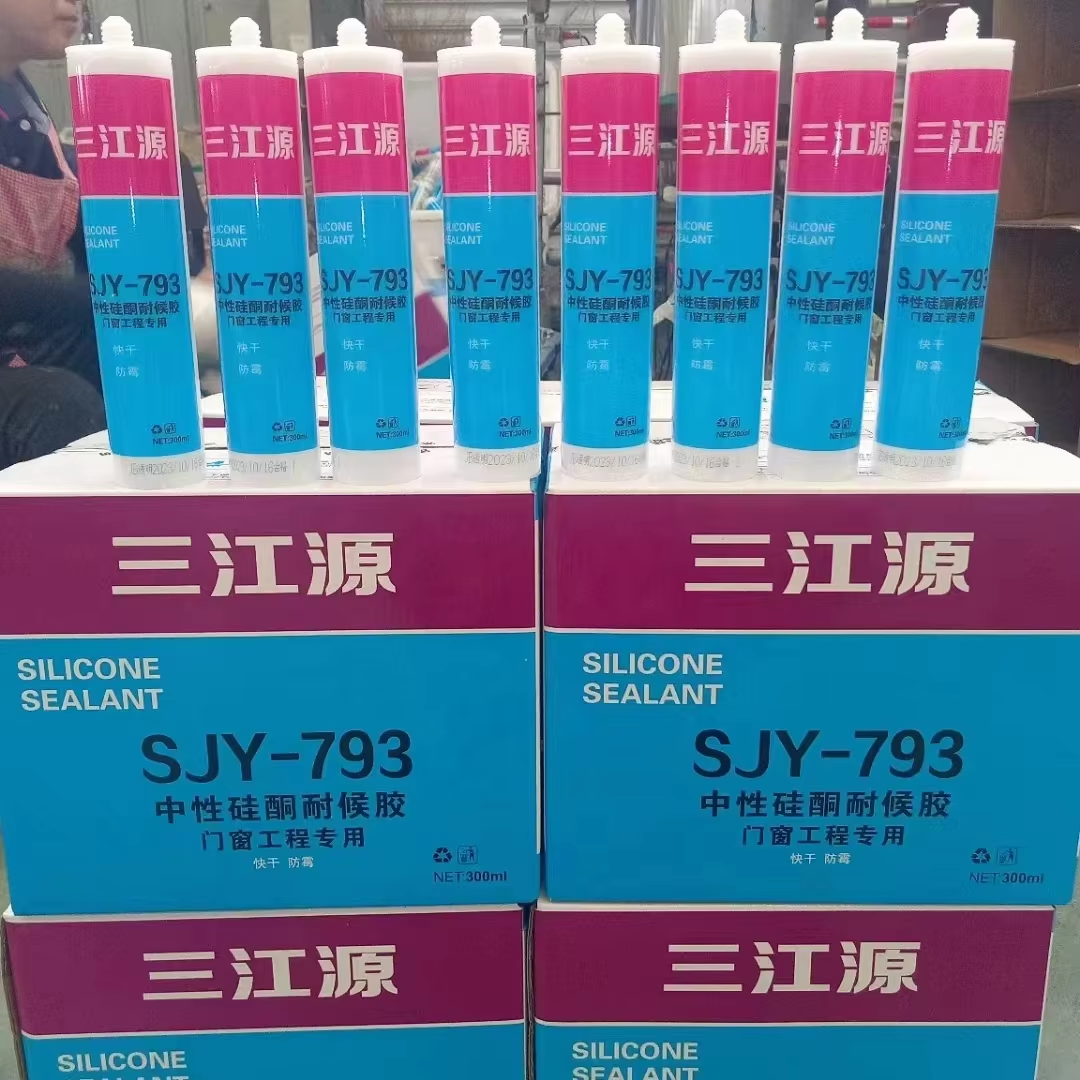
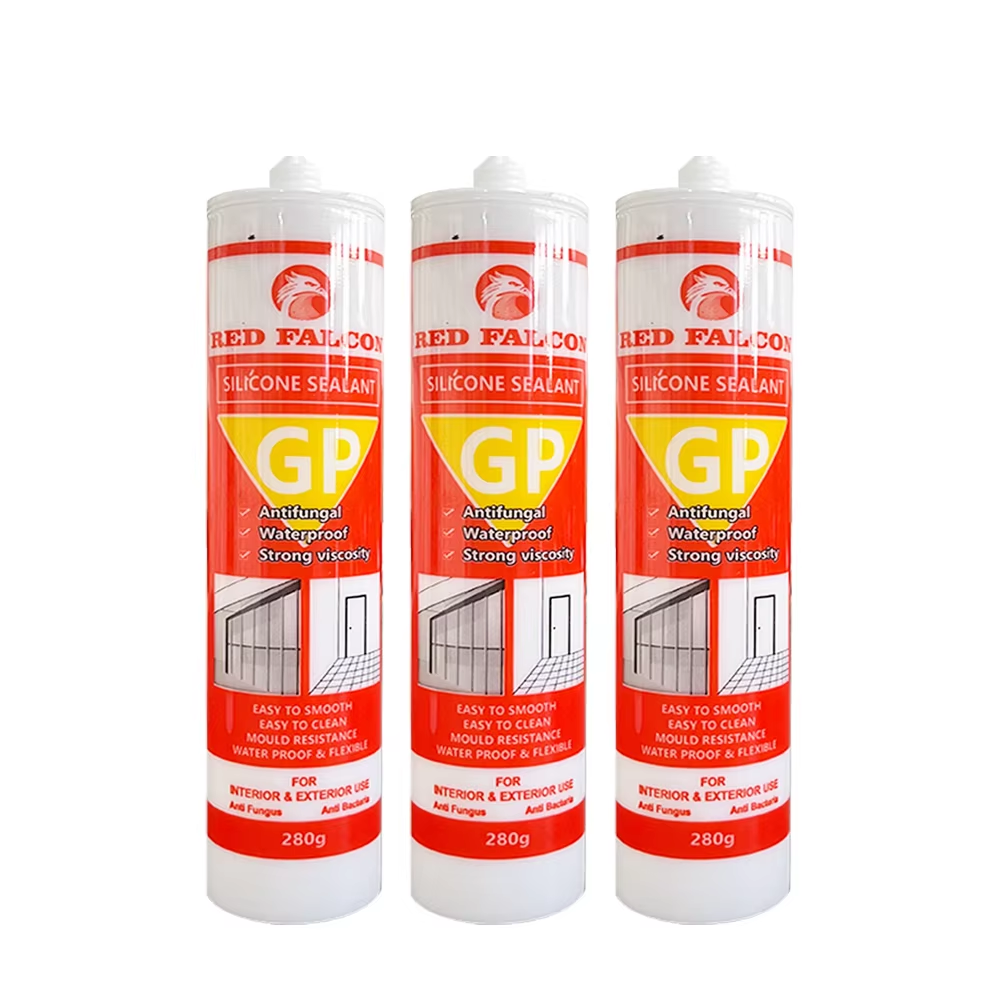
construction pu silicone sealant
Construction pu silicone sealant represents a revolutionary advancement in building materials technology, combining the exceptional properties of polyurethane chemistry with silicone polymers to create a superior sealing solution. This innovative sealant is specifically engineered for demanding construction applications where traditional materials fail to deliver adequate performance. The construction pu silicone sealant offers remarkable adhesion capabilities across diverse substrates including concrete, metal, glass, wood, and various composite materials commonly found in modern building projects. Its unique molecular structure provides exceptional flexibility while maintaining structural integrity under extreme weather conditions, temperature fluctuations, and mechanical stress. The technological features of construction pu silicone sealant include outstanding UV resistance, preventing degradation and discoloration even after prolonged exposure to direct sunlight. This sealant demonstrates superior chemical resistance against acids, alkalis, oils, and various industrial solvents, making it ideal for harsh environments. The curing mechanism utilizes atmospheric moisture to form a durable elastomeric seal that remains flexible throughout its service life. Construction pu silicone sealant applications span numerous sectors including commercial buildings, residential structures, industrial facilities, and infrastructure projects. It excels in expansion joint sealing, curtain wall glazing, structural glazing applications, and weatherproofing systems. The sealant effectively prevents air and water infiltration, contributing significantly to energy efficiency and building envelope performance. Its excellent adhesion properties eliminate the need for primers on most substrates, reducing installation time and costs. The construction pu silicone sealant maintains consistent performance across temperature ranges from negative forty to positive one hundred fifty degrees Celsius, ensuring reliable operation in diverse climatic conditions. Its low modulus characteristics accommodate building movement without compromising seal integrity, while its high elongation capacity handles structural shifts effectively.

 EN
EN