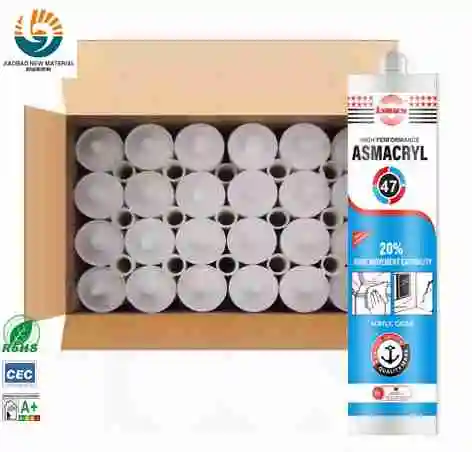
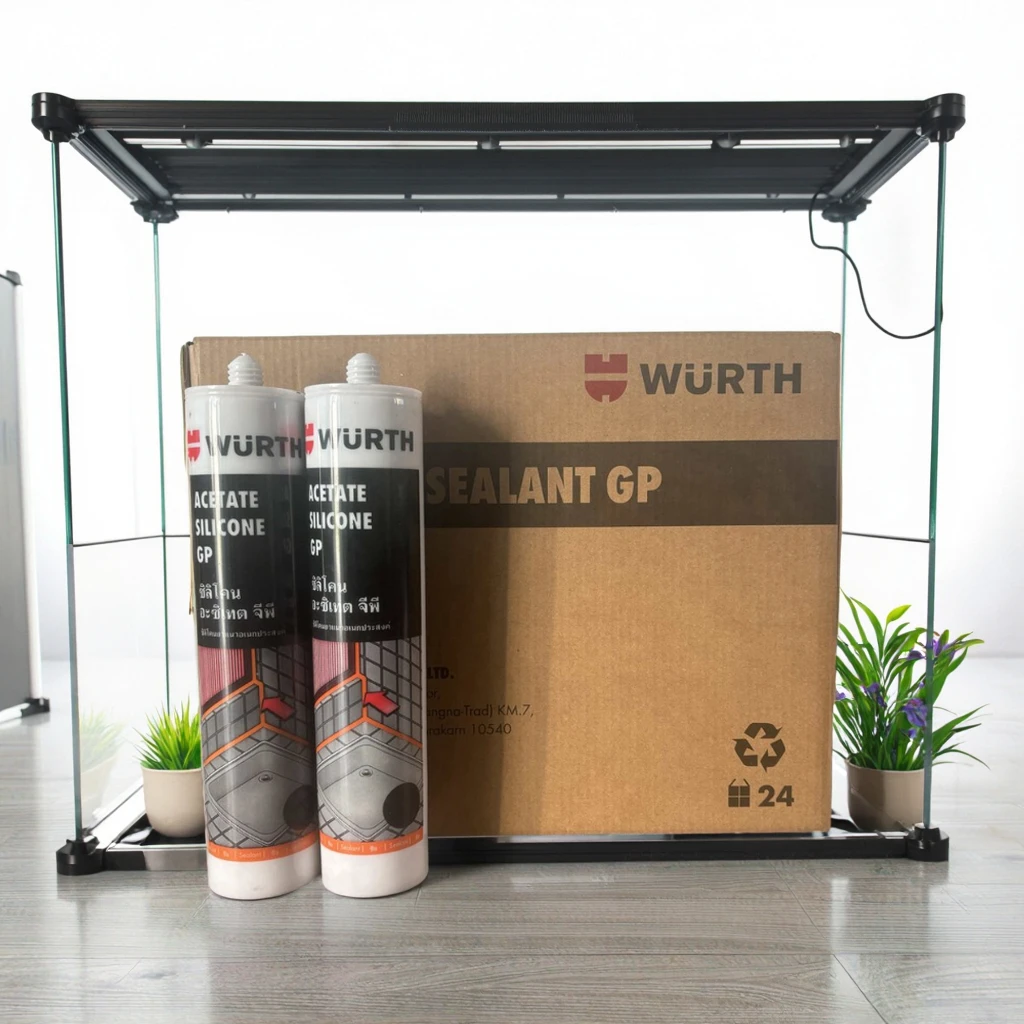
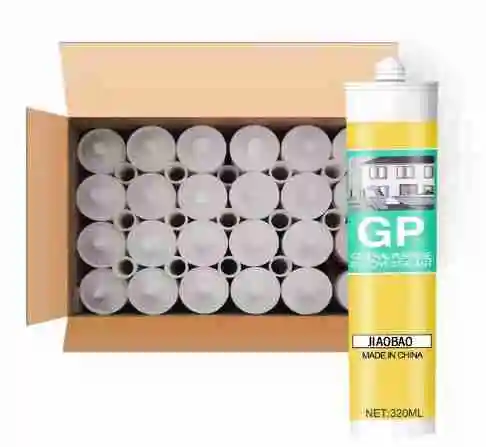
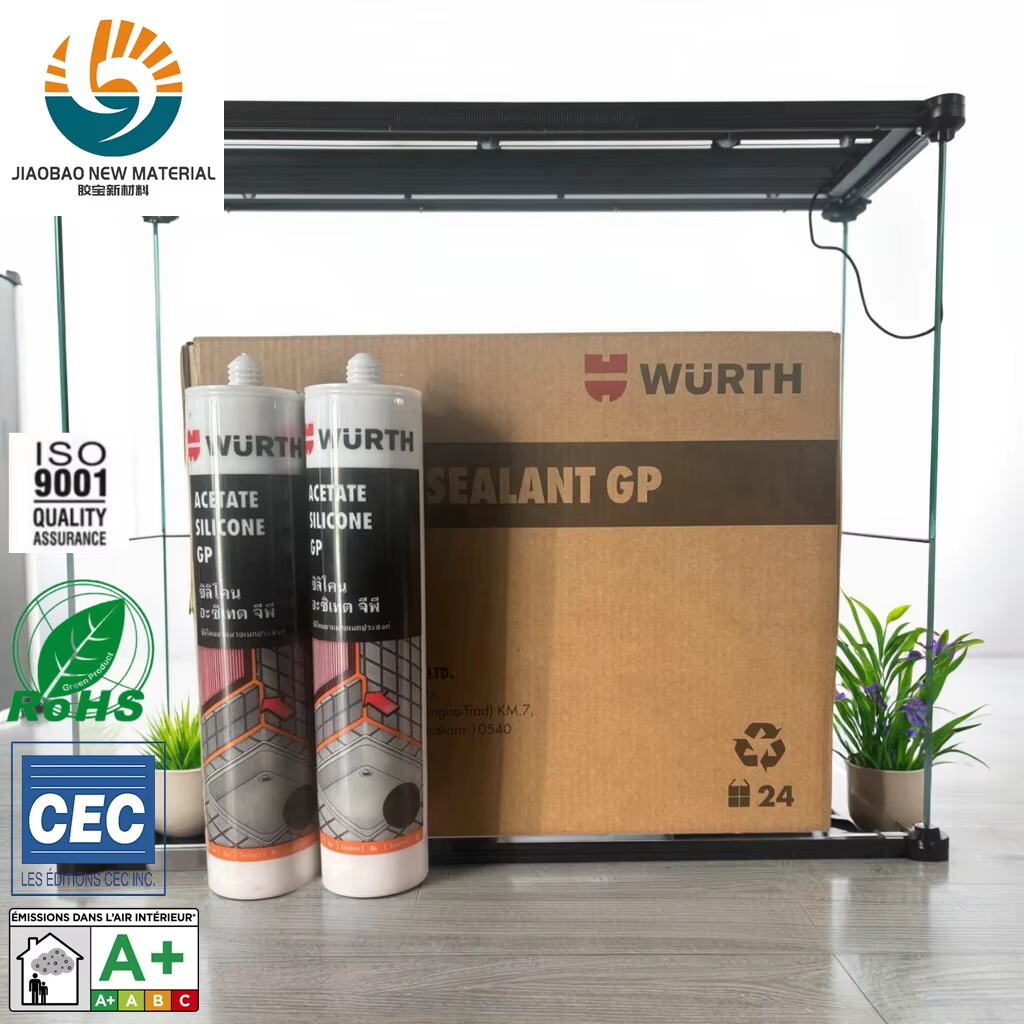
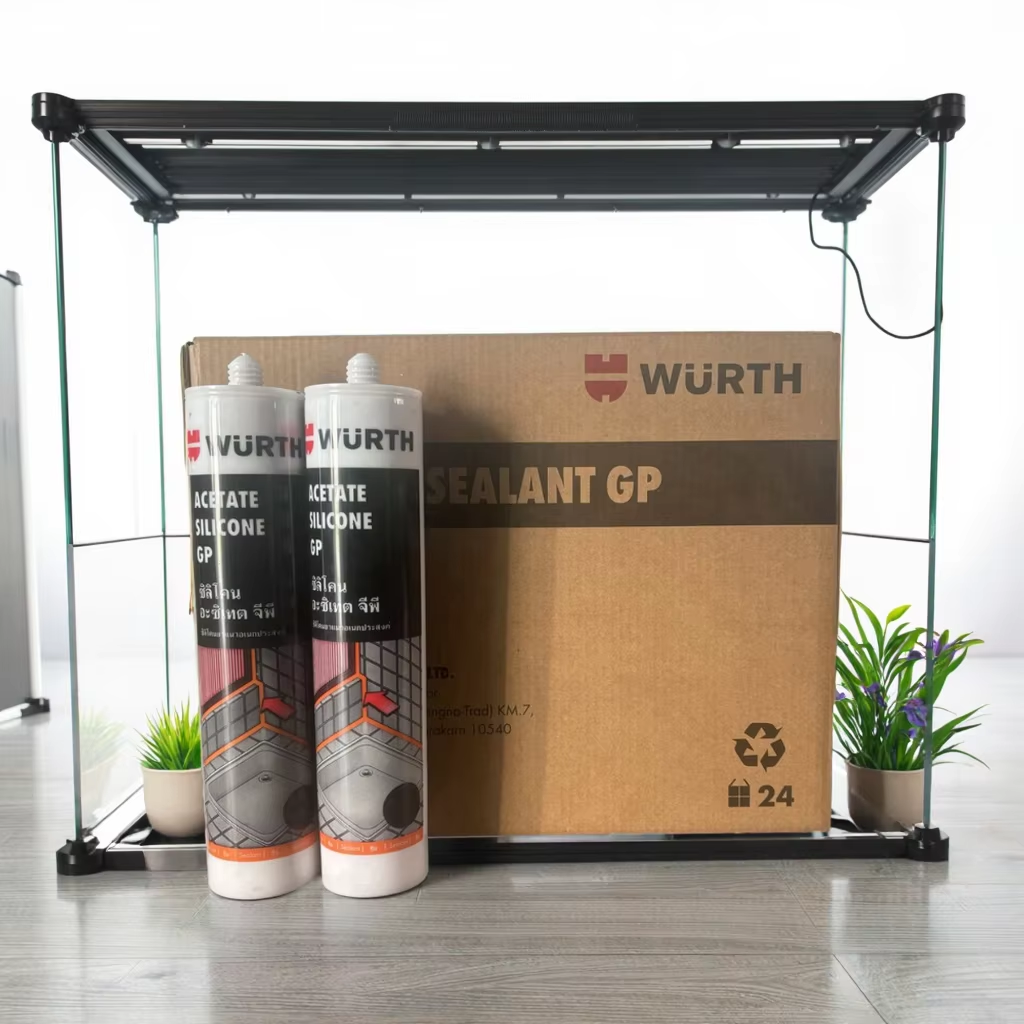
industrial acid silicone sealant
Industrial acid silicone sealant represents a cornerstone solution in modern construction and manufacturing applications, delivering exceptional sealing performance across diverse environments. This specialized formulation combines the superior flexibility of silicone polymers with acid-cure technology, creating a robust barrier against moisture, air infiltration, and environmental contaminants. The industrial acid silicone sealant offers remarkable adhesion properties to glass, metal, ceramic, and painted surfaces, making it indispensable for commercial glazing projects, window installations, and structural sealing applications. The primary functions of this advanced sealant include weatherproofing, thermal insulation enhancement, and long-term joint protection in high-stress environments. Its technological features encompass rapid curing capabilities, excellent UV resistance, and superior temperature tolerance ranging from extreme cold to intense heat conditions. The formulation maintains elasticity throughout its service life, accommodating structural movement without compromising seal integrity. Key applications span architectural glazing systems, curtain wall installations, automotive assembly lines, marine equipment sealing, and industrial equipment maintenance. The industrial acid silicone sealant demonstrates outstanding performance in exterior applications where exposure to harsh weather conditions demands reliable protection. Manufacturing facilities utilize this sealant for equipment housing, pipe connections, and machinery maintenance due to its chemical resistance properties. The product excels in scenarios requiring permanent adhesion with minimal surface preparation, streamlining installation processes while ensuring consistent results. Advanced cross-linking technology enables the sealant to form molecular bonds that resist degradation from ozone, moisture, and temperature fluctuations. This industrial-grade formulation maintains its protective qualities for decades, reducing maintenance costs and extending component lifecycles significantly.

 EN
EN